A Guide to the Best Anti Aging Ingredients for Your Skin
Walking down the skincare aisle can feel like a pop quiz you didn't study for. With countless jars and bottles all promising to turn back the clock, how do you know what actually works?
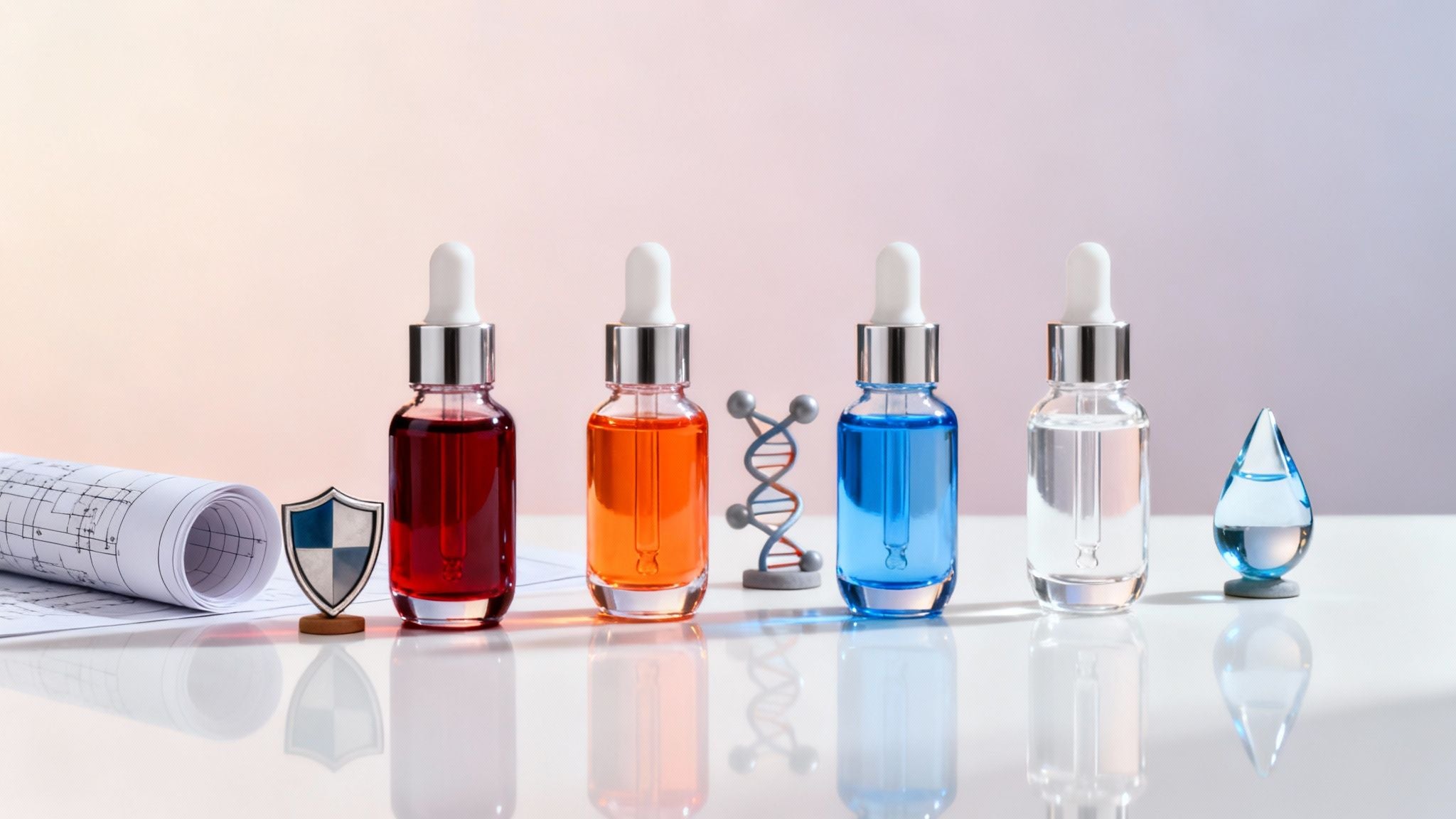
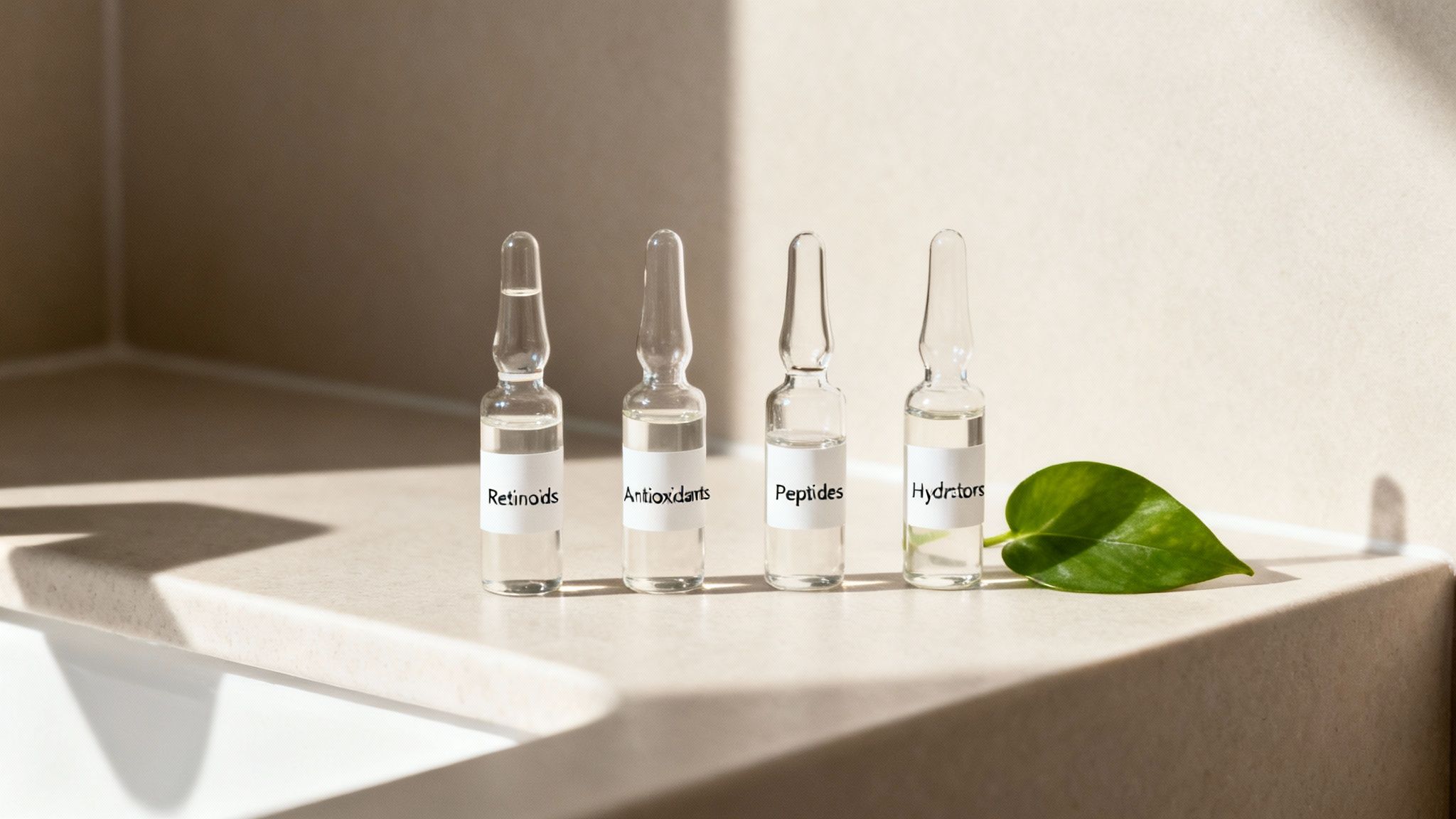
It boils down to a handful of proven, science-backed ingredients. The true heavy-hitters in any serious anti-aging routine are retinoids for rebuilding, antioxidants for protecting, peptides for firming, and hydrators for plumping. That's it. Master these four, and you're in control.
Your Guide to Anti-Aging Powerhouse Ingredients
Forget the marketing jargon and miracle claims. The smartest way to build a routine that delivers visible results is to think of it like assembling an elite team of specialists for your skin. Each ingredient has a very specific job, and when they work together, the results are undeniable.
This simple framework cuts through the confusion. Once you understand the core function of each ingredient category, you can target your specific concerns with the precision of a professional.
The A-Team of Skincare
Think of your skin as a high-tech facility that requires constant maintenance, top-tier security, and clear communication to stay firm, smooth, and radiant. Here's who's on the payroll:
-
The Architects (Retinoids): These are your master builders. As Vitamin A derivatives, retinoids are the undisputed gold standard for rebuilding your skin’s foundational structure. They speed up cell turnover and kickstart collagen production, effectively resurfacing your skin to smooth out texture and fine lines.
-
The Bodyguards (Antioxidants): This is your skin's personal security detail. Ingredients like Vitamin C and Niacinamide are on the front lines, neutralizing the daily assault of free radicals from UV rays and pollution. They prevent the cellular damage that shows up as wrinkles and sun spots down the road.
-
The Messengers (Peptides): Peptides are the communication experts. These short chains of amino acids are like little text messages, signaling your skin cells to get to work. Their most important memo? "Make more collagen and elastin!" This helps your skin stay firm, bouncy, and resilient.
-
The Support Crew (Hydrators): This is the essential logistics team. Ingredients like Hyaluronic Acid and Ceramides keep the entire operation running smoothly. They pull moisture deep into the skin and reinforce its protective barrier, creating that plump, dewy, and supple look we all crave.
This team-based approach empowers you to build a cohesive and powerful regimen. Beyond the commonly discussed ingredients, a deeper understanding of the best vitamins for skin health can further empower your anti-aging strategy.
To give you a quick reference, here's how these power players stack up.
Top Anti-Aging Ingredients at a Glance
This table breaks down the core job of each ingredient category, so you can easily match the right player to your specific skin concern.
| Ingredient | Primary Function | Best For |
|---|---|---|
| Retinoids | Cell Turnover & Collagen Production | Fine lines, wrinkles, uneven texture |
| Antioxidants | Damage Prevention & Brightening | Dullness, sun spots, environmental protection |
| Peptides | Firming & Elasticity | Loss of firmness, sagging skin |
| Hydrators | Moisture & Barrier Support | Dehydration, dryness, fine lines |
Understanding these roles helps you build a smarter, more effective routine that targets exactly what your skin needs to look its best.
Why This Matters for Your Skin
You're not alone in seeking effective solutions. The global anti-aging ingredients market was valued at USD 10.59 billion and is on track to hit over USD 19.2 billion. It's no surprise that antioxidants hold the largest market share—they are fundamental to protecting skin from the environmental aggressors that cause wrinkles and loss of firmness.
By understanding these key ingredient roles, you move from being a passive consumer to an informed architect of your own skincare success. You can confidently select products that align with your goals, whether it's rebuilding collagen, protecting from sun damage, or intensely hydrating.
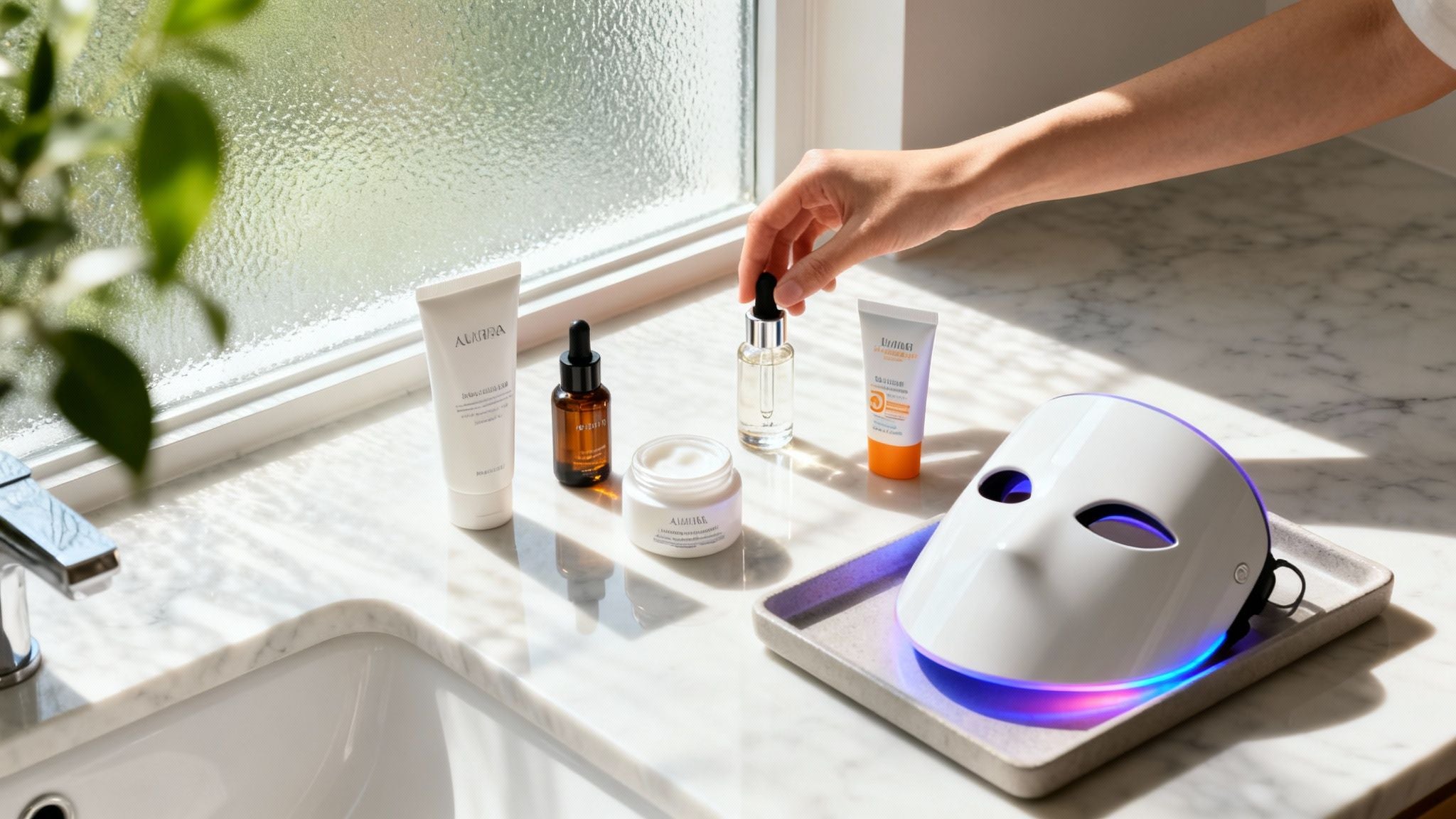
To take your results to the next level, pairing these powerful topicals with at-home technology can be a total game-changer. The Barb N.P. Facial Mask, for example, uses LED light therapy to boost the performance of your serums and creams.
Its comfortable, wireless design means you can carry on with your day while getting a clinical-grade treatment. With three settings—red light for collagen, blue for acne, and amber for rejuvenation—it works in synergy with your routine to deliver truly superior results. It’s the perfect partner for a well-curated skincare lineup.
Retinoids: The Gold Standard for Skin Renewal
If there’s one ingredient dermatologists and estheticians universally agree on, it’s retinoids. This family of Vitamin A derivatives is the undisputed gold standard in anti-aging, backed by decades of solid scientific research. They don't just promise results; they deliver them for everything from fine lines to uneven skin texture.
Think of a retinoid as a tough-love coach for your skin cells. It doesn’t just sit on the surface; it gets in there and pushes your cells to behave like they did when they were younger and more efficient. This "coaching" accelerates cell turnover, shedding the old, dull cells and revealing the fresher, more vibrant skin waiting underneath.
At the same time, retinoids dive deep into the dermis to kickstart collagen production. Collagen is the protein that gives your skin its structural support and bounce. By boosting its production, retinoids help firm up the skin, smooth out wrinkles, and create that plump, youthful look we're all after.
Choosing Your Retinoid Strength
"Retinoid" is an umbrella term for a whole family of ingredients, and they are not all created equal. Understanding the different strengths is the key to getting incredible results without overwhelming your skin with irritation.
- Retinyl Esters (e.g., Retinyl Palmitate): The gentlest of the bunch. These are perfect for total beginners or those with extremely sensitive skin because they require several conversion steps in the skin to become active.
- Retinol: This is the most popular over-the-counter option and the go-to for most people starting their retinoid journey. It’s stronger than retinyl esters but still well-tolerated by many.
- Retinaldehyde (Retinal): A significant step up from retinol. Retinal only needs one conversion step to become active, making it much faster and more potent. It's a great choice if you've been using retinol for a while and your results have plateaued.
- Tretinoin (Retin-A): The prescription-strength powerhouse. This is pure retinoic acid, the form your skin uses directly, so no conversion is needed. It delivers the most dramatic changes but also carries the highest risk of irritation.
The proof is in the numbers. Retinol is a global skincare titan, with the U.S. market alone valued at around USD 3.63 billion. It commands a massive 35% market share of all anti-aging products, a testament to how often it's recommended by skin health experts. You can discover more about this market growth and its key drivers.
How to Introduce Retinoids into Your Routine
The golden rule for starting retinoids is low and slow. This approach helps your skin gradually adapt, minimizing that initial phase of dryness, peeling, and redness often called "retinization."
A common mistake is applying too much, too soon. Your skin needs time to build up its tolerance. Introducing a retinoid correctly ensures you reap all the rewards while sidestepping the potential for irritation.
Start by applying a pea-sized amount to clean, dry skin just two or three nights a week. See how your skin feels. If you're handling it well with minimal dryness, you can slowly increase the frequency to every other night, and eventually, every night if your skin allows. For a deeper dive, you can explore our detailed guide on navigating retinol serum side effects.
Always follow up with a good, nourishing moisturizer to keep your skin barrier happy and hydrated. And the most important rule of all? Daily use of a broad-spectrum sunscreen with SPF 30 or higher is absolutely non-negotiable. Retinoids make your skin more sensitive to the sun, and skipping sun protection will completely undermine all of your progress.
Your Defensive Linemen and Rebuilding Crew: Antioxidants and Peptides
While powerhouse ingredients like retinoids are busy rebuilding your skin’s deep architecture, another critical battle is happening right on the surface, every single day. Think of environmental aggressors—UV radiation, pollution, even the blue light from your screens—as a constant barrage of tiny wrecking balls called free radicals.
These rogue molecules attack your healthy skin cells, leading to collagen breakdown, sagging, fine lines, and stubborn dark spots. This is where your defensive line steps in.
Antioxidants are your skin's personal security detail, neutralizing this daily assault before it can cause lasting damage. Right behind them are the peptides, your rebuilding crew, who work to repair and reinforce your skin’s structure from within.
Your Daily Shield: Antioxidants
Vitamin C usually gets all the glory, but it’s just one player in a powerful family of protective compounds. A truly effective routine uses a whole team of them.
-
Niacinamide (Vitamin B3): This is a true skincare MVP. It doesn’t just offer antioxidant protection; it also strengthens your skin barrier, calms redness, visibly minimizes pores, and helps even out your skin tone. It’s gentle, effective, and plays well with almost every skin type.
-
Vitamin E (Tocopherol): You'll often find Vitamin E working alongside Vitamin C, and for good reason. It's a fat-soluble antioxidant that excels at moisturizing and reinforcing the skin barrier. Together, they create a powerful synergy that boosts sun protection and fights off damage far more effectively than either could alone.
-
Ferulic Acid: Think of this plant-based antioxidant as a coach that makes the whole team better. When you add it to a serum with Vitamins C and E, it stabilizes the formula and dramatically increases its protective power, turning a good defense into a great one.
-
Resveratrol: Found in the skin of red grapes, this potent antioxidant is a superstar at protecting against environmental damage and calming stressed skin. For those interested in its protective qualities, learning about organic Resveratrol can add another layer to your antioxidant strategy.
To get a better handle on how these ingredients shield your skin from harm, check out our deep dive on the benefits of antioxidants for skin.
The Builders: Peptides
If antioxidants are your defense, peptides are your offense—proactively rebuilding what time and the environment have worn down. Peptides are short chains of amino acids, which are the literal building blocks of essential proteins like collagen and elastin.
Think of peptides as tiny messengers. When applied to your skin, they send targeted signals to your cells, telling them to ramp up collagen production. This is what helps restore firmness, improve elasticity, and soften the look of fine lines and wrinkles.
There are hundreds of peptides used in skincare, each with a specific job. Some are designed to relax expression lines (often called "Botox in a bottle," though much subtler), while others focus purely on stimulating new collagen. This precise communication is what makes them such a valuable part of any serious anti-aging strategy.
The demand for these protective and rebuilding ingredients is skyrocketing. The global aging population is a huge factor, with the number of people aged 60 and over projected to hit 2.1 billion by 2050. This demographic shift has created a massive consumer base looking for solutions that actually work.
You can supercharge the results from both your antioxidants and peptides by bringing some at-home tech into the mix. The Barb N.P. Facial Mask is a fantastic tool for this. Its red light therapy setting is scientifically shown to stimulate collagen production at a cellular level, working in perfect harmony with your peptide serums. The comfortable, wireless design and three targeted light settings (red for anti-aging, blue for acne, and amber for rejuvenation) make it a strategic move to get more out of your products.
Hydrators and Barrier Support: The Foundation of Healthy Skin
It’s tempting to jump straight to the powerhouse ingredients like retinoids and peptides, but they can't work their magic on a compromised canvas. The secret to getting the most out of your anti-aging routine starts with something more fundamental: your skin’s protective barrier.
Think of it like a brick wall. Your skin cells are the bricks, and the natural lipids—like ceramides—are the mortar holding everything tight. When that mortar crumbles, the wall gets weak and leaky, letting moisture out and irritants in.
A strong, hydrated skin barrier is non-negotiable. When it’s healthy, your skin is plump, resilient, and can tolerate potent actives without a fight. But when it's damaged? You’re left with dryness, irritation, and sensitivity that stop your other products from doing their job.
The Heroes of Hydration and Repair
Three key ingredients form the backbone of any smart barrier-support strategy. These are the workhorses that keep your "brick wall" strong, sealed, and fully moisturized.
-
Hyaluronic Acid: This famous humectant is like a moisture magnet for your skin. It can hold up to 1,000 times its weight in water, pulling hydration from the air and deeper layers of your skin to the surface. The result is an immediate plumping effect that visibly softens those fine lines caused by dehydration.
-
Ceramides: If Hyaluronic Acid is the water, ceramides are the container. These lipids are the literal "mortar" in our brick wall analogy, making up over 50% of your skin's barrier. Applying them topically helps patch up the gaps between skin cells, locking moisture in and keeping irritants out.
-
Glycerin: Often overlooked but incredibly effective, glycerin is a humble hero. It works by drawing water into the outermost layer of the skin, helping to maintain hydration levels, soften rough texture, and protect against harsh products.
Once your skin is properly hydrated and supported, you can decide on your next strategic move. Should you focus on protection or rebuilding?
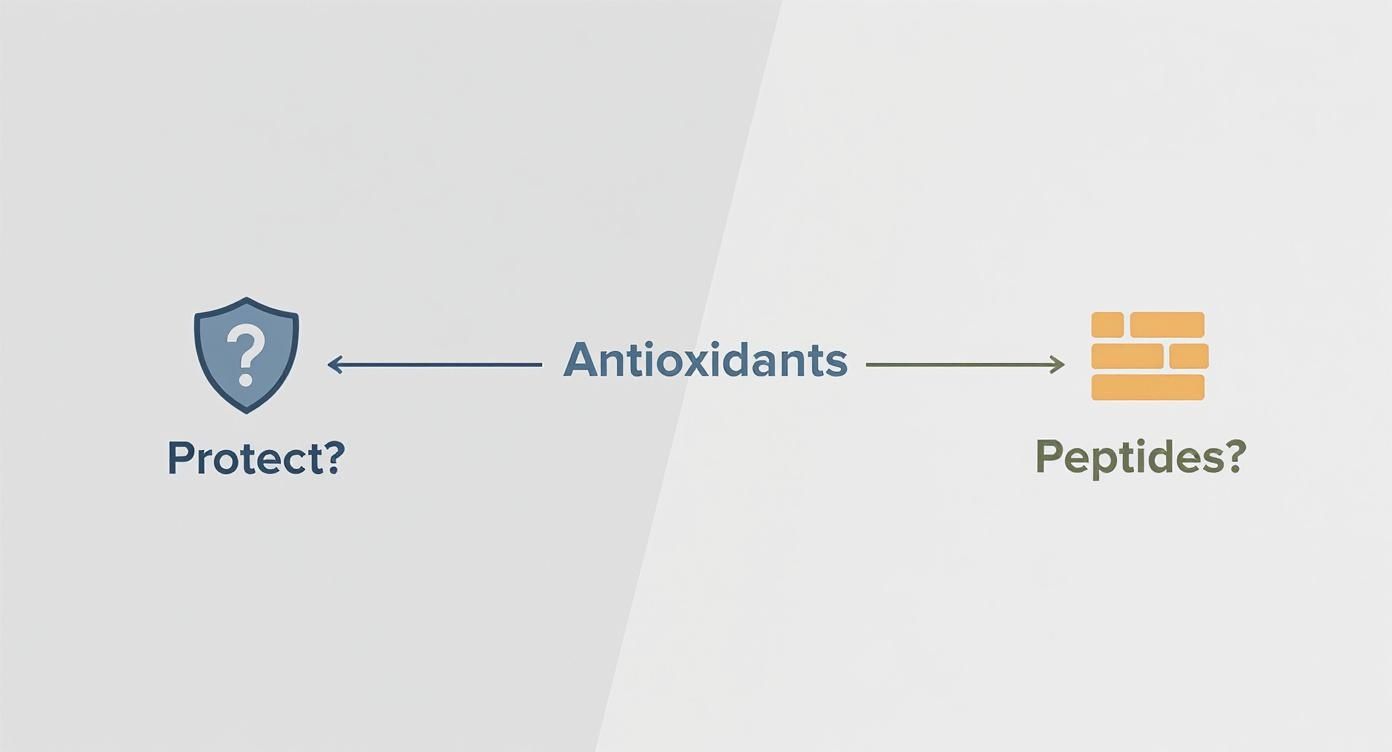
This simple visual helps clarify your primary goal: a protective strategy leans on antioxidants, while a rebuilding one is all about peptides. But both work best on a healthy, hydrated foundation.
Creating a Resilient Canvas
Weaving these hydrators into your routine isn't just about feeling good—it's a strategic play. A well-hydrated barrier creates a resilient canvas that can handle powerful ingredients like retinoids and acids with far less irritation. This means you can stick with your routine consistently, which is the key to getting better, faster results.
Your skin cannot effectively rebuild collagen or fight off damage if it's constantly battling dehydration and inflammation. Prioritizing barrier health is like priming a wall before you paint; it ensures the final result is smooth, even, and long-lasting.
The easiest way to give your skin this support is with a dedicated hydrating product. A well-formulated serum delivers a concentrated dose of these foundational ingredients right where you need them.
For instance, the BARB N.P. Hyaluronic Acid Serum is designed for intense, multi-layered hydration. It helps plump the skin from within, fortifying its natural defenses and creating the perfect base for your entire anti-aging regimen. To learn more about how it works, you can explore this guide to using a hyaluronic acid serum for dehydrated skin.
By focusing on hydration and barrier integrity first, you empower all the other amazing anti-aging ingredients in your arsenal to work at their absolute best. It’s the first, most fundamental step toward achieving truly healthy, youthful-looking skin.
How At-Home Technology Can Supercharge Your Results
Applying powerful anti-aging ingredients is a fantastic start, but what if you could give them a serious boost from within? This is where at-home technology steps in, working in tandem with your serums and creams to amplify their performance and deliver more profound, visible change.
Think of your skincare products as the fuel and at-home devices as the engine. The fuel is essential, of course, but the engine is what converts that potential into powerful, forward motion. One of the most effective and well-researched technologies for this job is LED (Light Emitting Diode) therapy.
Unlocking Cellular Energy with LED Therapy
LED therapy isn’t magic—it’s grounded in solid science. Specific wavelengths of light can penetrate the skin at different depths, triggering distinct cellular responses without a hint of damage or downtime. It’s like giving your skin cells a targeted energy drink to perform their jobs better.
Different colors of light have unique missions. Blue light, for instance, is famous for its ability to target and destroy acne-causing bacteria on the skin's surface. Amber light can help calm redness and promote a healthy glow.
When it comes to anti-aging, however, red light is the undisputed champion.
Red light therapy works by penetrating deep into the skin to energize the mitochondria—the "powerhouses" inside your cells. This boost in cellular energy supercharges collagen and elastin production, reduces inflammation, and improves circulation. The result is firmer, smoother, and more youthful-looking skin over time.
This isn’t just about adding another step; it’s about making every other step in your routine work harder. By stimulating these foundational processes, red light creates a more receptive and resilient environment for your powerful topical ingredients to truly shine.
Your Strategic Skincare Investment
Bringing this technology into your routine has never been easier, but choosing the right device is crucial for consistency and results. The Barb N.P. Facial Mask is an ideal tool designed to amplify the effects of your anti-aging regimen, transforming a clinical-grade treatment into a convenient, at-home experience.
What sets it apart is its thoughtful, practical design. Here’s what makes it a standout choice:
- A completely wireless design: This is a game-changer. You aren’t tethered to a wall, so you can move around, read a book, or just relax without being interrupted during your session.
- Exceptional comfort: The mask is engineered to rest comfortably on your face, ensuring you’ll actually look forward to using it consistently—and consistency is the ultimate key to success.
-
Three targeted lighting settings: This versatility lets you customize your treatment based on what your skin needs that day.
- Red Light: The go-to for anti-aging. It works to stimulate collagen and visibly reduce fine lines.
- Blue Light: Perfect for targeting breakouts and clarifying the skin when blemishes pop up.
- Amber Light: Excellent for calming inflammation, reducing redness, and promoting overall rejuvenation.
By pairing your peptides and retinoids with a device like the Barb N.P. Facial Mask, you're essentially creating a two-pronged attack against the signs of aging. Your topicals provide the essential building blocks, while the LED light energizes your skin cells to use those blocks more effectively. This strategic partnership is how you move from simply maintaining your skin to actively transforming it.
Your Top Anti-Aging Questions, Answered
Alright, let's talk about the real-world questions that pop up once you start building a routine. It’s one thing to know what retinol does, but it's another to figure out when you'll actually see results, how much you need to spend, and if you’re using too many products at once.
Think of it like getting into fitness. You don’t start by trying to lift the heaviest weights on day one. You begin with the fundamentals, stay consistent, and give your body time to adapt and get stronger. Skincare works the same way.
How Long Until I See a Difference?
Patience is probably the hardest part of any new skincare routine, especially when you’re using ingredients designed to make deep, structural changes. Timelines vary a lot depending on what the ingredient is doing and your skin's starting point.
-
Immediate Hydration (1-2 Days): You can feel the effects of hydrators like Hyaluronic Acid almost instantly. Skin will feel softer and look plumper, and those fine, papery lines from dehydration can smooth out within a couple of days.
-
Improved Radiance (4-8 Weeks): Antioxidants like Vitamin C get to work protecting your skin right away, but the visible brightening and evening of your skin tone typically takes four to eight weeks of consistent morning use.
-
Structural Changes (3-6 Months): This is the long game. This is for the true rebuilders like retinoids and peptides that need time to kickstart new collagen production. You’ll likely notice a smoother texture sooner, but a significant improvement in fine lines and firmness requires at least three to six months of dedicated use.
The single most important factor for success is consistency. An ingredient can only work if it's on your skin regularly. Skipping nights or giving up too soon is the number one reason people feel their products aren't working.
Can I Use Too Many Active Ingredients?
Yes, absolutely. It's one of the most common mistakes I see. In the rush for fast results, it’s so easy to pile on too many potent actives—like a retinoid, an AHA exfoliant, and a high-strength Vitamin C—and just overwhelm your skin.
This almost always leads to a damaged moisture barrier, which shows up as redness, peeling, sensitivity, and even new breakouts. The best approach is to pick one or two primary "workhorse" treatments and support them with the basics: a gentle cleanser, a good moisturizer, and—always—daily sunscreen. When you introduce a new active, give your skin a few weeks to get used to it before even thinking about adding something else.
What Are the Best Budget-Friendly Options?
Great skin doesn't have to cost a fortune. Many of the most effective, science-backed anti-aging ingredients are available in affordable products from trusted brands.
You don't need to splurge on every single step. If you're going to invest, focus that money on a powerful treatment serum packed with proven actives. That said, the single most critical and cost-effective anti-aging product you can buy is a broad-spectrum sunscreen that you love enough to wear every single day without fail. Sun protection is the non-negotiable foundation of any routine, at any budget.
At What Age Should I Start?
There's no magic number, but the philosophy of "prevention is better than cure" is everything in skincare. Most skin experts agree that the best time to start thinking "anti-aging" is in your early to mid-20s.
This doesn't mean a complicated, ten-step routine with harsh ingredients. It starts simply:
-
Early 20s: The focus should be 100% on prevention. This means a daily broad-spectrum SPF 30+ and a solid antioxidant serum in the morning to fight off environmental damage before it adds up.
-
Mid-to-Late 20s: As your natural collagen production starts its slow decline, you can consider introducing a gentle, over-the-counter retinoid a few nights a week. This is about getting ahead of the curve.
No matter your age, the best time to start protecting your skin from the sun is right now. It is the most powerful anti-aging step you will ever take.
At BotoxBarb, we believe in empowering you with both effective products and the knowledge to use them correctly. By pairing a strategic at-home routine with advanced tools like the Barb N.P. Facial Mask, you can significantly enhance your results. Explore our curated selection of medical-grade skincare and book a consultation to create a personalized plan for your skin's future at https://barbnp.shop.