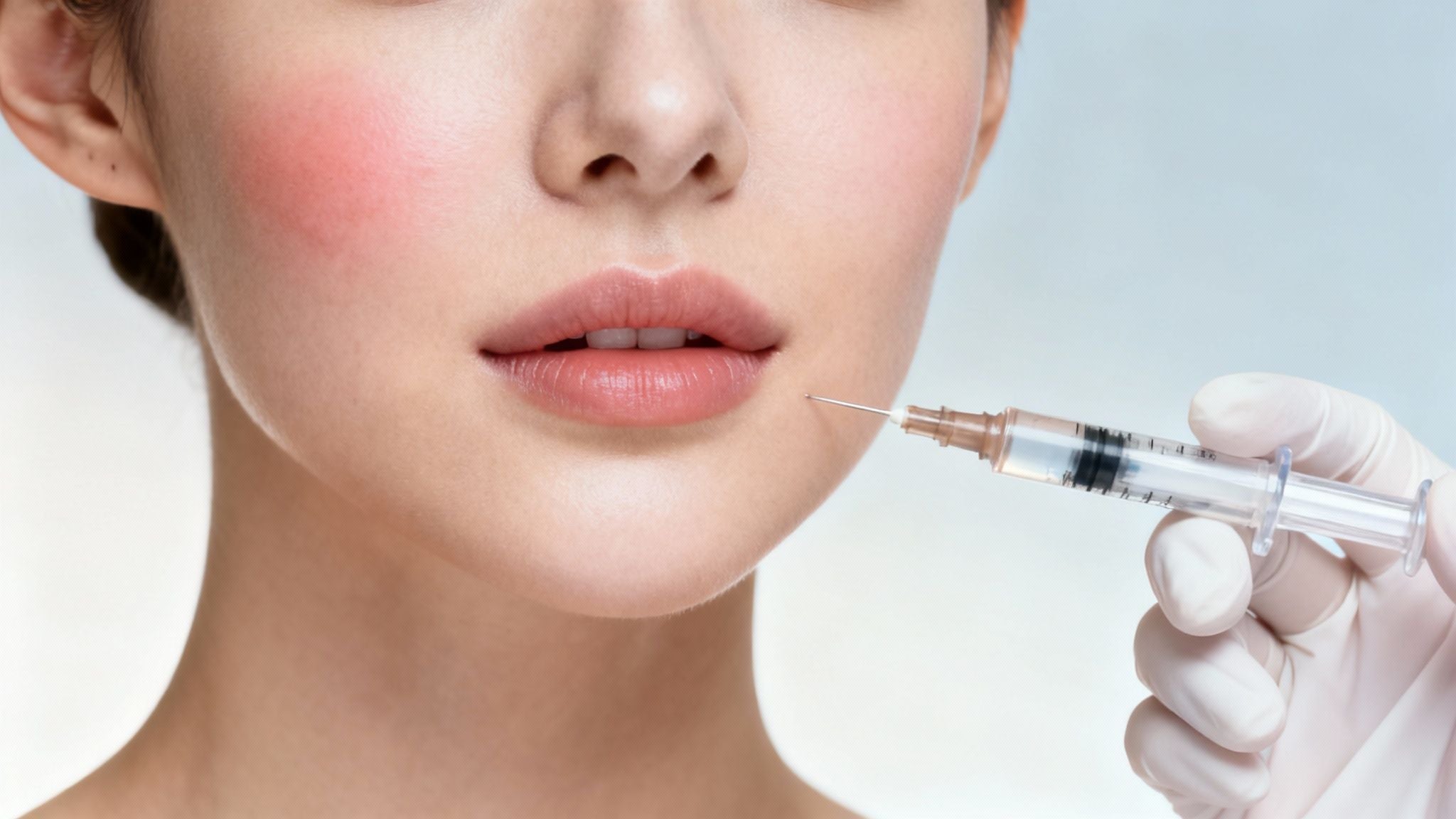
Dermal Fillers Side Effects: What You Need to Know Before Treatment
Dermal Fillers Side Effects can range from a bit of redness and swelling right after your appointment to very rare, serious vascular issues a few days later. Knowing how these reactions unfold makes it easier to tell what’s normal and when you should seek help.
Quick Overview Of Dermal Fillers Side Effects
When you leave the clinic, your cheeks might feel as if they’ve been misted by dew—soft, slightly puffed, and tender.
Most of that initial puffiness and any mild bruising settles down within 5–7 days, gently fading away on its own.
That said, if you notice sharp pain or an unusual color change, it’s time to pick up the phone and call your injector.
Understanding Reaction Phases
Think of your skin’s response like four distinct seasons.
Spring (0–24 hours): A light shower of redness and mild swelling. Applying an ice pack is like a gentle spring rain quelling inflammation.
Summer (1–3 days): Swelling peaks, much like lush foliage after a good storm.
Autumn (4–7 days): Bruising can appear as if leaves are softly drifting to the ground.
Winter (1–3 days, rare): Vascular occlusion may develop, and just like frostbite demands warmth, this sign needs urgent attention.
Here’s a quick timeline to keep on hand:
- Immediate (0–24 hours): Redness and mild swelling
- Day 1–7: Bruising and slight firmness
- Rarely after Day 1: Pain with color change—possible vascular compromise
Key Insight: Swelling often tops out by 48 hours, then retreats like morning dew under the rising sun.
Consider a nightly 10-minute session with the Barb N.P. Facial Mask, a wireless LED device that contours comfortably and offers three light settings for anti-inflammatory, rejuvenation, and circulation-boosting treatments, to soothe side effects and enhance recovery.
When To Seek Help
Red flags include intense swelling, persistent discoloration beyond the treated area, or a cold, numb feeling.
Simple at-home steps can help minor cases:
- Light massage around the edges to disperse filler evenly
- Cold compresses for 10 minutes every hour to calm puffiness
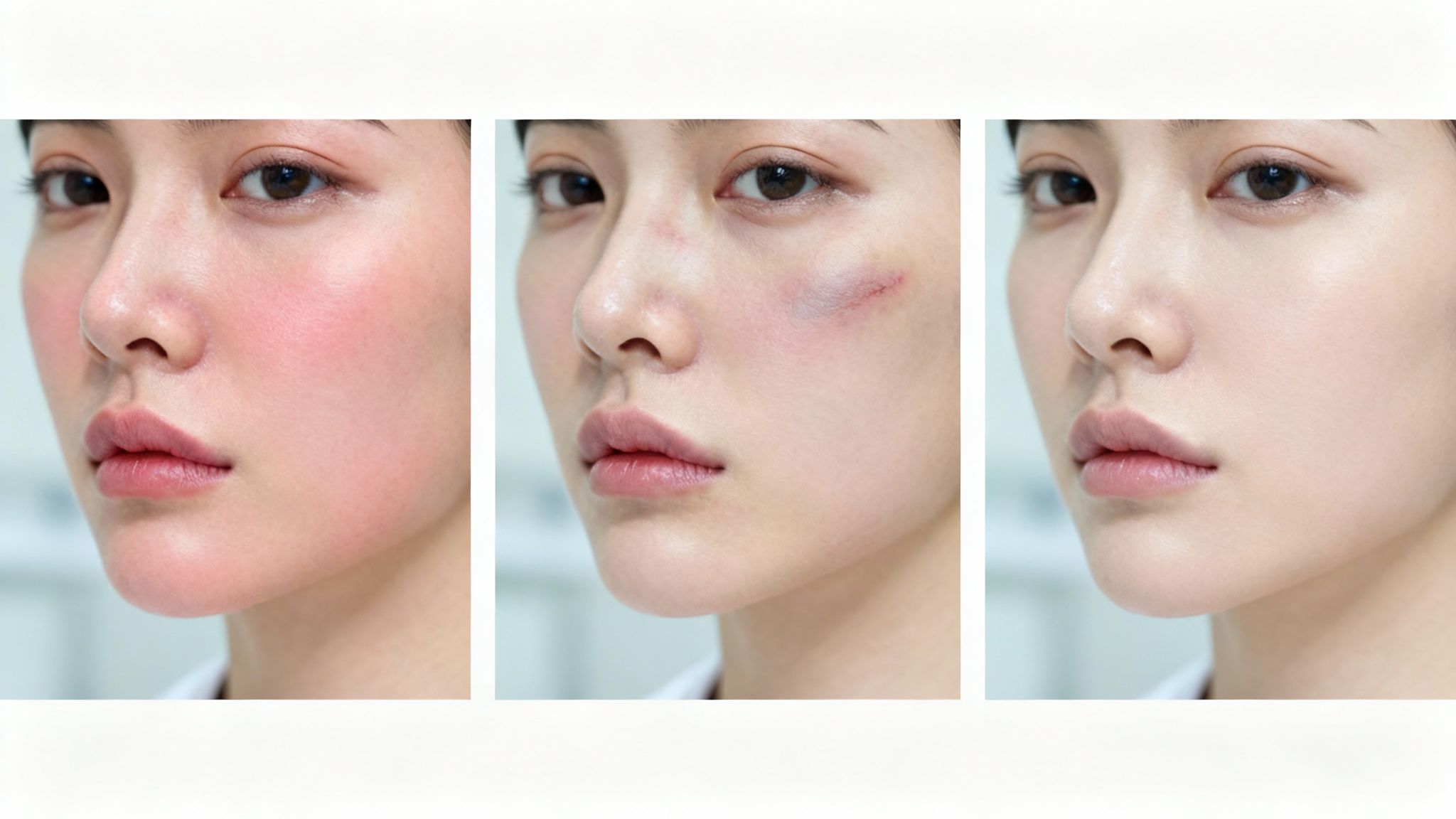
This image shows how hyaluronic acid gels integrate beneath the skin, restoring volume and smoothing fine lines.
Learn more about how dermal fillers work in our detailed guide.
Summary Of Dermal Filler Side Effects
Below is a quick-reference table to help you spot key reactions by timing, incidence, and severity.
| Side Effect | Timing | Incidence | Severity |
|---|---|---|---|
| Redness | 0–24 hours | 80% | Mild |
| Swelling | 0–48 hours | 60% | Mild to Moderate |
| Bruising | 1–7 days | 40% | Mild |
| Tenderness | 0–3 days | 50% | Mild |
| Vascular Occlusion | 1–3 days | <1% | Severe |
Mapping each side effect to its phase lets you handle minor reactions at home and zero in on warning signs that need professional care.
Next, we’ll cover targeted aftercare steps to reduce discomfort and speed healing.
Staying hydrated supports skin recovery and yields smoother results daily.
Consult your injector for personalized guidance.
Understanding Common Side Effects
Most patients notice some swelling, bruising, redness, tenderness or mild asymmetry after dermal filler injections. Think of it like a small sprain—your body sends in fluid and shows color changes under the skin as a protective response.
These reactions are normal and usually short-lived. With a few simple steps, you can ease discomfort and speed up recovery.
Frequent Early Symptoms
- Swelling peaks around 48 Hours then eases by Day 7.
- Bruising may show as purple or blue spots near the injection sites during the first week.
- Redness and warmth feel like a light sunburn and generally disappear in a few days.
- Mild asymmetry can appear as the product settles—gentle massage often smooths things out.
For example, Sarah felt her lips swell two hours after her appointment and saw tiny bruises by evening. She applied ice packs every hour and was nearly healed by Day 5.
“Swelling often tops out by 48 hours, then fades like morning dew under the rising sun.”
At Home Care Tips
A few thoughtful habits can accelerate healing and keep you comfortable.
Hydration supports tissue repair, and gentle massage helps the filler integrate evenly.
- Wrap ice packs in a thin cloth and apply for 10 minutes every hour during the first 48 Hours.
- Start circular massages on Day 3 to disperse product evenly.
- Drink at least 8 Glasses of water each day.
- Try the Barb N.P. Facial Mask nightly to soothe inflammation, boost circulation, and support collagen production.
This wireless LED mask offers three settings—anti-inflammatory, rejuvenation, and circulation.
Patient Examples And Tips
Maya used a soft ice “helmet” for 15 minutes, then gently massaged her cheeks. Within two days, her puffiness was cut in half.
Adding the Barb N.P. LED mask each evening helped her redness fade faster. By morning, her skin felt noticeably firmer.
When To Seek Professional Help
Most side effects settle quickly, but watch for these warning signs:
- A sharp surge in swelling with severe throbbing pain
- Skin turning grey, blue, or chalky white
- Persistent swelling past Day 7 or new asymmetry that won’t budge
- A cold or numb sensation around the injection site
- Blurred vision or any visual disturbances after treatment
Prompt evaluation can prevent serious dermal filler complications and protect your skin’s health.
In clinical observations, 60% of patients report swelling and 40% notice bruising after filler injections. Although more than half see puffiness by Day 2, most are back to normal within a week.
Mild asymmetry often self-corrects as filler integrates. If unevenness remains after a week, a quick follow-up can adjust or dissolve the product.
For redness and warmth, early cooling plus the Barb N.P. LED mask really calms inflammation. Bruising comes from tiny capillary breaks—topical arnica or vitamin K creams can help it fade faster.
- Arnica topical applications support bruise resolution.
Tip: Keep your head elevated on pillows for 48 hours to reduce fluid buildup.
Gentle facial movements maintain healthy blood flow without stressing treated areas. Over-the-counter acetaminophen can ease tenderness—just avoid NSAIDs before treatment unless recommended by your injector.
Key Takeaways
- Swelling peaks by Day 2 and subsides by Day 7.
- Stay hydrated, rest, and follow gentle cooling and massage routines.
- Seek professional help for severe pain, numbness, or unusual discoloration.
Exploring Serious Vascular Complications
Think of your facial blood vessels as a network of narrow tunnels carrying life-giving oxygen to every layer of skin. When dermal filler accidentally blocks one of these pathways, it’s like setting up a sudden roadblock—tissue downstream goes into “traffic jam” mode, known medically as ischemia. Spotting trouble right away is your best defense against lasting damage.
High Risk Zones In Facial Anatomy
Certain areas of the face run on “one-way streets” with fewer backup routes. Mistakes here can have bigger consequences.
- Glabella: The space between your brows houses direct arterial branches.
- Nasolabial Folds: Deep smile lines sit atop major vessel forks.
- Nasal Dorsum: Thin skin overlies tiny, delicate vessels.
Below is a quick look at how often vascular complications show up in these key injection sites.
The following table compares reported ischemic complication rates so you know which zones demand extra caution:
Incidence Of Vascular Complications By Injection Site
| Injection Site | Percentage Of Complications |
|---|---|
| Glabella | 38% |
| Nasolabial Folds | 28% |
| Nasal Dorsum | 15% |
| Other Facial Regions | 19% |
Focusing on these hotspots during your consultation and injection planning can significantly reduce risk.
Signs Of Vascular Compromise
Early warning signs often look dramatic—and demand immediate action. Keep an eye out for:
- Intense Pain: Sharp, throbbing pain that’s worse than normal injection discomfort.
- Blanching: Sudden whitening around the treated area.
- Mottled Discoloration: Skin turning grey, blue, or patchy within minutes.
“If you see blanching or feel disproportionate pain—even seconds after injection—call for help immediately.”
One patient noticed her nasolabial fold go ghost-white just half an hour post-treatment. Prompt hyaluronidase stopped the occlusion in its tracks and spared her skin.
Visual Data On Common Side Effects
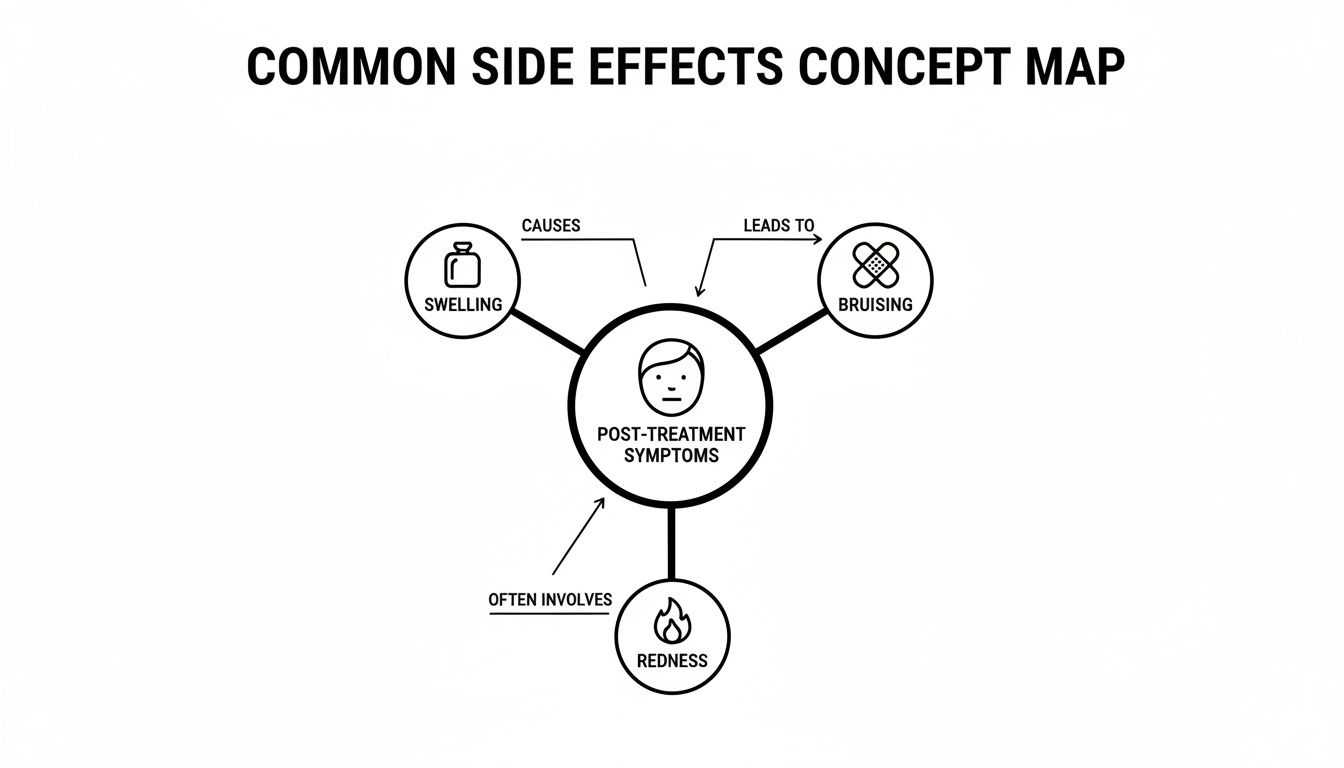
This infographic breaks down how often mild reactions like swelling and bruising occur versus rare vascular events—and where they tend to pop up on the face.
Emergency Steps And Aftercare
Swift, decisive steps can make all the difference when vascular occlusion is suspected:
- Stop the injection immediately.
- Gently massage to spread the filler.
- Inject hyaluronidase along the vessel pathway.
- Apply warm compresses to boost circulation.
Extra tips for recovery:
- Check skin temperature every hour and note any cold spots.
- Keep your injector on speed dial for ongoing guidance.
- Hydrate well to support tiny capillaries.
Once we dissolve the filler, I often recommend the Barb N.P. Facial Mask—a wireless LED device with three light settings. It helps reduce inflammation, stimulate collagen, and speed up healing.
Understanding Complication Incidence
Hyaluronic acid fillers carry a small but real risk of vascular issues—ischemic events account for about 51.9% of reported complications. You can dive deeper into these findings at the National Library of Medicine.
That high percentage underscores why precise anatomy mapping and fast intervention are non-negotiable in every treatment.
Next Steps For Safe Treatment
If anything feels off—sharp pain, skin color changes, sudden coldness—reach out to your injector right away. At BotoxBarb, our team is ready to administer emergency hyaluronidase, monitor your progress, and ensure your skin comes back strong.
Identifying Late Onset Complications
Weeks—or even years—after a filler treatment, you might notice unexpected changes beneath the surface. It’s as if an old scar has reopened, reminding you that your body is still interacting with that filler material.
When immune activity or filler breakdown kicks in, you may see:
- Nodules: Firm, movable bumps appearing alone or in small clusters
- Granulomas: Inflammatory pearls under the skin
- Biofilm Infections: Bacteria cloaked within filler, causing persistent irritation
- Tyndall Effect: A bluish cast when filler sits too close to the surface
Distinguishing Biofilm And Hypersensitivity
Biofilm infections tend to creep in slowly—low-grade redness and painless nodules showing up weeks later. Think of it like a hidden ember that flares with subtle warmth.
Hypersensitivity, on the other hand, arrives fast and furious. You’ll see itching, swelling or tender lumps that calm down with steroids instead of antibiotics.
“A simple test: if antibiotics don’t help, you’re likely dealing with an immune overreaction.”
Biofilm Indicators
- Gradual redness and discomfort
- Nodules that won’t soften with massage
- Often follows a trigger like a viral illness
Hypersensitivity Indicators
- Rapid swelling and itchiness
- Firmness that eases with corticosteroids
- Frequently tied to shifts in your immune system
Case Study Examples
Emma spotted a small, painless bump on her cheek eight months after her treatment. It refused to budge under massage. A culture confirmed a bacterial biofilm, and targeted antibiotics cleared it up.
Marco, by contrast, noticed tender granulomas along his jawline two years post-procedure. Steroid injections helped, but when the lumps lingered, minor surgical removal did the trick.
Interestingly, nodules top the list of serious filler events—1,038 cases in FDA post-market surveillance, mostly linked to hyaluronic acid and permanent fillers. Read the full FDA report on late onset complications.
Treatment Options And Management Steps
Handling late onset issues usually takes a multi-step plan:
- Diagnosis: Have your injector assess lumps visually and with ultrasound
- Antimicrobials: Prescribe antibiotics for biofilm
- Immune Modulation: Use corticosteroids for hypersensitivity flares
- Enzyme Therapy: Inject hyaluronidase to dissolve hyaluronic acid nodules
- Surgical Intervention: Excise stubborn granulomas or nodules as a last resort
- Keep a photo diary to track progress
- Schedule regular check-ins until you’re clear
- Watch for fever or spreading redness—seek urgent care if needed
Aftercare And Prevention
Good aftercare is your best defense against flare-ups. Gentle massage helps integrate the filler, and recovery tools can soothe emerging inflammation.
Wireless LED Facial Mask from Barb N.P. features:
- Contours to your face for hands-free comfort
- Three light modes: anti-inflammatory red, healing near-infrared, rejuvenation blue
- Quick, 10-minute nightly sessions to boost circulation
When To Seek Urgent Care:
- Lumps grow quickly or become intensely painful
- Redness spreads or you develop a fever
- New nodules appear with systemic symptoms
Connect with the BotoxBarb team for personalized next steps. Our expert injectors use advanced mapping to minimize risk—and clear action plans if late onset issues arise. Early intervention prevents lasting marks and gives you real peace of mind. Always ask about red-flag signs and expected timelines at your next appointment.
At BotoxBarb, we offer prompt consultations and tailored treatment journeys to resolve late onset complications swiftly and effectively.
Preventing And Managing Side Effects
Minimizing dermal filler side effects starts well before your appointment. Think of it like prepping soil before you plant a garden: the right groundwork leads to healthier blooms. In fact, choosing an injector with the right skills and technique can reduce 90% of mild swelling.
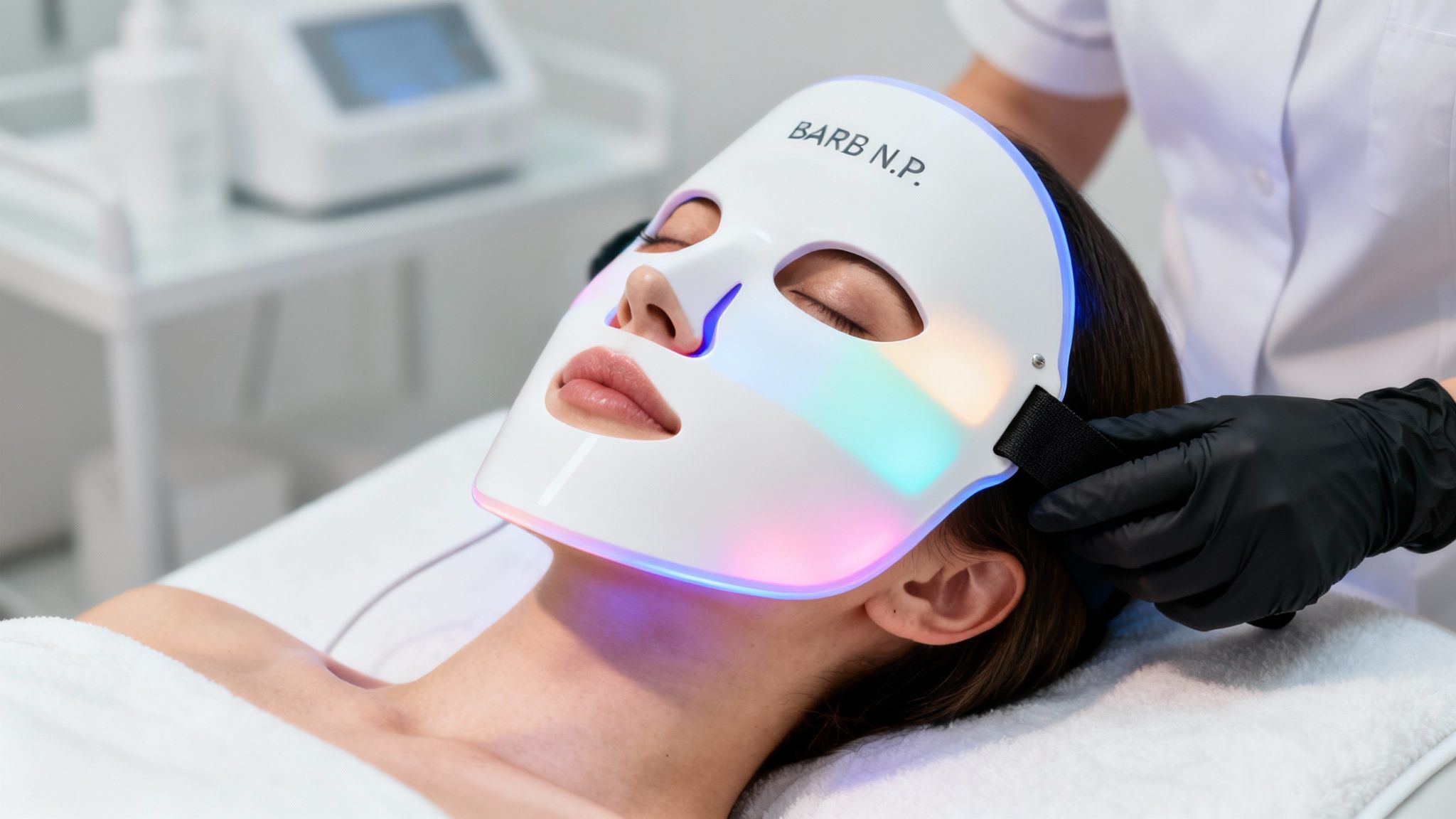
Injector Techniques
-
Anatomical Mapping
By charting safe zones in advance, your injector avoids the “traffic jams” of facial vessels. It’s like using GPS on a busy highway. -
Gentle Aspiration
A quick pull-back ensures you’re not in a blood vessel—much like checking for air bubbles before pumping up a bike tire. -
Cannula Versus Needle
When possible, a blunt-tip cannula glides under the skin, cutting bruising and vascular risk.
“Accurate mapping and aspiration are the first line of defense against vascular occlusion,” notes Barb N.P.
Post Treatment Care Rituals
-
Controlled Massage
Starting on Day 3, light circular strokes help the filler settle evenly and smooth out any bumps. -
Cold Compresses
Use for 10 minutes every hour during the first 48 hours to soothe inflammation and limit puffiness. -
Optimal Hydration
Aim for 8 glasses of water a day—hydrated tissue heals faster. -
Wireless LED Facial Mask
The Barb N.P. Facial Mask offers three light settings:- Red for calming inflammation
- Near-infrared to boost collagen
- Blue to encourage circulation
Tip: Keep your head elevated on pillows for 48 hours to prevent fluid build-up.
You might also like our guide on What To Do Before Getting Lip Fillers for detailed pre-treatment steps.
Monitoring And Follow-Up
Even the best prep and care can’t replace vigilance. Set aside a few minutes each day to check your treated areas in natural light.
- Look for changes in color, temperature, or size around the injection sites.
- Snap a quick photo each morning to spot trends over time.
- Pay attention to persistent itchiness or discomfort.
Watch for these warning signs:
- Severe pain lasting beyond 2 hours
- Skin discoloration—grey or blue patches
- Numbness, tingling, or coolness in the area
- Blistering, ulceration, or open sores
“Early detection and prompt communication with your injector are the best defenses against lasting damage.”
If any of these occur, contact your provider immediately. A swift dose of hyaluronidase can often reverse vascular blockages in minutes. Then, plan a follow-up about 7 days after your treatment so your injector can:
- Review your healing progress
- Tweak any asymmetries or uneven areas
- Schedule extra LED Facial Mask sessions if needed
Below is a quick reference table for common warning signs and actions to take:
| Warning Sign | Recommended Action |
|---|---|
| Sharp, throbbing pain | Call injector immediately |
| Unusual skin discoloration | Seek same-day assessment |
| Persistent swelling | Apply cold packs and monitor |
| Numbness or coolness | Visit clinic for evaluation |
Consistent monitoring and proactive care complete the circle of prevention and management. By combining injector expertise, controlled aftercare rituals, and timely follow-up, you minimize the risk of dermal filler side effects.
Integrate the Barb N.P. Facial Mask into your post-treatment routine for up to 10 minutes nightly. Its three light modes continue to support collagen production, soothe inflammation, and improve circulation.
Ready to experience informed care with real support? Book your consultation with the BotoxBarb team today at BotoxBarb.
Choosing Your Injector And Asking Questions
Selecting a skilled injector is your best defense. When you pick the right pro, you’re setting yourself up for a smoother journey and fewer surprises.
Injector Credentials And Clinic Standards
Before you book, dig into:
- Board Certification in dermatology, plastic surgery or nursing.
- A valid Medical License with no disciplinary flags.
- Consistent, up-to-date Sterile Techniques plus rigorous infection control.
- Clear Emergency Protocols for issues like vascular occlusion or severe allergic reactions.
These aren’t boxes to tick—they show you’re in safe hands. Meeting these standards gives you peace of mind long before the first needle touches your skin.
Key Consultation Questions
Walk into your consultation with a plan. Ask:
- Which filler product are you using and why?
- How deep will the injections go—and what technique do you favor?
- What does your aftercare look like? Do you offer follow-up visits or on-call support?
- Is hyaluronidase on site for emergency filler reversal?
- Have you integrated the Barb N.P. Facial Mask into your post-care routine?
“A candid conversation today means fewer curveballs tomorrow,” says Barb N.P.
Curious about filler options? Our deep dive on what are the best facial fillers covers everything you need.
At BotoxBarb, our injectors average over 10 years of hands-on aesthetic practice. We perform more than 1,000 filler treatments every year. Plus, we keep hyaluronidase at the ready so we can act fast if a vascular concern pops up.
| Feature | Why It Matters |
|---|---|
| Team Experience | Expert skill reduces side-effect risks |
| On-site Hyaluronidase | Immediate response to potential occlusion |
| Patient-First Safety | No-pressure, customized treatment plans |
Booking Your No-Pressure Consultation
Our appointment process is simple:
- Visit our website or call during business hours.
- Fill out a short health history form.
- Pick a consultation slot that fits your schedule—no strings attached.
During your visit, ask to see before-and-after photos, discuss your timeline, and explore the benefits of the Barb N.P. Facial Mask. This wireless LED mask molds to your face and features 3 light settings: anti-inflammatory red, collagen-boosting near-infrared, and circulation-enhancing blue. A quick 10-minute session each night helps reduce swelling and speed recovery.
Starting with clear communication is the best way to avoid complications down the road.
Book your consultation with BotoxBarb today and take the first step toward a safer filler experience.
Patient Testimonials And Support
Our patients often tell us they feel confident and informed from day one:
- “I was nervous at first, but they walked me through every step. I felt completely at ease,” says Marisol.
- John adds, “They had a plan for every ‘what if.’ That level of preparedness is rare.”
From post-treatment check-ins to 24/7 on-call advice, we’re here for you long after the injections.
Explore more tips on preventing dermal filler side effects and connect with our team for guidance at every turn. Then, schedule your no-pressure consult and get the answers you need to feel secure and informed.
Frequently Asked Questions
Curious about dermal filler side effects? These quick, expert-backed answers cut through the noise and steer you toward smart next steps.
Put these tips into practice right after your appointment. They’ll help you minimize downtime and ease any nagging discomfort.
Common Side Effects And Timing
Mild swelling is your body’s way of settling the product—think of it like the soft puff that follows a gentle spring shower.
You may also notice redness, swelling, and bruising. Most of these reactions peak at 48 hours and fade by Day 7.
- Redness: 0–24 hours
- Swelling: peaks at 48 hours
- Bruising: may last 1–7 days
- Tenderness: typically mild for 2–3 days
A cold compress and light massage can shave days off your recovery. Dive deeper into timing and care in the Quick Overview Of Dermal Fillers Side Effects section.
Reducing Risk Before Treatment
A smooth experience starts long before you walk into the clinic. Choose a board-certified injector, be upfront about your health history, and follow every pre-care guideline.
- Confirm your injector is board certified in dermatology or plastic surgery
- Skip blood thinners and alcohol for 48 hours beforehand
- Keep your face makeup-free and cleansed on injection day
- Try the Barb N.P. Facial Mask for gentle LED therapy after treatment
- Hold off on intense workouts for 24 hours after your session
Staying well-hydrated and rested is like giving your skin the nutrients it needs. For a complete playbook, check out the Preventing And Managing Side Effects section.
Symptoms Signaling A Serious Complication
Not all discomfort is routine. Certain warning signs demand immediate attention. Be on the lookout for intense pain, unusual color shifts, or new numb patches around the injection area.
- Severe, throbbing pain beyond normal soreness
- Blanching or a greyish/blue hue
- Rapid swelling accompanied by firm lumps
- Vision changes or sudden loss of sight
- Fever that won’t quit or spreading redness
If you’re unsure, call your injector right away.
We cover urgency and hyaluronidase intervention in the Exploring Serious Vascular Complications section. When it comes to vascular issues, every minute counts. At the first hint of blanching, pause all activities and reach out to your provider.
Reversal And Management Options
When hyaluronic acid becomes a problem, hyaluronidase is your fast-acting ally. Other late-onset complications call for steroids, antibiotics, or sometimes minor surgery.
- Hyaluronidase: dissolves HA filler in minutes
- Corticosteroids: calm inflammatory nodules and granulomas
- Antibiotics: tackle stubborn biofilm infections
- Surgical Excision: removes persistent lumps if needed
- Barb N.P. Facial Mask: use nightly to boost glow and counter inflammation
Sit down with your injector to map out an immediate response plan. Identifying Late Onset Complications has full treatment details. Don’t forget to photograph your progress—it helps your injector track subtle changes.
Ready to navigate your dermal filler journey with confidence? Visit BotoxBarb.