How Long Do Filler Last A Guide to Longevity and Results
If you've ever asked, "how long do fillers last?" you've probably heard the standard answer: 6 to 18 months. While that’s a decent starting point, it barely scratches the surface. The truth is, many modern fillers can last much longer—some for two years or even more.
The final result isn't a simple numbers game. It’s a delicate interplay between the specific product used, your own unique body, and the skill of your injector.
Your Guide to Understanding Filler Longevity
Thinking about filler longevity isn't like checking an expiration date on a carton of milk. It’s a dynamic process, a blend of science, artistry, and your own lifestyle choices. The duration of your beautiful results isn't random; it's a predictable outcome when you understand the key factors at play.
The biggest variable, right out of the gate, is the type of filler itself. Different formulas are engineered for different jobs and are designed to last for different lengths of time. On top of that, your body’s metabolism plays a huge role in how quickly it naturally breaks down and absorbs the product.
Key Factors At a Glance
The infographic below breaks down the three core pillars that determine how long your fillers will last: the product itself, your personal biology, and your injector's expertise.
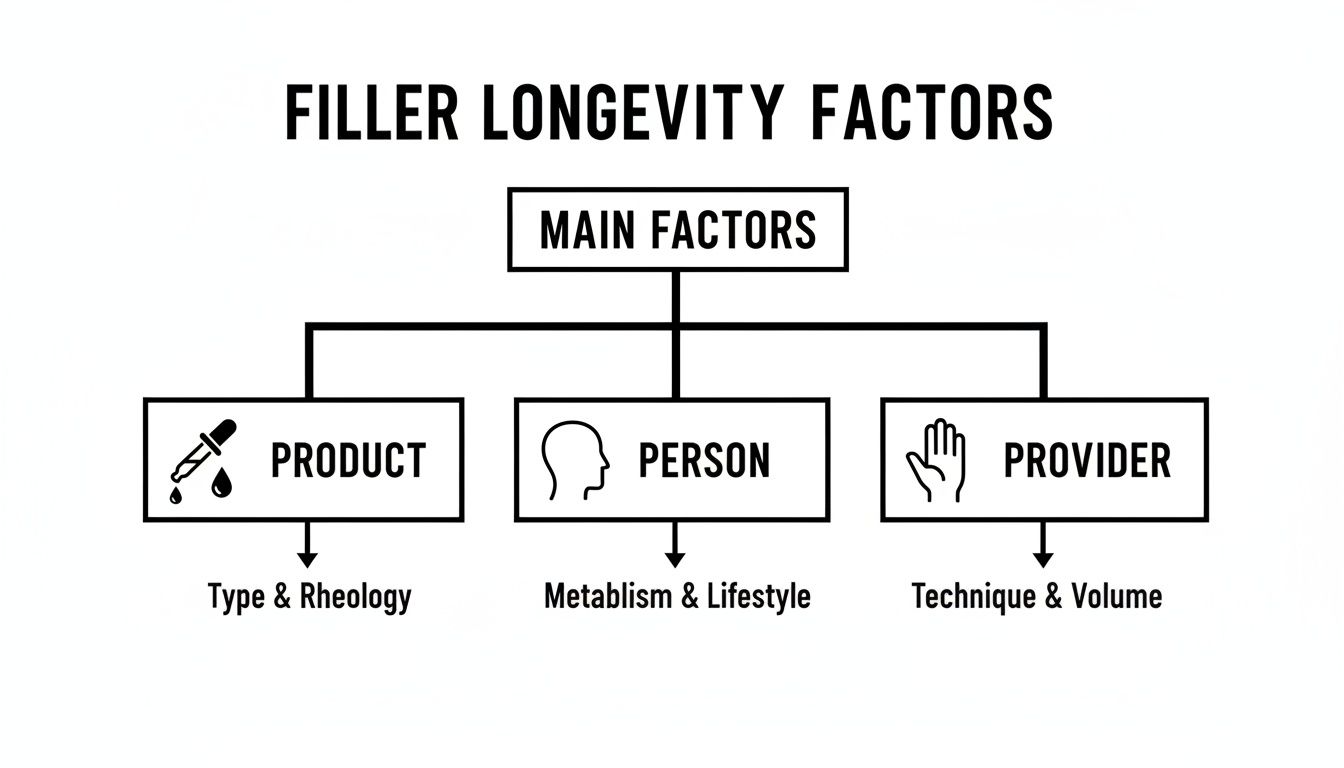
This visual makes it clear: achieving long-lasting, natural-looking results is a true partnership between the right product, your body, and a skilled provider who knows exactly how to work with both.
We've come a long way. Back in the early 2000s, most fillers were gone in about three months. Today, thanks to incredible advances in cross-linking technology in brands like Juvéderm and Restylane, the game has completely changed. Most hyaluronic acid products now last 6–18 months, and some of the more robust formulas are FDA-approved for up to 24 months in areas like the cheeks.
While this guide is all about cosmetic fillers, the concept of how long something remains effective is a critical principle across many medical fields. For an interesting comparison, you might want to look into understanding the validity period of medical certifications.
Breaking Down the Science of Different Filler Types
Not all fillers are created equal, and their unique composition is the biggest factor in how long they last. Think of it like choosing building materials—you wouldn’t use plywood for a skyscraper, and you wouldn't use steel beams for a garden shed. Each material has a purpose, and it's the same with fillers.
The most popular category by far is Hyaluronic Acid (HA) fillers. You’ve probably heard of brands like Juvéderm and Restylane. Hyaluronic acid is a sugar molecule your body already makes to keep your skin hydrated and plump. These fillers are essentially biocompatible gels, engineered with different thicknesses to last anywhere from 6 to 24 months.
Temporary and Collagen-Stimulating Fillers
While HA fillers are the go-to for many treatments, other types bring different benefits to the table. For instance, Calcium Hydroxylapatite (CaHA), the key ingredient in Radiesse, gives you immediate volume but also has a unique dual action.
Beyond just filling, the tiny CaHA microspheres act as a scaffold, encouraging your body to ramp up its own natural collagen production. This process helps maintain your results long after the filler itself breaks down, with results often lasting 12 to 18 months. It's a fantastic option for creating strong structural support in areas like the cheeks and jawline.
Another powerful collagen stimulator is Poly-L-lactic Acid (PLLA), found in Sculptra. Unlike fillers that give you an instant "wow," PLLA works more gradually.
It acts as a bio-stimulator, kicking your body’s collagen-building factories into gear over several months. The result is a subtle, incredibly natural-looking restoration of facial volume that can last for two years or even longer.
If you're curious about the fundamentals of how these substances add volume and structure under the skin, you can dive deeper into our guide on how dermal fillers work.
The Longest-Lasting Option
For those looking for the most durable results, there’s a semi-permanent option known as Polymethylmethacrylate (PMMA). The brand name you'll see is Bellafill, which uses tiny, biocompatible microspheres suspended in a smooth collagen gel.
When injected, the collagen provides immediate volume, but the real magic comes from the PMMA microspheres. They stay put, creating a lasting framework that your own skin can build upon. This makes it a significantly longer-lasting solution compared to other fillers.
Understanding these key differences is the first step toward having a truly productive conversation with your provider. When you know the basics, you can align your expectations with the specific product being recommended and ask the right questions. This knowledge empowers you to co-create a treatment plan that delivers the beautiful, lasting results you’re looking for.
Personal Factors That Influence Filler Duration
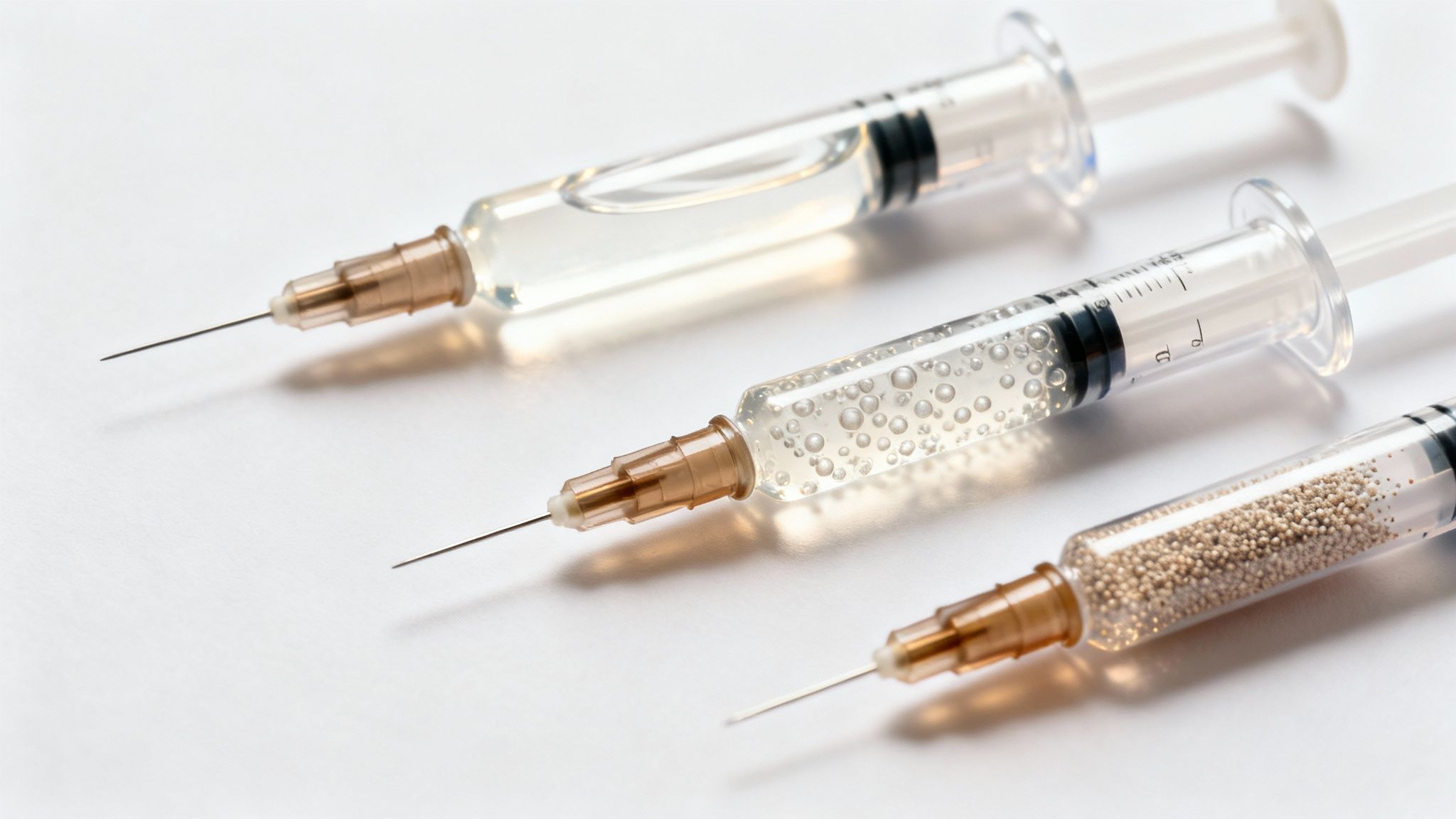
Have you ever wondered why your friend's lip filler seems to last forever, while yours fades a bit faster—even with the same product? The answer isn't just what’s in the syringe. It’s also about your unique body chemistry and daily habits.
Think of it like this: some people have a naturally faster metabolism and burn through calories quicker. The same concept applies to fillers. If you have a high metabolic rate, your body may simply break down and absorb hyaluronic acid fillers more rapidly. This is completely normal and a key reason why results can vary so much from person to person.
Where You Place Filler Matters
The location of your filler is another huge piece of the puzzle. An easy way to understand this is to compare a quiet side street to a bustling city highway. The highway sees constant traffic and wears down faster, right? The same is true for your face.
Areas with a lot of movement put more stress on the filler.
- High-Movement Areas: Think about your lips and the lines around your mouth (nasolabial folds). They're always moving when you talk, smile, and eat. Fillers here tend to have a shorter lifespan.
- Low-Movement Areas: In contrast, fillers placed in more static spots like the cheeks, under-eye tear troughs, or chin don't face as much mechanical stress. This allows them to hold their shape and volume for much longer.
Because of this, longevity is never a single number; it's a range. While HA fillers generally last 6 to 24 months, treatments in the midface often lean toward that longer end of the spectrum. Lips, on the other hand, are typically on the shorter end. To learn more about specific timelines, you can find a breakdown on how long different dermal fillers last.
Your Lifestyle and Skincare Routine
Your daily habits play a surprisingly big role in how long your results stick around. Unfortunately, certain choices can speed up how quickly your body metabolizes the filler.
An active lifestyle is fantastic for your health, but very high-intensity exercise can boost your metabolism, potentially shortening filler duration. Similarly, significant sun exposure without proper SPF protection and smoking can degrade both filler and your natural collagen.
On the flip side, a great skincare routine can help you get the most out of your investment. Staying hydrated and using medical-grade products helps maintain your skin's health, creating the perfect environment for your filler to thrive.
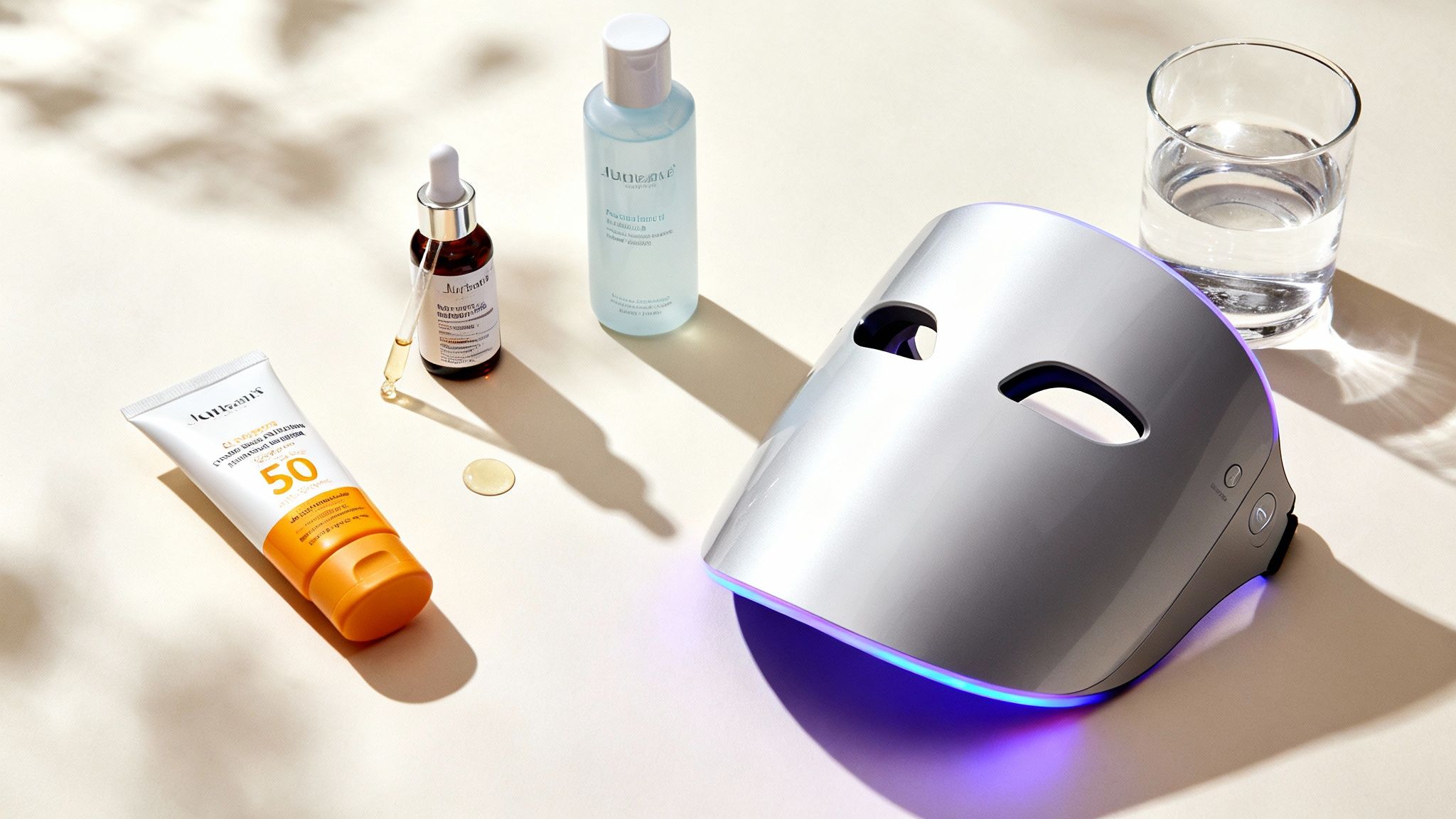
To take your at-home care a step further, a device like the Barb N.P. LED Facial Mask can make a real difference. Its comfortable, wireless design makes it easy to use regularly. The mask offers three distinct light settings—red light to support collagen, blue to calm acne, and amber to reduce redness—helping maintain your skin's overall vitality and complementing the beautiful results of your filler treatment.
The Hidden Truth About Filler Persistence
For years, the aesthetic world ran on a simple assumption: your filler lasts about a year, then it’s gone. But recent science is flipping that idea on its head. Thanks to groundbreaking imaging studies using MRI and ultrasound, we’ve uncovered a surprising truth—filler often sticks around in your tissue far longer than anyone realized.
This isn’t a small detail; it’s a complete shift in how we think about filler treatments. While the visible plumping and smoothing effects might soften over 12 to 24 months, a significant amount of the product can remain for years, sometimes even over a decade, long after you assume it’s disappeared.
What Science Is Telling Us
This new understanding comes from advanced imaging that lets us peek beneath the skin’s surface. What the research shows is that hyaluronic acid (HA) fillers are much more durable than their visible effects let on.
One incredible magnetic resonance imaging (MRI) study blew the old 6 to 24-month timeline out of the water. It revealed that HA fillers in the midface can persist for a very, very long time. In the study, filler was still found in 100% of patients two years after their treatment. Even more shocking, some cases showed HA was still present up to 15 years after the last injection. You can dive into the details in the full study about filler persistence.
A New Approach to Touch-Ups
So, what does this mean for your treatment plan? It means that when you come in for a touch-up, you’re almost never starting from scratch. We’re actually building upon a foundation of filler that’s still integrated into your tissue. This discovery is guiding expert injectors like Barb N.P. to embrace a more conservative “less is more” philosophy for maintenance.
By recognizing that we are adding to a lasting base, we can avoid the risk of overfilling and achieve more natural, sustainable results. This approach helps prevent the puffy or unnatural look that can occur from repeatedly adding too much product over time.
This knowledge also highlights just how crucial it is to choose a highly skilled injector. A provider who understands this hidden persistence can make more precise, subtle adjustments during your follow-up appointments. While understanding these details helps you appreciate your results, it's also smart to be aware of how your body might react. You can learn more by reading our guide on dermal fillers side effects. This smarter approach ensures your aesthetic journey is graceful, beautiful, and perfectly suited to your long-term goals.
Practical Ways to Extend Your Filler Results
You’ve invested in yourself, and now the goal is to protect that investment. Knowing the answer to "how long do fillers last" is one thing, but actively taking steps to maximize that timeline is what truly makes a difference. A few simple, practical strategies can have a huge impact.
It all starts with what you do right after your appointment. The first 24 to 48 hours are crucial for letting the filler settle into place perfectly. Following your provider’s instructions—like avoiding intense workouts, saunas, and excessive heat—helps minimize swelling and ensures the product integrates smoothly with your own tissue.
Adopt a Supportive Skincare Routine
For long-term maintenance, your daily habits are everything. A high-quality, medical-grade skincare routine is essential for supporting the health of your skin, which in turn helps preserve your filler. Think of your skin as the foundation—the stronger and healthier it is, the better it can support the structure of the filler underneath.
Your routine should really zero in on two key elements: hydration and protection.
- Hydration: Hyaluronic acid fillers absolutely love water. Using serums that contain HA and other powerful hydrators helps keep your skin plump and can even enhance the filler's volumizing effect.
- Antioxidants: Products with antioxidants, like a good Vitamin C serum, help defend your skin against environmental damage from free radicals. Those pesky molecules can degrade both your natural collagen and your beautiful filler.
Most importantly, daily sunscreen is completely non-negotiable. UV radiation is one of the biggest culprits in breaking down your skin's natural collagen, and it can also speed up how fast your body metabolizes hyaluronic acid fillers. Make a broad-spectrum SPF of 30 or higher a non-negotiable part of your morning, rain or shine.
Elevate Your At-Home Care
Ready to take your maintenance to the next level? Incorporating advanced at-home treatments can support your skin's vitality between appointments and keep that post-treatment glow going strong. This is where a device like the Barb N.P. LED Facial Mask becomes such a valuable part of your routine.
Its completely wireless design and comfortable fit make it incredibly easy to use consistently—you can wear it while relaxing on the sofa or moving around the house. The mask features three distinct light settings for different treatments: red light to support collagen production, blue light to calm the skin, and amber light to reduce redness. This targeted therapy works in synergy with your filler, helping to maintain radiance and support overall skin health. For a holistic approach, it's also smart to consider how overall well-being contributes to your appearance; for example, you can learn more about strategies to slow aging and achieve a more youthful appearance.
An often-overlooked strategy for extending filler life in certain areas is combining treatments. Using neuromodulators like Botox or Dysport alongside your filler can be a powerful combination.
By relaxing the muscles in highly expressive areas—like the "11s" between the eyebrows or the lines around your mouth—Botox reduces the constant movement that can break down filler more quickly. This creates a more static environment, allowing your filler to maintain its volume and shape for a longer period. It's a strategic pairing that addresses both dynamic wrinkles and volume loss at the same time.
Planning Your Long-Term Treatment Journey
Getting beautiful, lasting results is a partnership between you and your provider. It all starts with a detailed consultation where we can answer your most important questions, like, “Which filler is actually right for my anatomy and goals?” and “What does a realistic maintenance schedule look like for me?”
A great plan is built around your unique aesthetic, lifestyle, and medical history. That's why we take a holistic approach, often recommending supportive products from trusted brands like SkinCeuticals and Nutrafol to enhance your results from the inside out. Understanding the different options is key—you can explore our detailed guide on Juvéderm filler types to learn more about specific products.
The old “6–12 month” rule for fillers is officially outdated. A 2023 review confirmed what many of us in the field have seen for a while: up to 86% of HA volume was still present at 12 months, with some fillers lasting up to 36 months in certain areas. This is great news, and it reinforces our belief that success isn’t about one-off treatments. It's about a well-planned, collaborative aesthetic journey.
Your Filler Longevity Questions, Answered
It's completely normal to have questions when you're thinking about aesthetic treatments. Below, I’ve answered some of the most common things my clients ask about filler longevity and what to expect during the process.
When Should I Schedule a Filler Touch-Up?
The key to maintaining your beautiful results is to be proactive, not reactive. I always recommend scheduling your next appointment when you first notice your results are starting to soften, rather than waiting until the filler has completely faded. This little trick keeps your look consistent and seamless.
For most of the hyaluronic acid fillers we use, this sweet spot is usually somewhere between the 9 and 18-month mark. During your consultation, we'll map out a personalized maintenance plan based on the exact filler used, where we're placing it, and the look you want to achieve.
Can Filler Be Dissolved if I Change My Mind?
Absolutely, and this is one of the biggest reasons people feel so comfortable trying HA fillers. If you ever feel your results aren't quite right or simply decide you want to go back to your natural look, we can reverse it.
A simple injection of an enzyme called hyaluronidase works to safely break down the HA filler, typically within 24 to 48 hours. It’s a wonderful safety net that gives you complete peace of mind. Just keep in mind this is an option only for HA-based products like Juvéderm and Restylane—it doesn't work on collagen stimulators like Radiesse or Sculptra.
Are Filler Injections Painful?
Most people describe the feeling as a quick pinch or a bit of pressure, but not real pain. Your comfort is my top priority, which is why almost all modern fillers, including the entire Juvéderm and Restylane collections, come premixed with lidocaine to numb the area as we go.
To make the experience even more comfortable, we'll start by applying a strong topical numbing cream to the treatment area before we begin. The combination of the cream and the lidocaine in the filler makes the whole process very easy and tolerable for nearly everyone.
At BotoxBarb, my goal is to create a personalized, comfortable experience from your first question to your final result. I'm here to answer everything on your mind and design a treatment plan that helps you achieve natural, long-lasting results you'll love. Explore my services and book your consultation today.