How to Reduce Redness on Face: Quick Skincare Tips That Work
To finally calm the redness on your face, you have to start by playing detective. What’s really causing it? Redness isn't just one thing—it's your skin sending out an S.O.S., signaling that something is off. This inflammation causes the blood vessels just beneath the surface to dilate, creating that visible flush we all know too well.
The culprit could be a chronic condition you've been battling for years or something as simple as a new product you tried last night. Once you understand the why, you can build a targeted routine with calming ingredients to soothe inflammation and, most importantly, strengthen your skin’s protective barrier. This combination of smart care and trigger management is the key to lasting relief.
Understanding the Root Causes of Facial Redness
Figuring out what's behind your facial redness is the first and most critical step. Is it a persistent, all-over flush that gets worse after a glass of wine or a spicy meal? That could point to rosacea. Or did it pop up suddenly in one spot after you used a new face mask? That sounds more like contact dermatitis—a direct reaction to an ingredient that didn't agree with your skin.
Learning the difference between these reactions is what moves you from guessing to actually solving the problem.
Common Triggers and Conditions
Let's break down some of the most common reasons your face might be flushed:
- Rosacea: This is a chronic inflammatory condition. It typically shows up as persistent redness across the cheeks and nose, sometimes with little bumps, visible blood vessels, and a stinging or burning sensation.
- Sunburn: A classic cause of acute, painful redness. Sunburn is simply an inflammatory response to UV radiation damage. Your body sends extra blood to the area to start repairing the damaged cells, making the skin hot and tender.
- Contact Dermatitis: This happens when your skin physically touches something it doesn't like. It can be an allergen (like fragrance) or a direct irritant (like a harsh chemical). The result is often a localized patch of red, itchy, and sometimes even blistered skin.
- Over-Exfoliation: It's so easy to do! Using strong chemical acids or physical scrubs too often can strip your skin’s delicate protective barrier, leaving it feeling raw, sensitive, and looking visibly red.
This decision tree can help you visualize the process and narrow down what might be triggering your specific redness.
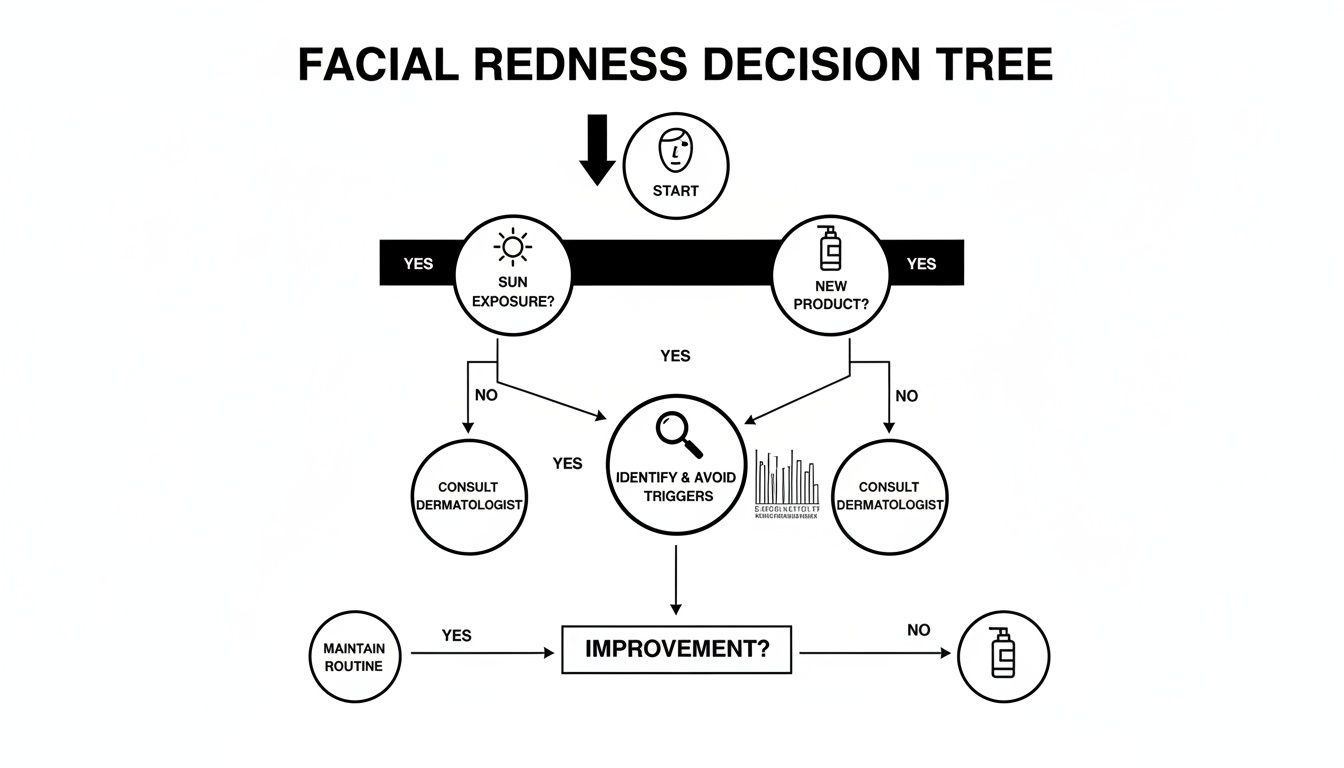
The first move should always be to identify the trigger—whether it’s a product, an environmental factor, or an internal reaction—before you start trying to treat the redness itself.
To help you get started, here’s a quick overview of the most common culprits.
Common Causes of Facial Redness at a Glance
| Cause | Common Symptoms | First Step to Take |
|---|---|---|
| Rosacea | Persistent redness, flushing, visible blood vessels, bumps, stinging. | See a clinician for diagnosis; identify and avoid triggers. |
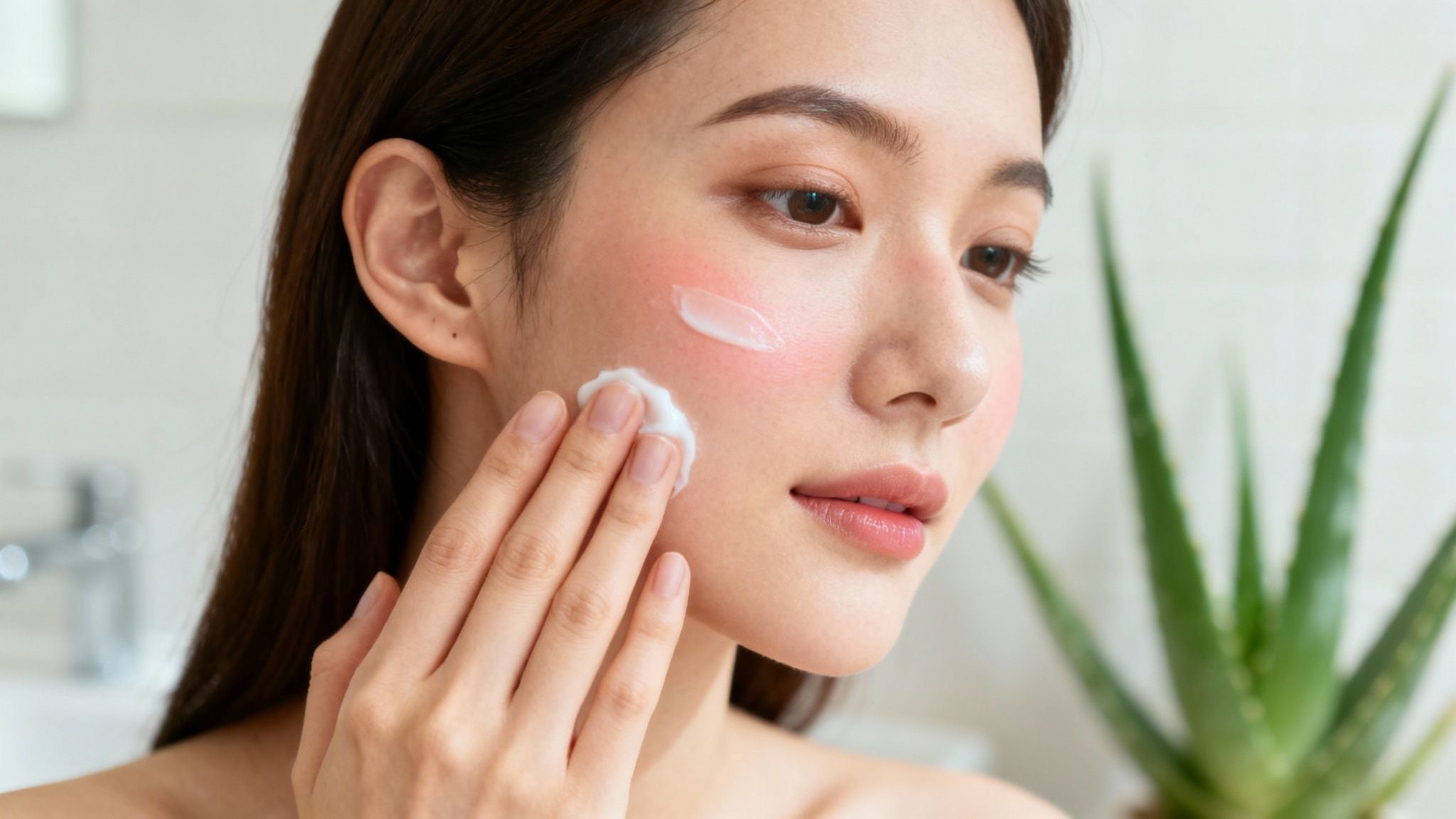
| Sunburn | Hot, painful, red skin after sun exposure. | Apply a cold compress and soothing aloe vera; stay hydrated. |
| Contact Dermatitis | Localized red, itchy, or blistered rash after contact with an irritant. | Stop using the suspected product; apply a gentle, barrier-repairing cream. |
| Over-Exfoliation | Shiny, tight, red, and sensitive skin. | Stop all exfoliants; focus on hydration and barrier repair. |
This table makes it easier to connect your symptoms to a likely cause, pointing you toward the right initial action.
The Impact of Underlying Conditions
Persistent redness is often more than just a cosmetic issue; it can signal a bigger picture. Rosacea, for instance, is far more common than many people realize. It's estimated to affect 5.46% of the world's population—that’s around 415 million people—with a higher prevalence in those with fair skin.
In the United States alone, about 16 million Americans were dealing with rosacea as of 2018. These numbers show just how widespread the need for effective, gentle management strategies really is.
If you suspect a chronic issue is at play, learning how to treat rosacea naturally can be a fantastic starting point. It empowers you to build a supportive routine that focuses on your skin's long-term health, not just a quick fix.
Building Your Daily Redness-Relief Skincare Routine
When you’re trying to figure out how to reduce redness on your face, a consistent, gentle skincare routine is your absolute best defense. It's so easy to get this wrong. Using harsh, stripping products can actually damage your skin's protective barrier, leading to even more inflammation and sensitivity.
The goal isn't to attack the redness, but to create a soothing daily ritual that calms irritation, strengthens your skin's defenses, and stops flare-ups before they even start.
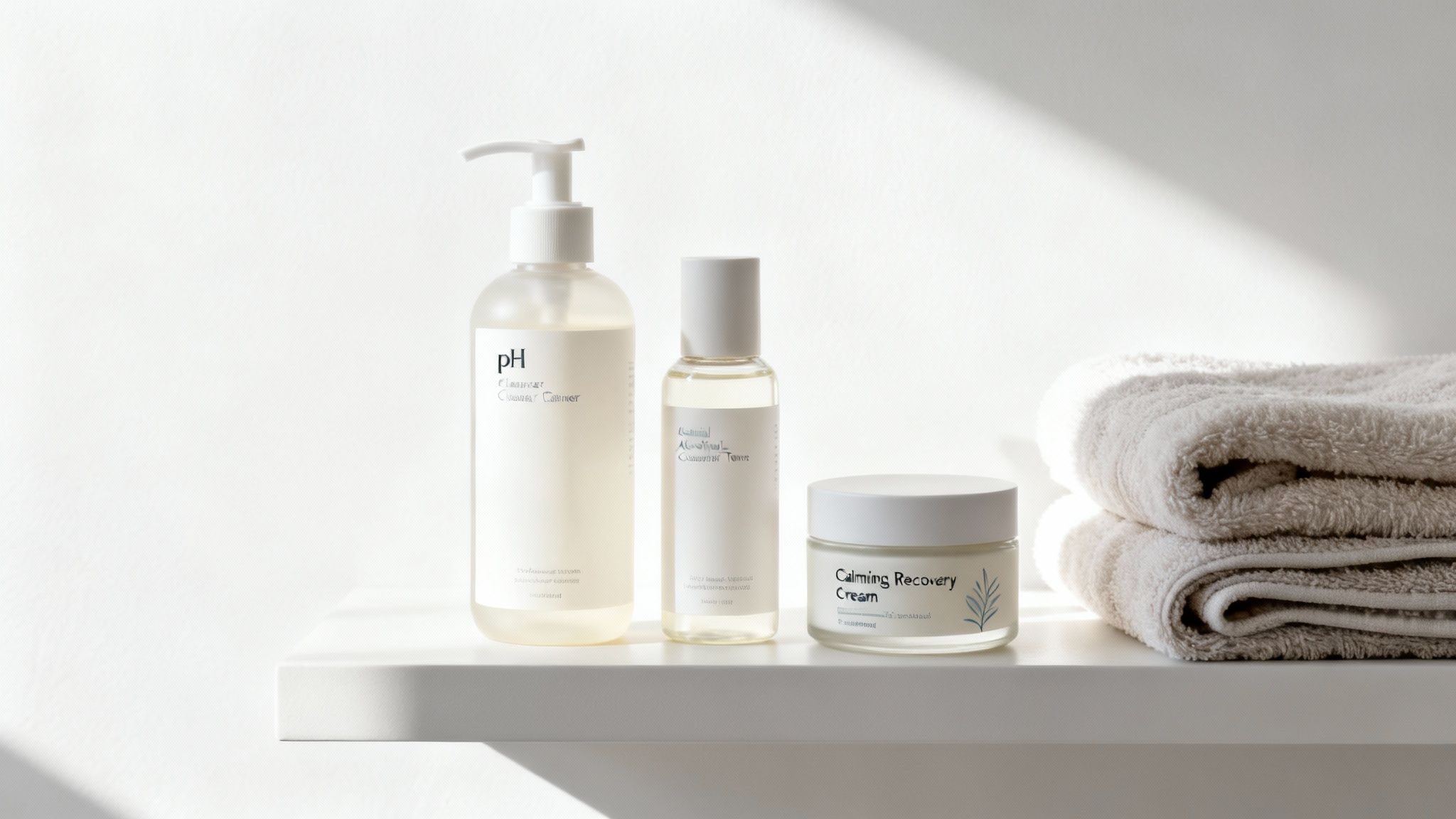
Think of it as building a fortress for your skin. Every product you choose should be a building block, not a wrecking ball. This simple shift in approach helps maintain your skin’s natural balance and dramatically cuts down the chances of a reaction.
Start with a Gentle, pH-Balanced Cleanser
Cleansing is step one, but for red, reactive skin, this is where things can quickly go sideways. So many cleansers are packed with harsh sulfates (like sodium lauryl sulfate) that completely strip your skin's natural oils, leaving it feeling tight, dry, and vulnerable.
Instead, you need to be looking for a sulfate-free, pH-balanced cleanser. Your skin’s natural pH sits around a slightly acidic 5.5, and using a cleanser that respects this helps keep everything functioning as it should. Cream or gel formulas are usually your best bet, as they clean effectively without messing with that delicate moisture barrier.
Soothe and Hydrate with an Alcohol-Free Toner
Toners got a bad rap from the old days of stinging, alcohol-heavy astringents. Forget those. Today’s calming toners are entirely different beasts—they are hydrating, soothing formulas designed to prep your skin for what’s next and deliver an immediate layer of relief.
Look for toners that are completely alcohol-free and loaded with ingredients known for their anti-inflammatory chops. Key players to watch for include:
- Niacinamide (Vitamin B3): A true superstar for red skin. It helps strengthen the skin barrier, reduces inflammation, and improves overall texture.
- Hyaluronic Acid: This humectant pulls moisture into the skin, giving you a plumping, hydrating effect that can calm that tight feeling.
- Green Tea Extract: Packed with antioxidants, green tea is brilliant for soothing irritation and protecting your skin from environmental stress.
- Centella Asiatica (Cica): Famous for its healing properties, cica is excellent for calming down redness and helping repair compromised skin.
A well-formulated toner should never leave your skin feeling tight or stripped. Its job is to add back hydration and soothing ingredients right after cleansing, creating a calm foundation for the rest of your routine.
Fortify Your Skin with a Barrier-Repairing Moisturizer
A strong skin barrier is non-negotiable. It's what keeps irritants out and precious moisture in. When this barrier gets damaged, your skin becomes way more susceptible to redness and inflammation. That’s why a barrier-repairing moisturizer isn't just a nice-to-have—it's essential.
Your moisturizer should be packed with ingredients that mimic the natural components of your skin barrier. We highly recommend a product like the BARB N.P. Calming Recovery Cream. This formula was specifically designed to fortify and soothe reactive skin with a powerful blend of ceramides and peptides.
- Ceramides are the lipids that act like the "mortar" between your skin cells, holding them together to prevent moisture loss.
- Peptides are amino acid chains that signal your skin to produce more collagen, helping to strengthen its entire structure from within.
Using a moisturizer like this twice a day helps rebuild your skin's defenses, making it more resilient against triggers over time. A healthy barrier is everything, and you can learn more about how to repair a damaged skin barrier in our detailed guide.
Never Skip Broad-Spectrum Sunscreen
Finally, we've arrived at the most critical step for both preventing and reducing facial redness: daily sun protection. UV radiation is a massive inflammatory trigger. It can cause an immediate sunburn and worsen chronic conditions like rosacea by dilating blood vessels.
Applying a broad-spectrum sunscreen with an SPF of 30 or higher every single morning is essential. For sensitive, redness-prone skin, mineral-based sunscreens with zinc oxide or titanium dioxide are often much better tolerated than chemical formulas. They sit on top of the skin to block UV rays rather than being absorbed.
This simple, non-negotiable habit will protect your skin from one of the most common—and avoidable—causes of redness.
Incorporating Advanced At-Home Treatments
Once you’ve nailed down a solid, gentle daily routine, you can start exploring more powerful ways to calm redness. Think of these advanced at-home treatments as the next level up—they deliver targeted, concentrated results that go beyond your basic cleanser and moisturizer. These are the tools and products that can really make a difference in calming inflammation and strengthening your skin against future flare-ups.
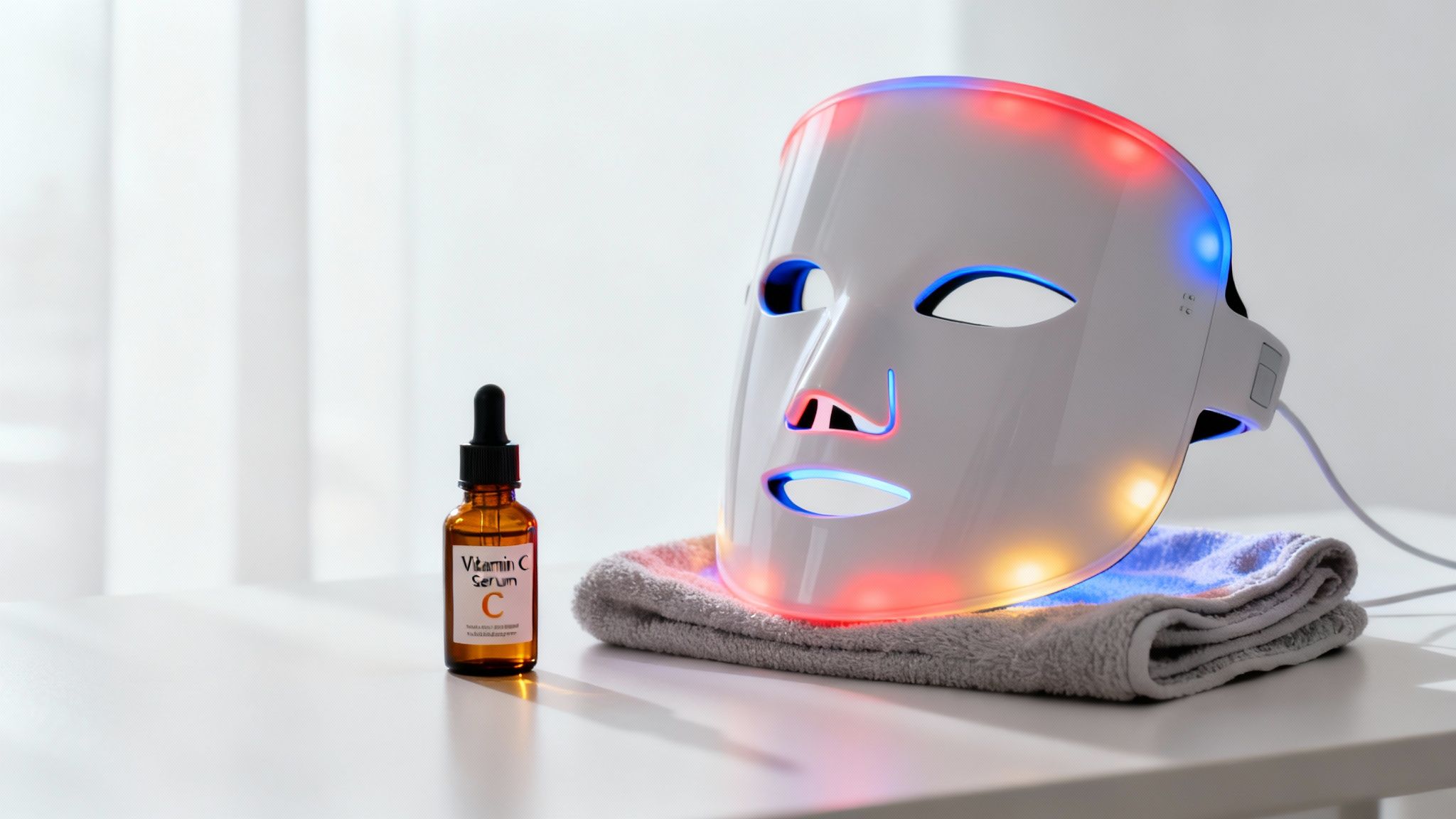
This is where you can truly elevate your skincare game. We're talking about introducing technologies and potent ingredients that work on a deeper level to address the root causes of redness, bringing the power of a professional clinic right into your home.
Harness the Power of LED Light Therapy
One of the most effective at-home solutions for persistent redness is LED (Light Emitting Diode) therapy. Don't let the techy name intimidate you. This technology uses specific wavelengths of light to penetrate the skin and kickstart healing at a cellular level, all without any heat or discomfort.
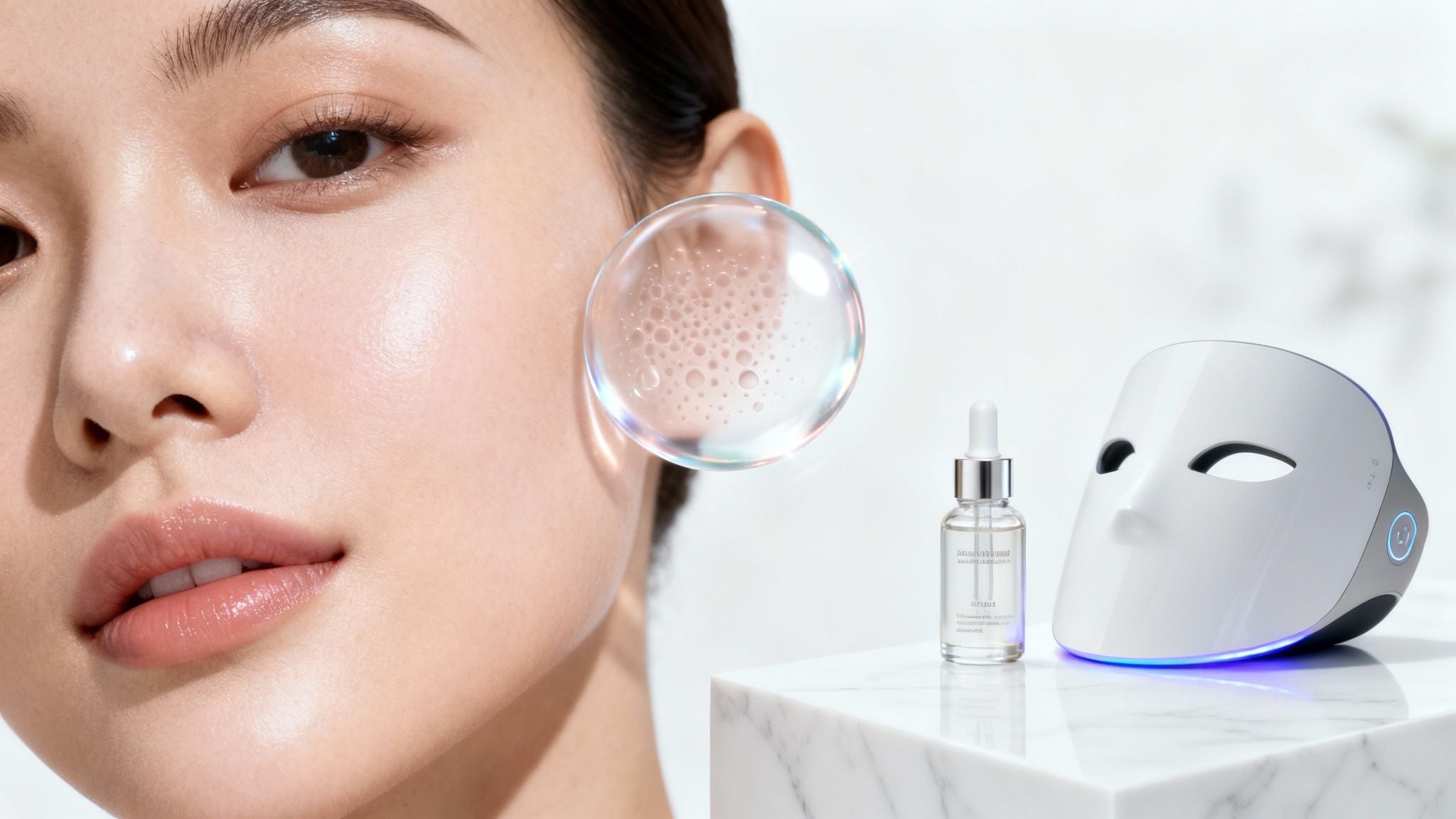
We highly recommend the Barb N.P. LED Facial Mask. Its standout features make it incredibly easy to use consistently—and consistency is everything when you want to see real results. The mask is completely wireless, so you aren't stuck next to a wall outlet, and it’s designed for maximum comfort. You'll actually look forward to your little light therapy sessions.
This mask offers 3 distinct light settings, giving you a multi-faceted approach to skin health:
- Red Light: This is your go-to for inflammation and redness. Red light helps stimulate collagen and improves circulation, which soothes irritated skin and strengthens it from within.
- Blue Light: If your redness comes with breakouts, blue light is your best friend. It targets and eliminates blemish-causing bacteria right on the skin's surface.
- Amber Light: Perfect for sensitive skin, this wavelength works to calm irritation, reduce flushing, and promote a more even-toned complexion.
Using a device like this for just a few minutes, a few times a week, can make a noticeable difference in your skin's resilience. To get a better handle on the science, check out our guide on LED light therapy for skin.
Professional-grade LED therapy in clinics often yields impressive results. For instance, in-clinic red light therapy can achieve 75% erythema (redness) clearance in just 8 sessions for 80% of patients by constricting blood vessels. You can discover more insights about these advancements in facial erythema treatment.
Add a Protective Antioxidant Serum
Beyond light therapy, a high-potency antioxidant serum is a crucial defensive layer in your morning routine. Environmental stressors like pollution and UV rays generate free radicals—nasty unstable molecules that damage skin cells and fuel the inflammatory cycle that leads to redness.
Antioxidants neutralize these free radicals before they can wreak havoc. For this job, Vitamin C is an undisputed champion. It not only protects your skin but also helps brighten your complexion and support collagen production.
For a powerful, medical-grade option, consider a product like SkinCeuticals C E Ferulic, which we carry at BotoxBarb. This iconic serum is a synergistic cocktail of Vitamin C, Vitamin E, and Ferulic Acid that provides exceptional environmental protection.
Applying it every morning under your moisturizer and sunscreen creates a shield against the inflammation that triggers redness. It's a proactive step that is an absolute game-changer for maintaining calm, healthy skin long-term.
Identifying and Managing Lifestyle Triggers
What you eat, drink, and even how you feel have a direct, powerful impact on your skin's health. While the right skincare products are essential, learning how to calm redness often means looking beyond your bathroom cabinet.
Facial redness is frequently cranked up by specific lifestyle triggers. Discovering your personal culprits is a huge step toward consistently calmer, happier skin. Think of it like being a detective for your own body—pinpointing what causes that tell-tale flush allows you to make smarter choices and prevent flare-ups before they even start.
Common Dietary Culprits to Watch
Your diet is one of the biggest players when it comes to skin inflammation. For many of my clients, certain foods can almost instantly cause their face to flush. A simple journal can be incredibly insightful here. For just a couple of weeks, jot down what you eat and any changes you notice in your skin. You might be surprised by the patterns that emerge.
Some of the usual suspects include:
- Spicy Foods: That heat you feel from peppers comes from capsaicin, a compound that can trigger skin receptors to widen blood vessels, leading to an immediate flush.
- Hot Beverages: It's not always the caffeine. The simple heat from a cup of coffee or tea can be enough to dilate blood vessels and bring on a wave of redness.
- Alcohol: This is a major one. Alcohol is a vasodilator, meaning it widens blood vessels. This effect is especially notorious for rosacea sufferers—up to 76% of patients name it as a key trigger.
- Sugar: High-sugar diets can fuel low-grade, systemic inflammation that shows up on your skin as redness, breakouts, and sensitivity. You can learn more about the clearer skin benefits from reducing sugar and how it dials down irritation.
Environmental and Emotional Factors
It’s not just about what’s on your plate. Your environment and emotional well-being play a massive role in how your skin behaves. Stress, in particular, is a well-known inflammatory trigger. When you're stressed, your body pumps out cortisol, a hormone that can throw your skin's balance completely out of whack.
Your skin is often a mirror of your internal state. Managing stress isn't just good for your mind—it's a critical part of any effective strategy to reduce facial redness.
Simple practices can make a world of difference. Incorporating a few minutes of mindfulness, deep breathing exercises, or even a short daily walk can help lower cortisol levels and, in turn, calm your skin.
Also, be mindful of extreme temperatures. Rapid shifts from a cold street into a heated room or stepping into a very hot shower can easily trigger a flushing response.
Pinpointing Your Triggers with Professional Testing
Sometimes, despite your best detective work, your triggers remain a mystery. If you suspect a specific food or environmental factor is causing persistent inflammation but can't quite put your finger on it, professional testing can provide the clarity you need.
This is where services like the allergy tests offered at BotoxBarb become invaluable. These tests can help identify specific food sensitivities or environmental allergies that might be the hidden source of chronic inflammation and redness.
An allergy panel analyzes your body's reaction to a wide range of common allergens. Armed with this personalized information, you and an expert like Barb N.P. can create a highly targeted management plan. This approach moves beyond guesswork, empowering you to make precise lifestyle changes that deliver visible results and long-term relief.
When to Seek Professional In-Clinic Treatments
A dedicated at-home routine is powerful, but sometimes even the best serums and calming masks can't quite get you over the finish line. If you're struggling with persistent flushing, tiny but stubborn broken capillaries, or bumps that just won't clear up, it might be time to level up.
This is where professional in-clinic treatments come in. These advanced solutions go beyond surface-level care to target the deeper mechanisms behind chronic redness. Knowing when to escalate your approach is key. When your daily efforts no longer seem to make a dent, a consultation with an expert like Barb N.P. at BotoxBarb can open the door to medical-grade technologies that deliver more significant, lasting results. This is about moving from management to meaningful improvement.
Neurotoxins for Flushing and Rosacea
When most people hear "Botox," they think of smoothing wrinkles. But neurotoxins like Botox and Dysport have a remarkable, off-label use for controlling the flushing and blushing that comes with rosacea. This isn't about freezing muscles; it's a highly targeted approach to calm overactive blood vessels right at the source.
Injected in tiny micro-doses just under the skin, these neurotoxins work by blocking the signals that tell your blood vessels to dilate. Think of it as short-circuiting the flushing response to common triggers like stress, heat, or a glass of wine. For anyone whose life is disrupted by sudden, intense waves of redness, this treatment can be a game-changer. The procedure itself is quick with minimal discomfort, but the results can dramatically cut down the frequency and intensity of flushing episodes.
Harnessing Your Body's Healing Power with PRP
Another powerful option for calming inflammation from the inside out is Platelet-Rich Plasma (PRP) therapy. This isn't about adding foreign substances to your skin—it's a regenerative treatment that uses the healing power of your own body to repair and rejuvenate.
The process is simple: we draw a small amount of your blood, spin it in a centrifuge to concentrate the platelets, and then re-introduce this "liquid gold" into your skin. Why is this so effective for redness? Platelets are packed with growth factors that orchestrate your body's natural repair processes. When applied to the skin, they:
- Reduce Inflammation: They calm the inflammatory cascade that contributes to chronic redness.
- Strengthen Skin: They fire up the production of new collagen and elastin, making skin thicker, healthier, and more resilient.
- Improve Vascular Health: They help repair and strengthen the walls of tiny blood vessels, making them less reactive.
This approach doesn't just mask the symptoms; it helps rebuild a healthier, more robust skin foundation from within.
Advanced Light and Laser Therapies
For specific concerns like persistent redness or those little visible spider veins, professional treatments like BroadBand Light (BBL) therapy can offer incredible improvement. These aren't just any lights; they use specific wavelengths that are absorbed by the hemoglobin in your red blood cells.
This process generates heat that gently collapses the unwanted, visible vessels without harming the surrounding tissue. Your body then naturally clears away the treated vessels, leaving behind a much clearer, more even-toned complexion. It’s a targeted strike against the most visible signs of redness.
Dermatology clinics are a driving force in the market for redness solutions, with light and laser therapies showing remarkable efficacy. Data reveals that after just three Intense Pulsed Light (IPL) sessions, patients can see up to an 80% improvement in redness.
Combining these advanced technologies with regenerative treatments can yield even more impressive outcomes. For example, PRP therapy is shown to regenerate skin effectively, with studies noting a 55% drop in redness and a 30% reduction in visible vessels just three months post-treatment.
Ultimately, the decision to pursue in-clinic treatments comes down to your results and your quality of life. If redness is a constant source of frustration, a consultation with an expert at BotoxBarb can help create a personalized plan that combines the best of at-home care with the targeted power of professional procedures.
Your Questions About Facial Redness Answered
When you're dealing with facial redness, a million questions can pop into your head. Is my foundation making this worse? How long until I actually see a difference? It's completely normal to feel a bit lost. Here are some clear, expert answers to the questions we hear most often, so you can move forward with confidence.
Can Makeup Make My Facial Redness Worse?
It absolutely can, especially if you're reaching for the wrong products.
Think about it: heavy, fragranced foundations can trap heat and clog pores, irritating already sensitive skin. You end up in a frustrating cycle of trying to cover the redness, only to make it angrier.
The secret is to treat your makeup like you treat your skincare. Look for mineral-based, non-comedogenic formulas—they're a much safer bet for reactive skin. How you apply it matters, too. Ditch the rubbing and instead use a soft brush or sponge to gently pat the product on. And please, never skip a thorough (but gentle!) cleanse at night. Your skin needs to breathe.
How Long Until I See a Reduction in Redness?
This is the big one, and the honest answer is: it depends on why your skin is red in the first place.
If you tried a new, aggressive face mask that left you flushed, you could see things calm down in a day or two after you stop using it. But for chronic conditions like rosacea, it's more of a marathon than a sprint.
With a consistent, gentle routine, you should start to see a noticeable improvement in 2-4 weeks. Want to speed things up? At-home devices like the Barb N.P. LED Facial Mask are fantastic for targeting inflammation directly and can seriously accelerate those visible results.
A key takeaway is consistency over intensity. A simple, soothing routine performed daily will always outperform aggressive, inconsistent treatments when your goal is to reduce facial redness.
Is Facial Redness Always a Sign of Rosacea?
Not at all, and this is a really important distinction. While rosacea is a common culprit for that persistent, flushing redness across the cheeks and nose, it’s far from the only possibility.
Your redness could easily be something else. We often see:
- Contact Dermatitis: A classic reaction to a specific ingredient your skin just doesn't like.
- Seborrheic Dermatitis: This often comes with flaky, yellowish scales on oilier parts of the face.
- Over-Exfoliation: A tell-tale sign of a compromised, overworked skin barrier.
Pay close attention to your unique symptoms. If the redness won't quit, comes with other issues like itching or bumps, or just isn't getting better with your current routine, it’s time to see a pro. An expert like Barb N.P. can give you a clear diagnosis and a targeted treatment plan.
For more stubborn cases, we might even discuss options that integrate Botox or Dysport. These neurotoxins are incredibly effective at relaxing the tiny muscles involved in flushing, reducing redness by an average of 60% in some cases. You can read more about these facial erythema treatment findings to understand the possibilities.
At BotoxBarb, we believe in empowering you with the knowledge and tools to achieve your best skin. From advanced in-clinic treatments to medical-grade skincare, we are here to support your journey to a calmer, more confident complexion. Explore our curated products and book your consultation at https://barbnp.shop.