Top 10 Pros and Cons of Lip Fillers: A Complete 2026 Guide
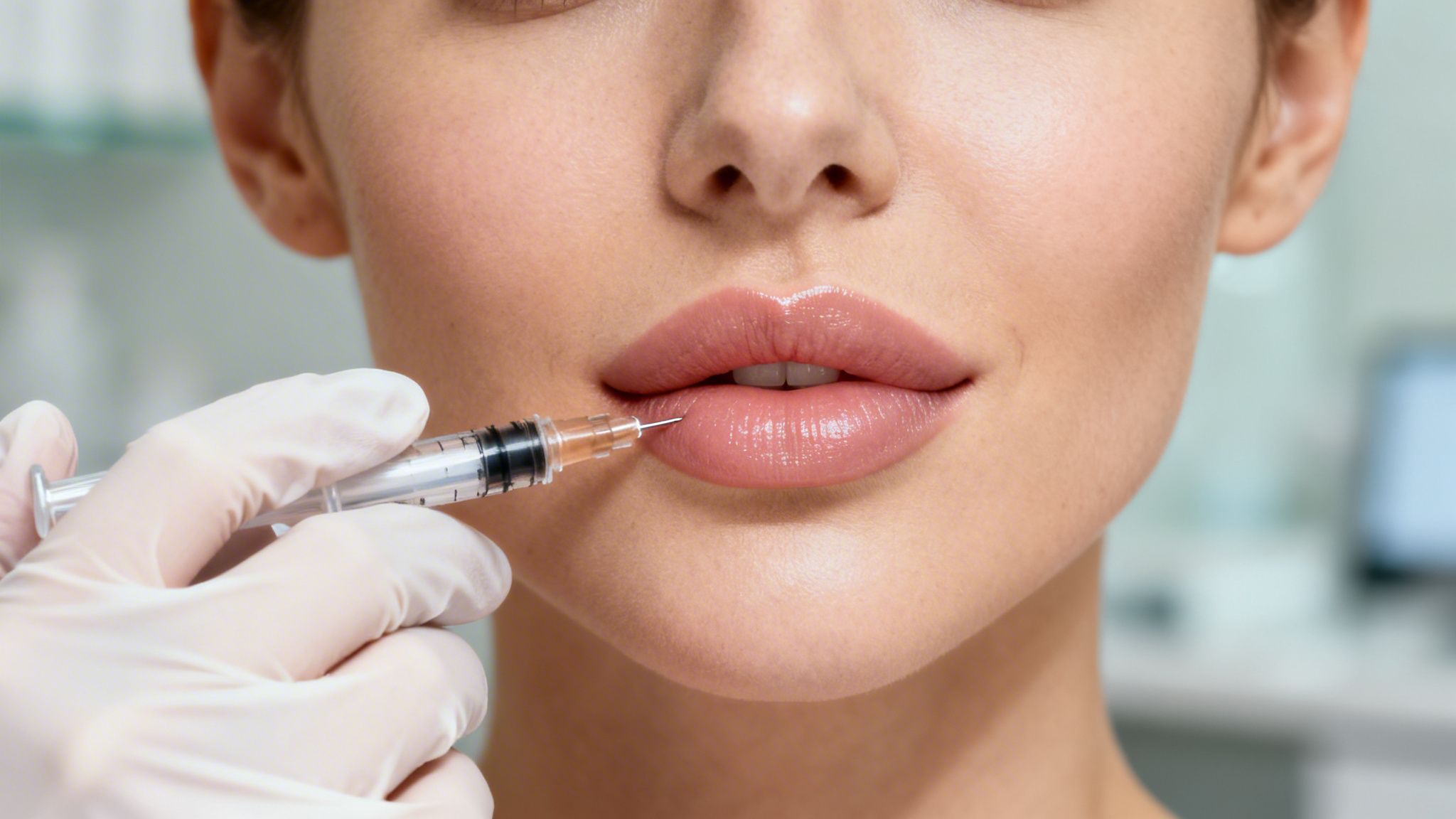
Lip fillers have become one of the most requested aesthetic treatments, offering the promise of a plumper, more defined pout in a single appointment. But beyond the instant gratification seen on social media, what does the journey truly involve? The decision to get lip injections is a personal one, and it requires a clear understanding of what to expect, both good and bad. This guide is designed to provide a balanced, medically-informed breakdown of the crucial pros and cons of lip fillers.
Our goal is to move past the surface-level discussion and give you the detailed information you need to make an empowered choice. We will explore the immediate confidence boost and customizable results that make fillers so popular, while also examining the real risks, such as the potential for an 'overdone' look, allergic reactions, and rare but critical safety concerns like vascular occlusion.
We will also cover the financial commitment involved, the importance of choosing a qualified practitioner, and how the procedure can impact your self-perception. By understanding both the attractive benefits and the potential drawbacks, you can decide if this popular treatment aligns with your personal aesthetic goals, budget, and health priorities. For those looking to support their skin's health and radiance post-procedure, incorporating treatments like the Barb N.P. Facial Mask can be beneficial. Its red light setting helps reduce inflammation and promote healing, complementing your in-office treatments for a holistic approach to skin wellness. Let's uncover the full story behind achieving your ideal look.
1. Immediate Results, Confidence Boost, and Temporary Nature
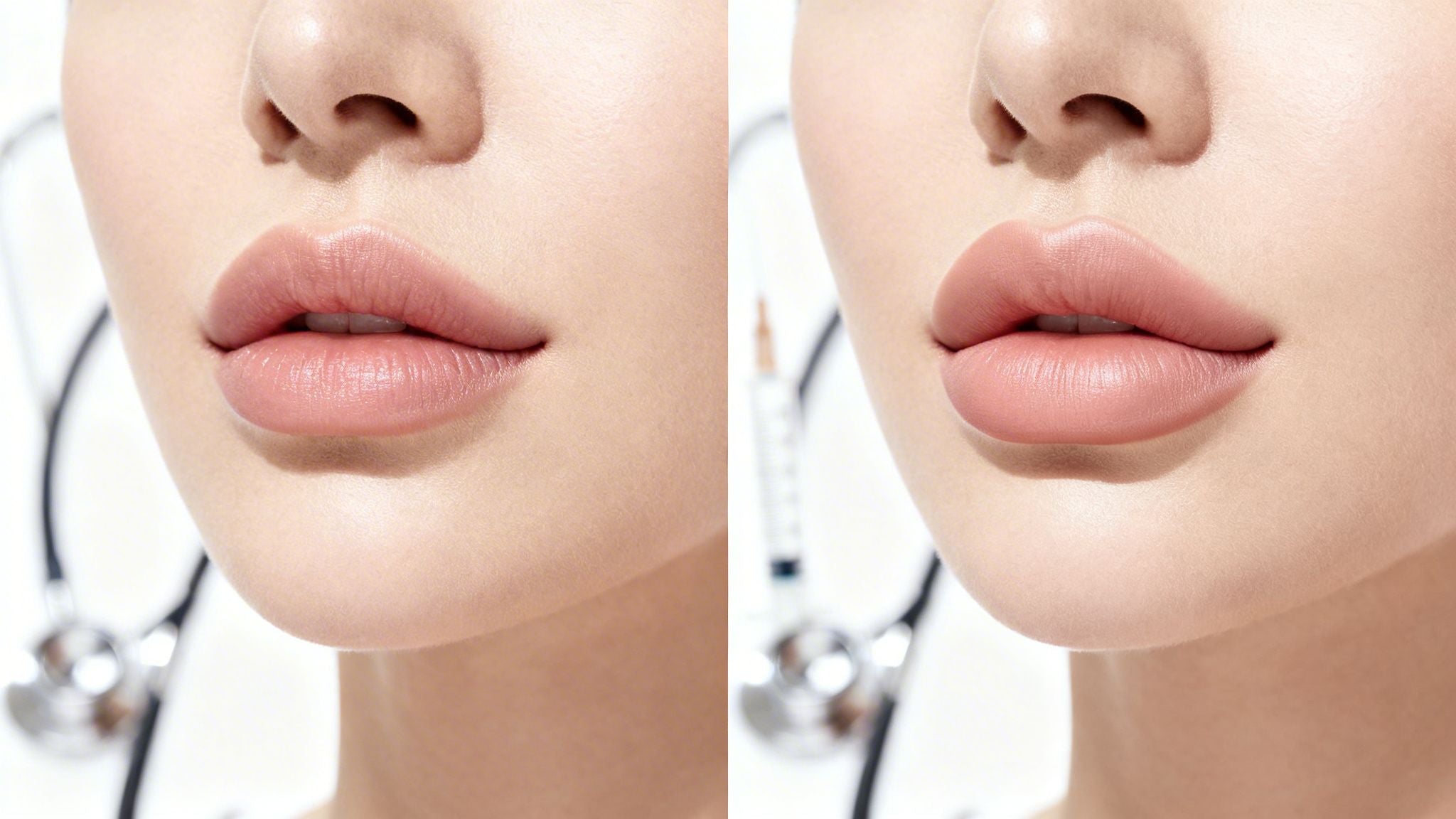
One of the most significant advantages of hyaluronic acid (HA) lip fillers is the immediate visual payoff. Unlike procedures that require a lengthy recovery period before results are apparent, you can see a noticeable difference in volume and shape the moment you leave your provider’s office. This instant gratification is a powerful factor for many, providing a quick and tangible boost in self-confidence.

While initial swelling can slightly exaggerate the outcome, the final, settled results typically appear within one to two weeks. This quick turnaround allows you to enjoy your enhanced appearance almost right away, making it a popular choice before significant life events like weddings or vacations.
Another key aspect to consider when evaluating the pros and cons of lip fillers is their temporary nature. Most HA-based fillers, such as those from the Juvéderm or Restylane families, are naturally metabolized by your body over 6 to 12 months. This is a benefit if you’re trying fillers for the first time or if you decide the look isn’t for you; the results aren’t permanent. However, it also means that maintaining your desired look requires a commitment to follow-up appointments.
Maximizing Your Results & Aftercare
To ensure the best possible outcome and a smooth recovery, proper preparation and aftercare are vital.
- Plan Ahead: Schedule your appointment at least two weeks before any major event to allow swelling and potential bruising to subside.
- Prep for Your Session: Avoid blood-thinning substances like NSAIDs (ibuprofen, aspirin), vitamin E, and fish oil for 24-48 hours beforehand to minimize bruising.
- Post-Treatment Care: Gently apply a cold compress to your lips for 10-minute intervals to reduce swelling. Stay well-hydrated and avoid strenuous exercise, excessive heat, and alcohol for the first 48 hours.
For post-procedure skin support, consider incorporating LED therapy into your routine. The Barb N.P. Facial Mask features a red light setting that can help calm inflammation and support skin rejuvenation. Its comfortable, wireless design makes it easy to use while you relax and recover.
2. Natural-Looking Enhancement vs. Overdone Appearance
A significant pro of modern lip fillers is their ability to deliver remarkably natural-looking results. A skilled injector can subtly enhance volume, define the cupid's bow, and correct asymmetries in a way that complements your unique facial structure, rather than overpowering it. The goal is to create a refreshed and balanced appearance, not an obvious augmentation.

However, the risk of an "overdone" or unnatural look is a major con to consider. This often occurs due to over-injection, poor technique, or choosing a provider who lacks an artistic eye for facial harmony. Trends popularized by celebrities like Kylie Jenner have normalized lip enhancement, but they have also created a fear of looking disproportionate. The key to avoiding this pitfall lies almost entirely in the selection of your practitioner. Visualizing the final look can be difficult, but you can learn more about what you might look like with lip fillers to set realistic expectations.
Achieving a subtle enhancement versus an obvious one is a crucial point when weighing the pros and cons of lip fillers. The difference is in the details, from the amount of filler used to the specific injection technique.
Maximizing Your Results & Aftercare
To achieve a natural outcome that you love, a strategic and informed approach is essential.
- Vet Your Provider: Scrutinize before-and-after portfolios. Look for examples on patients with a similar facial structure and desired outcome to your own.
- Start Conservatively: If it’s your first time, request a smaller volume, such as 0.5 ml. It is always easier to add more filler in a follow-up session than to correct an overfilled result.
- Discuss Filler Properties: Ask your injector why they are recommending a specific type of filler (like Juvéderm or Restylane) and how its properties (e.g., firmness, flexibility) will contribute to your desired look.
- Support Skin Health: After your treatment, a calm and supported healing environment is key. LED therapy can be a great addition to your post-filler care. The Barb N.P. Facial Mask is a convenient, hands-free option. Its red light setting helps reduce inflammation, while the blue light can target bacteria, supporting overall skin health as you heal.
3. Allergic Reactions and Sensitivity Concerns
While hyaluronic acid is a substance naturally found in the body, making true allergic reactions quite rare, they are still a possibility that must be considered when evaluating the pros and cons of lip fillers. Sensitivities can arise not just from the HA itself, but also from other components within the syringe, such as lidocaine (a numbing agent) or the cross-linking agents used to stabilize the filler. These reactions can range from mild, delayed swelling and itchiness to more significant immune responses.
Delayed hypersensitivity is a specific type of reaction that can occur weeks or even months after the initial treatment. It often presents as persistent swelling, tenderness, or the formation of firm nodules. Though uncommon, these reactions may require treatment with oral steroids or the use of hyaluronidase, an enzyme that dissolves the filler. Being aware of these potential issues is a crucial part of making an informed decision.
The good news is that a thorough consultation with a qualified provider can significantly mitigate these risks. Discussing your full medical history, including any known allergies or autoimmune conditions, allows your injector to choose the most appropriate product for you and to be prepared for any potential sensitivities.
Maximizing Your Results & Aftercare
To minimize risks and ensure a safe experience, proactive communication with your provider is essential.
- Disclose Everything: Be completely transparent about your medical and allergy history during your consultation. This includes any past reactions to local anesthetics, skincare products, or previous cosmetic treatments.
- Consider a Patch Test: If you have a history of multiple allergies or sensitivities, ask your provider if a patch test is recommended. This involves injecting a tiny amount of the filler into an inconspicuous area, like behind the ear, and waiting 48 hours to check for a reaction.
- Report Any Issues: If you notice unusual swelling, significant itching, a rash, or persistent tenderness more than a few days after your treatment, contact your provider immediately. Early intervention is key to managing any adverse reaction.
If your skin is prone to sensitivity or inflammation, gentle aftercare can help soothe the area. The Barb N.P. Facial Mask uses red light therapy, which is known to help calm inflammation and support the skin’s natural healing processes. Its comfortable, hands-free design makes it a convenient tool to use during your recovery period.
4. Cost Investment and Long-Term Financial Commitment
While lip fillers offer impressive aesthetic benefits, it's essential to analyze the financial side of this cosmetic choice. The cost is a significant factor in the overall "pros and cons of lip fillers" discussion because it’s not a one-time expense. Since hyaluronic acid fillers are temporary, maintaining your desired volume and shape requires an ongoing financial commitment. The initial treatment cost can vary widely based on your location, the practitioner's expertise, and the amount of filler used, but the expenses don't stop there.
Most lip fillers last between 6 to 12 months before the body naturally metabolizes them. This means you will need to schedule touch-up appointments one to two times per year to preserve your results. Budgeting for this recurring cost is crucial for anyone considering fillers as a long-term part of their beauty routine. Without planning for maintenance, the results you love will gradually fade.
Understanding the full financial picture helps you make a sustainable and informed decision. The cumulative cost over several years can be substantial, so it's wise to view lip fillers as a recurring beauty investment rather than a single purchase. This perspective ensures you can comfortably afford to maintain your look without financial strain.
Maximizing Your Results & Aftercare
To manage the financial aspect effectively and protect your cosmetic investment, consider these practical strategies.
- Plan Ahead: Budget annually for your maintenance treatments. Knowing the approximate yearly cost helps you plan your finances without any surprises.
- Prep for Your Session: Some providers offer package deals or loyalty programs for repeat clients. Don't hesitate to ask about membership pricing or any available discounts for follow-up appointments.
- Post-Treatment Care: The best way to protect your investment is with excellent aftercare. Following your provider's instructions, such as avoiding excessive heat and staying hydrated, can help promote filler longevity.
To support your skin's health post-procedure and between appointments, an at-home light therapy device can be a great addition. The Barb N.P. Facial Mask is designed for comfort and ease, allowing you to use its red light setting to help calm inflammation and support skin rejuvenation. Its wireless functionality means you can comfortably relax while giving your skin a supportive treatment.
5. Risk of Infection and Sterility Complications
While a significant con to consider, the risk of infection after a lip filler treatment is quite low when performed correctly. However, it’s a serious potential complication that underscores the importance of a sterile environment and proper technique. Infection can occur if non-sterile needles are used, the filler product itself is contaminated, or if post-treatment care instructions are not followed, leading to bacteria entering the injection sites.
These infections can range from localized redness and swelling to more severe systemic issues or the formation of biofilms, which are difficult-to-treat colonies of bacteria that can cause persistent problems. This is a critical factor when weighing the pros and cons of lip fillers, as a complication can negate all the aesthetic benefits.
The good news is that these risks are highly manageable by choosing a qualified provider who adheres to strict medical standards. A licensed professional will use only FDA-approved, authentic fillers that come in sealed, single-use packaging. They will also thoroughly cleanse the treatment area and use sterile equipment for every injection, making the procedure very safe. For a deeper dive into potential issues, you can learn more about dermal filler side effects and how to avoid them.
Maximizing Your Safety & Aftercare
To protect yourself and ensure a healthy outcome, proactive measures and diligent aftercare are essential.
- Verify Your Provider: Ensure your injector is a licensed medical professional (N.P., P.A., M.D., D.O., or R.N.) with extensive training in cosmetic injections. Ask about their sterilization protocols.
- Confirm Product Authenticity: Don't hesitate to ask to see the sealed, original packaging for the filler syringe and needle to confirm they are legitimate and sterile.
- Practice Good Hygiene: For the first 48 hours, avoid touching your lips, applying makeup, or swimming in pools, hot tubs, or natural bodies of water.
- Know the Warning Signs: Immediately report any signs of a potential infection to your provider, such as increasing pain, excessive redness, warmth, pus-like discharge, or fever.
To support your skin's recovery post-procedure, maintaining a clean and calm environment is key. LED therapy can be a valuable addition to your aftercare. The Barb N.P. Facial Mask, with its red light setting, helps to reduce inflammation and promote skin rejuvenation. Its comfortable, wireless design allows you to easily incorporate this supportive treatment into your recovery routine.
6. Vascular Complications and Arterial Occlusion Risk
While lip fillers are generally safe in skilled hands, one of the most serious potential risks is vascular occlusion. This occurs if filler is accidentally injected into a blood vessel, blocking blood flow to the surrounding tissue. The consequences can be severe, ranging from skin necrosis (tissue death) and scarring to, in extremely rare cases, blindness or stroke if the blockage affects arteries connected to the eye or brain.
This risk underscores why choosing a qualified injector is not just about aesthetics but about safety. An experienced provider possesses deep knowledge of facial anatomy, including the precise location of major arteries in the lip area. They understand how to inject safely to avoid these vessels and are trained to recognize the immediate signs of an occlusion, such as severe pain, immediate blanching (whitening of the skin), or a dusky, purplish discoloration.
The potential for such complications is a significant factor when weighing the pros and cons of lip fillers. While the incidence is low, the impact can be permanent if not addressed immediately. An injector's ability to manage this emergency by promptly dissolving the HA filler with an enzyme called hyaluronidase is crucial for mitigating damage and is a non-negotiable standard of care.
Minimizing Your Risks & Emergency Preparedness
Your choice of practitioner is the single most important factor in preventing and managing complications.
- Verify Expertise: Choose an injector with extensive training in vascular anatomy and emergency protocols. Ask them directly about their experience with managing complications like occlusions.
- Discuss Technique: Inquire if they use blunt-tip cannulas for certain areas, which can reduce the risk of piercing a blood vessel compared to sharp needles. Small, distributed injection volumes are also safer than a single large bolus.
- Confirm Emergency Supplies: Ensure your provider has hyaluronidase readily available in the treatment room and a clear protocol for its immediate use if an occlusion is suspected.
- Know the Warning Signs: After your treatment, immediately report any intense, disproportionate pain, significant and unusual skin color changes, or coolness in the treated area to your provider.
Supporting your skin's health post-procedure can also aid in its resilience. The Barb N.P. Facial Mask uses red light therapy to help reduce inflammation and promote cellular repair. Its hands-free, comfortable design makes it a practical tool for calming the skin during your recovery period.
7. Enhancement of Lip Symmetry and Correction of Asymmetries
Beyond simple plumping, one of the most sophisticated applications of lip fillers is the correction of natural asymmetries. Very few people have perfectly symmetrical lips; it’s common for one side to be thinner, one corner to droop slightly lower, or the Cupid’s bow to be uneven. A skilled injector can use dermal fillers with precision to add volume exactly where it's needed, creating a more balanced and harmonious appearance without surgery.
This is a significant benefit when considering the pros and cons of lip fillers, as it offers a non-invasive solution to what can be a noticeable facial imbalance. By strategically placing small amounts of hyaluronic acid filler, a provider can lift a corner, build up a thinner side, or define an uneven lip border. The result is often subtle yet powerful, improving the overall aesthetic harmony of your face.
The ability to make these micro-adjustments is what sets a great lip filler treatment apart. It’s not just about making lips bigger, but making them better proportioned to your unique facial features. This targeted approach ensures the final look appears natural and tailored specifically to you, rather than a generic, overfilled outcome.
Maximizing Your Results & Aftercare
To achieve the best symmetrical outcome, clear communication and a structured treatment plan are key.
- Discuss Specifics: During your consultation, use a mirror to point out the exact areas of asymmetry that concern you. This helps your provider understand your goals.
- Document Your Baseline: Take clear photos of your lips from the front and both sides before your appointment. This provides a valuable reference for both you and your injector.
- Schedule a Follow-Up: Book a two-week follow-up appointment. This allows time for swelling to completely resolve so your provider can assess the final result and make any minor touch-ups needed to perfect the symmetry.
- Support Skin Recovery: After your treatment, focus on calming the skin and reducing inflammation. Post-procedure skin support can help ensure a smooth healing process.
For at-home recovery, integrating LED therapy can be beneficial. The Barb N.P. Facial Mask is a great tool for this. Its red light setting helps reduce inflammation and supports the skin’s natural healing, while the comfortable, wireless design allows you to relax and recover easily after your appointment.
8. Psychological and Emotional Impact: Confidence vs. Body Dysmorphia Risk
The psychological and emotional effects are among the most important pros and cons of lip fillers to consider. For many, augmenting the lips is a highly positive experience, leading to a significant increase in self-esteem and satisfaction with their appearance. This newfound confidence can permeate other areas of life, helping individuals feel more poised and assertive.
However, it is crucial to approach cosmetic procedures with a healthy mindset. There is a risk that fillers can fuel or worsen body dysmorphic disorder (BDD), a mental health condition where a person obsesses over perceived flaws in their appearance. If the motivation for getting fillers comes from a place of deep-seated insecurity or a desire to match unrealistic, digitally altered images, it may lead to a cycle of dissatisfaction and procedural dependence.
A responsible practitioner will discuss your motivations and ensure your expectations are grounded in reality. The goal is to enhance your natural beauty, not to chase an unattainable ideal. If you are grappling with deeper psychological motivations, or if the procedure significantly impacts your emotional well-being, seeking professional counselling support can be a valuable step.
Maximizing Your Results & Aftercare
To ensure a positive psychological outcome, mindful preparation and self-reflection are as important as physical aftercare.
- Reflect on Your "Why": Before booking, ensure you are making this change for yourself, not to please someone else or to conform to a fleeting trend.
- Set Realistic Goals: Discuss achievable outcomes with your provider. A good injector will prioritize a result that harmonizes with your unique facial features.
- Avoid the Comparison Trap: Unfollow social media accounts that promote heavily filtered or unrealistic beauty standards that negatively affect your self-perception.
- Post-Treatment Self-Care: Focus on activities that boost your well-being. Using a device like the Barb N.P. Facial Mask can be a calming ritual. Its red light setting helps reduce post-procedure inflammation, while the comfortable, wireless design allows you to relax and focus on your mental and physical recovery.
9. Professional Results from Qualified Practitioners vs. Risks of Untrained Injectors
One of the most critical factors influencing the pros and cons of lip fillers is the person holding the syringe. The outcome and safety of your procedure depend entirely on the skill, training, and medical background of your injector. Choosing a licensed and experienced medical professional dramatically minimizes risks and ensures you receive natural-looking, beautiful results tailored to your unique facial anatomy.

Qualified practitioners, such as a Nurse Practitioner (NP), Physician Assistant (PA-C), or Medical Doctor (MD), possess a deep understanding of facial anatomy, injection techniques, and potential complications. They can assess your features and create a balanced enhancement that complements your face. Conversely, untrained or unlicensed injectors pose serious health risks, including infection, asymmetry, lumps, and even vascular occlusion, a dangerous complication where filler blocks a blood vessel.
The difference is not just about aesthetics; it’s about your health. A qualified clinician operates in a sterile medical environment and is equipped to manage any adverse reactions or complications, ensuring your safety is the top priority. This peace of mind is an invaluable part of the treatment process.
Maximizing Your Results & Aftercare
To ensure you receive safe, professional care and love your results, diligent research is non-negotiable.
- Verify Credentials: Confirm your provider is a licensed medical professional (NP, MD, DO, PA-C, RN). You can check their status on your state’s licensing board website.
- Review Their Work: Ask to see an extensive portfolio of before-and-after photos of their actual patients, not stock images. Look for results that match your aesthetic goals.
- Ask About Protocols: During your consultation, inquire about their training, how long they've been injecting, and what their protocols are for managing complications or emergencies.
- Schedule a Consultation: Never commit to a procedure without a face-to-face consultation. This is your opportunity to gauge their professionalism, communication style, and ensure you feel comfortable in their care.
After your treatment with a trusted provider, focus on gentle recovery. To help manage inflammation and support skin health, the Barb N.P. Facial Mask is a superb addition to your aftercare. Its red light setting aids in calming the skin, while the comfortable, wireless fit allows you to relax easily during your recovery period.
10. Longevity Options: Standard HA vs. Long-Lasting Alternatives and Trade-offs
A critical factor in the pros and cons of lip fillers is how long you want your results to last. The world of injectables offers a spectrum of longevity options, each with its own unique properties and considerations. Standard hyaluronic acid (HA) fillers are the most common choice for lips, providing a soft, natural feel and the safety net of being reversible.
However, alternatives exist for those seeking more durable outcomes. Bio-stimulatory fillers like Radiesse (calcium hydroxylapatite) and Sculptra (poly-L-lactic acid) work by encouraging your body's own collagen production, leading to results that can last a year or more. The trade-off is that these fillers are not reversible with an enzyme and tend to be firmer, making them better suited for structural definition rather than soft volume.
The choice depends entirely on your aesthetic goals, comfort level with permanency, and budget for maintenance. While the shorter duration of HA fillers means more frequent appointments, their forgiving nature makes them an ideal starting point. For a detailed comparison of a popular HA filler and a longer-lasting alternative, you can explore the differences between Restylane and Radiesse.
Maximizing Your Results & Aftercare
Choosing the right filler is a collaborative decision between you and your provider that should be based on your specific needs.
- Start with HA: If you are new to fillers or unsure about the look you want, begin with a standard, reversible HA filler. This allows you to "test drive" your new look without a long-term commitment.
- Discuss Your Lifestyle: Be open with your provider about your budget, how often you’re willing to return for touch-ups, and your desired outcome. This helps them recommend the most suitable product.
- Consider Combination Strategies: For advanced results, some providers may use a longer-lasting filler to build structure around the mouth and an HA filler directly in the lips for a soft, pillowy feel.
To support your skin’s health and healing after any injectable treatment, maintaining a good at-home routine is key. The Barb N.P. Facial Mask uses specific light wavelengths to promote skin wellness. Its red light setting is excellent for reducing inflammation, while the comfortable, hands-free design lets you enjoy a restorative session without disrupting your day.
Lip Fillers: 10-Point Pros & Cons
| Item | Implementation Complexity 🔄 | Resource & Cost Requirements ⚡ | Expected Outcomes ⭐📊 | Ideal Use Cases 💡 | Key Advantages ⭐ |
|---|---|---|---|---|---|
| Immediate Results, Confidence Boost, and Temporary Nature | Low procedural complexity; requires trained injector; minimal downtime | 1–2 syringes typical; HA filler; hyaluronidase available; $400–$1,200 initial | Immediate visible volume; settles 1–2 weeks; lasts ~6–12 months | Event prep; trialing a new look; short-term enhancement | Instant confidence boost; reversible; adjustable |
| Natural-Looking Enhancement vs. Overdone Appearance | Moderate — needs anatomy knowledge and conservative technique | Experienced practitioner; measured volumes (0.5–1.0 ml first-timers) | Subtle, proportional results when skilled; risk of overfilled look if poor technique | Clients seeking subtle, proportional enhancement | Undetectable results; preserves movement; customizable |
| Allergic Reactions and Sensitivity Concerns | Low–moderate — pre-screening and possible patch testing advised | Allergy testing panels when indicated; hyaluronidase and medical supervision | Most reactions mild and rare; delayed hypersensitivity possible | Clients with allergy history or sensitivity concerns | Low allergy incidence; manageable and often reversible |
| Cost Investment and Long-Term Financial Commitment | Low administrative complexity but requires long-term planning | Recurring cost: $400–$1,200 per session; annual ~$800–$2,400; packages mitigate cost | Temporary aesthetic maintained with periodic touch-ups; cumulative cost rises over years | Those preferring non-surgical, adjustable options who can budget maintenance | Lower upfront than surgery; flexible commitment; no OR fees |
| Risk of Infection and Sterility Complications | High importance on sterile protocol and single-use supplies | Clinical setting, sterile needles, antiseptics; trained staff; antibiotics if needed | Infection rates very low with proper technique; treatable if identified early | Immunocompromised clients or anyone prioritizing safety | Very low infection with protocols; predictable management if done correctly |
| Vascular Complications and Arterial Occlusion Risk | High — requires vascular anatomy expertise and emergency readiness | Hyaluronidase on-hand; trained clinician; protocols for urgent intervention | Rare but potentially severe (necrosis, vision risk); prompt reversal effective | High-risk anatomy cases; patients seeking safe, experienced providers | Risk minimized by skilled injectors; reversible if treated immediately |
| Enhancement of Lip Symmetry and Correction of Asymmetries | Moderate — needs customized planning and precise placement | Small tailored volumes; experienced injector; follow-up for fine-tuning | Effective correction of mild–moderate asymmetries; subtle results | Clients with unilateral fullness, tilt, or scar-related asymmetry | Non-surgical symmetry correction; improves facial harmony |
| Psychological and Emotional Impact: Confidence vs. Body Dysmorphia Risk | Moderate — requires motivation screening and expectation management | Consultation time; screening tools; referral network for mental health when needed | Often increases confidence; risk of procedural dependence or persistent dissatisfaction in BDD | Clients seeking self-esteem improvement; screen for BDD before treating | Can enhance well-being; empowers clients when expectations realistic |
| Professional Results from Qualified Practitioners vs. Risks of Untrained Injectors | High — verify credentials; favors licensed medical providers | Higher fees; clinic environment; FDA-approved products; emergency readiness | Safer, natural outcomes with trained clinicians; fewer complications | All clients, especially complex cases and first-timers | Reduced complication risk; accountability; immediate adverse management |
| Longevity Options: Standard HA vs. Long-Lasting Alternatives and Trade-offs | Moderate — product selection affects technique and follow-up | Product-dependent costs: HA $400–$800, Radiesse $600–$1,000, Sculptra $600–$900; varying session needs | HA: 6–9 months (reversible); Radiesse: 12–18 months; Sculptra: 18–24+ months; trade-offs in feel/reversibility | Clients balancing durability vs reversibility; those wanting collagen stimulation | Choice to match longevity preference; some options stimulate collagen for longer results |
Making Your Decision: Beyond the Pros and Cons
Navigating the world of aesthetic treatments can feel complex, but by thoroughly examining the pros and cons of lip fillers, you have equipped yourself with the knowledge to make a confident, informed decision. We've explored the immediate confidence boost and customizable results that fillers can offer, while also giving careful consideration to the potential for side effects, financial commitment, and the serious risks associated with untrained injectors. The central theme that emerges is clear: your safety and satisfaction are directly tied to the expertise of your chosen provider.
The journey doesn't end with a simple yes or no to injections. It's about building a complete approach to your aesthetic wellness. Achieving beautiful, lasting results is a partnership between professional treatments and dedicated at-home care. This is where integrating supportive therapies can make a significant difference in protecting your investment and promoting overall skin vitality.
From In-Clinic Treatment to At-Home Ritual
Think of your lip filler treatment as the foundational step. The aftercare and ongoing skin health practices that follow are what sustain and amplify those results. Proper healing is paramount, especially in the days following your procedure. Beyond simple ice packs, modern technology offers advanced ways to support your skin's recovery process and long-term health.
One of the most effective tools for post-procedure care is an LED therapy mask. These devices use specific wavelengths of light to penetrate the skin and stimulate cellular activity, helping to calm inflammation and accelerate healing.
Key Insight: Complementing professional injectable treatments with a consistent at-home care regimen, such as LED light therapy, creates a synergistic effect. It helps manage post-procedure side effects like swelling and redness while also boosting long-term skin health, making your filler results look even better.
A Powerful Tool for Your Wellness Toolkit
For those looking to extend the benefits of their aesthetic treatments, the Barb N.P. Facial Mask is an excellent addition to any skincare routine. Designed with user experience in mind, its wireless construction and comfortable fit make it easy to incorporate into your daily life. You can relax, read, or move around your home while receiving a clinical-grade treatment.
The mask features three distinct light settings, each tailored to a specific skin concern:
- Red Light Therapy: This setting is ideal for post-filler care. It stimulates collagen production, which helps maintain skin structure and firmness, and it possesses powerful anti-inflammatory properties to reduce the swelling and redness that can occur after injections.
- Blue Light Therapy: If you struggle with occasional breakouts, the blue light setting targets and eliminates acne-causing bacteria on the skin’s surface, helping to keep your complexion clear.
- Amber Light Therapy: This setting is focused on soothing the skin. It helps reduce residual redness, promotes lymphatic drainage to decrease puffiness, and aids in the overall healing process.
By integrating a device like the Barb N.P. Facial Mask, you are not just treating a single concern; you are adopting a proactive stance on skin wellness. You are actively supporting the results of your lip filler investment, managing potential side effects more effectively, and promoting a healthier, more radiant complexion from the inside out.
Ultimately, whether you decide to proceed with lip fillers, explore alternatives, or focus on other aspects of your wellness journey, the power lies in your hands. The goal is to make choices that align with your personal aesthetic goals and make you feel empowered. By prioritizing expert guidance, understanding the full spectrum of pros and cons, and committing to supportive aftercare, you are setting yourself up for a safe, successful, and satisfying experience.
Ready to take the next step in your aesthetic journey with a provider you can trust? At BotoxBarb, we prioritize patient education, safety, and natural-looking results. Book a consultation with Barb N.P. to discuss your goals and create a personalized treatment plan that is right for you.