The Ultimate Guide to Scalp Health and Hair Growth
You notice it first in ordinary moments. More strands in the brush. A wider part line under bathroom lighting. Hair that used to feel full now falls flat by midday, even when you're using the same products you've always used.
The common response is to chase a hair product. A thicker shampoo. A trendy serum. A supplement a friend swears by. But in practice, many hair complaints start one layer lower. They start at the scalp.
Why Your Hair's Future Starts at the Root
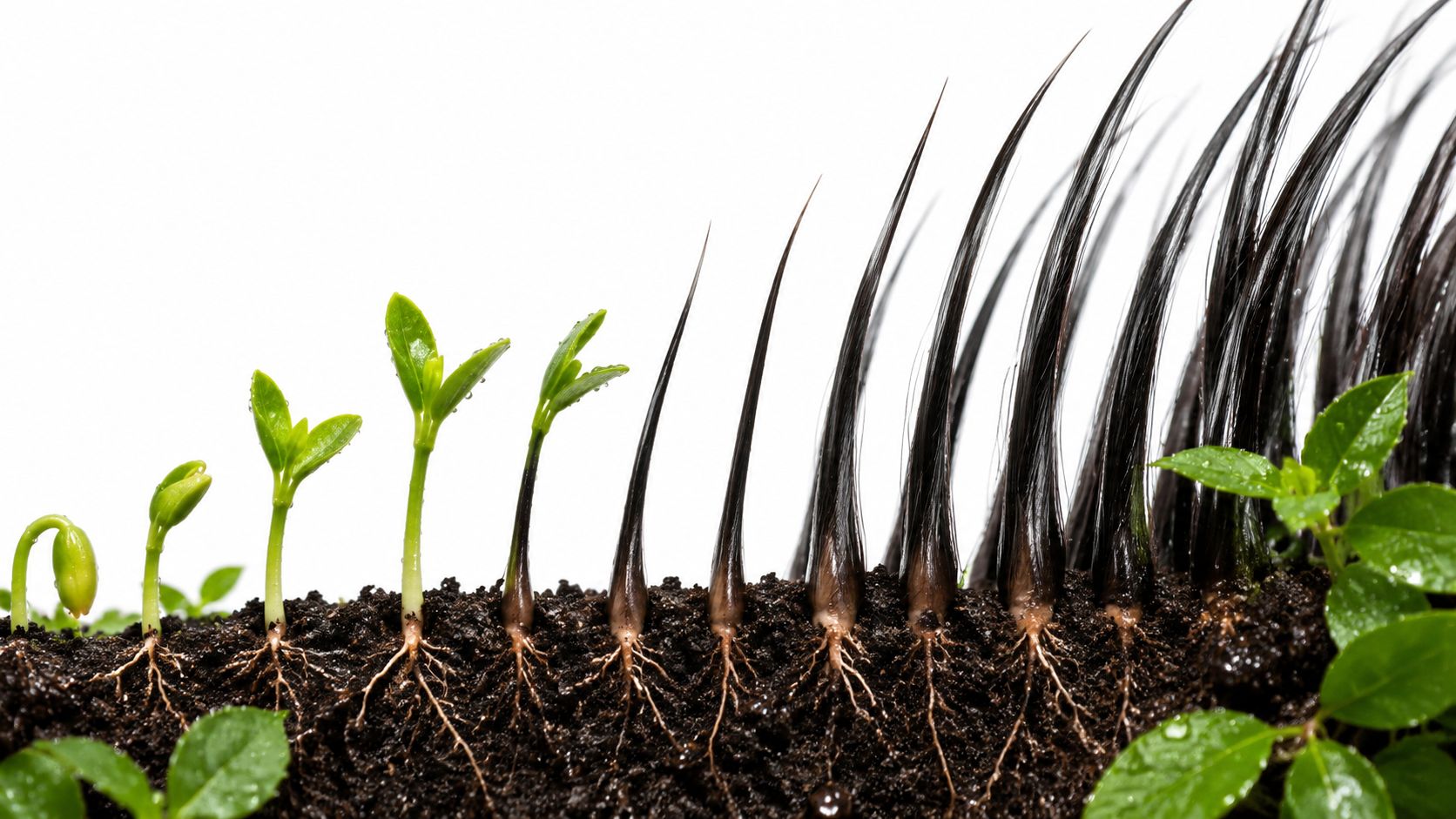
When someone comes in worried about thinning, I don't just think about the hair shaft they can see. I think about the environment that hair is growing out of. The easiest way to explain it is this. Your scalp is the soil, and your hair is the plant. If the soil is inflamed, congested, flaky, or imbalanced, the plant won't thrive no matter how expensive the fertilizer is.
That reframing matters because a lot of hair problems are really scalp problems wearing a hair disguise. Flaking can signal inflammation. Excess oil can point to buildup or microbiome disruption. Tightness, tenderness, and chronic itch often show up before visible thinning becomes obvious.

The surge in attention isn't just cosmetic. The global scalp health and care market was estimated at approximately $4.2 billion in 2023 and is projected to grow at a compound annual growth rate of 8.5% from 2026 to 2033, reflecting growing demand for effective solutions, according to this market analysis on scalp health and care.
What people usually miss
A common pattern looks like this: someone starts shedding, buys a growth serum, uses it inconsistently, then quits because the scalp still feels irritated and the hair still looks dull. The missed step wasn't motivation. It was diagnosis.
That's why resources focused on understanding hair root health can be so useful. They help shift attention from the visible strand to the follicle and scalp environment supporting it.
If your goal is stronger, denser-looking hair, start with the root zone. Product choice, cleansing frequency, and treatment timing all make more sense once you know what your scalp is telling you. For a practical next layer beyond this guide, BotoxBarb also has a helpful article on how to strengthen hair follicles.
Healthy hair growth usually doesn't begin with adding more styling products. It begins with removing the conditions that keep follicles under stress.
The Critical Connection Between Your Scalp and Hair
Hair doesn't grow in one uninterrupted stream. Each follicle moves through a cycle. In simple terms, there is a growth phase, a brief transition, and a resting phase before shedding. When the scalp environment is calm and balanced, that cycle tends to support fuller, stronger-looking hair. When the scalp is inflamed or burdened by buildup, the cycle becomes less efficient.

Think of the follicle like a garden bed
A healthy follicle needs an environment where growth can continue without interruption. If the "soil" is irritated, the hair that emerges often reflects that stress. This is one reason scalp health and hair growth are inseparable in real clinical care.
Research supports that connection clearly. Poor scalp conditions like dandruff cause oxidative stress, which leads to a physically altered hair cuticle characterized by pitting, roughness, and breakage, ultimately weakening the hair structure before it has a chance to grow long and healthy, as described in this peer-reviewed review of scalp condition and hair quality.
What oxidative stress looks like in real life
Clients don't typically walk in and say, "I think I have oxidative stress on my scalp." They say:
- "My hair won't grow past a certain length." Often the issue is breakage from compromised hair quality, not only slow growth.
- "My scalp gets flaky, then my hair feels weaker." That pattern fits an irritated scalp environment affecting the fiber as it emerges.
- "My hair looks dull no matter what I use." Surface roughness and cuticle disruption can reduce shine.
A stressed scalp can affect both the follicle and the hair fiber. That's why some people focus only on regrowth and ignore the barrier function of the scalp itself. They treat the symptom they see and miss the tissue producing it.
Why this changes treatment choices
If you have visible flakes, recurring irritation, or tenderness, chasing volume alone usually won't work well. You need to calm the scalp first. In practice, that may mean simplifying products, improving cleansing, and addressing obvious triggers before moving into growth-focused treatment.
Clinical takeaway: A scalp that burns, flakes, or stays congested isn't a neutral backdrop. It's an active factor in weaker hair outcomes.
Your At-Home Scalp Assessment
Before you buy another serum, do a basic scalp check. Not a dramatic one. Just a clean, honest assessment in good light. Many people can identify the pattern of their scalp issue at home, even if they still need professional confirmation later.

Five things to check this week
-
Look at the scalp itself
Part your hair in several places. Check for flakes, redness, greasy patches, residue, or areas that look shiny and irritated. -
Feel the skin, not just the hair
Does the scalp feel comfortable, or does it feel tight, sore, itchy, or tender when you move your hair? -
Notice your oil pattern
If your roots get heavy fast but your ends are dry, that often suggests imbalance rather than simple "oily hair." -
Watch the hair fiber
Brittle, rough, or easily snapping strands can reflect what the follicle is producing under stress. -
Pay attention to timing
Is irritation worse after dry shampoo, oils, heavy styling creams, or longer gaps between washes?
Symptoms and likely drivers
| What you notice | What it may point toward |
|---|---|
| Fine flaking with itch | Barrier disruption or microbial overactivity |
| Greasy scalp with flat roots | Buildup, infrequent cleansing, or product congestion |
| Tender scalp | Inflammation |
| Persistent dullness and snap-prone strands | Compromised cuticle quality |
| Ongoing thinning with irritation | Scalp-level stress that deserves closer evaluation |
One issue I wish more people understood is the role of the scalp microbiome. Your scalp hosts a community of organisms that can stay balanced or shift out of balance. That imbalance matters. An often-overlooked factor in hair thinning is scalp microbiome dysbiosis, where fungal or bacterial imbalances create oxidative stress that damages hair follicles before they even surface, as discussed in this article on scalp microbiome balance and scalp health.
When your symptom isn't the real problem
If you've been treating "dryness" for months with oils but your scalp still itches, the issue may not be dryness. If you've been treating "shedding" with a generic supplement while ignoring constant flaking, the issue may not be nutritional first.
Chronic scalp irritation with thinning deserves a different mindset. Don't just ask what product to add. Ask what process is going wrong on the scalp.
That question leads to better decisions. It helps you separate cosmetic frustration from a pattern that needs targeted care.
An Evidence-Based Regimen for a Healthy Scalp
A useful regimen isn't built on hype. It's built on matching the treatment to the scalp pattern you're seeing. A tiered routine is often more effective than a crowded shelf.
Tier one starts with cleansing correctly
If the scalp is oily, flaky, or coated with residue, start there. Cleanse often enough to keep the scalp comfortable and clear. Let shampoo reach the skin, not just the hair lengths. Use the pads of your fingers, not your nails, and rinse thoroughly.
A few practical rules help:
- If you use dry shampoo often, make sure you're not layering it day after day without a true wash.
- If your scalp feels tight after cleansing, your formula may be too harsh or your water temperature too hot.
- If your roots stay heavy, you may need a better scalp-focused shampoo routine, not more leave-ins.
Tier two adds targeted support
Once the scalp is cleaner and calmer, then serums and actives make more sense. This is also where inside-out support can fit. A well-rounded approach has some real logic behind it. In a 24-week clinical trial, a multi-targeting botanical regimen including a daily oral supplement demonstrated a significant increase in total hair count compared to a placebo, as summarized in this report on a multi-targeting botanical hair growth regimen.
That doesn't mean every supplement is right for every person. It means combined strategies can help when they are chosen thoughtfully.
For readers comparing options for internal support, this guide to supplements for hair growth is a good place to sort through what belongs in a routine and what probably doesn't.
Tier three is consistency, not constant switching
People often sabotage progress by changing products too fast. A scalp that's trying to recover doesn't benefit from a new exfoliant one week, a strong oil the next, and three styling products layered on top.
Here's the structure I use most often in general terms:
- A scalp-cleansing base: one dependable shampoo suited to your oil and flake pattern
- A leave-on treatment: chosen for soothing, balancing, or growth support depending on the problem
- An internal support option: considered when thinning is ongoing and part of a broader plan
- Fewer irritants: less fragrance overload, less residue, less unnecessary experimentation
If you're exploring broader healthier, fuller hair methods, the most effective routines usually aren't the flashiest. They remove friction, reduce scalp stress, and stay realistic enough to follow.
The regimen that works is usually the one a person can repeat calmly for months, not the one that feels intense for six days.
Nutrafol is one example many patients ask about because it fits the inside-out category. I view products like that as support tools, not miracle fixes. They make the most sense when paired with scalp care, not used as a substitute for it.
When to Consider Professional Scalp Treatments
At-home care has limits. If you've cleaned up your routine, reduced buildup, addressed obvious irritation, and the scalp still feels reactive or your density keeps drifting downward, that's when professional treatment becomes a practical next step.

PRP makes sense when follicles need a stronger signal
Platelet-rich plasma is often considered when someone has ongoing thinning and wants an in-office option that goes beyond cosmetic camouflage. The basic idea is straightforward. PRP uses concentrated components from your own blood and places them where the follicles need support.
The reason it remains part of serious hair restoration conversations is that there is measurable clinical data behind it. PRP treatments increased hair follicle density by 28% ± 2% after 23 weeks, according to this clinical review of regenerative therapies for hair loss.
That doesn't mean everyone needs PRP first. It does mean PRP deserves consideration when you have a plateau with at-home care, especially if the pattern suggests follicles are still active but underperforming.
For a fuller overview of how the treatment works, this resource explains what PRP treatment for hair is.
LED therapy helps as a support treatment
LED light therapy is different from PRP. It isn't injecting anything, and it isn't trying to force a dramatic reset in one visit. It's a support modality. The main value is that it can help create a calmer environment for the scalp, particularly when irritation and inflammation are part of the picture.
This is also where device design matters more than people think. If a device is uncomfortable, hard to wear, or tied to a cord in a way that makes regular use annoying, adherence usually drops.
One option in this category is the Barb N.P. Facial Mask. While it's primarily known as a facial LED device, the features that make it usable for home light therapy are relevant here too: it's wireless, it sits comfortably on the face, and it offers 3 lighting settings for different treatments. In practice, those details matter because people are far more likely to use a device consistently when it doesn't feel cumbersome.
What professional treatment does better
A clinical approach usually improves one of three things:
| Situation | What professional care adds |
|---|---|
| At-home care helped, then stalled | Stronger stimulation or a more precise plan |
| The scalp stays inflamed | Better assessment of what's driving the irritation |
| Thinning is progressing | Earlier intervention before more follicles miniaturize |
Scalp massage can be helpful for comfort and circulation, but it shouldn't be sold as a standalone answer for genetic thinning. If someone has a strong androgenetic pattern, mechanical stimulation alone usually won't be enough. That's where combinations become more realistic, such as pairing home care with PRP, LED support, or a medically directed topical plan.
Professional treatment isn't about skipping the basics. It's about doing more when the basics no longer move the needle.
Recognizing When You Need Expert Help
Some scalp issues are reasonable to monitor at home for a short period. Others shouldn't be self-managed for long. The line isn't complicated. If symptoms are intense, unusual, or persistent, get a real evaluation.
Red flags that deserve a consultation
Seek expert help if you notice any of the following:
- Sudden patchy hair loss rather than gradual thinning
- Painful sores or crusting
- Persistent scaling that doesn't improve with standard scalp care
- Burning, marked tenderness, or swelling
- Noticeable thinning with significant itch or inflammation
- Hair shedding that feels abrupt and out of character for you
These patterns raise questions that a product can't answer. You may need help distinguishing cosmetic buildup from inflammatory scalp disease, microbiome imbalance, hormonal hair thinning, or another medical driver.
What a proper consult should do
A good visit shouldn't jump straight to selling a treatment. It should clarify the pattern first. That may include examining the scalp, reviewing product habits, discussing timing, and deciding whether you need conservative care, a procedural option, or referral for dermatologic workup.
Working with a qualified clinician matters. Barb N.P. or a dermatologist can help sort out what belongs in your routine, what needs testing, and what shouldn't be ignored.
A useful plan should answer three questions:
- What is most likely causing the thinning or irritation?
- What can be managed at home safely and consistently?
- What needs in-office treatment or a medical diagnosis?
When those answers are clear, the routine gets simpler. And simpler usually works better.
Frequently Asked Questions About Scalp Care
Can daily scalp massage reverse genetic hair loss
Not by itself in most cases. Massage may improve comfort and local circulation, and many people enjoy it as part of a routine. But if thinning has a strong genetic component, massage alone usually won't override that pattern. It works better as support, not as the whole plan.
Are DIY scalp oils always helpful
No. Some people feel temporary relief with oils, but relief and correction aren't the same. If your scalp is flaky because of imbalance or buildup, more oil can make the environment feel heavier and more reactive. DIY remedies are most likely to disappoint when they treat every scalp problem as "dryness."
How long does it take to notice improvement
Scalp comfort can improve sooner than visible density. Less itch, fewer flakes, and better root balance may show up before hair looks fuller. Hair changes usually demand patience because follicles work on a cycle, not on your schedule.
Should everyone with thinning use minoxidil
Not everyone, but it belongs in the discussion. Topical minoxidil 2% to 5% stimulates hair growth by shortening the resting phase and reactivating the growing phase, according to this review on maintaining a healthy scalp for improved hair growth. It tends to make the most sense when the scalp can tolerate it and the pattern of hair loss fits.
When should I think about a surgeon instead of nonsurgical care
If follicles are no longer producing meaningful hair in an area, surgery may enter the conversation. That decision should come after an honest diagnosis, not after social media pressure. If you're researching surgical options, resources discussing how to evaluate Atlanta hair surgeons can help frame the questions worth asking during consultations.
What's the biggest mistake people make
Treating all thinning as one problem. Flakes, oiliness, tenderness, progressive shedding, and pattern thinning don't all respond to the same fix. Better outcomes come from matching the symptom pattern to the likely cause, then choosing the right tier of treatment.
If you're ready for a more personalized scalp and hair plan, explore BotoxBarb for clinically informed options that include hair support products, PRP treatment information, and wellness tools that fit into a realistic routine.