Skin Care Esthetician: Your Expert Guide to Glowing Skin
You buy a cleanser because one person swears by it. Then a retinol because another person says everyone needs one. Then an acid toner, a vitamin C serum, a barrier cream, and a device you saw online at midnight. A month later, your skin feels tighter, redder, or just confused. More products aren't typically the answer. What's needed is a plan.
That's where a skin care esthetician fits in. In practice, this role often becomes the starting point for people who want healthier skin but don't know which advice applies to them. A good esthetician helps sort out what your skin is doing now, what it can realistically improve with cosmetic care, and what needs medical evaluation instead.
That guidance matters because skin care is no small niche. One industry overview estimates the global skincare industry at about $162.11 billion in 2025, with projected growth to $222.07 billion by 2030 (Tricoci University skincare market overview). People are spending heavily on products and services. The problem isn't lack of options. It's lack of direction.
As a Nurse Practitioner, I see the best outcomes when patients stop treating skin care like a guessing game and start treating it like coordinated care. Estheticians are often the professionals who build that foundation.
Your First Step Toward Radiant Skin
A common scenario looks like this. Someone wants brighter skin, fewer breakouts, less rough texture, and a routine that doesn't take half an hour. They aren't sure if they need a dermatologist, a facial, prescription treatment, or a new serum. So they do what many others do. They try a little of everything.
Usually, that creates noise instead of progress. Too many active ingredients. Too many abrupt changes. Not enough attention to basics like irritation, dehydration, sun exposure, or whether the skin barrier is already stressed.
Why an esthetician often makes sense first
A skin care esthetician is a licensed professional focused on cosmetic skin care. That means they're trained to assess visible skin concerns, perform noninvasive treatments, and guide home care in a way that matches the client's skin type and goals. They don't replace medical providers. They help clients stop wasting time on mismatched routines and generic advice.
For many people, that first professional skin analysis is the moment things become clearer. Instead of asking, “What's trending?” the better question becomes, “What does my skin need?”
Better skin usually starts with subtraction. Fewer random products, fewer impulsive treatments, and more consistency.
What this changes in real life
An esthetician can help a client recognize patterns that are easy to miss alone:
- Over-exfoliation: Skin feels rough and looks dull, but the answer isn't always another peel or scrub.
- Barrier strain: Burning, flaking, and redness often mean the skin needs support before stronger treatments.
- Mild congestion: Not every breakout pattern needs a dramatic routine.
- Uneven tone or texture: Improvement often comes from steady treatment selection, not constant product switching.
That's why I often describe estheticians as part coach, part observer, part treatment specialist. They're not there to promise miracles. They're there to build the baseline.
When that baseline is solid, more advanced care becomes safer and more effective. And when a concern falls outside cosmetic care, the right esthetician knows when to say, “This needs a medical opinion.”
What a Skin Care Esthetician Actually Does
The job is broader than often perceived. A skin care esthetician doesn't just give facials. In daily practice, the role usually comes down to three things: analysis, treatment, and education.
According to O*NET, skincare specialists perform cleansing, facials, peels, and client skin evaluation. Entry typically requires a state-approved program and licensure, the median wage was $19.98 per hour in May 2024, and employment is projected to grow 7% from 2024 to 2034 (O*NET skincare specialist profile). That tells you this is an established professional role, not an informal side service.

Analysis
This is the part many clients underestimate. A skilled esthetician looks at skin behavior, not just surface appearance. They assess visible dryness, congestion, sensitivity, uneven texture, post-inflammatory marks, and how the skin is responding to current products.
That analysis should shape the whole visit. If someone comes in asking for an aggressive exfoliating treatment but their skin is reactive, a good esthetician adjusts the plan instead of following the menu blindly.
Treatment
Hands-on care is the visible part of the profession. Depending on training, setting, and state scope, estheticians commonly perform services such as cleansing treatments, facials, mild exfoliation, peels within their allowed scope, extractions, and supportive skin therapies.
The point of treatment isn't to do the most. It's to do the right amount.
Practical rule: If a treatment plan ignores the condition of the skin barrier, it's usually too aggressive.
Education
The value continues after the appointment. Estheticians help clients understand how to use products, when to pause actives, why sunscreen matters, and which expectations are realistic. That last part matters a lot. Many people expect one facial to fix months or years of irritation, acne marks, or uneven tone.
A helpful outside read on this topic is what to expect from your skincare, because it reinforces a truth I discuss with patients often. Cosmetic skin care usually works best through consistent, targeted changes, not overnight transformation.
What this looks like in practice
A strong esthetician appointment often includes:
- Current routine review: What the client uses, how often, and what seems to trigger irritation.
- Visual skin assessment: Texture, oil pattern, redness, dehydration, visible congestion.
- Treatment selection: Choosing a service that matches the skin's present condition.
- Home-care guidance: Simplifying the routine and avoiding unnecessary overlap.
That mix of observation and coaching is what makes estheticians valuable members of a larger skin health team.
Common Esthetician Treatments and Their Benefits
Once the skin has been assessed, treatment selection gets much easier. Most esthetician services are designed to improve appearance, texture, comfort, and maintenance. They aren't meant to diagnose disease or replace medical treatment.

Customized facials
A facial should never be “one facial fits all.” The best versions are adapted to the client in front of the provider. One person may need gentle cleansing and hydration. Another may need congestion management and carefully selected exfoliation.
Facials can help with dullness, rough feel, temporary dehydration, and routine upkeep. They're also useful for people who want professional oversight without jumping immediately into stronger procedures.
Chemical peels and exfoliating treatments
Within their scope, estheticians may perform cosmetic exfoliation treatments that help lift dead surface cells and improve the look of texture and unevenness. The key issue is match. Too much exfoliation on inflamed or barrier-damaged skin usually backfires.
This is why peel selection matters more than peel marketing. The skin has to be ready for it.
Microdermabrasion and texture-focused treatments
Mechanical exfoliation services are often used to smooth surface texture and freshen dull skin. These can be appropriate for some clients, but they're not ideal for everyone. If skin is highly reactive, inflamed, or already over-treated, gentler options may be more appropriate.
LED light therapy
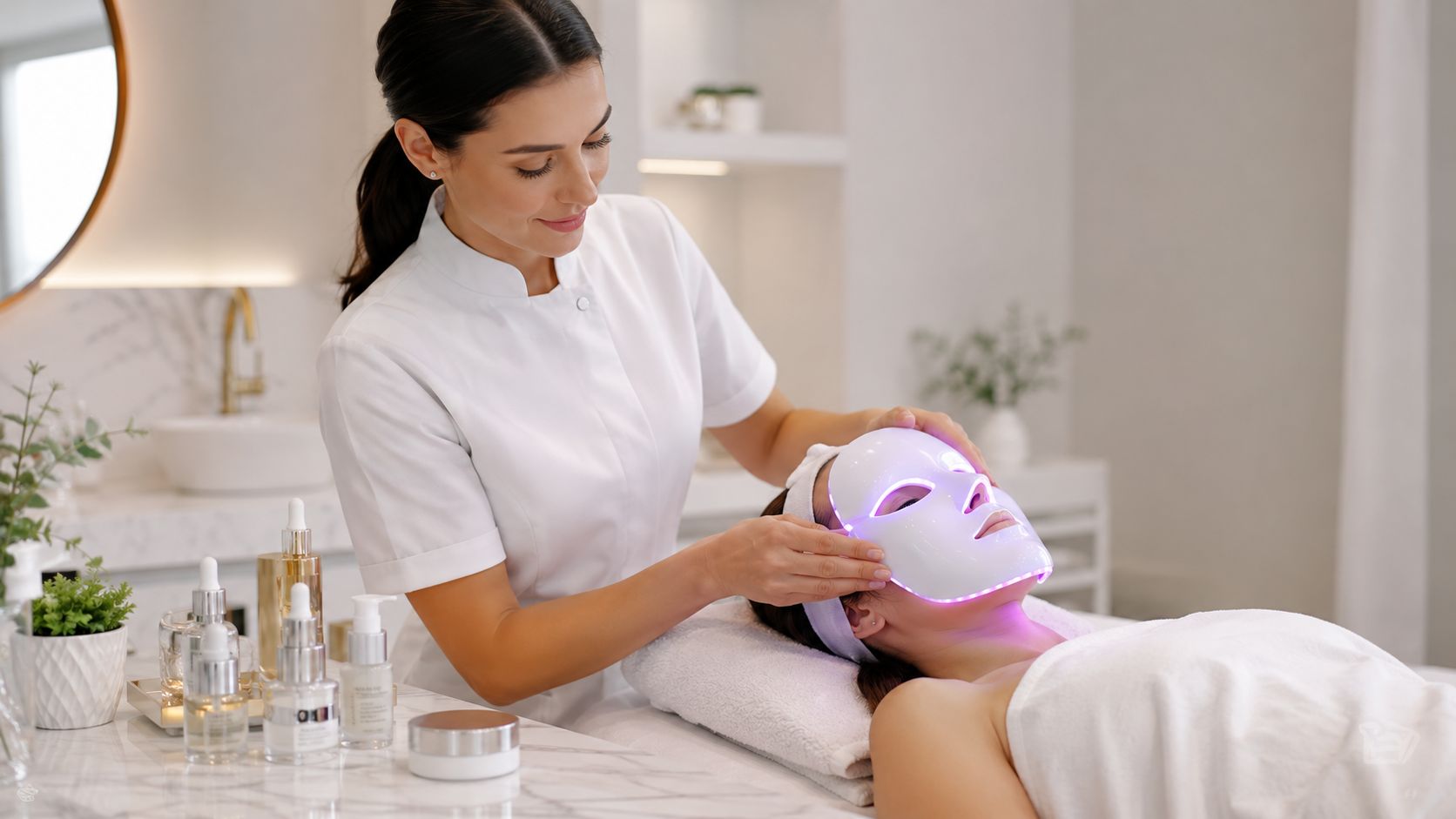
Light-based supportive treatments are popular because they can fit into conservative skin plans. In esthetics, LED is often used as an adjunct, not a cure-all. It's usually paired with a broader plan that includes skin assessment, topical support, and realistic expectations.
If you want a straightforward explanation of where this fits, BotoxBarb has a useful overview of LED light therapy in skin care.
The treatment that helps most isn't always the most intense one. It's the one your skin can tolerate consistently.
What these treatments can and can't do
A good esthetician should be clear about trade-offs:
- They can help: Support smoother texture, brighter appearance, routine maintenance, and better product use.
- They can't do everything: They won't replace medical diagnosis or treat every inflammatory or pigment condition.
- They work best as part of a plan: Especially when home care, timing, and skin sensitivity are considered.
That's why treatment menus matter less than provider judgment.
Esthetician vs Dermatologist The Right Pro for Your Needs
Confusion usually starts when people ask one professional to do another professional's job. An esthetician, a medical aesthetic provider, and a dermatologist can all work on skin, but they do different things.
Your Skin Health Team Who Does What
| Professional | Focus | Scope of Practice | Typical Treatments |
|---|---|---|---|
| Skin care esthetician | Cosmetic skin appearance, maintenance, and home-care guidance | Licensed cosmetic care within state rules. Performs noninvasive services and evaluates visible skin needs for cosmetic treatment planning | Facials, superficial exfoliation, extractions, masks, routine skin support |
| Medical aesthetic provider | Advanced aesthetic improvement with clinical oversight and patient selection | Provides or oversees higher-level aesthetic services within medical licensure and training | Injectables, advanced rejuvenation procedures, microneedling-based services, medical-grade treatment planning |
| Dermatologist | Diagnosis and treatment of skin disease | Medical diagnosis, prescriptions, procedures, and management of skin pathology | Acne treatment, rosacea management, lesion evaluation, prescription therapies, skin cancer assessment |
When an esthetician is the right starting point
If your concerns are mainly cosmetic, an esthetician often makes sense first. Examples include dullness, rough texture, mild congestion, or needing help with a practical routine that your skin can tolerate.
They're also useful for maintenance around professional treatments. A patient who wants smoother skin and a healthier-looking complexion may benefit from regular esthetic care before ever considering injectables or device-based procedures.
When you need a medical opinion
Persistent inflammatory acne, suspected rosacea, worsening pigment issues, suspicious lesions, infections, and significant skin reactions need medical evaluation. Cosmetic treatment can support skin appearance, but it shouldn't be used to guess through a medical problem.
This distinction also matters when people compare aesthetic procedures. For example, many clients are surprised by the time, equipment, and clinical decision-making involved in laser services. If you're curious about why those treatments are priced differently from spa services, EradiTatt explains removal costs in a way that helps clarify the gap between cosmetic appointments and equipment-heavy clinical procedures.
Where medical aesthetics fits
Medical aesthetics sits between beauty maintenance and disease treatment. A Nurse Practitioner or other qualified medical provider can address concerns that go beyond surface refreshment but don't necessarily require dermatology care. Fine lines at rest, volume loss, skin quality decline, and procedure-based rejuvenation often fall here.
The best results usually come when these professionals don't compete with one another. They coordinate.
How to Choose a Qualified Skin Care Esthetician
The first filter is simple. Check the license. If someone is offering esthetic services, state licensure should be current and easy to verify. This is not optional.
That matters even more because esthetics has become a durable professional path. The U.S. Bureau of Labor Statistics projected 11% employment growth from 2018 to 2028, and later projections still showed 7% growth from 2024 to 2034 for skincare specialists (BLS skincare specialist summary). Growth doesn't guarantee quality, but it does reflect a field with established training and continuing demand.
What to verify before booking
A polished social media page isn't enough. Look for signs of professionalism that affect safety and judgment.
- Current licensure: Confirm they're licensed in your state.
- Scope awareness: Listen for whether they speak clearly about what they can treat and when they refer out.
- Sanitation habits: Treatment spaces should look clean, organized, and procedure-ready.
- Consultation quality: They should ask about current products, sensitivity, and goals before suggesting services.
- Conservative thinking: Be cautious if every answer is a strong peel or frequent treatment package.
Questions worth asking
A short consultation can tell you a lot. Ask direct questions.
- “Do you work often with skin like mine?” Especially if you have sensitivity, acne-prone skin, or pigment concerns.
- “How do you decide when a treatment is too much?” This reveals judgment.
- “What's your approach if my skin barrier is irritated?” You want a measured answer, not a sales script.
- “When do you refer to a medical provider?” Good estheticians know their lane.
Credentials matter, but restraint matters too. The provider who says “not yet” is often the provider thinking most clearly.
A useful sign of specialization
If you're looking for specific services, extra training can matter. For example, hair removal isn't just a side skill in many practices. A resource like this guide to esthetician waxing certification helps show why focused education and technique standards matter within esthetics.
If your concerns may overlap with medical aesthetics, it also helps to understand the difference between a spa setting and a clinical one. BotoxBarb's overview of what a medical spa offers can help clarify where esthetic services end and medically directed services begin.
What to Expect During Your First Visit
A strong first appointment shouldn't feel rushed. It should feel organized. The early part of the visit usually matters more than the treatment itself, because that's where the provider decides what your skin is ready for.
Industry training increasingly emphasizes assessment-driven workflows, including skin analysis, chemical exfoliation judgment, and technology such as light therapy, with the goal of matching the treatment to the client rather than using a one-size-fits-all routine (Euro Institute of Skin Care on core esthetician skills).
The consultation
Expect questions about your current routine, your main complaints, past reactions, and what you're hoping to improve. This is also where you should mention prescription products, recent procedures, allergies, and how reactive your skin tends to be.
If the consultation is superficial, the treatment plan usually will be too.
The skin assessment
Many estheticians use close visual inspection, often with magnification, to evaluate texture, visible oil pattern, flaking, congestion, and redness. During this inspection, a provider begins separating what the client wants from what the skin can handle today.
A person may arrive asking for exfoliation but need hydration and barrier support first. That kind of adjustment is a sign of competence, not caution for caution's sake.
The treatment and aftercare
The treatment itself may be relaxing, corrective, or both, depending on the plan. But the true value often comes at the end, when the esthetician explains what was done, what to avoid for the next day or two, and how to simplify your home routine.
Good aftercare advice is usually specific:
- What to pause
- What to continue
- When to expect temporary sensitivity
- When to schedule follow-up
That process is what separates professional skin care from a generic spa experience.
Pairing Esthetics with Advanced Medical Treatments
The most reliable long-term results usually come from a team approach. Esthetic care builds the base. Medical aesthetics addresses concerns that need a higher level of precision. Home care maintains momentum between appointments.

Where esthetics fits best
Estheticians are especially valuable for clients who need steady, conservative support. That includes people dealing with sensitivity, barrier disruption, or conditions where aggressive treatment can make things worse cosmetically. Industry training has increasingly emphasized conservative planning for concerns such as rosacea tendency, hyperpigmentation risk, and barrier damage, with a shift toward personalized education and treatment matching rather than doing more procedures by default (Boca Beauty Academy on skincare trends for estheticians).
That medically informed mindset is important. More treatment isn't always better treatment.
Where medical aesthetics adds another layer
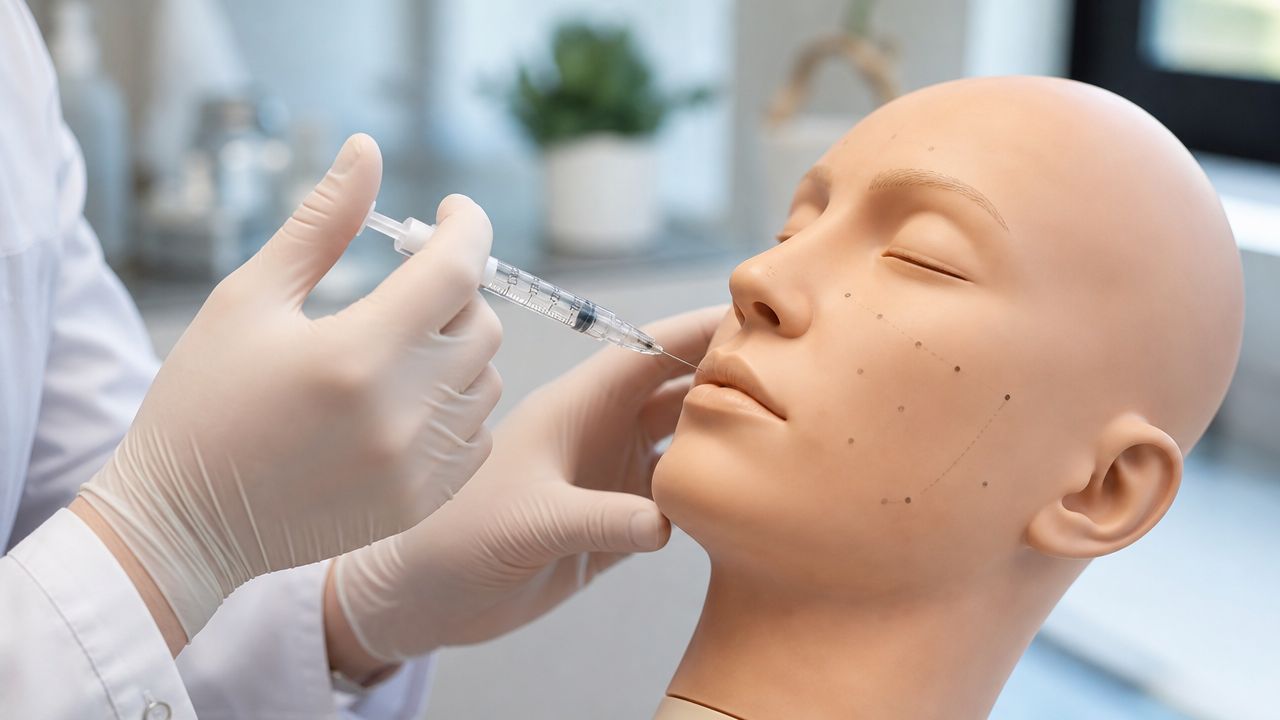
Once the skin is stable, medical treatments can target concerns that routine esthetic care won't fully address on its own. Depending on the patient and goal, that might include injectables for dynamic lines, regenerative options, or procedures aimed at texture and skin quality.
For readers comparing treatment levels, microneedling with PRP is a good example of a service that sits in the medical-aesthetic category rather than basic esthetic maintenance.
At-home support matters too
Between appointments, home tools can reinforce a conservative plan. One example is the Barb N.P. Facial Mask, an LED device designed for at-home use with a wireless setup, a fit intended for comfort on the face, and three lighting settings for different treatment goals: red for anti-aging support, blue for acne-focused care, and amber for healing support. In practical terms, a device like this fits best as maintenance. It doesn't replace assessment, but it can support consistency between office visits.
Fewer, better-matched treatments plus better home care usually outperform a scattered routine of aggressive interventions.
When skin care estheticians, medical providers, and home care all pull in the same direction, the skin usually responds better. The routine becomes clearer. The treatment path becomes safer. And the results tend to last longer because they're built on a stable foundation, not a cycle of irritation and correction.
If you're ready for a more coordinated approach to skin health, BotoxBarb offers access to medical aesthetic services, curated skin care, and at-home tools that can complement the work of a qualified esthetician. The goal isn't to replace foundational care. It's to add the right level of support when your skin needs more than a facial alone.