Skin Care Wipes: Are They Good for Your Skin?
Face wipes get marketed as if they're a harmless shortcut. In practice, they're a compromise. If your skin is resilient, intact, and you use them occasionally, that compromise may be reasonable. If your skin is reactive, dry, freshly treated, or struggling with barrier damage, that same shortcut can turn into redness, stinging, and a cycle of irritation that patients often mistake for “sensitive skin.”
That's the part beauty advice often skips. Skin care wipes are not automatically bad, and they are not automatically gentle. They are a tool. The question isn't whether wipes exist in a skin care routine. The question is when they belong there, and when they absolutely don't.
Rethinking Your Reliance on Skin Care Wipes
Face wipes are often sold as the gentle option. In clinic, I treat them as a limited-use product.
That distinction matters most for patients with reactive skin, a disrupted barrier, or recent in-office treatment. On healthy, intact skin, a wipe may be an acceptable stopgap. On skin that is dry, inflamed, peeling, or healing, the same wipe can add friction, leave cleansing residue behind, and trigger stinging that patients blame on their serums instead of the cleansing step.
The category is huge because convenience sells. Analysts at Market.us reported that the broader personal care wipes market was valued at USD 15.3 billion in 2025 and projected to reach USD 27.5 billion by 2035, with baby wipes holding 39.7% of product share, according to Market.us research on the personal care wipes market. Popularity does not make a product low-risk for every skin type.
I see the trade-off clearly in practice. Wipes save time and reduce the barrier to cleansing when someone is traveling, exhausted, or away from a sink. They also encourage rubbing, repeated passes over the same area, and a false sense that the skin is clean enough when makeup, sunscreen, and cleanser residue may still be sitting on the surface.
The patients who run into trouble with wipes are usually not using them once in a while. They are using them on skin that is already irritated, then wondering why the redness does not settle.
Barrier status should guide the decision.
Wipes can be reasonable for:
- Travel or commuting when a sink is not available
- A temporary first step before a proper cleanser
- Removing surface sweat, makeup, or sunscreen from intact skin
- Short-term use during illness, caregiving, or other situations where a full wash is not realistic
Wipes are a poor choice for:
- Rosacea-prone skin
- Eczema-prone, very dry, or easily stinging skin
- Skin treated with retinoids, acids, benzoyl peroxide, or prescription acne medication that is already causing irritation
- Freshly treated skin after peels, laser, microneedling, or other procedures unless your clinician specifically says otherwise
- Broken, cracked, peeling, or inflamed skin
One more point causes confusion. Antibacterial or alcohol-based wipes are not the same as a proper facial cleanse, and stronger germ-killing formulas can be especially harsh on the face. For a basic explanation of how alcohol wipes work on microbes, see BacteriaFAQ.com's germ FAQ.
The practical framework is simple. Use wipes as a backup, not a foundation. If your skin is sensitive, post-procedure, or showing signs of barrier injury, skip them and choose a rinse-off cleanser or the exact aftercare routine your clinician recommended.
The Truth About How Wipes Clean Your Skin
A skin care wipe looks simple, but it's really a three-part system. The FDA notes that most wipes in this category are cosmetic products made from nonwoven materials such as polyester, polypropylene, cotton, wood pulp, or rayon, then moistened with water plus cleansing or moisturizing agents, with preservatives added to control microbial growth. The same FDA guidance also makes an important safety point: they should be used on intact skin, because irritation risk rises on broken or inflamed skin. You can review that in the FDA's page on disposable wipes and cosmetic regulation.

What's actually doing the work
The wipe itself matters. The texture affects how much friction you create and how much product the fabric can pick up. The liquid matters too. That's where the surfactants, humectants, emollients, and preservatives live. Then there's the preservation system, which is necessary because a moist package would otherwise be an easy place for contamination problems.
So yes, a wipe can loosen makeup, sunscreen, oil, and debris.
What it usually does not do as well is fully remove all of that material from the skin.
Why your face may feel “clean” when it isn't
Think of a dirty kitchen counter. If you swipe it once with a paper towel, the surface looks better. But unless you lift the residue away and rinse or fully remove the cleaner, you haven't done a thorough job.
That's how wipes often behave on skin. They loosen debris and move it around. Some of it gets picked up. Some of it stays behind along with leftover cleansing solution.
Common signs of an incomplete cleanse include:
- A slick or tacky film after the wipe dries
- Mascara or liner residue near the lash line
- Stinging when skin care goes on next
- Breakouts or congestion in areas where makeup was “removed”
Practical rule: If you'd never consider a single pass with a damp cloth to be a full wash for a countertop, don't assume one wipe is a complete facial cleanse.
There's also a lot of confusion because people lump all wipes together. They aren't interchangeable. Surface disinfecting wipes, facial wipes, baby wipes, and electronics wipes are built for different targets and different chemistries. If you want a plain-language refresher on how alcohol wipes are discussed in everyday germ control, BacteriaFAQ.com's germ FAQ is useful context. The key clinical point is simple: what works for surfaces is not what you want on a vulnerable skin barrier.
Decoding the Ingredient List on Your Wipes
A wipe's label tells you more than the front packaging ever will. “Gentle,” “clean,” and “refreshing” aren't enough. What matters is the formula doing the cleansing, the residue it leaves behind, and how your skin barrier handles those ingredients.
The chemistry in a cosmetic wipe is not the same as the chemistry in a disinfectant wipe. MicroCare's materials on wipe chemistry make that distinction clear by showing how stronger solvent systems are formulated for degreasing or surface-specific uses, while sensitive-skin applications need mildness and strong microbiological quality controls. You can see that contrast in MicroCare's wipe chemistry examples.
Red flags that often cause trouble
If you have reactive skin, these are the first things I'd scrutinize:
- Denatured alcohol or high-alcohol formulas. These tend to evaporate fast and can leave skin feeling squeaky clean. That feeling is often dryness, not cleanliness.
- Fragrance. Fragrance can make a wipe feel more luxurious, but it's a common reason patients report burning, itching, or diffuse redness.
- Harsh surfactants. Cleansing agents are necessary, but some are more disruptive than others, especially when they sit on the skin instead of being rinsed away.
- Heavy preservative load. Preservatives are necessary in moist products, but some formulas are less well tolerated than others, particularly with frequent use.
Green flags if you must use a wipe
If a wipe has to live in your bag, I'd rather see formulas built around barrier support than “deep clean” language.
Look for:
- Glycerin for basic humectant support
- Micellar-style cleansing for gentler loosening of makeup and debris
- Simple formulas with fewer extras
- Aloe or soothing ingredients if your skin tends to run dry or reactive
If you want a consumer-friendly example of what to look for in a gentler wipe profile, this guide on selecting quality aloe vera wipes is a helpful reference point.
Skin Care Wipe Ingredient Guide
| Ingredient Category | Avoid | Look For |
|---|---|---|
| Solvents | High-alcohol feel, fast-drying sting | Lower-irritation cleansing systems |
| Fragrance profile | Strong fragrance or perfumed finish | Fragrance-free or very simple scent profile |
| Humectants | Formulas with no cushioning ingredients | Glycerin, hydrating support |
| Cleansing technology | “Stripping” or degreasing feel | Micellar-style cleansing |
| Overall formula | Long, complicated label with lots of extras | Shorter, calmer ingredient list |
If your skin feels tighter after using a wipe than it did before you used it, the formula is probably asking too much of your barrier.
One more practical point. Don't confuse “moisturizing wipe” with “safe for compromised skin.” A wipe can include humectants and still be irritating if the total formula contains enough surfactant, fragrance, solvent, or preservative pressure to overwhelm your skin.
The Right and Wrong Way to Use Face Wipes
Face wipes are often marketed like a skin care upgrade. In practice, they are a convenience tool with clear limits. I tell patients to treat them as a temporary option, especially if their skin is sensitive, eczema-prone, over-exfoliated, or healing after a treatment. On compromised skin, the problem is not just what is in the wipe. It is the combination of cleanser residue, friction, and repeated passes over an impaired barrier.
Used carefully, a wipe can help you remove surface sweat, sunscreen, or makeup until you can wash properly. Used the wrong way, it can leave skin stinging, tight, blotchy, and more reactive by morning.
The right way
Use a wipe only when a sink and gentle cleanser are not available.
-
Pick the mildest facial wipe you tolerate
Choose a simple formula made for the face. Skip products that feel strongly scented, tingly, or aggressively oil-removing. -
Wipe with minimal pressure
Use light, one-direction passes. Rubbing back and forth increases friction, and friction shows up fast around the eyes, nose, and corners of the mouth. -
Refold the wipe as you go
Move to a clean section once part of the wipe is soiled. That reduces the amount of makeup, sunscreen, and debris you keep spreading across the skin. -
Rinse and cleanse as soon as possible
Wipes work best as a first step, not the full job. If you need help organizing a gentler routine, this guide on how to build a skincare routine lays out a practical order. -
Keep them away from freshly treated skin
After microneedling, chemical peels, laser treatments, injectables with irritated entry points, or any period of active peeling, skip wipes unless your treating clinician has told you otherwise. Skin in recovery needs low-friction, rinse-based care.
The wrong way
These are the patterns that cause problems in real patients:
- Using wipes as your standard nighttime cleanse
- Scrubbing to remove mascara, liner, or long-wear foundation
- Using several wipes in one session instead of washing
- Using them on skin that is sunburned, peeling, inflamed, or post-procedure
- Going to bed without rinsing off the leftover cleansing solution
For healthy skin, that may lead to dryness or breakouts. For rosacea-prone or post-procedure skin, it can mean more redness, burning, delayed barrier recovery, and a longer stretch before the skin feels normal again.
A face wipe should buy you time until you can cleanse correctly. It should not replace cleansing.
A note on disposal and context
Do not flush wipes. Throw them in the trash.
They make sense in a travel bag, gym locker, hospital overnight bag, or late-night situation when washing is not realistic. They do not make sense as a daily strategy for fragile skin. Patients who are investing in skin health usually do better with less rubbing, more rinsing, and fewer shortcuts. That same principle shows up in professional treatment planning too. Dr. Fater's advice on skin rejuvenation reflects the same idea: the method matters, especially when skin is already stressed.
Superior Alternatives for a Deeper Cleanse
If your goal is clean skin without the residue, friction, and guesswork, better options exist. Most of them are not complicated. They just do a more complete job.

Oil and balm cleansers
These are excellent for sunscreen, foundation, and long-wear makeup. Instead of forcing removal with friction, they dissolve what's sitting on the skin.
That matters because dissolving makeup is different from rubbing at makeup. Patients with dry or mature skin usually notice the difference right away. Less tugging. Less eye irritation. Less of that raw feeling around the nose and mouth.
Gentle cream and foam cleansers
A well-formulated rinse-off cleanser removes what needs to come off, then leaves with the water. That alone makes it preferable to a leave-on wipe residue for many people.
If you're not sure what cleanser type fits your skin, this article on the benefits of using a cleanser is a practical place to start.
Micellar water with a rinse
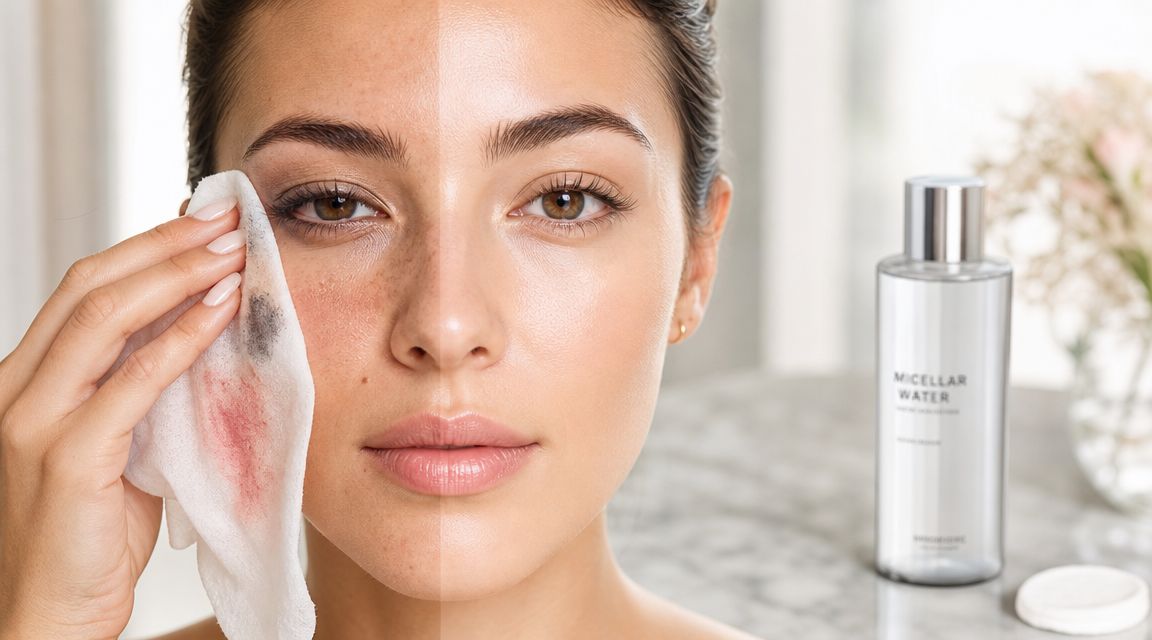
Micellar water can be a good first step, especially for sensitive skin types that don't tolerate aggressive cleansing. But I still prefer that you rinse after. “Gentle” doesn't always mean “best left sitting on the skin.”
Here's how these options compare in real life:
-
Wipe
Best for short-term convenience. Weakest option for a thorough cleanse. -
Micellar water on soft cotton, then rinse
Good for light makeup, morning cleansing, or a first pass on reactive skin. -
Oil or balm cleanser
Strong choice for sunscreen, heavier makeup, and reducing friction. -
Double cleanse
Best overall if you wear makeup, SPF, or live in a humid or polluted environment.
Why double cleansing wins
Double cleansing sounds high-maintenance, but it's simple. Use an oil-based cleanser first to break down makeup, sunscreen, and sebum. Follow with a gentle water-based cleanser to remove the rest and leave the skin clean.
Clean skin shouldn't feel stripped. It should feel calm, comfortable, and ready for the next step.
Patients also ask how this fits into treatments that improve texture and glow. For broader skin-refreshing ideas beyond wiping and washing, Dr. Fater's advice on skin rejuvenation offers useful context on professional facial care versus basic maintenance.
Post-Procedure Care and Upgrading Your Routine
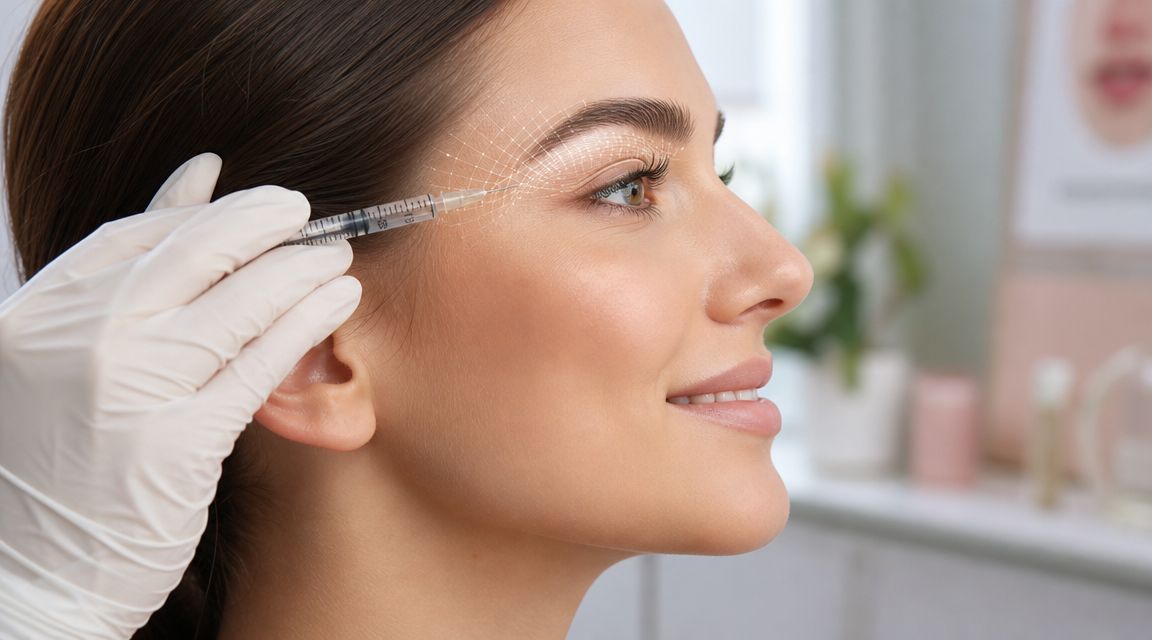
If you've had Botox, filler, laser, microneedling, or a peel, don't use skin care wipes on the treated area unless your own clinician gave you a very specific instruction to do so.
That recommendation is firmer than what I'd say for average day-to-day skin. Post-procedure skin is not just “sensitive.” It is often barrier-impaired, inflamed, and more reactive to friction, preservatives, surfactants, and alcohol. Pai's discussion of wipes and sensitive skin addresses a common blind spot in skin care advice: many wipes contain ingredients that can strip lipids and aggravate compromised skin, making them a poor choice after aesthetic treatments. Their article on face wipes and sensitive skin concerns is worth reading if your skin tends to react.

What goes wrong after a treatment
The typical problems are predictable:
- Stinging on contact
- Diffuse redness that lingers
- A tight, dry feeling after “cleansing”
- More inflammation from rubbing
- Delayed comfort because the barrier keeps getting challenged
In this setting, the right move is boring on purpose. Use a gentle rinse-off cleanser if your procedure aftercare allows it. Use lukewarm water. Pat dry. Keep the routine simple. If your skin barrier is already struggling, this guide on how to repair damaged skin barrier gives a practical overview of what to prioritize.
A better upgrade than another wipe
Patients often want to “do something” after a procedure, and that instinct is understandable. The answer shouldn't be a harsher cleanse. It should be a calmer routine and, when appropriate, non-irritating support.
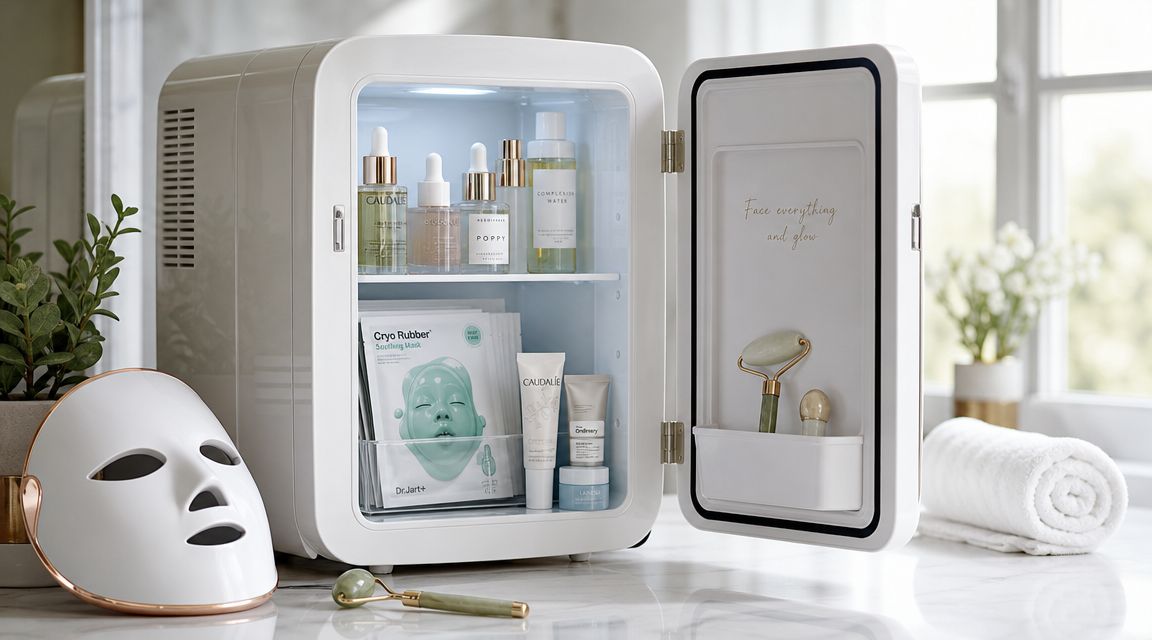
That's where LED therapy makes more sense than wipes for many aesthetics patients. A well-designed LED facial mask offers a non-invasive option that doesn't depend on scrubbing, solvents, or residue. The best designs are wireless, sit comfortably on the face, and include three light settings so treatment can be suited for different goals such as calming visible inflammation, supporting collagen-focused routines, or addressing blemish-prone skin.
Freshly treated skin doesn't need convenience products. It needs less friction, less chemistry, and more respect.
That's the key distinction. Wipes remove. Supportive tools should help skin recover without adding another source of irritation.
A Nurse Practitioner's Final Verdict on Wipes
Skin care wipes are not evil. They're just overused.
My professional view is simple. Use them as a last-resort cleansing tool, not as your standard cleansing method. If your skin is intact, you're in a pinch, and you choose a mild formula, a wipe can be acceptable. If your skin is compromised, inflamed, post-procedure, or chronically reactive, that same product can become the wrong tool very quickly.
There is one important nuance. Context matters. A 2020 review of infant studies found that certain well-formulated baby wipes performed as well as, and in some outcomes better than, water-based cleansing methods for infant skin health. That review summarized studies showing lower erythema, lower skin pH in some settings, and lower transepidermal water loss in a small neonatal pilot. You can read that evidence in this peer-reviewed review of baby wipe studies and infant skin outcomes. The takeaway is not that all wipes are gentle for everyone. The takeaway is that formulation and intended use determine whether a wipe helps or harms.
The bottom line
Keep these rules in mind:
-
For healthy intact skin
Occasional use is fine. -
For daily facial cleansing
Better options exist. -
For sensitive or dry skin
Choose rinse-off cleansing whenever possible. -
For post-procedure skin
Avoid wipes unless your clinician specifically says otherwise.
Good skin care is rarely about the fastest option. It's about choosing steps your skin can tolerate consistently. Clean well. Minimize friction. Protect the barrier. That approach gives you better long-term results than any convenience product ever will.
If you want to upgrade from quick-fix habits to a smarter skin routine, explore BotoxBarb for curated skin care and aesthetic tools, including the Barb N.P. LED Facial Mask with a wireless design, comfortable fit, and 3 light settings for targeted at-home treatment.