Best Vitamins for Postpartum Hair Loss Solutions
You’re a few months into life with a new baby. You finally grab a shower, run shampoo through your hair, and look down to see a clump in your hands. Then you notice more on your pillow, more in your brush, more circling the drain.
That moment can feel shocking, even when your postpartum recovery has otherwise been smooth. Many women immediately wonder if something is wrong, if they’re deficient, or if the shedding means their hair won’t come back.
In most cases, this pattern is temporary. But temporary doesn’t mean trivial. Postpartum shedding can hit confidence hard, especially when you already feel stretched physically and emotionally. The best approach is to understand what’s normal, identify what may be slowing recovery, and use the best vitamins for postpartum hair loss in a targeted way instead of guessing.
That Shocking Moment in the Shower Understanding Postpartum Hair Loss

You wash your hair, glance at your hands, and see a wad of strands that feels far too large to be normal. For many new mothers, that is the moment postpartum hair loss stops being an abstract possibility and becomes a daily stressor.
In clinic, this pattern is usually postpartum telogen effluvium. Shedding often shows up a few months after delivery, not in the first week home with the baby. That timing matters. It helps separate a common postpartum shift from other causes of hair loss that deserve a closer workup.
The first practical point is reassuring. The follicle is usually still active. The problem is excessive shedding, not permanent follicle destruction. Hair can recover, but recovery is not always as simple as waiting it out, especially if low iron stores, thyroid dysfunction, poor intake, major blood loss at delivery, or ongoing stress are also in the picture.
That is why I do not treat postpartum shedding as a one-size-fits-all vitamin problem.
A useful plan starts with pattern recognition, then moves to decision-making. Does the shedding fit the usual postpartum timeline? Are there signs of anemia, scalp inflammation, or patchy loss? Is the mother breastfeeding, sleep-deprived, eating inconsistently, or still taking a prenatal that does not match her needs? Those details shape whether the right next step is observation, lab testing, targeted supplements, or a referral for treatments such as PRP or LED therapy later in recovery.
What this usually means
Postpartum telogen effluvium can look dramatic. Women often tell me they wash less often because showering feels upsetting, or they avoid pulling their hair back because thinning at the temples is suddenly obvious. The emotional impact is real, even when the condition is temporary.
Clinical perspective: Shedding that begins a few months after birth and stays diffuse across the scalp is often consistent with postpartum telogen effluvium. Patchy loss, scalp pain, scaling, or shedding that continues well beyond the expected window deserves further evaluation.
What helps right away
Early care should be simple and low-risk:
- Reduce mechanical stress: Choose loose hairstyles, gentle detangling, and less heat.
- Keep nutrition on the radar: Continue postpartum nutrition support and review whether iron, vitamin D, protein intake, or overall calories may be inadequate.
- Use the timing to guide decisions: Typical postpartum shedding can be monitored, but heavy or prolonged shedding may justify labs instead of guessing with supplements.
- Add supportive education: If you want a practical guide to manage postpartum hair thinning, that resource offers helpful day-to-day coping strategies.
Clarity lowers panic. A good recovery plan starts by identifying whether this is expected postpartum shedding alone, or postpartum shedding plus something treatable.
Why Your Hair Is Falling Out The Hair Cycle and Hormones
Postpartum shedding usually feels sudden, but the biology starts earlier. The follicles are responding to a normal hormonal shift after birth, then releasing hair weeks later.

The hair cycle, clearly explained
Each follicle rotates through four phases. Anagen is active growth. Catagen is the brief transition phase. Telogen is rest. Exogen is the release of the old hair shaft.
Under usual conditions, those phases are staggered across the scalp, so daily shedding stays relatively unnoticed. After pregnancy, that timing becomes less staggered. A larger group of follicles enters the resting phase together, which is why the shed can feel dramatic even when the scalp is still healthy.
What changes after delivery
During pregnancy, higher estrogen levels keep more hairs in the growth phase longer than usual. Many women notice fuller hair for that reason.
After delivery, estrogen drops quickly. The follicles that were held in growth are no longer getting that same signal, so many shift into telogen around the same time. The shedding does not happen on delivery day. It shows up later because resting hairs need time before they release.
That delayed timing matters clinically. If shedding begins a few months postpartum and stays diffuse, the pattern often fits postpartum telogen effluvium. If the timeline is off, or the loss is patchy, I start thinking beyond hormones alone.
Why the thinning often shows up at the temples first
The frontal scalp and temples tend to make volume changes more obvious. Even a diffuse shed can look concentrated there because the hairs are finer, styling exposes the area, and regrowth takes time to blend in.
New growth can create confusion too. Short regrowing hairs at the hairline may stick up, frizz, or make the density look uneven before fullness improves. That does not mean recovery is failing. It usually means the follicles have restarted the cycle, but the cosmetic result is lagging behind the biology. For women looking for practical ways to support that process, this guide on how to strengthen hair follicles covers follicle-friendly habits that pair well with a postpartum plan.
Hormones start the process, but they do not explain every case
Hormones are the trigger. They are not the full workup.
In practice, the next question is whether anything is slowing recovery. Low iron stores, low vitamin D, low protein intake, thyroid dysfunction, recent blood loss, and high physical stress can all prolong shedding or blunt regrowth. That is why I do not recommend guessing with a long list of supplements if the pattern is severe or persistent. Targeted lab testing usually gives a better answer than trial and error.
Hair care products have limits here. A shampoo can improve feel, reduce breakage, and make hair look fuller, but it does not correct telogen effluvium at the follicle level. If you are comparing cosmetic support options, Karseell New Zealand offers one example of a topical approach, but the main decision points postpartum are still timing, symptoms, labs, and whether added treatment is necessary.
The key clinical distinction is simple. Temporary postpartum shedding follows the hair cycle. Shedding that is heavy, prolonged, or paired with other symptoms deserves a closer medical evaluation.
Your Nutritional Toolkit Key Vitamins for Hair Regrowth
Postpartum shedding often pushes women toward long supplement lists. In clinic, I take a narrower approach. The goal is to correct the deficit that is slowing recovery, support the follicle while it re-enters growth, and avoid adding ingredients that are unnecessary, poorly tolerated, or risky during breastfeeding.
Start with the nutrients that change the plan
Iron, vitamin D, zinc, protein intake, and overall calorie adequacy matter more than trendy add-ons. Biotin and collagen can have a place, but they do not fix low ferritin, low vitamin D, thyroid disease, or poor intake after a difficult delivery.
That is why I pair supplements with lab review when shedding is heavy, prolonged, or paired with fatigue, dizziness, brittle nails, or hair that is not filling back in.
Iron matters when blood loss or low ferritin is part of the picture
Iron is one of the first nutrients I review after delivery, especially if there was significant blood loss, anemia in pregnancy, or ongoing exhaustion. Hair follicles need adequate iron availability to stay in an active growth phase.
If ferritin is low, food alone may not be enough. Oral iron can help, but the trade-off is common. Constipation, nausea, and poor adherence are frequent. Pairing iron with vitamin C can improve absorption, and taking it away from calcium may also help. The right dose depends on labs, symptoms, and tolerance.
Good food options include red meat, lentils, beans, spinach, and iron-fortified foods.
Vitamin D supports normal follicle cycling
Vitamin D deficiency is common in women who spend months indoors with a newborn or entered pregnancy with low stores. In practice, I do not want patients guessing here. Too little does not help. Too much is also a problem.
A blood level helps decide whether vitamin D belongs in the plan and at what dose. If deficiency is confirmed, correcting it can support healthier regrowth conditions over time. It is rarely the only answer, but it is often part of the answer.
Food sources include fatty fish, fortified dairy, and egg yolks.
Zinc is useful, but it needs context
Zinc supports protein synthesis and tissue repair, so it can be relevant during postpartum recovery. The mistake I see is isolated zinc use without looking at iron status, diet quality, or how the formula is built.
Higher-dose zinc can upset the stomach and, over time, can affect copper balance. Iron can also interfere with zinc absorption when both are taken together in a poorly designed regimen. That is one reason I prefer a coordinated formula or a clinician-guided schedule over stacking separate bottles.
Food sources include oysters, beef, pumpkin seeds, dairy, and legumes.
Vitamin C helps the plan work better
Vitamin C is a support nutrient. Its main value here is practical. It helps with iron absorption and supports collagen formation.
That matters most for mothers who are correcting iron deficiency, eating mostly plant-based iron sources, or struggling to tolerate oral iron and trying to get more benefit from a lower dose.
Biotin is optional for many women
Biotin is heavily marketed for hair, but postpartum shedding is usually not a biotin deficiency problem. I do not treat biotin as a first-line intervention unless the overall formula makes sense and the patient understands its limits.
There is another clinical point to remember. Biotin can interfere with certain lab tests, including some thyroid and cardiac assays. If a patient is taking it, I want that documented before bloodwork is ordered.
Protein and collagen support the rebuilding phase
Hair regrowth depends on enough amino acids, not just vitamins. Mothers who are under-eating, skipping meals, or relying on convenience foods while caring for a newborn may not be getting enough protein to support recovery well.
Collagen can be a reasonable add-on, but I view it as supportive. It works best after the basics are covered. Adequate total protein, iron repletion when needed, and correction of vitamin D deficiency usually deserve attention first. For women who also want a cosmetic aid while regrowth catches up, Karseell New Zealand can fit as a gentle topical companion, but it does not replace nutritional correction.
A practical reference table
| Nutrient | Why it may matter postpartum | Food sources | Practical clinical note |
|---|---|---|---|
| Iron | Supports oxygen delivery and healthy follicle activity | Red meat, lentils, beans, spinach | Best guided by CBC and ferritin. Oral iron often causes constipation or nausea |
| Vitamin D | Supports normal follicle cycling and overall recovery | Fatty fish, fortified dairy, egg yolks | Check a blood level before using higher doses |
| Zinc | Helps with protein synthesis and tissue repair | Oysters, beef, pumpkin seeds, legumes | Can compete with iron absorption. Long-term excess can affect copper balance |
| Vitamin C | Improves iron absorption and supports collagen production | Citrus, kiwi, strawberries, bell peppers | Most useful when iron deficiency is part of the picture |
| Biotin | Supports keratin production | Eggs, nuts, seeds, salmon | Usually a secondary ingredient, not the main treatment |
| Protein and collagen | Provide building blocks for new hair growth | Protein-rich meals, dairy, fish, collagen supplements | Helpful only if overall intake and core deficiencies are addressed |
If you want to support regrowth from both angles, this guide on strengthening hair follicles with follicle-friendly habits pairs well with a postpartum recovery plan.
How to Choose a Postpartum Hair Supplement

Choosing a supplement in the postpartum period should start the same way I approach any hair loss visit in clinic. I ask what the shedding looks like, when it started, whether there was heavy blood loss at delivery, what the diet and sleep pattern look like, and whether breastfeeding is part of the picture. Then I decide whether a standard postpartum plan is reasonable or whether we need lab work first.
What a standard prenatal may miss
A prenatal can still make sense after delivery, especially during breastfeeding or if your clinician has already recommended continuing it. But prenatals are broad formulas. They are not always designed for the common postpartum pattern of telogen shedding layered with low iron stores, low vitamin D, reduced protein intake, or GI side effects that make consistent use difficult.
The practical question is whether your current supplement matches your likely deficiency pattern.
For some mothers, the answer is yes. For others, a prenatal becomes a placeholder while the essential work is checking a CBC, ferritin, vitamin D, and sometimes thyroid labs if the shedding is heavy, prolonged, or paired with fatigue, palpitations, or weight changes.
Why formulation matters more than front-label claims
A label can look impressive and still be poorly built. I pay more attention to dose balance, ingredient interactions, tolerability, and whether the formula is realistic for a postpartum patient who is already taking other medications or supplements.
Iron and zinc are a good example. Both can matter for recovery, but taking them carelessly can create absorption problems or stomach upset. Kopelman Hair’s discussion of postpartum products highlights why a well-formulated combination product can be more practical than assembling separate pills without a plan.
This is also where trade-offs matter. A stronger formula is not automatically the better formula if it causes nausea, constipation, or poor adherence. A supplement only helps if you can take it consistently for long enough to judge whether it is working.
What I’d look for on the label
I want a postpartum hair supplement to reflect actual clinical priorities, not beauty marketing.
Look for:
- A formula that fits your labs: Low ferritin, low vitamin D, and low protein intake call for different decisions.
- Reasonable dosing: More is not always better, especially with iron, zinc, selenium, vitamin A, or biotin-heavy blends.
- Good tolerability: If a product upsets your stomach, it will not be a good long-term plan.
- Breastfeeding-aware labeling: Use products intended for the postpartum stage if you are nursing, and review them with your clinician.
- Supportive ingredients, not distractions: Collagen, vitamin C, and trace minerals can be useful additions, but they should not distract from correcting the main deficiency.
Nutrafol Postpartum is one example of a postpartum-specific formula that combines several supportive ingredients in one product. That can be useful for women who want a more organized plan than separate single-nutrient bottles. It still should not replace testing when symptoms suggest iron deficiency, thyroid dysfunction, or another medical contributor.
If you want a broader comparison of ingredient profiles and label quality, this guide to supplements for hair growth is a helpful next filter.
What usually goes wrong
I see the same mistakes often. A mother feels alarmed by shedding, buys three or four products online, starts them all at once, then stops two weeks later because they cause nausea or seem to do nothing.
The weak spots are predictable:
- Single-ingredient megadoses: These can miss the underlying problem and create new imbalances.
- Gummies as the main plan: They often focus on cosmetic ingredients and leave out higher-priority nutrients.
- Stacking products without checking overlap: This raises the risk of duplicate dosing and absorption conflicts.
- Changing products too quickly: Hair recovery is slow, so frequent switching makes it hard to assess benefit.
- Using cosmetic camouflage as the only strategy: Temporary options such as hair extensions for fine thin hair may help confidence, but they do not correct postpartum shedding at the follicle level.
The best supplement is the one that fits the clinical picture, works with your lab results, and can be used consistently as part of a larger recovery plan. In practice, that plan often combines targeted supplementation with scalp-focused treatment if regrowth is lagging.
Boosting Your Results with In-Office and At-Home Therapies
Nutrition is the foundation. Sometimes it isn’t the whole plan.
If shedding is significant, if regrowth is sluggish, or if you want a more active strategy, adding clinical support can make the recovery process feel less passive. The best outcomes usually come from combining internal correction with targeted stimulation at the follicle level.
PRP for a stronger regenerative push
Platelet-rich plasma, or PRP, uses your own blood components to concentrate growth factors and deliver them back into the scalp. In practice, this is a useful option when the goal is to support sluggish follicles that need more than time and nutrition alone.
PRP doesn’t replace deficiency correction. It works best when you’ve already started addressing the basics, especially if labs suggest low iron or vitamin D. It’s part of a layered plan, not a shortcut.
For a closer look at how this works in clinical care, this overview of PRP treatment for hair loss breaks down candidacy and treatment expectations.
LED support at home

Low-level light therapy can be a good adjunct because it’s noninvasive and easy to repeat consistently. Red light is commonly used to support cellular energy and local circulation, which is why some women like adding LED sessions during the regrowth phase.
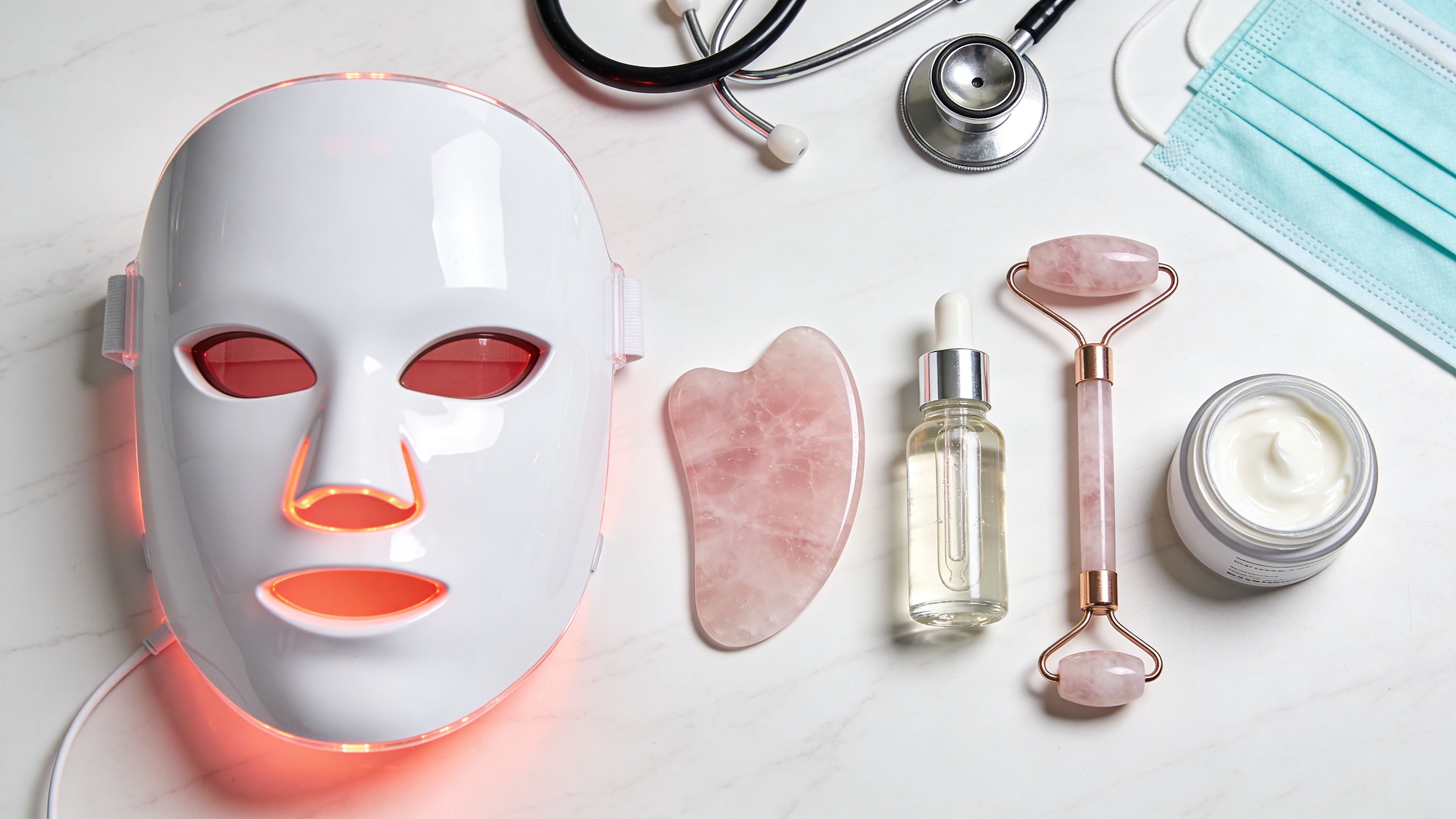
The Barb N.P. LED Facial Mask is one example of an at-home device that fits into a low-effort postpartum routine. Its practical strengths are straightforward: it’s wireless, designed for comfort on the face, and includes 3 lighting settings for different treatments. For women who want one device that can support both skin goals and broader self-care consistency, that versatility matters.
Cosmetic support while regrowth catches up
Some women also want a temporary appearance solution while waiting for density to return. That’s reasonable. You can support regrowth and still want your hair to look fuller now.
If you’re considering cosmetic coverage, this guide to hair extensions for fine thin hair is useful for understanding what tends to work best when your hair is fragile and density is reduced.
Use appearance tools strategically. Choose methods that camouflage thinning without adding excess tension to already vulnerable postpartum hair.
What combinations tend to make sense
A practical recovery plan often looks like this:
- Base layer: Lab-guided vitamins and nutrition.
- Clinic layer: PRP when shedding is more noticeable or persistent.
- Home layer: LED sessions for consistency and scalp support.
- Styling layer: Lower-tension cosmetic options while waiting for fullness to return.
That approach is more realistic than asking one supplement to do everything.
Your Recovery Timeline and When to Seek Expert Help
You wash your hair, look down, and the drain is covered again. For many new mothers, that is the moment postpartum shedding stops feeling theoretical and starts feeling scary.
A typical pattern helps. Shedding often begins a few months after delivery, then becomes more noticeable before it settles. The delay matters because it often reflects hairs shifting through the normal growth cycle after pregnancy hormone levels fall. In other words, heavy shedding can still fit a common postpartum pattern.
Regrowth also asks for patience. Hair follicles need time to reset, and visible density usually returns more slowly than the shedding slows down. In practice, I tell patients to judge progress over months, not weeks. Small signs often show up first, such as short hairs along the hairline or less hair coming out during washing.
What recovery usually looks like in clinic
The early goal is not to chase every product on the shelf. It is to confirm that the pattern matches postpartum telogen effluvium and decide whether simple observation is reasonable or whether testing and treatment should start now.
If shedding is diffuse, your scalp looks healthy, and you feel well otherwise, a conservative plan often makes sense at first. That usually means staying consistent with nutrition, using a targeted supplement only when it fits your labs and breastfeeding status, and giving the hair cycle time to recover.
If the course is more stubborn, the plan changes. Persistent shedding, slower-than-expected improvement, or clear thinning in photos often justifies lab work and a more active approach, which may include iron replacement when deficiency is confirmed, vitamin D correction when needed, and office-based support such as PRP or home LED therapy if you want to push recovery in a medically sensible way.
Signs you should get evaluated sooner
Postpartum hair loss is common. Patchy loss, scalp inflammation, and prolonged shedding are not patterns to ignore.
Seek professional evaluation if you notice:
- Patchy or focal loss: Bald spots, widening areas at the temples, or loss that is not diffuse.
- Scalp symptoms: Burning, pain, scaling, intense itching, or visible redness.
- Shedding that keeps going without slowing: Especially if it still feels severe well beyond the usual postpartum window.
- Symptoms outside the scalp: Fatigue, palpitations, dizziness, heavy periods, weight change, or feeling unusually cold.
- A strong family history or signs of another hair disorder: This can unmask androgenetic hair loss, thyroid disease, or alopecia areata.
The lab discussion that often matters
I do not order every test for every patient. I choose labs based on the pattern of loss, postpartum blood loss, diet, breastfeeding status, and symptoms.
Common tests to discuss with your clinician include:
- Ferritin and a CBC: Helpful if there was significant blood loss, anemia during pregnancy, fatigue, or ongoing heavy bleeding.
- Thyroid testing: Reasonable if shedding is paired with weight changes, anxiety, constipation, palpitations, or temperature intolerance.
- Vitamin D: Considered when deficiency risk is high or recovery seems slower than expected.
That is the clinical fork in the road. If labs are normal and the exam fits postpartum telogen effluvium, reassurance and time may be the right prescription. If a deficiency or thyroid issue shows up, treatment gets more targeted, and that is often where progress becomes more predictable.
If your shedding pattern is atypical or your recovery stalls, testing usually gives better answers than adding another supplement at random.
Your Postpartum Hair Loss Questions Answered
Can I just keep taking my prenatal vitamin
Sometimes yes, but it depends on your situation. A prenatal may help maintain baseline nutritional support, especially during breastfeeding. It may not be enough if your shedding is being prolonged by low ferritin, low vitamin D, or a need for a more targeted postpartum formula.
Are these vitamins safe while breastfeeding
Some are commonly used during breastfeeding, but safety depends on the ingredient, dose, and your medical context. That’s why I prefer a lab-guided plan instead of a panic purchase. If you’re considering iron, vitamin D, zinc, or a dedicated postpartum formula, check the label carefully and review it with your clinician if you’re unsure.
How long until my hair feels normal again
Most women need patience here. Shedding can be intense before regrowth becomes obvious, and fullness returns more slowly than the first signs of recovery. You may notice short regrowth at the hairline before your overall density feels familiar again.
What usually works best
The strongest plan is usually not a single vitamin. It’s a combination of:
- Accurate diagnosis: Make sure it’s postpartum telogen effluvium and not another cause of hair loss.
- Lab-based correction: Address iron or vitamin D deficiency when present.
- A well-formulated supplement: Better than random stacking.
- Supportive therapies: PRP or LED when you want a more proactive approach.
- Gentle hair habits: Reduce extra breakage while the follicles recover.
What usually doesn’t work
The least effective approach is chasing fast fixes. Switching products every few weeks, relying on biotin alone, or ignoring symptoms that suggest a medical issue usually delays progress.
You don’t need a perfect routine. You need a rational one.
If you want a postpartum-friendly hair recovery plan built around professional guidance, targeted supplements, and supportive treatment options, explore BotoxBarb. The shop includes curated hair essentials, wellness products, and in-clinic services that can support a more complete approach to postpartum shedding.