Botox Injections Before and After: A Visual Guide
You’re probably here because you’ve noticed a change that’s subtle but persistent. The lines at the corners of your eyes stay a little longer after you smile. The “11s” between your brows show up even when you’re not upset. Your forehead still moves, but the skin doesn’t bounce back the way it used to.
That’s usually the moment patients start searching for botox injections before and after photos. They want proof, but they also want context. A smooth after photo means very little if no one explains how that result was created, how long it took, and why your outcome may look different from someone else’s.
A good Botox result is never just about the product. It’s about anatomy, dosing, placement, restraint, and a treatment plan that respects how your face moves. That’s the art and the science of it.
Considering Botox for a More Refreshed You
A first Botox appointment rarely starts with vanity. It usually starts with mismatch. You feel rested, capable, and engaged, but your face looks tense, tired, or stern in photos and on video calls. That disconnect is what brings many new patients into the treatment chair.
Botox has also become far more mainstream than many first-time patients realize. The 35 to 50 age group accounted for 4.417 million of the 9.22 million global BOTOX procedures in 2022, and in U.S. data from 2020, ages 40 to 54 received 2,503,229 treatments, the highest of any age group. That same dataset notes 4.4 million U.S. procedures in the first pandemic year as remote work increased self-investment, according to SpaMedica’s review of BOTOX usage statistics.

What new patients are usually asking
Clients rarely request a frozen forehead. They ask for one of these:
- “I want to look less tired.” The issue is often frown-line tension or etched forehead movement.
- “I still want to look like myself.” That’s the right goal. Softening is different from erasing.
- “I don’t know when to start.” Many first-timers begin when dynamic lines start lingering after expression.
Natural-looking Botox should make people think you look refreshed, not treated.
What I want patients to understand early
A strong before-and-after result doesn’t mean no movement. In many cases, the most elegant outcome keeps some expression while reducing the repetitive fold that makes the face look strained. That’s why injector judgment matters so much.
If you’re new to treatment, it helps to think of Botox as a precision tool. Used thoughtfully, it can soften upper-face lines and preserve personality. Used carelessly, it can flatten the face or shift balance in ways patients didn’t want.
How Botox Softens Wrinkles From the Inside Out
Botox works below the skin surface, not on top of it. That’s why creams can support skin quality, but they can’t do the same job when a wrinkle is being driven by repeated muscle movement.
Think dimmer switch, not off switch
The easiest way to understand Botox is to think of it as a dimmer switch for muscle activity. It doesn’t need to shut expression down completely to create a visible improvement. It reduces the strength of the signal enough that the overlying skin doesn’t crease as forcefully.
That signal normally travels from a nerve to a muscle using a messenger called acetylcholine. Botox temporarily interrupts that communication. When the targeted muscle can’t contract as strongly, the skin above it has a chance to lie smoother.
For patients who worry about looking stiff, that distinction matters. The goal isn’t paralysis in the way people often imagine it. The goal is selective relaxation.
Why some wrinkles respond better than others
Botox is most effective for dynamic lines, which are the wrinkles created by repeated facial movement. These include:
- Glabellar lines between the brows
- Horizontal forehead lines
- Crow’s feet at the outer corners of the eyes
Lines that are still visible at rest can improve too, but they may not disappear completely with Botox alone. If a line has become etched into the skin, the muscle can be softened while some skin memory remains.
That’s one reason first-time patients sometimes misread botox injections before and after images. They expect every line to vanish. A better standard is this: the face looks smoother, less tense, and more rested, while still looking alive.
For a plain-language overview of the category itself, BotoxBarb’s guide to neuromodulators is a useful starting point.
Clinical perspective: The product matters, but the visible result comes from choosing the right muscle, the right depth, and the right amount.
What doesn’t work
A common mistake is treating Botox like paint. More product does not automatically produce a better result. Overtreating the forehead can make the brow feel heavy. Poor placement near the eye can change smile dynamics. Ignoring lower-face muscle balance can make the upper face look disconnected.
Good injection work is controlled. It respects how one muscle group influences the next.
Your Botox Journey The Treatment and Results Timeline
You book your first Botox appointment because you want to look less tired or less tense. Then the next question comes fast. What happens after the injections, and when will I see a difference?
The process is straightforward. The artistry is in the planning. A natural result depends on how your face moves, which muscles are overactive, how strongly they pull, and how carefully the dose is placed.

What happens at the consultation
A good Botox appointment starts before any product is injected. I assess your face in motion. I want to see what your brows do when you raise them, how strongly you frown, whether one side pulls harder than the other, and how your forehead supports your brow shape.
That exam guides the treatment plan. Two patients can have the same forehead lines and need very different dosing patterns.
Your consultation should cover:
- Your goal. Softening lines, prevention, brow shaping, or a more rested look
- Your history. Prior injections, medical conditions, medications, and past reactions
- Your facial pattern. Muscle strength, asymmetry, and areas where too much product could create heaviness
- Your baseline photos. These make follow-up more accurate than memory alone
If you want a clearer sense of what polished, natural work looks like, review these Botox before and after photos with the question, “Does the face still look expressive?”
What treatment day feels like
Treatment itself is usually quick. The skin is cleansed, landmarks are confirmed, and the injection points are marked or mapped mentally based on your anatomy.
The injections feel like small pinches. First-time patients often expect more discomfort than they experience.
Speed is not the goal. Precision is. A few millimeters can change brow position, smile balance, or how softly a wrinkle relaxes.
When you’ll notice results
Results build in stages. You may not see much right away, and that is normal. Botox needs time to reduce the muscle signal that creates repeated folding in the skin.
Pipeline Medical's review of Botox expectations notes that visible softening often begins within several days, reaches its full effect around two weeks, and commonly lasts about three to four months, although timing varies with dose, muscle strength, metabolism, and the area treated.
A practical timeline looks like this:
| Time point | What you may notice |
|---|---|
| Day 1 to 3 | Little visible change, or an early softening in stronger movement areas |
| Day 5 to 7 | Less motion, smoother skin when making expressions, and a more rested look starting to show |
| Day 14 | Peak result. This is the best time to assess symmetry, brow balance, and whether any small adjustment is needed |
| Months 3 to 4 | Gradual return of movement as the effect wears off |
Judge Botox at two weeks, not the next morning.
What patients often misread during the first two weeks
Early unevenness does not always mean something went wrong. One side can settle faster. Stronger muscles can hold movement longer. A line that has been etched into the skin for years may look better before it looks fully smooth.
This is one of the biggest differences between average injecting and expert injecting. The product is the same. The outcome depends on placement, dose, restraint, and whether the injector planned for your muscle pattern instead of using a standard map.
That is why follow-up timing matters. If a touch-up is needed, it should be based on the settled result, not on day-two anxiety.
Visualizing the Transformation Real Before and After Examples
Before-and-after photos are useful when you know how to read them. The key question isn’t just “Did the wrinkle improve?” It’s also “Did the injector preserve harmony in the rest of the face?”

Forehead lines
In the before image, the patient raises the brows and horizontal creases stack across the forehead. In the after image, the skin appears smoother and the expression is less forceful.
A natural forehead result usually depends on restraint. If the forehead is treated too heavily without considering brow support, the brows can feel low or tired. Strategic micro-placement lets the injector soften lines while preserving enough movement for expression.
What works:
- treating the pattern, not just the area
- respecting brow position
- balancing forehead treatment with the muscles between the brows
What doesn’t:
- chasing every line aggressively
- using the same map on every patient
- ignoring asymmetry
Glabellar lines or the 11s
This area often creates the biggest emotional shift in a patient’s appearance. Deep contraction between the brows can make someone look angry, stressed, or mentally preoccupied even when they feel calm.
Clinical studies showed that for glabellar lines, 80% of adults showed significant improvement at day 30 by physician assessment, and 89% of treated adults self-reported at least moderate improvement, according to BOTOX Cosmetic clinical before-and-after data.
That aligns with what careful injectors see every day. The glabella often responds beautifully, but placement has to respect nearby muscles. Too much spread in the wrong place can affect brow shape. Too little treatment can leave the strongest pull untouched.
Crow’s feet
This is one of my favorite areas when the goal is “I want to look more rested, but still warm.” Crow’s feet can soften very nicely without changing the character of the smile, but the injection pattern has to work with the eye and cheek movement, not against it.
The same clinical source reports that 67.9% of adults had mild or no crow’s feet lines at day 30 post-treatment in clinical studies. That’s a meaningful benchmark for patients evaluating realistic eye-area improvement.
The best eye-area result still lets the patient smile like themselves.
How to evaluate real examples
When you review BotoxBarb before-and-after photos, look for these signs of thoughtful work:
- Expression remains present. The face shouldn’t look flat in the after photo.
- Brows stay balanced. One heavy brow can signal poor planning or poor follow-up.
- The smile looks natural. Eye treatment shouldn’t make the smile seem disconnected.
- Lighting and angles are consistent. Good photos compare like with like.
A polished after photo is easy to admire. A technically sound after photo is what you should trust.
Why Your Botox Results Are Unique to You
You may look at a friend’s before-and-after photos and assume the same treatment will give you the same result. In practice, that is rarely how Botox works. Two patients can have the same complaint, such as forehead lines or crow’s feet, and still need very different injection plans to get a natural outcome.
That difference comes from the art and the science of treatment planning. The science is anatomy, muscle strength, product behavior, and dose. The art is knowing how to adjust those variables so the face looks refreshed, not stiff, heavy, or overtreated.
The variables that shape your result
Three factors drive most of the variation I see in clinic.
Muscle strength. Some patients have fine movement and early lines. Others have very strong contraction in the glabella, forehead, or around the eyes. Stronger muscles often need a different dosing strategy to create visible softening without throwing off balance in nearby areas.
Placement. A few millimeters can change the result. Injection depth, angle, and location affect how the product settles and which muscle fibers relax. Good placement protects brow position, preserves expression, and helps avoid the flat or frozen look patients worry about.
Dose. More is not always better, and less is not always more natural. A conservative first treatment can make sense for a new patient who wants to see how their face responds. In other cases, underdosing leaves enough muscle pull behind that the result looks uneven or short-lived.
This is why copied dose charts and social media screenshots are poor treatment plans.
Why photos alone do not tell the whole story
A still photo shows lines. It does not show muscle pattern, facial asymmetry, brow support, skin thickness, previous neuromodulator use, or how much movement a patient wants to keep. Those details matter.
As explained earlier in the article, onset and longevity vary from person to person, especially around the eyes. That is one reason consultation matters so much. The goal is not to copy a face in a photo. The goal is to read your face accurately and choose the right plan for it.
I tell first-time patients to bring inspiration photos if they help describe what you like. Just do not expect them to function as a prescription.
Botox and Dysport are not interchangeable in every case
Patients often ask which product is better. The better question is which product suits the area being treated, your muscle pattern, and the kind of finish you want.
A practical comparison looks like this:
| Consideration | Botox | Dysport |
|---|---|---|
| Treatment style | Often used when precise placement control is the priority | Sometimes useful when a slightly broader spread fits the treatment plan |
| Patient preference | Familiar choice for many first-time patients | Preferred by some returning patients based on prior response |
| What matters most | Injector technique and facial analysis | Injector technique and facial analysis |
The product matters. The plan matters more.
A skilled injector does not chase a generic before-and-after. The work is more specific than that. At BotoxBarb, that means studying how your face moves, choosing placement carefully, and giving clear Botox aftercare instructions so the result has the best chance to settle the way it was intended.
Natural-looking Botox comes from precise assessment, thoughtful dosing, and respect for how your face is built to move.
Aftercare Longevity and Enhancing Your Results
Once treatment is done, your job is simple. Don’t interfere with placement, and don’t expect your skincare to replace what the injections are doing. Botox relaxes muscle-driven wrinkling. Skincare supports the quality of the skin over it.
What to do in the first day
The basic rules are straightforward:
- Keep the area untouched. Don’t rub, press, or massage treated spots.
- Hold off on hard workouts. Strenuous activity right away isn’t ideal after injections.
- Be gentle with skincare. Skip aggressive devices, facials, or heavy pressure until your injector clears you.
- Follow your provider’s written plan. If you need a refresher, BotoxBarb’s aftercare instructions outline the common post-treatment precautions.
Patients sometimes think aftercare is minor. It isn’t. Good technique can be undermined by careless rubbing, intense heat, or jumping back into treatments too quickly.
How long results usually last
Most patients enjoy the smoothing phase for a few months before movement gradually returns. The exact timeline varies from person to person. Stronger muscle activity, faster metabolism, and differences in dosing all play a role.
That variability is normal. It doesn’t mean the treatment was done poorly. It means your face is biologically yours.

A useful add-on for skin quality
If your goal is not just fewer expression lines but better overall skin quality, LED light therapy can fit nicely into the bigger plan. An at-home device provides support for what injections cannot do on their own.
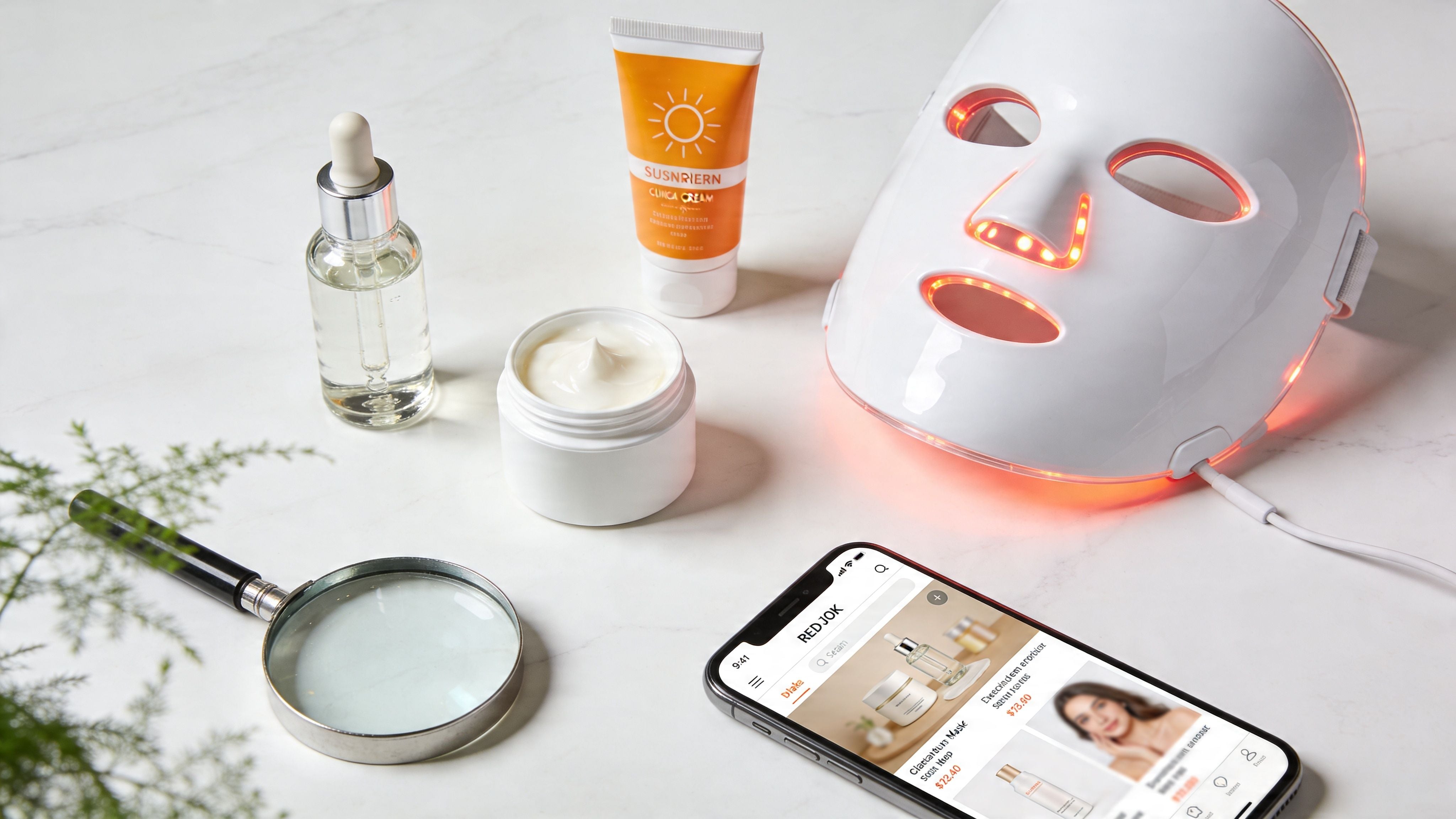
The BARB N.P. Facial Mask is one example of a complementary device. It’s wireless, designed for comfortable wear on the face, and offers 3 lighting settings for different treatments. Patients often like this kind of tool because it’s easy to use at home and supports a more consistent routine between visits.
Here’s how I frame it:
- Botox handles motion. It reduces repetitive muscle-driven creasing.
- LED supports skin wellness. It can complement the overall appearance of the skin.
- Consistency matters. Good outcomes come from layering professional treatment with sensible home care.
That combination tends to age better than relying on one intervention alone.
Understanding Costs Risks and Choosing Your Injector
Patients deserve straightforward answers on cost and safety. Botox is a medical treatment with aesthetic goals. It should be approached with the same seriousness you’d want from any procedure involving anatomy, precision, and informed consent.
How Botox is usually priced
Most practices charge either per unit or by treatment area. The final cost depends on how much product is needed, which muscles are being treated, and how conservative or extensive the plan is.
That’s why comparing menu prices without context can be misleading. A forehead that needs a light touch is different from a forehead paired with strong glabellar contraction. Cheap treatment can end up being expensive if it produces a result you need corrected later.
A good provider should explain:
- what area is being treated
- why a certain amount is being recommended
- what result that plan is designed to create
Common side effects versus red flags
Most Botox side effects are mild and temporary. Patients may see small bumps right after injection, brief redness, tenderness, or bruising. Some also report a mild headache.
The more important issue is knowing what your injector considers normal and what should prompt a call. Good practices give patients clear post-care instructions and clear follow-up access if something feels off.
Safety rule: If a provider spends more time selling than assessing your anatomy, keep looking.
How to choose someone qualified
This decision matters more than the logo on the vial. Look for a provider who can explain the treatment in plain language, evaluate your facial movement carefully, and show work that reflects the kind of result you want.
Use this checklist:
- Medical credentials matter. Look for an N.P., R.N., P.A., M.D., or other appropriately licensed medical professional working within scope.
- Aesthetic training should be visible. Ask how often they perform neuromodulator treatments and what areas they commonly treat.
- Before-and-after photos should look believable. You want consistency, not dramatic distortion.
- Consultation quality is a clue. A strong injector studies your movement, asks about your history, and sets limits when needed.
- Natural style should be intentional. If every after photo looks frozen, that’s not a coincidence. It’s a signature.
The real trade-off
Many patients think they’re choosing between price and luxury. The trade-off, however, is usually cost versus judgment. Botox done with poor anatomical understanding can create an unnatural look even if the product is authentic. Botox done with restraint and planning often looks effortless.
That’s what you’re paying for. Not just the vial. The decision-making.
Frequently Asked Questions About Botox
Do Botox injections hurt
Most first-time patients are pleasantly surprised. The needle is very small, and the sensation is usually brief. You’ll likely feel a series of quick pinches rather than sustained pain.
The anxiety before the first appointment is usually worse than the treatment itself.
Can I combine Botox with fillers or other treatments
Yes, many patients do. Botox treats movement-related lines. Fillers address volume loss, contour, and support in different areas of the face. Skin treatments can improve tone and texture.
The key is sequencing. Your injector should decide what to do first based on the problem you’re trying to solve. If the issue is muscle pull, filler won’t fix that. If the issue is volume loss, Botox won’t replace structure.
What happens if I stop getting Botox
Your face does not get worse because you stopped. The treated muscles gradually regain their usual activity, and the lines slowly return to their prior pattern over time.
That’s an important myth to clear up. Botox doesn’t create dependency. It creates a temporary relaxation effect.
Will I still look like myself
If the treatment plan is appropriate, yes. In fact, that should be the goal from the start. You should still be able to look happy, focused, skeptical, and expressive. The difference is that your resting face often looks softer and less tense.
When should I schedule my follow-up
Not the next day. Give the treatment time to settle. A proper follow-up is usually based on the full development window, because early movement doesn’t mean failure. It often just means the product is still taking effect.
If you’re comparing botox injections before and after examples and want a treatment plan that matches your anatomy rather than a template, you can explore services and products through BotoxBarb.