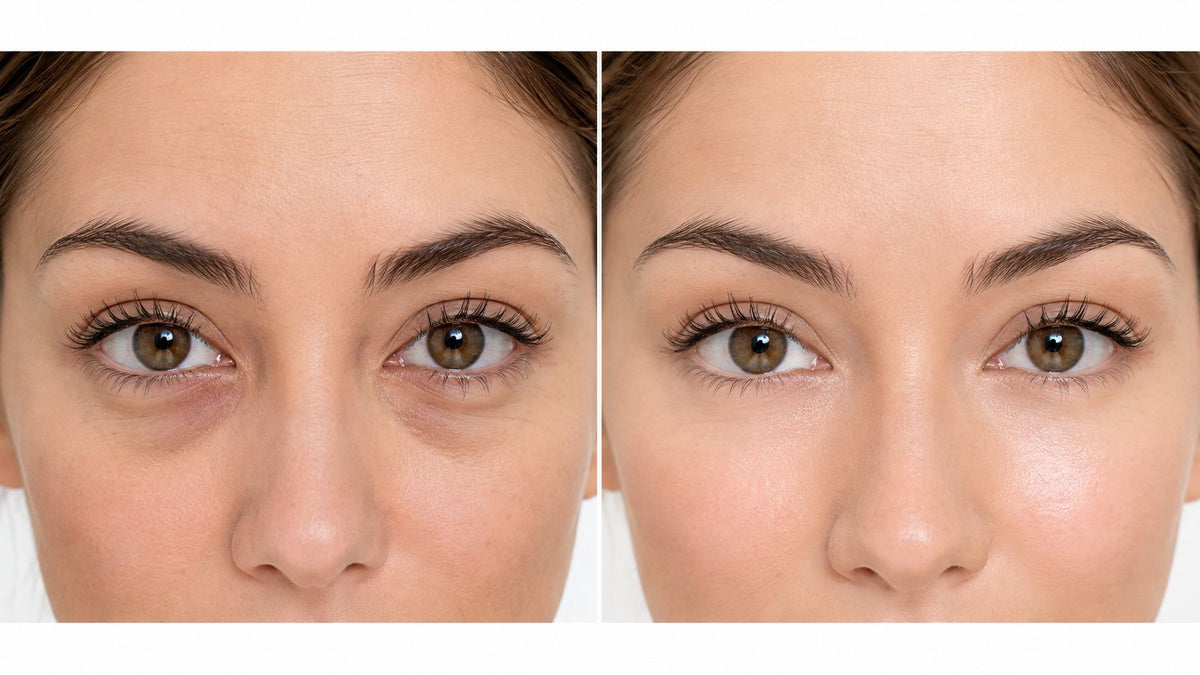
Article: Can You Use Retinol After Botox? Safe Timing Tips
Can You Use Retinol After Botox? Safe Timing Tips
You've just got home from Botox, and your usual evening routine is waiting by the sink. Maybe you washed your face sooner than you meant to, or reached for your retinol serum out of habit before remembering the injections. The question that follows is usually simple: Can you use retinol after Botox without irritating your skin or affecting your results?
In most cases, retinol can return to your routine after the immediate post-injection period. The practical concern isn't that topical retinol chemically cancels Botox. It's whether an irritating product, rubbing, or another procedure will aggravate skin that's still tender or healing. A cautious pause, followed by a gradual restart, gives you a workable plan without treating every patient as if they have the same skin or treatment history.
The Question Behind the Question
A patient is settling into the chair after an appointment when she remembers her evening serum. “I use retinol most nights. Did I just ruin my Botox?” Another person asks whether washing his face on the way home has undone the treatment. The worry is understandable: you've had injections, you want your results to settle, and your routine suddenly feels like a possible risk.
The short answer is that retinol isn't known to chemically deactivate Botox. The two act in different places. But freshly injected skin may be red, swollen, tender, or marked by tiny punctures, and retinol can cause burning, peeling, redness, and inflammation. Adding those effects together can make recovery less comfortable and make it harder to tell whether a symptom is ordinary irritation or something that needs clinical attention.
That's why my practical advice is to focus less on a magic waiting period and more on the condition of your skin. If the injection points are closed and the area feels calm, retinol can usually be reintroduced cautiously after the immediate aftercare window. If the skin is still tender, visibly irritated, or broken, give it more time and follow the instructions from the clinician who treated you.
This article offers a clear starting plan for routine Botox, plus different considerations for sensitive skin, darker skin tones, and appointments that included other procedures. Your injector's guidance takes priority, especially if you had more than Botox or have a history of strong retinoid reactions.
How Retinol and Botox Actually Work
Retinol and Botox are used together by many people, but they don't do the same job. Retinol works on the skin, while botulinum toxin acts at the connection between a nerve and a muscle.
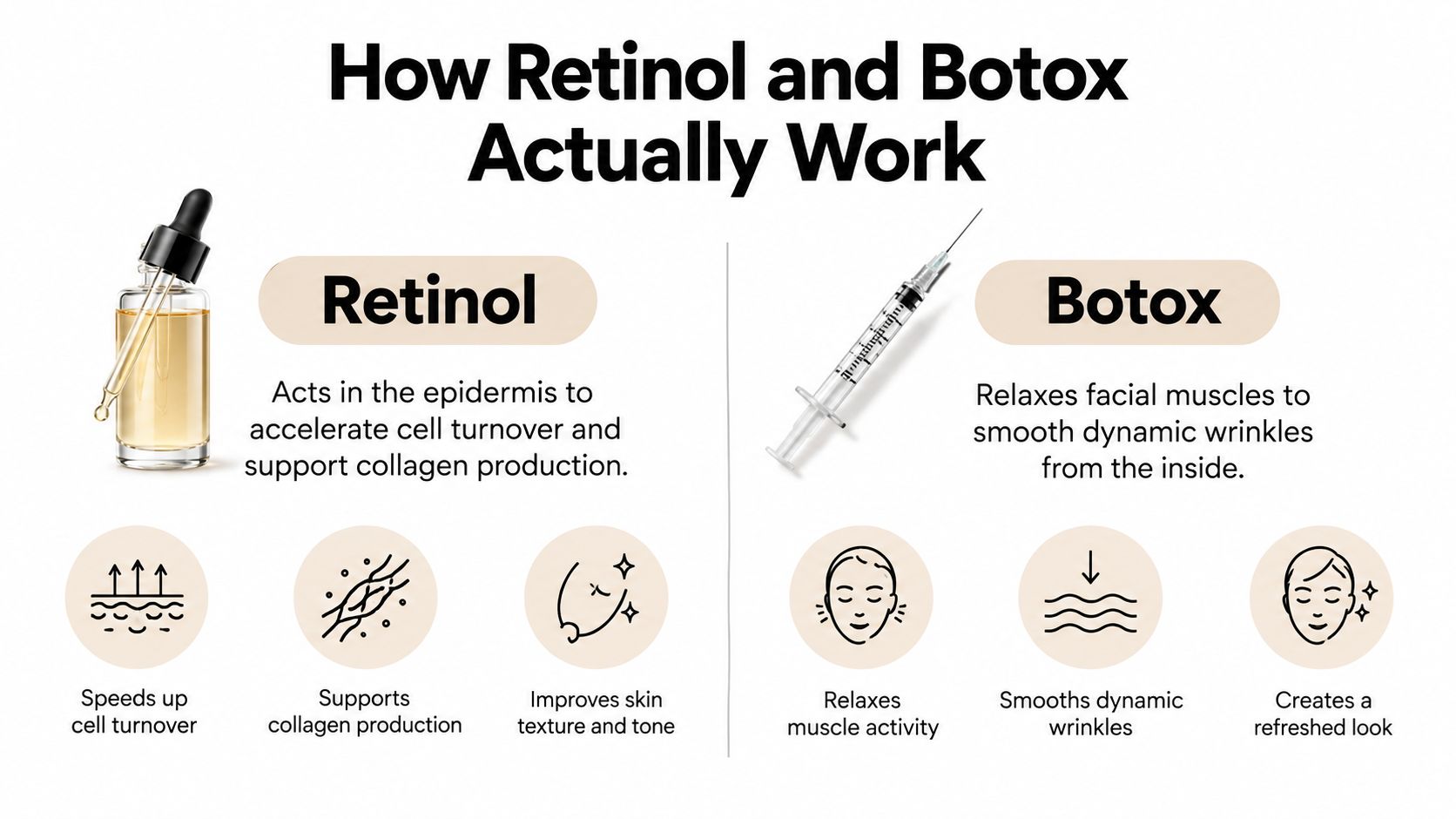
Think of retinol as a construction crew working on the surface of a wall. It encourages skin-cell turnover and supports longer-term skin remodeling. Botox, by contrast, reduces the muscle signals that create repeated facial movements. In this analogy, Botox switches off the signal telling the wall to crease; it doesn't remodel the wall's surface.
Because these treatments work through different mechanisms, the main aftercare concern is skin irritation, not a chemical interaction. Retinol can cause redness, burning, peeling, or inflammation. If you apply it over fresh injection points, or rub it in with pressure, you may irritate skin that's already tender or swollen. That can make a normal recovery feel worse and can complicate decisions about whether a symptom is related to skincare or treatment.
The FDA-approved Botox Cosmetic labeling includes safety data from randomized clinical studies, including a glabellar-line study involving 405 adults aged 18–75. It doesn't establish a specific schedule for restarting retinol, so the pause is best understood as a precaution to limit irritation, not as evidence that retinol neutralizes Botox (FDA Botox Cosmetic prescribing information).
That distinction matters in practice. A topical product can irritate the skin without changing how botulinum toxin works at the nerve-muscle junction. Keep products away from open punctures, avoid massaging the treated area, and don't mistake ordinary surface irritation for proof that Botox has failed.
The Waiting Period and Why It Exists
For routine Botox with no other procedure, a sensible minimum pause is 24 hours. A more cautious 24–48-hour window may suit people with reactive skin or lingering tenderness. The point isn't to wait until Botox “settles” chemically. It's to give the injection points and surrounding skin a chance to calm down before you apply an active that can sting or inflame them.
A peer-reviewed clinical-practice review reports that topical tretinoin and oral retinoids aren't contraindicated with botulinum toxin, while recommending that surface-active procedures be deferred for approximately one day after injections. A newer expert consensus favors a more conservative short-term approach centered on protecting the skin barrier (clinical-practice review).
What changes the timeline
Botox alone is different from an appointment that also included microneedling, a chemical peel, laser treatment, or filler. Those procedures can affect the skin barrier or leave the treatment area more sensitive, so the standard short pause may not apply. If several treatments were performed, ask the treating clinician for a plan that accounts for all of them.
While the area is settling, keep skincare simple. Pause retinol and exfoliating acids, skip facial tools and facials, and don't scrub, massage, or aggressively cleanse the injection sites. Use a mild cleanser and moisturizer instead. If redness, swelling, tenderness, or broken skin persists, wait until it improves rather than restarting by the clock.
BotoxBarb's post-procedure skincare guidance can help you think through aftercare alongside your injector's specific instructions. A fixed waiting rule can't account for every treatment area, product strength, or sensitivity history. The more useful question is whether the skin is intact and calm enough to tolerate retinol.
A Practical 24-to-72-Hour Restart Protocol
Keep your routine uncomplicated on injection day. Wash gently with lukewarm water and a mild cleanser, apply a plain moisturizer, and use sunscreen during the day. Avoid active ingredients and don't rub over the treated area. If possible, don't apply makeup directly over fresh injection points.
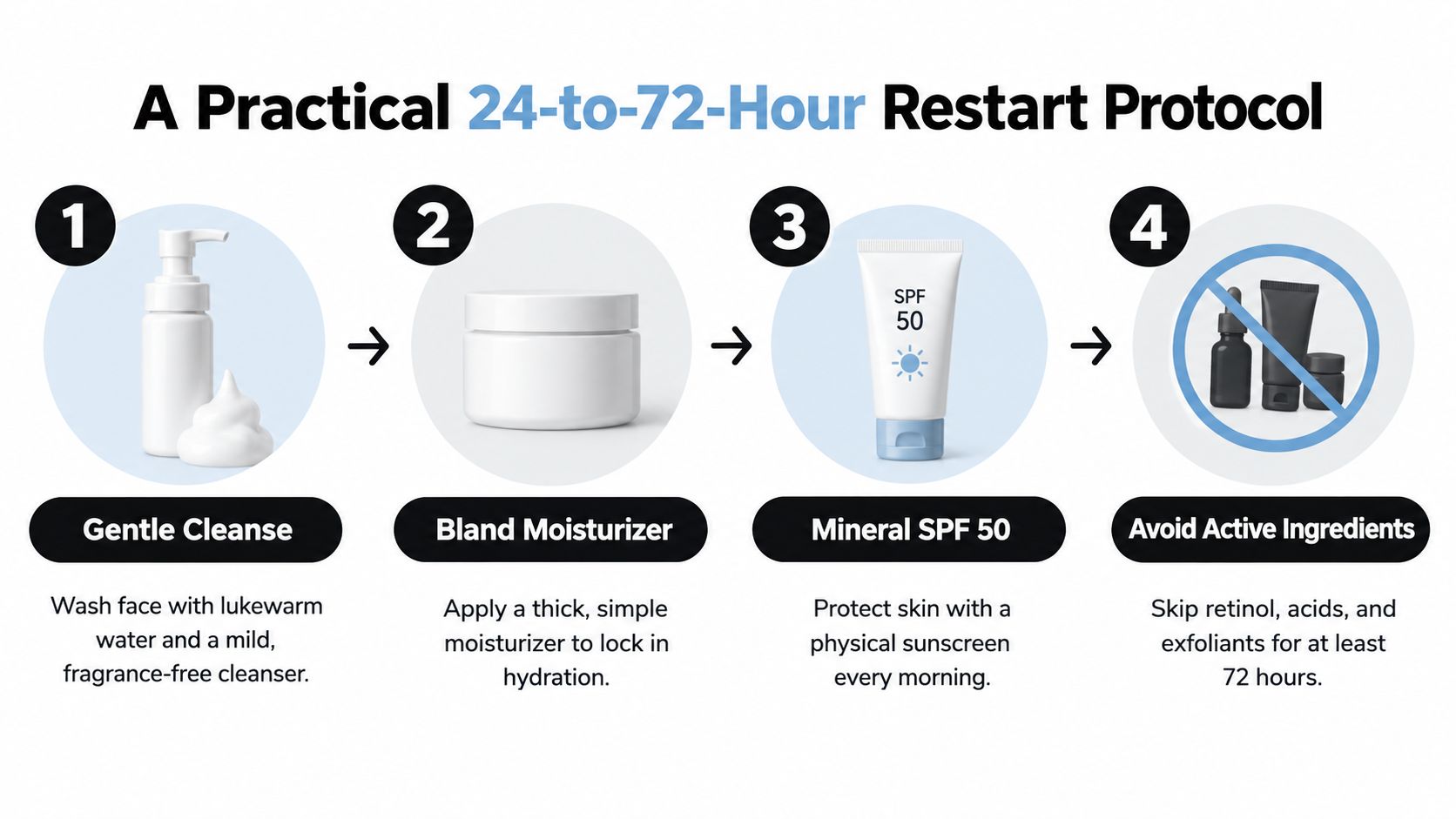
At the 24-hour mark, check the skin before reaching for retinol. Look for ongoing redness, swelling, pinpoint scabs, bruising, or tenderness. If the area looks calm and the injection points aren't open, you can consider restarting gradually. If any of those signs remain, continue with gentle skincare and reassess later.
Ease retinol back in
Apply retinol to dry skin, using a small amount and avoiding direct contact with injection points. Start every second or third night rather than returning immediately to nightly use. If you're prone to dryness or stinging, put moisturizer on first or apply it after retinol. Don't add exfoliating acids at the same time, since that makes it harder to identify the cause if your skin reacts.
A double-blind clinical study of a specific retinol-, adenosine-, and hyaluronic-acid regimen used after botulinum toxin reported faster visible improvement by day 10 and enhanced efficacy at two months versus placebo. Those findings apply to the tested combination, not automatically to every over-the-counter retinol product (FDA botulinum-toxin development guidance).
If retinol causes persistent burning, marked redness, or peeling, stop it and return to gentle cleanser and moisturizer. Contact your treating clinician if symptoms are pronounced, worsening, or difficult to distinguish from an injection-related problem. Before adding a new skincare product to a routine, use the ALODERMA patch test guide to learn how to test for a reaction on a small area of skin.
Restart Paths for Sensitive Skin and Skin of Color
“Resume when comfortable” can be too vague if you're prone to rosacea, have reacted to retinoids before, or are concerned about post-inflammatory pigmentation. Irritation matters for everyone, but inflammation and contact dermatitis can have more lasting pigment consequences in skin of color, according to recent expert guidance (expert guidance on retinoid aftercare).
| Patient Profile | Minimum Pause | Starting Strength | Supportive Add-Ons |
|---|---|---|---|
| Sensitive or rosacea-prone skin | Wait at least 24–48 hours, then longer if redness or tenderness remains. | Use the lowest strength you already tolerate, less often at first. | Gentle cleanser, non-comedogenic moisturizer, broad-spectrum SPF 50. |
| Medium-to-deep skin tone or history of post-inflammatory hyperpigmentation | Wait until the skin barrier is calm and injection points are closed. Extend the pause if irritation persists. | Choose a lower-strength or less frequent retinoid schedule before returning to your usual routine. | Gentle cleanser, non-comedogenic moisturizer, broad-spectrum SPF 50; avoid adding other irritating actives during healing. |
| Botox combined with filler, biostimulators, laser, or another resurfacing treatment | Follow the longest aftercare restriction from the procedures performed, and confirm the timing with your clinician. | Don't restart until your provider confirms that the treated skin is ready. | Gentle cleanser, non-comedogenic moisturizer, broad-spectrum SPF 50, plus any procedure-specific aftercare products. |
Persistent erythema, crusting, broken skin, or unusual pain means wait. Don't treat a longer pause as a failure to follow the routine; it's a response to what your skin is showing you. If you're uncertain whether a reaction is from retinol or the procedure, contact your clinician before applying another active.
For people who use prescription tretinoin or a strong retinol, “normal after 24 hours” doesn't automatically mean “ready for the usual dose.” Restart less often, avoid layering acids, and increase frequency only if your skin remains comfortable. BotoxBarb's article on retinol serum side effects offers further context on irritation and product tolerance.
Pairing Post-Botox Skincare with LED Light Therapy
While retinol is paused, you can keep a skincare routine without adding another exfoliating active. LED light therapy is a non-UV adjunct, not a substitute for Botox or retinoid treatment. FDA-cleared device documentation describes red light for full-face wrinkles and blue light for mild-to-moderate inflammatory acne. It also notes that LED therapy doesn't use ultraviolet light and generally doesn't cause UV damage when used as directed (FDA-cleared LED device documentation).
That doesn't mean every LED mask is interchangeable or suitable for everyone. Devices differ in their light settings and recommended schedules, so follow the specific manufacturer's instructions. Cleveland Clinic guidance also notes that LED devices may cause redness, rash, pain, or increased inflammation, and recommends eye protection and following device directions. If your skin is already irritated after injections, wait until it feels settled and check with your clinician before adding a device.
The Barb N.P. LED Facial Mask is one option for people seeking an at-home device. It's wireless, designed for a comfortable fit on the face, and offers three lighting settings for different treatment needs. Treat those features as a way to support consistency, not a promise that a mask will replace professional care or resolve every skin concern.

LED can be a useful part of a routine when you're taking a break from irritating actives, provided your skin tolerates it and you use the device as directed. For a broader look at possible uses and limitations, see this guide to the benefits of LED light therapy.
Common Myths That Lead Patients Astray
Myth: “Retinol cancels Botox.” There's no established chemical interaction between topical retinol and botulinum toxin. Retinol works in the skin; Botox acts at targeted nerve-muscle junctions. The reason to pause is to limit irritation and avoid rubbing fresh injection sites.
Myth: “Everyone has to wait 14 days.” A universal two-week pause isn't necessary for every uncomplicated Botox appointment. A cautious approach is to wait at least 24 hours, then assess the skin and follow your clinician's instructions. A longer pause makes sense if irritation continues or you had additional procedures.
Myth: “Stronger retinol speeds up recovery.” A stronger product doesn't make injection sites heal faster. If retinol burns or inflames your skin, stop and return to gentle skincare rather than pushing through. Restarting every second or third night is a more conservative way to test tolerance.
Myth: “You can't use any active ingredient for two weeks.” The right routine depends on the treatment and how your skin is healing. After Botox alone, retinol can often return cautiously once the immediate post-injection period has passed and the skin barrier looks intact. Laser, microneedling, peels, or filler can change the advice, so don't assume the Botox timeline covers every treatment.
Some symptoms aren't routine skincare irritation. FDA prescribing information warns that serious effects, including spread of toxin effects and difficulty swallowing or breathing, can occur hours, days, or weeks after injection and require urgent medical attention (FDA Botox Cosmetic prescribing information). Seek urgent care for breathing or swallowing difficulty, and contact your clinician promptly about eyelid drooping or generalized weakness.
Your Post-Botox Skincare Checklist
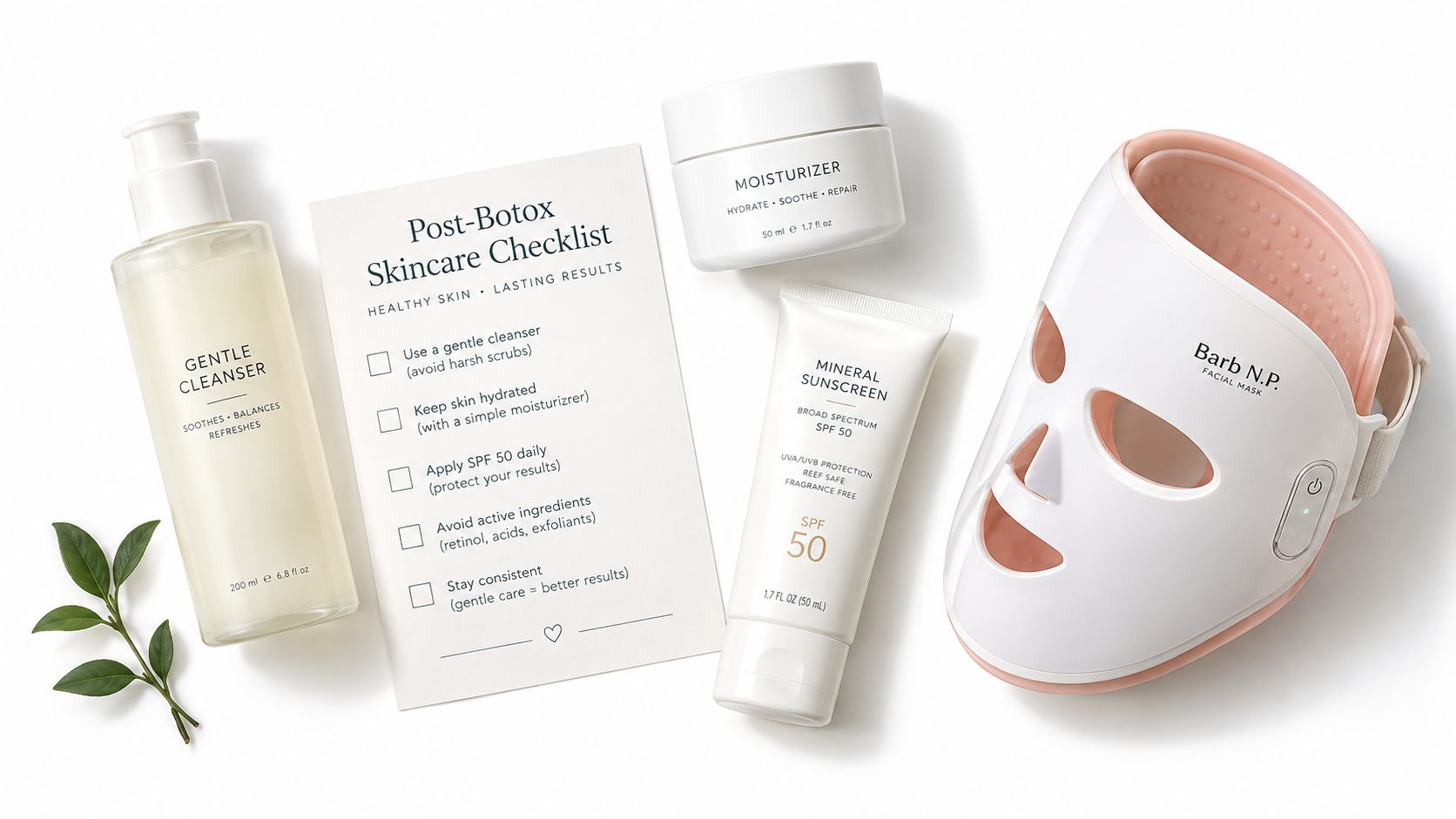
First 72 hours: Use a gentle cleanser, bland moisturizer, and mineral SPF 50. Pause retinol and exfoliating acids, and don't rub or massage treated areas. Restart only when injection points are closed and the skin feels calm.
For a cautious first week, apply retinol to dry skin every second or third night, keeping it away from injection points. If irritation appears, stop and return to gentle skincare. A simple retinol-friendly routine can pair a well-tolerated retinoid with moisturizer and daily sunscreen; choose products based on your skin and your clinician's advice.
BotoxBarb offers appointment booking for injectable treatments and LED light therapy, plus a curated selection of skincare, including retinol products and sun protection. Visit BotoxBarb to explore the options or book a consultation with Barb N.P. for personalized aftercare and product guidance.