Exfoliating Pads for Body: A Guide to Smooth Skin
You've probably had this experience. You use a body scrub in the shower, your skin feels smoother for a day, and then the bumps on the backs of your arms, the rough patches on your knees, or the congestion on your shoulders come right back.
That usually means the problem isn't just surface debris. It's a turnover issue, a follicle issue, or a product mismatch issue. In clinic-style skincare, that distinction matters because rough body skin responds better to targeted exfoliation than to repeated aggressive scrubbing.
Beyond Scrubs The Rise of Body Exfoliating Pads
A common body-care pattern shows up in practice. Someone uses a gritty scrub in the shower, skin feels polished for a day or two, then the bumps, rough patches, or shoulder congestion return. That usually means the skin needs a treatment step with better dosing and better consistency, not more rubbing.
Exfoliating pads for body gained traction because they make body treatment more controlled. Each pad delivers a set amount of exfoliant across a larger area, which matters when you are treating arms, back, legs, elbows, or knees on a regular schedule. From a medical-grade perspective, that consistency is one of the main advantages. It is easier to monitor tolerance, adjust frequency, and pair the product safely with other active treatments.
Why scrubs often fall short
Scrubs can improve surface feel, but they are a blunt tool. They rely on friction, and friction is not the same as targeted exfoliation.
For keratosis pilaris, a scrub may smooth the top layer without doing much to loosen the compacted material around the follicle. For body acne, it may leave skin feeling clean while congestion remains. For dull or uneven skin, too much abrasion can create low-grade irritation that makes the barrier less tolerant of the acids or retinoids that often work better over time.
That trade-off matters.
If you want a broader primer on how to exfoliate for radiant body, that overview pairs well with a more treatment-focused approach.
Why pads fit modern body care
Pads suit body care because they are practical and dose-aware. The skin on the body is often thicker than facial skin, but it is also exposed to shaving, workouts, sweat, friction from clothing, and in-office treatments such as peels, laser, or waxing. A pad system lets you cover large areas quickly without the mess of a liquid acid and with less guesswork than a jar scrub.
They also fit better into results-driven routines. In clinic, adherence is half the battle. Patients are far more likely to stay consistent with a pad they can swipe over the backs of the arms after showering than with a multistep body protocol that feels inconvenient.
Clinical perspective: The best body exfoliation plan creates steady cell turnover while protecting the barrier. If skin stays inflamed, progress slows and post-inflammatory marks can last longer.
How Exfoliating Pads Renew Your Bodys Surface
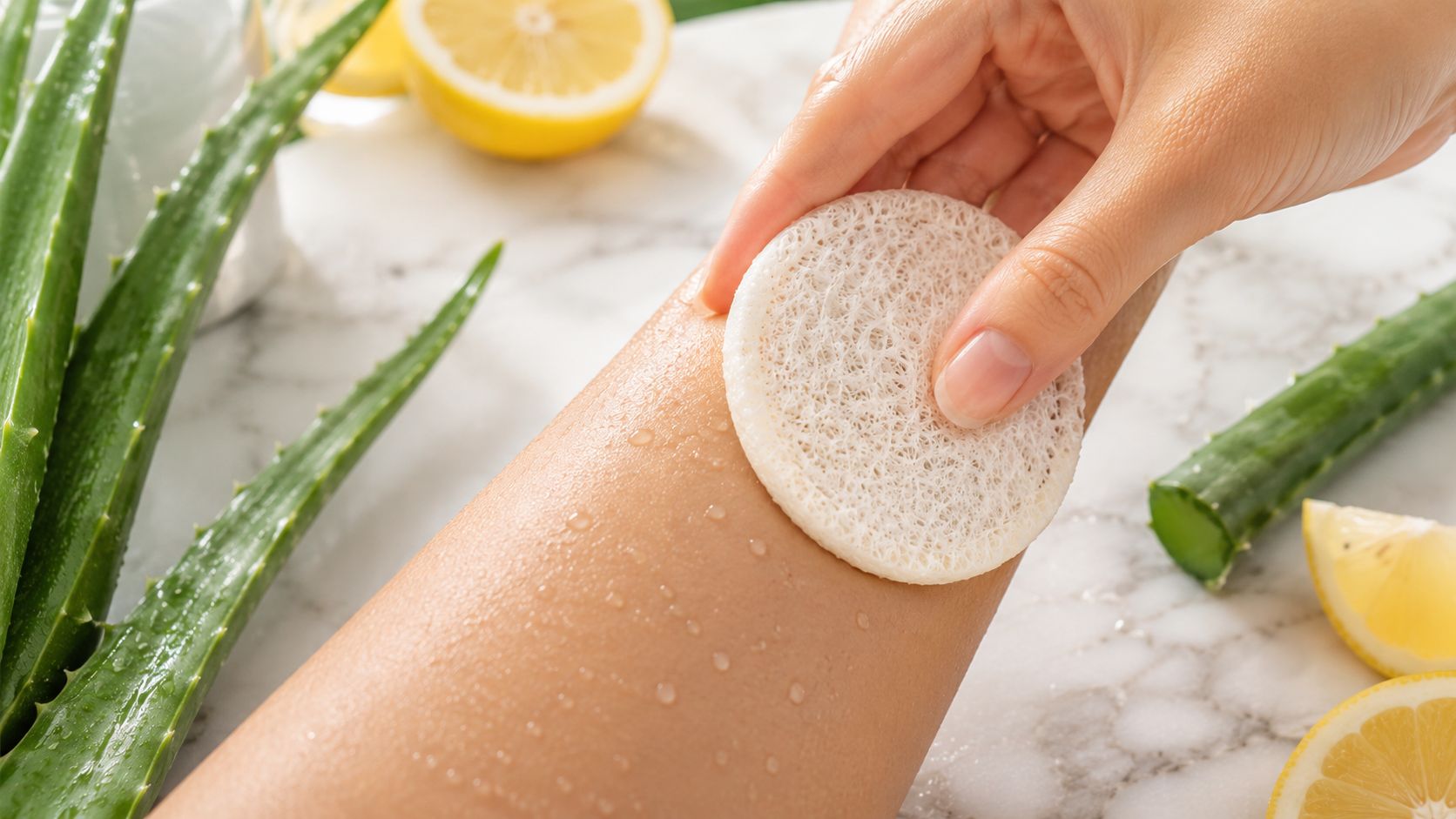
Exfoliating pads work because they control two variables at once. They place a measured amount of exfoliant on the skin, and they add light mechanical removal without the abrasion you get from a harsh scrub. On the body, that matters. Texture on the arms, back, thighs, and legs usually responds better to steady, repeatable exfoliation than to aggressive friction.
If you want the science behind chemical exfoliation for face and body skin, the basic principle is simple. Acids loosen the bonds between older surface cells so shedding becomes more even. The pad then removes what is already detached or close to shedding. That is a more controlled process than trying to manually scrub off roughness.

How the renewal process actually works
The outermost layer of skin is made of dead cells held together by lipid and protein structures. Exfoliating acids weaken those attachments. As that compacted layer lifts away more evenly, skin feels smoother, reflects light better, and allows leave-on moisturizers or treatment products to spread more evenly.
That does not mean stronger is always better.
In practice, the goal is enough exfoliation to improve turnover without creating a barrier problem. Repeated stinging, shiny tightness, and prolonged redness are signs the plan is too aggressive. I tell patients to judge body exfoliation by recovery as much as by smoothness. If skin cannot recover well between uses, results usually plateau.
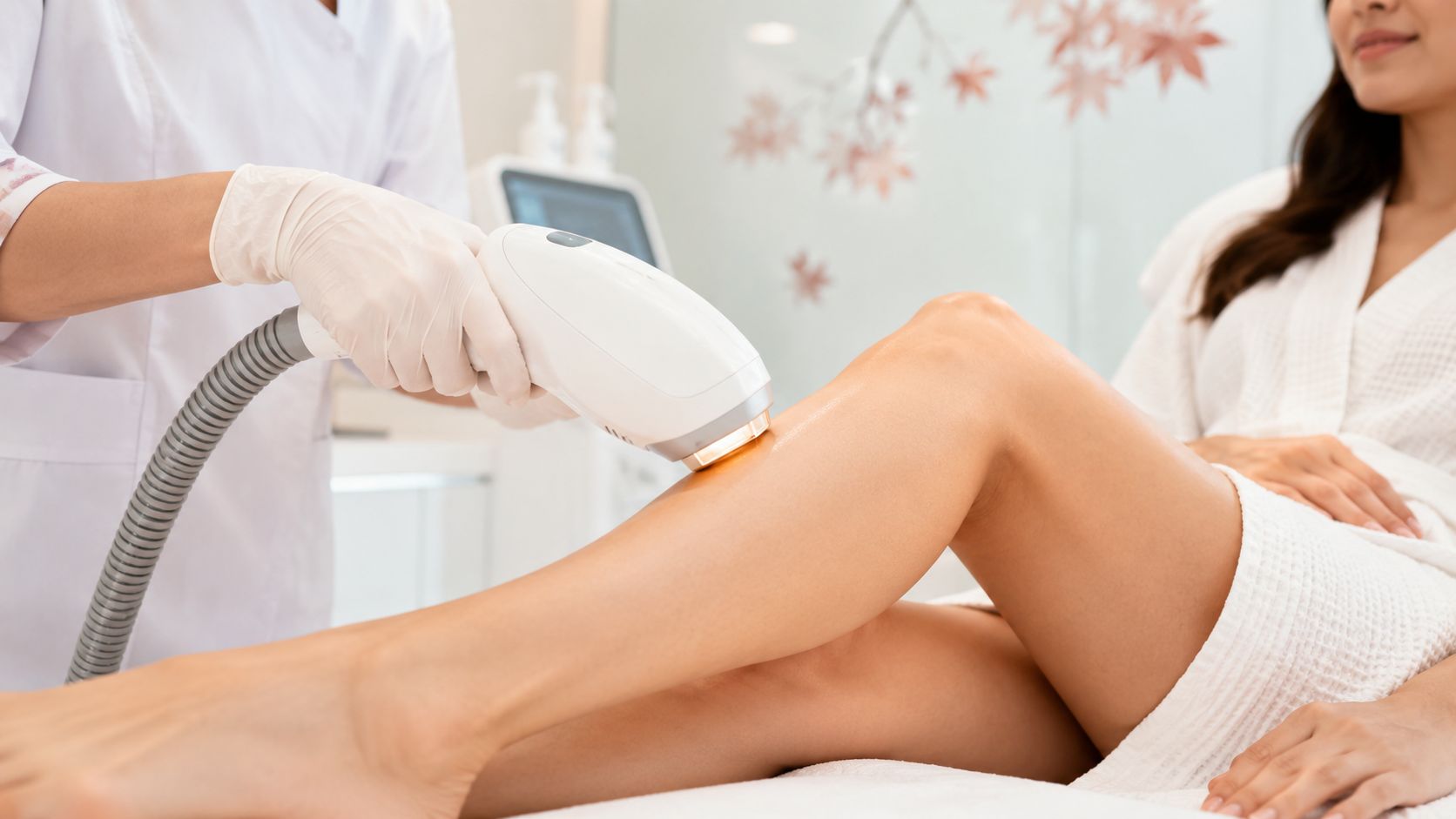
A medical-grade approach also looks at timing. Pads can be helpful between in-office treatments, but they should be integrated carefully around waxing, laser hair removal, stronger peels, and retinoid use. For patients already doing resurfacing procedures, I often space body pads away from treatment days and focus post-care on barrier repair. In some cases, LED therapy can help calm low-level inflammation after exfoliation, especially in acne-prone or easily irritated skin.
For readers comparing at-home exfoliation with in-office resurfacing, this guide to chemical peels for clear skin gives useful context on where peels fit.
Why body pads differ from face pads
Body skin is often thicker than facial skin, but tolerance still varies by site. The back and shoulders may handle a stronger exfoliating approach than the chest, bikini line, or inner thighs. Elbows and knees often need both exfoliation and a heavier moisturizer afterward. Post-shave areas need the opposite mindset. Lower irritation risk comes first.
Here's the practical takeaway:
| Area | What usually matters most |
|---|---|
| Arms and thighs | Texture-focused exfoliation |
| Back and shoulders | Follicle and pore-focused exfoliation |
| Elbows and knees | Stronger resurfacing and consistent moisturization |
| Bikini line or post-shave zones | Lower irritation risk and cautious frequency |
Body skin often tolerates more than facial skin, but “more” isn't the same as “better.” The right strength improves texture without leaving prolonged burning, peeling, or rebound sensitivity.
Your Guide to AHAs BHAs and Other Exfoliants
A client usually notices the difference fast. One type of pad smooths that dry, rough feel on the backs of the arms. Another does a better job with body acne, ingrown hairs, or bumps that keep coming back after shaving. The deciding factor is the acid blend.

AHAs for roughness and dullness
Alpha hydroxy acids, especially glycolic acid and lactic acid, exfoliate primarily at the skin's surface. On the body, that usually translates to smoother texture, less visible buildup, and skin that feels less dry and uneven.
For rough arms, thighs, elbows, and legs, AHAs are often the better starting point. Glycolic acid tends to be more active and can improve stubborn texture faster, but it also has a higher irritation risk. Lactic acid is often easier to tolerate and has some humectant properties, which makes it useful for dry, rough skin that needs exfoliation without feeling stripped.
In practice, I choose AHAs when the problem is excess surface buildup, not oilier follicular congestion.
BHAs for pores, acne-prone areas, and ingrowns
Beta hydroxy acid, meaning salicylic acid, is oil-soluble. That matters on the body because many common concerns start in or around the follicle, not just on the surface.
Salicylic acid usually makes more sense for:
- Back and chest breakouts
- Post-shave bumps and ingrown-prone areas
- Keratosis pilaris with clear follicular plugging
- Skin that feels both bumpy and congested
This is the pad category I look at first for athletes, patients who sweat heavily, and anyone dealing with recurrent body acne. The trade-off is that salicylic acid can still over-dry the skin if the formula is too strong or the routine includes other active treatments.
Why combination pads can work well
Many body concerns are mixed. A patient may have rough texture on the outer arms, plugged follicles on the thighs, and acne on the shoulders. In that setting, formulas that combine AHAs and BHAs often make more clinical sense than using a single-acid pad.
AHAs help release dull, compacted surface cells. Salicylic acid works more effectively inside the oily follicular environment. Together, they can improve texture and reduce the bumpiness that a scrub often fails to address.
That is also why chemical exfoliation tends to outperform harsh physical exfoliation for KP and acne-prone body skin. If you want the mechanism explained more clearly, this article on what chemical exfoliation does to the skin is a useful reference.
PHAs and lower-irritation options
Some patients need a gentler plan. PHAs, such as gluconolactone, exfoliate more slowly and are often better tolerated by reactive skin or by patients who are also using retinoids, benzoyl peroxide washes, or undergoing aesthetic treatments.
Lower irritation does not mean lower value. It means slower pacing, fewer inflammatory flares, and better odds that someone will stay consistent long enough to see improvement.
That same medical approach applies if you alternate body pads with peels, laser treatments, or post-waxing care. The best exfoliant is the one your skin barrier can tolerate repeatedly. If you want a broader resurfacing framework, this guide to chemical peels for clear skin helps place body pads within the full range of exfoliation options.
Clinical rule: Match the acid to the problem. AHAs fit dry, rough texture. Salicylic acid fits clogged follicles, body acne, and ingrown-prone skin. Combination pads often fit mixed concerns best.
How to Use Exfoliating Pads for Maximum Results
You use a body exfoliating pad at night because the skin on your upper arms feels rough, then wake up with burning, patchy redness. In clinic, that usually comes from technique, not from the idea of exfoliation itself. The pad was applied to damp skin, rubbed too aggressively, or combined with too many other actives at once.
Start with clean, fully dry skin
Apply the pad after cleansing and after the skin has dried completely. Water increases penetration, and on freshly washed skin that can turn a reasonable acid strength into an irritating one.
Wipe in one thin, even layer over the treatment area. A few controlled passes are enough. Repeated rubbing does not improve results. It raises inflammation and can leave you with tenderness, peeling, or post-inflammatory darkening, especially on deeper skin tones.

Build tolerance like a clinician would
Body skin often tolerates more than facial skin, but that does not mean every area should be treated aggressively from day one. The back may handle stronger use than the inner arms, chest, or neck. Friction also matters. Waistbands, sports bras, and tight leggings can make a well-formulated pad feel harsher.
Use a measured ramp-up:
- Test one area first. Pick a small zone such as the outer upper arm or a section of the thigh.
- Start with limited contact. If the formula is strong or your skin is reactive, begin with short-contact use rather than assuming overnight wear is appropriate.
- Reassess the next day. Mild transient tingling can be acceptable. Persistent redness, burning, swelling, or shiny tight skin means the barrier is being overworked.
- Increase slowly. Add frequency or contact time one variable at a time.
That pacing matters even more if you also use retinoids, benzoyl peroxide, body acne washes, or receive waxing, peels, or laser treatments.
Don't skip post-care
Post-care determines whether exfoliation leaves the skin smoother or just irritated. After the pad dries down, apply a bland moisturizer with barrier-supportive ingredients such as ceramides, glycerin, or petrolatum if you run dry.
If the treated area will see sun, use sunscreen the next day on exposed skin such as the chest, shoulders, and legs. If your skin already feels raw, stings with water, or looks glossy and inflamed, pause acids and switch to a skin barrier repair routine before restarting.
Where LED therapy fits
LED can be a useful recovery step after exfoliation, particularly for patients who get redness easily or who are combining body exfoliation with other aesthetic treatments. The goal is not to make the acids work harder. The goal is to calm the inflammatory response and make the routine easier to tolerate.
The Barb N.P. LED Facial Mask is designed to make LED use practical at home. It's wireless, sits comfortably on the face, and offers 3 lighting settings for different treatments. While it's marketed as a facial device, the clinical principle still applies. Recovery-focused care often improves consistency, and consistency is what changes texture over time.
Good exfoliation feels controlled. If your skin stays hot, shiny, or sore, the routine needs less intensity, not more.
Building a Routine for KP Body Acne and Rough Skin
Different body concerns need different pad logic. The mistake I see most often is using the same product the same way on every area.

For keratosis pilaris
KP usually needs two things at once. You want to smooth the rough surface and reduce the plugged follicular feel underneath.
That's why AHA + BHA combinations make practical sense here. The AHA helps with the rough, uneven outer texture. The BHA helps address the follicular component.
A practitioner-grade example is MONICA HALEM, MD Essential Body Exfoliating Pads, which are formulated with glycolic acid and salicylic acid and are sold on the BotoxBarb shop. For first use, an expert-formulated example recommends about 15 minutes of contact, then increasing toward overnight only if tolerated, based on the usage guidance in the product information.
A basic KP routine looks like this:
- Night application: Use the pad on the backs of the arms or thighs.
- Barrier support: Follow with a plain moisturizer.
- Consistency over aggression: Stick with a measured routine instead of scrubbing between pad nights.
For body acne on the back and chest
This is more of a congestion problem than a dullness problem. A BHA-dominant approach often makes the most sense because salicylic acid is better aligned with oil and follicular debris.
If breakouts are active, avoid combining a pad with harsh cleansing tools. You don't need a brush, a gritty scrub, and an acid all in the same session. That usually backfires.
For rough elbows knees and other stubborn zones
These areas often tolerate a more texture-focused strategy. In practice, that means leaning more toward stronger resurfacing formulas and using them only where the skin is thicker and rougher.
A useful pattern is:
| Concern | Better pad profile | Main caution |
|---|---|---|
| KP on arms or thighs | AHA + BHA | Don't overuse on irritated follicles |
| Back or chest acne | BHA-forward | Avoid friction from scrubs and loofahs |
| Elbows and knees | AHA-forward | Keep away from cracked or inflamed skin |
If your skin is already irritated from too many actives, fix that first. This guide on how to repair a damaged skin barrier is worth reviewing before you restart exfoliation.
Choosing a Pad and Understanding Contraindications
The best exfoliating pad is not the strongest one on the shelf. It's the one your skin can use consistently without tipping into irritation.
What to look for before you buy
Start with the label.
- Clear acid profile: You should know whether the pad relies on glycolic acid, lactic acid, salicylic acid, retinoid support, or a blend.
- Body-appropriate intent: Body skin can tolerate different routines than the face, and some formulations with salicylic acid, glycolic acid, and retinoids are specifically marketed for thicker skin concerns such as keratosis pilaris or rough elbows, as discussed in this body-versus-face pad overview.
- Simple formulation: If your skin is easily irritated, fewer extras often means fewer variables.
When not to use them
Contraindications matter. Skip potent exfoliating pads on:
- Broken skin
- Sunburned skin
- Freshly waxed areas
- Recently lasered areas
- Skin already irritated by prescription actives unless your clinician says otherwise
The reason is straightforward. Exfoliation lowers tolerance temporarily. If the barrier is already disrupted, adding acids can amplify burning, inflammation, and prolonged recovery.
Pregnancy and nursing are situations where ingredient review matters more than trend-following. If that applies to you, this overview of body exfoliation during pregnancy is a sensible starting point for questions to bring to your own clinician.
If you're seeing more bumps after exfoliation, don't assume the product is “purging.” Sometimes it's simple irritation or overuse. BotoxBarb's article on whether exfoliating can cause breakouts helps sort out that distinction.
Face pad or body pad
A facial pad can work on the body sometimes, but there isn't a universal rule. Sensitive body areas may need a gentler approach, while rougher areas may need something more treatment-oriented. The smart move is to choose based on location, concern, and your own tolerance, not convenience alone.
Your Body Exfoliation Questions Answered
Can I use exfoliating pads before self-tanner?
Yes, that's often a smart use of them. Smoother skin usually gives self-tanner a more even canvas. Just don't apply self-tanner onto skin that still feels irritated from exfoliation.
How are at-home pads different from an in-office peel?
At-home pads are designed for routine use and controlled maintenance. In-office peels are supervised treatments chosen for a specific clinical goal. Pads can be very effective, but they're still part of home care, not a substitute for a professionally selected procedure.
Are body exfoliating pads suitable for sensitive skin?
They can be. Mainstream beauty coverage has treated body exfoliating pads as established products, with one tested example priced at $60 per pack, and has also described them as generally suitable for most skin types, including sensitive skin, while noting that ingredient sensitivity remains a concern in this consumer overview.
How long should I wait after aesthetic treatments?
For body areas affected by any treatment that creates irritation, heat, puncture, or barrier disruption, wait until the skin is fully calm and cleared by your treating clinician. Exfoliation is best resumed after recovery, not during it.
If you want practitioner-selected skincare and at-home devices that fit a treatment-focused routine, explore BotoxBarb. The shop includes curated medical-grade products, including body care options and LED therapy tools, chosen to support smoother skin with a more clinical, less trial-and-error approach.