Exosome Therapy for Skin: A Practitioner's Guide to 2026
You may be in that familiar spot where your skincare is good, your sunscreen is consistent, and you've already tried treatments like microneedling, growth factors, or PRP, but your skin still feels like it's plateaued. It looks decent. It just doesn't look as resilient, bouncy, or even-toned as it used to.
That's usually when clients start asking about exosome therapy for skin. Not because they want another trendy add-on, but because they want something that works at a deeper biologic level. They're not chasing a temporary glow. They want repair.
As a practitioner, I think exosomes are one of the most interesting developments in regenerative aesthetics. I also think they're one of the most overmarketed. Both things can be true. The science is promising, especially when exosomes are used topically as an adjunct after procedures that create controlled channels into the skin. But this is also an area where good medicine matters more than hype.
The Next Frontier in Skin Rejuvenation
A common conversation in practice goes like this. A patient tells me she's done the “good patient” things for years. She uses medical-grade skincare, gets regular treatments, doesn't smoke, protects her skin from the sun, and still feels like the texture, crepiness, or dullness isn't budging the way it used to.
That's where exosomes enter the conversation.
They appeal to discerning clients for a reason. Exosomes aren't just another hydrating serum layered onto the surface. They're part of a regenerative approach that aims to improve how skin cells communicate, recover, and rebuild after stress. For the right patient, that's a very different category from a standard facial.
Why interest has grown
Traditional treatments still have a role. Microneedling can stimulate collagen. PRP can support repair. Retinoids, peptides, and antioxidants matter. But some people want a treatment plan that pushes beyond maintenance and toward better tissue behavior.
Exosome therapy for skin fits that goal best when it's used with intention, not as a miracle label. In practice, I see it as most useful for patients who want help with:
- Texture refinement after repeated sun exposure or early photoaging
- Recovery support after microneedling or laser-based procedures
- A calmer healing response when redness and inflammation linger
- A more regenerative plan beyond basic anti-aging topicals
For clients exploring advanced options, I still want the foundation in place first. If that's where you are, it helps to understand how exosomes compare with other anti-aging treatment options before deciding whether they belong in your plan.
Clinical perspective: Exosomes are most compelling when the goal is skin quality. They don't replace structural treatments for laxity, volume loss, or deep folds.
What makes this treatment different
What sets exosomes apart is the idea of signaling. Instead of forcing change, they're used to influence how skin responds to injury, inflammation, and repair. That's why they're often paired with procedures rather than used alone.
This distinction matters. Patients who do best with exosomes usually aren't looking for a dramatic overnight transformation. They're looking for stronger healing, smoother texture, better tone, and more gradual quality improvement. That's a smart reason to consider them.
How Exosomes Communicate With Your Skin Cells
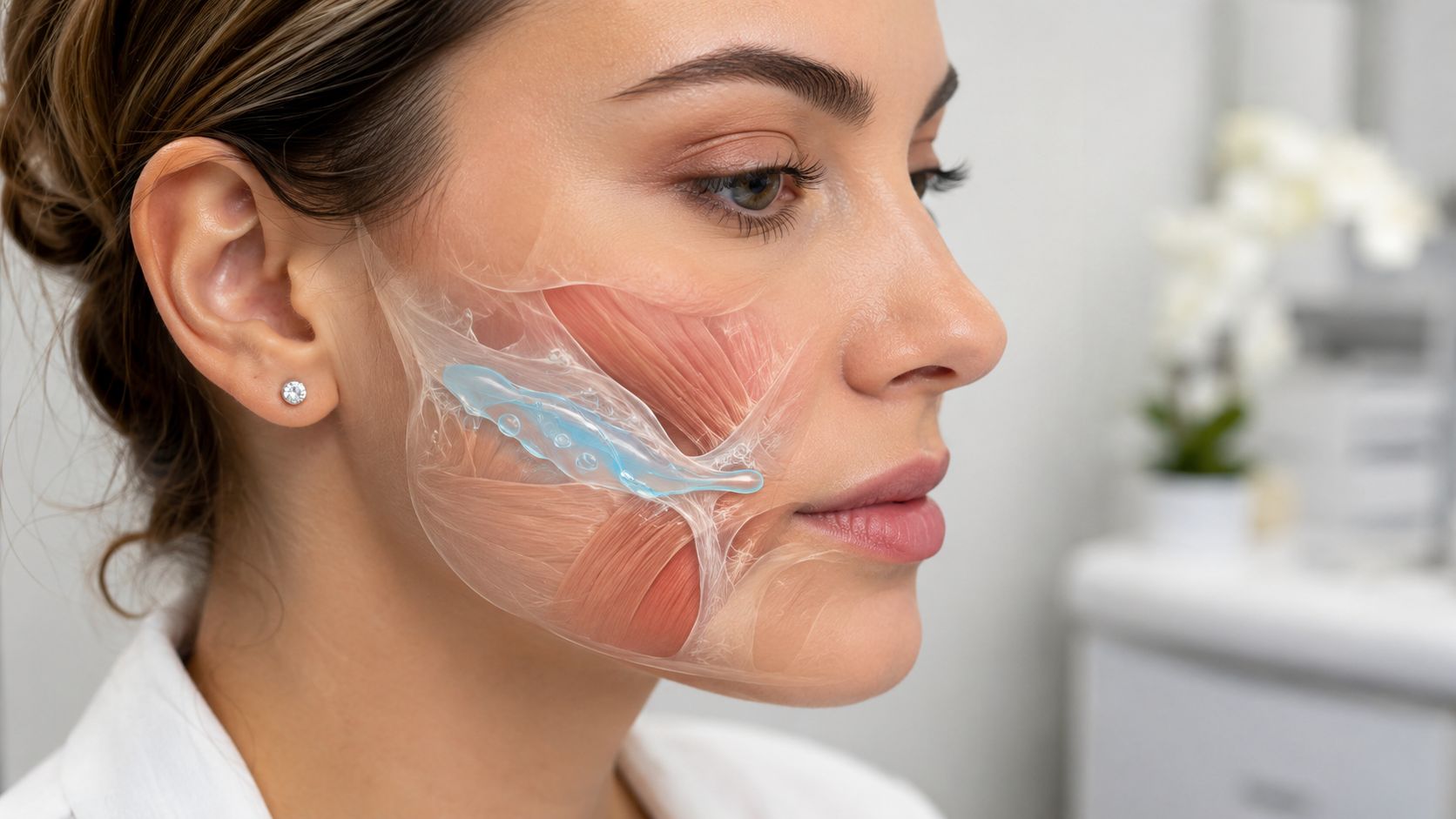
The easiest way to understand exosomes is to think of them as cellular text messages. Cells release these tiny vesicles to send instructions to other cells. Those instructions can influence inflammation, healing, collagen production, and how stressed skin behaves after damage.
That concept is why exosome therapy for skin has gained attention in aesthetics. The treatment isn't about adding bulk or volume. It's about delivering signals that encourage skin to act younger, calmer, and more organized during repair.
The message your skin receives

A helpful way to picture the process:
- A healthy source cell releases exosomes carrying bioactive material.
- The exosome travels to a target skin cell.
- The target cell absorbs the signal.
- That signal influences cell behavior, including repair pathways.
- Visible skin changes develop over time as collagen, elasticity, and recovery improve.
That sounds abstract until you connect it to real skin goals. When this signaling works well, the skin may become less reactive, more hydrated, and more capable of rebuilding structural proteins.
The three functions that matter most
In clinical aesthetics, I think about exosomes doing three useful jobs.
- Inflammation control: They can help quiet the inflammatory environment that keeps skin red, irritated, or slow to recover.
- Repair signaling: They support communication involved in wound healing and tissue renewal.
- Matrix support: They influence the environment around collagen and elastin, which matters for firmness and resilience.
That third point is where the science gets more interesting. A review for practicing dermatologists notes that adipose-derived stem cell exosomes reverse photoaging by regulating the Nrf2 and MAPK signaling pathways, which downregulate reactive oxygen species and suppress matrix metalloproteinases that degrade collagen, while enhancing extracellular matrix integrity via the PI3K/Akt pathway and stimulating pro-collagen I secretion through TGF-beta/Smad activation in the JCAD review on exosomes for dermatologists.
In simpler terms, that means certain exosomes may help reduce oxidative damage, limit collagen breakdown, and support new collagen formation.
Why pairing matters
Exosomes are usually not the main event. They're the support act that becomes more useful after a treatment such as microneedling creates pathways for topical delivery. That's why I'd rather see them integrated into a thoughtful protocol than sold as a vague “stem cell facial.”
If you've already looked into peptides and regenerative ingredients, it also helps to compare exosomes with other growth factors used in skin care. They're related in concept, but they're not identical in how they signal the skin.
Exosomes don't build new skin by themselves. They influence the cells you already have, which is why treatment quality, skin health, and proper pairing make such a difference.
The Clinical Evidence Supporting Exosome Therapy
Interesting science is not enough. In aesthetics, I care about whether a treatment has usable human data behind it, and whether that data matches what's being promised in the treatment room.
The strongest broad overview comes from a systematic review that looked at 1,032 extracted papers and found 21 articles suitable for rigorous evaluation. Those studies consistently showed that exosome-based therapies improved skin elasticity, reduced wrinkle depth, enhanced hydration, and modulated pigmentation, with favorable safety profiles and high patient satisfaction according to the systematic review in Dermatology Practical & Conceptual.
What the larger review tells us

That review matters because it pulls the conversation away from anecdote. It also supports something many practitioners have observed. Exosomes appear most helpful in skin quality parameters that patients can see and feel:
- Elasticity
- Wrinkle depth
- Hydration
- Pigment modulation
- Overall treatment satisfaction
It also reported molecular findings that support the visible outcomes, including increased collagen and elastin synthesis, reduced oxidative stress, and suppression of matrix metalloproteinases that break down the skin framework.
What I take from the evidence
The data is promising, but I wouldn't call it a free pass for exaggeration. The same review also emphasized the need for more standardized clinical trials, larger cohorts, and longer follow-up before widespread adoption. That's the mature takeaway.
What works: Exosomes look most credible as a regenerative adjunct for skin quality and healing support.
What doesn't: Treating them like a guaranteed replacement for all other anti-aging strategies.
In practice, that means I view exosome therapy for skin as evidence-supported, but protocol-sensitive. Product source, treatment pairing, and patient selection still matter. A promising biologic tool can produce underwhelming results if the rest of the plan is weak.
The most honest interpretation
If you're a savvy client, here's the cleanest summary. Exosomes are no longer just a lab idea. Human studies support meaningful skin benefits. But this is still a developing category, not a finished one. The evidence justifies thoughtful use, not overstatement.
Exosomes vs PRP and Other Aesthetic Treatments
Most patients don't ask whether exosomes are “good.” They ask whether they're better than what they already know. That usually means PRP, microneedling alone, or traditional facials.
That's the right question, because exosomes aren't automatically the best choice. They fit into a treatment plan based on the goal.

Side-by-side treatment logic
| Treatment | Best use | Main strength | Main limitation |
|---|---|---|---|
| Exosomes | Skin quality, healing support, post-procedure recovery | Advanced cell signaling support | Product quality varies, and use requires nuance |
| PRP | Regenerative support using your own blood products | Familiar, autologous approach | Requires blood draw and results can be less convenient |
| Microneedling alone | Texture, mild scarring, collagen stimulation | Reliable base treatment | Less biologic support during healing |
| Traditional facials | Surface refresh, hydration, glow | Comfortable and low-commitment | Limited regenerative effect |
Where exosomes can stand out
One prospective clinical trial using a topical serum with human platelet-derived exosomes found the skin health score improved by 224.2 ± 112.8 units after 6 weeks, with statistically significant reductions in redness, wrinkles, and melanin production, along with enhanced luminosity and color evenness in the published trial on platelet-derived exosome serum.
That's useful because it gives us more than theory. It shows measurable improvement in parameters patients care about when they look in the mirror.
Where other treatments still win
PRP still makes sense for many patients. It uses the patient's own blood-derived growth factors, and many people like that autologous approach. Microneedling also remains one of the best value treatments in aesthetics because it reliably addresses texture and stimulates collagen on its own.
I don't think exosomes should replace those conversations. I think they should refine them.
If you're weighing regenerative options, it helps to understand how microneedling with PRP works in practice, because PRP is still one of the most relevant comparison points.
My practical ranking
I usually explain it like this:
- Choose microneedling alone if you want a strong foundational collagen treatment.
- Choose PRP if you like the idea of using your own biologic material and don't mind the blood draw.
- Consider exosomes if your priority is skin quality support, calmer recovery, and a more advanced adjunctive plan.
If someone tells you exosomes make every other treatment obsolete, that's marketing. Good aesthetic plans are layered. They're not built around one fashionable ingredient.
Your Exosome Treatment and Aftercare Plan
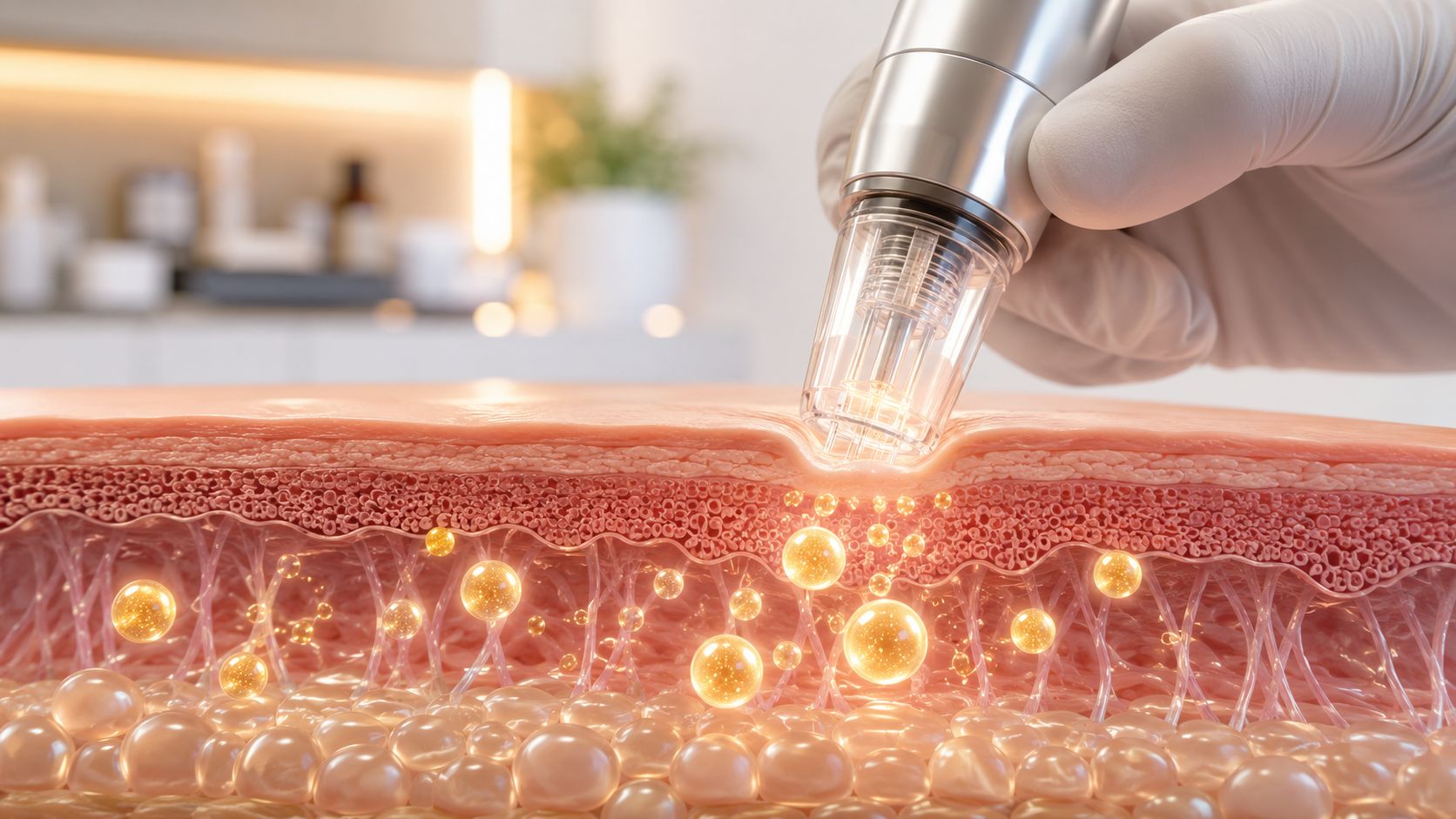
Most exosome treatments in aesthetics are straightforward from the patient side. The visit usually starts with skin assessment, discussion of goals, and selection of the accompanying procedure. In most cases, exosomes are applied topically after microneedling or light resurfacing, when the skin is more receptive.
That sequence matters. The procedure creates controlled microchannels or controlled superficial injury. The exosome serum is then applied to support recovery and regeneration during the repair phase.
What the appointment feels like
A typical session may involve cleansing, topical numbing if needed, the primary treatment, then exosome application. Patients usually describe the procedure itself based on the main treatment, not the exosomes. Microneedling can feel prickly or warm. Afterward, the skin often looks pink or mildly flushed.
The immediate goal isn't glamour. It's setting up good healing.
Here's the product view many clients look at when building home support around professional treatments:

What to do after treatment
Aftercare can make or break the experience. I want patients focused on barrier support, inflammation control, and consistency.
- Keep the skin calm: Use a gentle cleanser and avoid aggressive acids or scrubs until the skin has settled.
- Protect the barrier: A bland moisturizer and diligent sunscreen matter more than a complicated routine in the first few days.
- Don't overheat the skin: Skip intense exercise, saunas, and anything that keeps the face flushed if your provider recommends downtime precautions.
- Follow the treatment plan: If exosomes were used with a series-based procedure, don't judge the entire result from day one.
Where LED fits in
One of my favorite companions to regenerative treatment plans is an LED mask used appropriately at home. The Barb N.P. LED Facial Mask is the kind of device I like patients to look for because compliance matters. If a device is cumbersome, stiff, or ties you to a wall, patients often stop using it.
Useful features include:
- Wireless design so it's easy to use consistently
- Comfortable fit on the face so sessions don't feel like a chore
- Three lighting settings for different goals
Those settings matter in practical ways. Red light is commonly used when the goal is collagen support. Blue light is helpful when breakouts are part of the picture. Amber light is the one I like for calming post-procedure skin when inflammation is the concern.
Aftercare rule: The best post-treatment routine is boring. Gentle cleansing, moisturization, sun protection, and disciplined healing support beat overactive skincare every time.
What not to expect
Don't expect exosomes to replace sunscreen, retinoids, or a smart treatment plan. Don't expect one session to erase years of sun damage. And don't sabotage a regenerative procedure by going right back to irritating actives the next day.
Good exosome outcomes come from a full protocol, not a single vial.
Understanding the Risks and Regulatory Landscape
This is the part too many clinics rush past. The biologic promise of exosomes is real. The regulatory environment is not yet clear.
A 2024 study highlighted by Mayo Clinic reported that topical platelet-derived exosomes reduced proinflammatory secretions by 40% by targeting senescent skin cells. The same report also makes an essential point for patients and providers alike. The FDA has not approved exosome products for injection, so current aesthetic applications must remain strictly topical according to Mayo Clinic's review of platelet-derived exosomes in aesthetics.
What this means in the treatment room
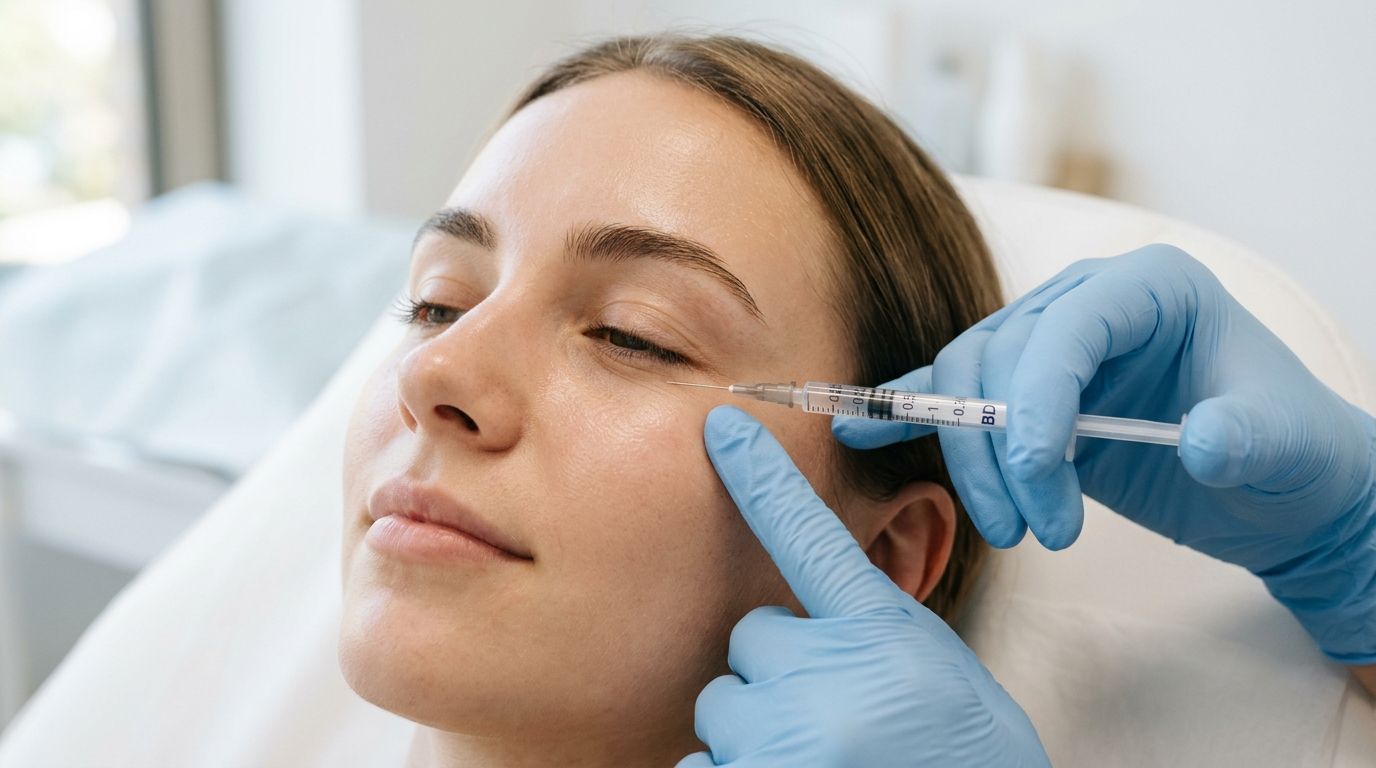
If you're considering exosome therapy for skin, ask exactly how the product is being used.
- Topical use after a procedure aligns with the current aesthetic reality.
- Injectable cosmetic exosomes are where I want patients to slow down and ask much harder questions.
That distinction isn't academic. It changes the risk conversation.
Questions worth asking any provider
A careful patient should ask:
- What is the source of the exosome product
- Is the treatment topical or injectable
- Why is this being paired with this procedure
- What result is realistically expected from the procedure itself versus the exosome add-on
The strongest evidence currently supports exosomes as an adjunct to treatments like microneedling or laser, not as a standalone anti-aging miracle. That's the language I trust. If a consultation skips the limitations and goes straight to hype, that's a red flag.
Be cautious with any provider who blurs the line between promising science and approved medicine. Those are not the same thing.
My honest take
I'm optimistic about this category. I'm also careful with it. In good hands, topical exosomes can be a thoughtful upgrade to regenerative skin treatment. In the wrong setting, they can become an expensive label attached to claims that run ahead of the evidence.
Frequently Asked Questions About Exosome Therapy
How many treatments will I need
That depends on your baseline skin quality, the procedure they're paired with, and your goals. Some patients use exosomes as part of a single recovery-focused treatment. Others do best with a series because collagen remodeling and skin behavior improve over time, not all at once.
When will I see results
This is one of the most important expectation-setting points. Patients often notice visible hydration and reduced redness within a few days to one week, while more structural improvements such as firmness and wrinkle reduction typically take two to three months as collagen production develops, as described in this timeline overview of exosome therapy results.
Is the treatment painful
The exosomes themselves are not usually what determines comfort. The accompanying procedure does. Microneedling may feel prickly, and resurfacing can create temporary heat or stinging, but most patients tolerate treatment well when properly prepped.
Who is the ideal candidate
The best candidate is someone who wants better skin quality, not someone expecting exosomes to lift sagging skin or replace injectables, surgery, or resurfacing altogether. They're particularly appealing to patients who want support for healing, texture, tone, and recovery after a controlled in-office procedure.
How long do results last
Results depend on your age, sun exposure, home care, and whether your treatment plan includes maintenance. Skin keeps aging, so no regenerative treatment is permanent. Patients who maintain sunscreen use, medical-grade skincare, and periodic in-office care usually hold onto their improvements better than those who treat exosomes like a one-time fix.
Are exosomes better than everything else
No. They're one tool. A strong plan might still include retinoids, antioxidants, neuromodulators, lasers, microneedling, PRP, or LED support depending on the problem being treated. The smartest approach is matching the tool to the biology of the concern.
If you're curious whether exosome therapy for skin fits your goals, explore practitioner-selected skincare and recovery tools at BotoxBarb. You'll find professional aesthetic support, including the Barb N.P. LED Facial Mask and other skin-focused essentials that make a regenerative plan easier to follow at home.