How Long Do Fillers Last: how long do fillers last and what affects duration
It's the first question almost everyone asks: how long will my filler last?
The short answer is anywhere from six months to over two years. But that's a huge range, right? The truth is, there’s no single, one-size-fits-all timeline. The longevity of your filler comes down to a blend of factors: the specific product we choose, the area we’re treating, and your own unique body chemistry.
The Definitive Guide To Dermal Filler Longevity
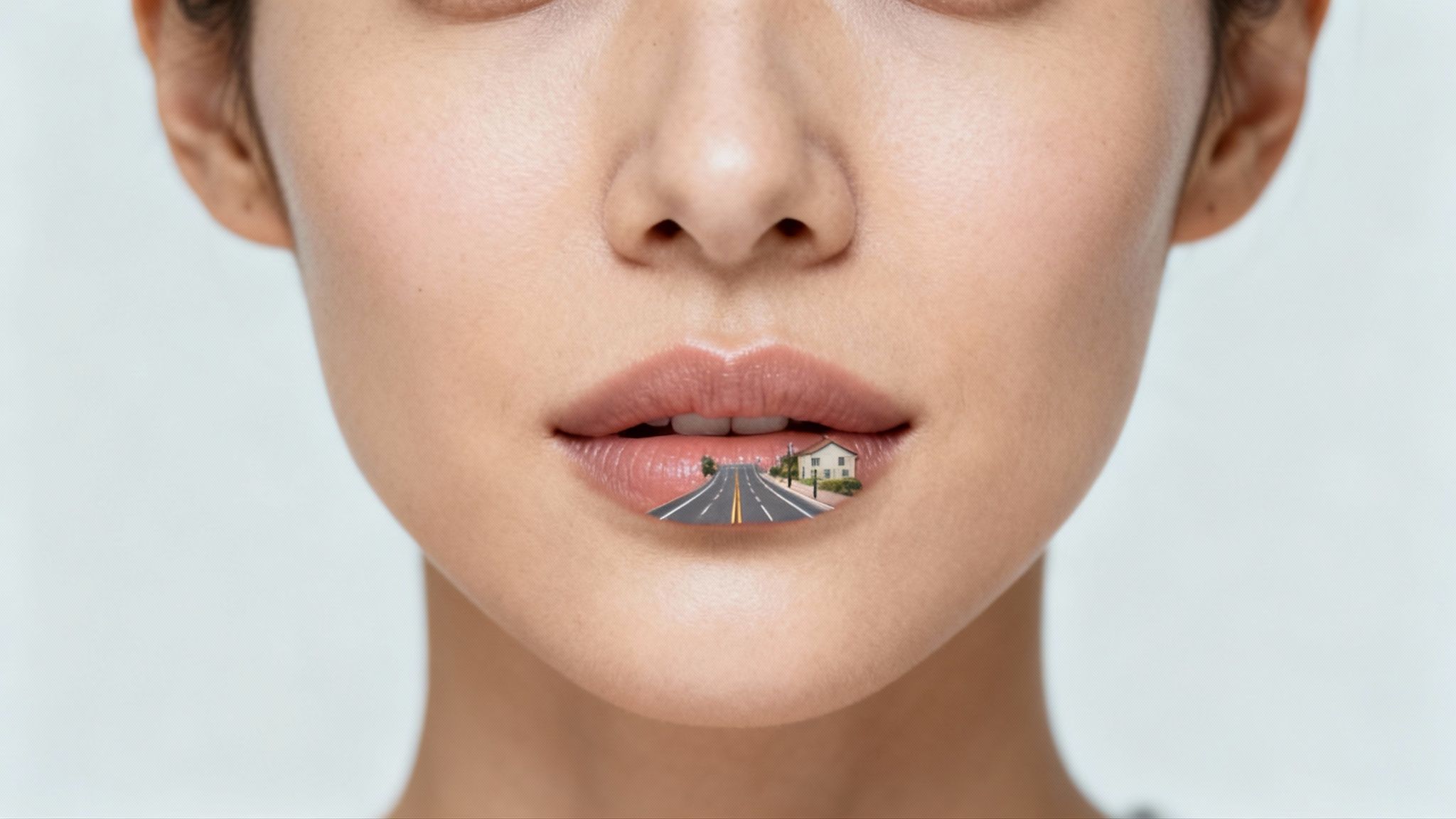
Think of your face as a map with different levels of activity. Areas with constant movement, like your lips when you talk and smile, are high-traffic zones. Filler there tends to metabolize a bit faster, much like a busy city street that sees a lot of wear and tear.
On the other hand, more static areas like the cheeks are like quiet suburban roads. The filler can settle in and stay put for much longer.
Today’s hyaluronic acid (HA) fillers—the gold standard we use here at BotoxBarb—are designed to integrate beautifully and smoothly with your own tissue. This gives you that seamless, natural look that lasts, but where we place the product makes all the difference in its lifespan.
A Quick Glance at Filler Lifespans
To give you a clearer picture, this chart shows the typical longevity you can expect in the most common treatment areas.
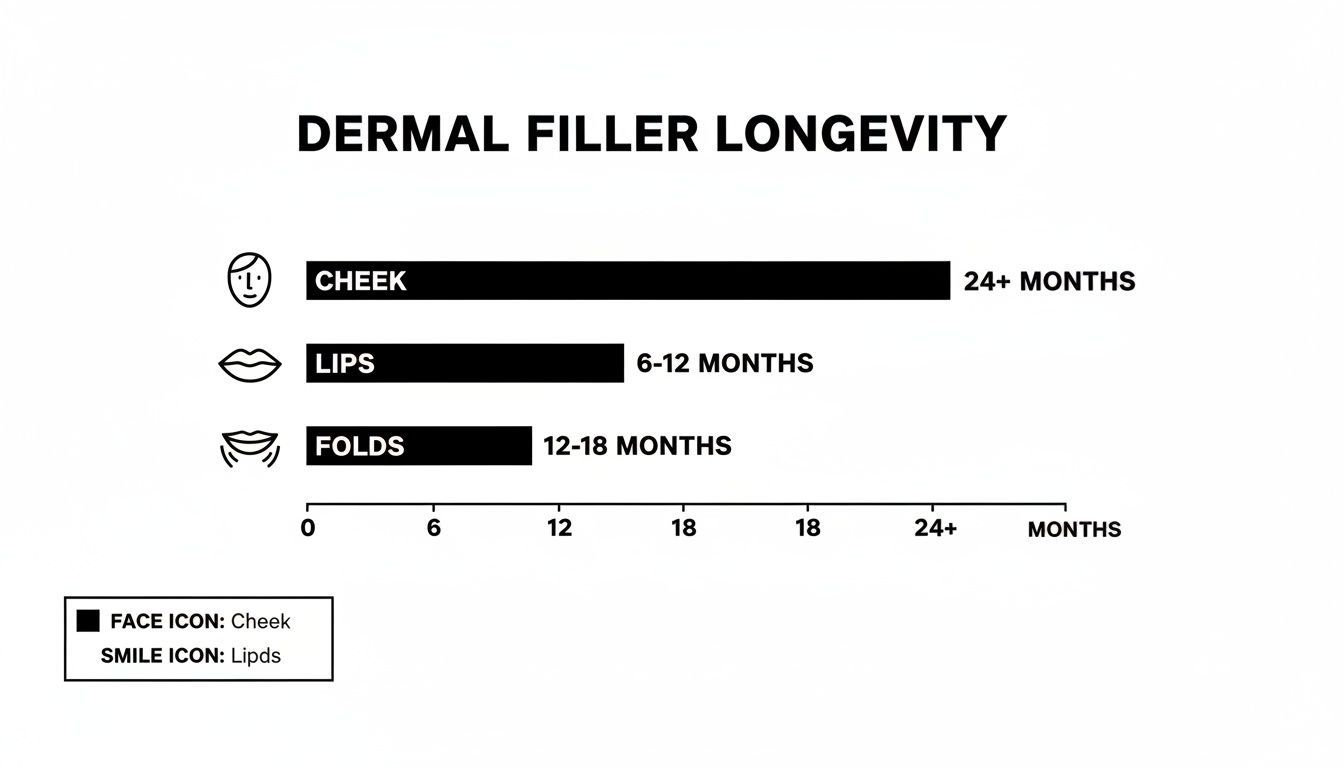
As you can see, fillers in less mobile areas like the cheeks often give you the most bang for your buck, while those in dynamic spots like the lips have a shorter—but still significant—lifespan.
For a more detailed breakdown, here’s a quick reference guide to help you set expectations for your treatment.
Average Dermal Filler Longevity By Type And Treatment Area
| Treatment Area | Filler Type (Example) | Average Duration |
|---|---|---|
| Cheeks | Juvéderm Voluma, Restylane Lyft | 12 - 24 months |
| Nasolabial Folds | Juvéderm Ultra Plus, Restylane Defyne | 9 - 18 months |
| Lips | Juvéderm Volbella, Restylane Kysse | 6 - 12 months |
| Under Eyes | Juvéderm Volbella, Restylane-L | 9 - 12 months |
| Jawline | Juvéderm Volux, Restylane Defyne | 12 - 24 months |
Remember, these are just averages. Your personal results will depend on the unique factors we discuss during your consultation.
The Science Behind Long-Lasting Results
While the old 6-12 month estimate is still thrown around, the science shows that modern HA fillers are impressively resilient. A major meta-analysis involving 1,410 patients across 13 countries uncovered some incredible findings about their staying power.
Researchers discovered that at the 12-month mark, filler retention was between 60% and 86.4%. Even more surprising? At 24 months post-injection, 50-86% of the HA was still present. You can dive into the full research on HA filler persistence if you love the science as much as I do.
The key takeaway here is that today’s dermal fillers often last much longer than we used to think. Your results don’t just vanish overnight; they fade gracefully, giving you plenty of time to plan for a touch-up and simply enjoy your refreshed look.
This is a game-changer. It allows us to move away from thinking of fillers as a short-term fix and see them for what they truly are: a long-term investment in your confidence, delivering results that are both beautiful and surprisingly enduring.
Understanding The Different Types Of Dermal Fillers
Not all fillers are created equal, and knowing the difference is the first step toward getting the results you really want. When my clients ask, "how long do fillers last?" the first thing we discuss is the type of filler we'll be using. Their unique makeup is the number one factor determining how they perform, where they work best, and ultimately, how long they’ll stick around.
Think of it like this: you wouldn't use the same material to frame a house as you would to paint the walls. In the same way, dermal fillers are engineered with specific textures and properties to address different needs, from creating soft, pillowy lips to building strong, structural definition in the cheeks.
Hyaluronic Acid Fillers: The Versatile Volume Boosters
The most popular fillers on the market are made with hyaluronic acid (HA), a sugar molecule your body already produces to keep skin hydrated and plump. You've probably heard of the big names in this category, like Juvéderm and Restylane.
HA fillers are gels that come in different thicknesses, achieved through a process called cross-linking. Tightly cross-linked gels are firmer and more robust—perfect for building structure in the cheeks or jawline—and can last anywhere from 12 to 24 months. Softer, more flexible gels are ideal for high-movement areas like the lips, where they provide a natural look and feel for 6 to 12 months. If you want a closer look at this brand, check out our guide to the different types of Juvéderm fillers.
One of the best things about HA fillers is that because HA is native to your body, they are incredibly well-tolerated. Plus, they can be dissolved with a special enzyme, giving us an extra layer of safety and control over your results.
Biostimulators: The Collagen Builders
While HA fillers are all about adding immediate volume, another class of injectables plays the long game. Biostimulatory fillers don't just fill—they act as a scaffold that encourages your own body to ramp up its collagen production. The result is gradual, natural-looking, and incredibly long-lasting structural support from within.
Two of the go-to biostimulators in aesthetics are:
- Radiesse (Calcium Hydroxylapatite - CaHA): This filler is made of tiny microspheres suspended in a gel. You get some immediate volume from the gel, but the real magic happens as your body absorbs it. The microspheres left behind trigger a wave of new collagen growth, with results that can last for 12 to 18 months.
- Sculptra (Poly-L-lactic Acid - PLLA): Sculptra is totally different. It doesn't give you instant volume. Instead, it works quietly over several months, stimulating collagen synthesis to restore volume and improve overall skin quality. The effects are amazing and often endure for two years or more.
These products are fantastic for addressing more widespread volume loss and truly rejuvenating the skin's texture over time. For a full breakdown of all the different injectables out there, you can explore these Dermal Filler Treatment Options from qualified providers.
Understanding the science behind each filler type empowers you to have a more informed conversation with your provider. The choice between an HA filler and a biostimulator depends entirely on your unique anatomy, treatment area, and aesthetic goals.
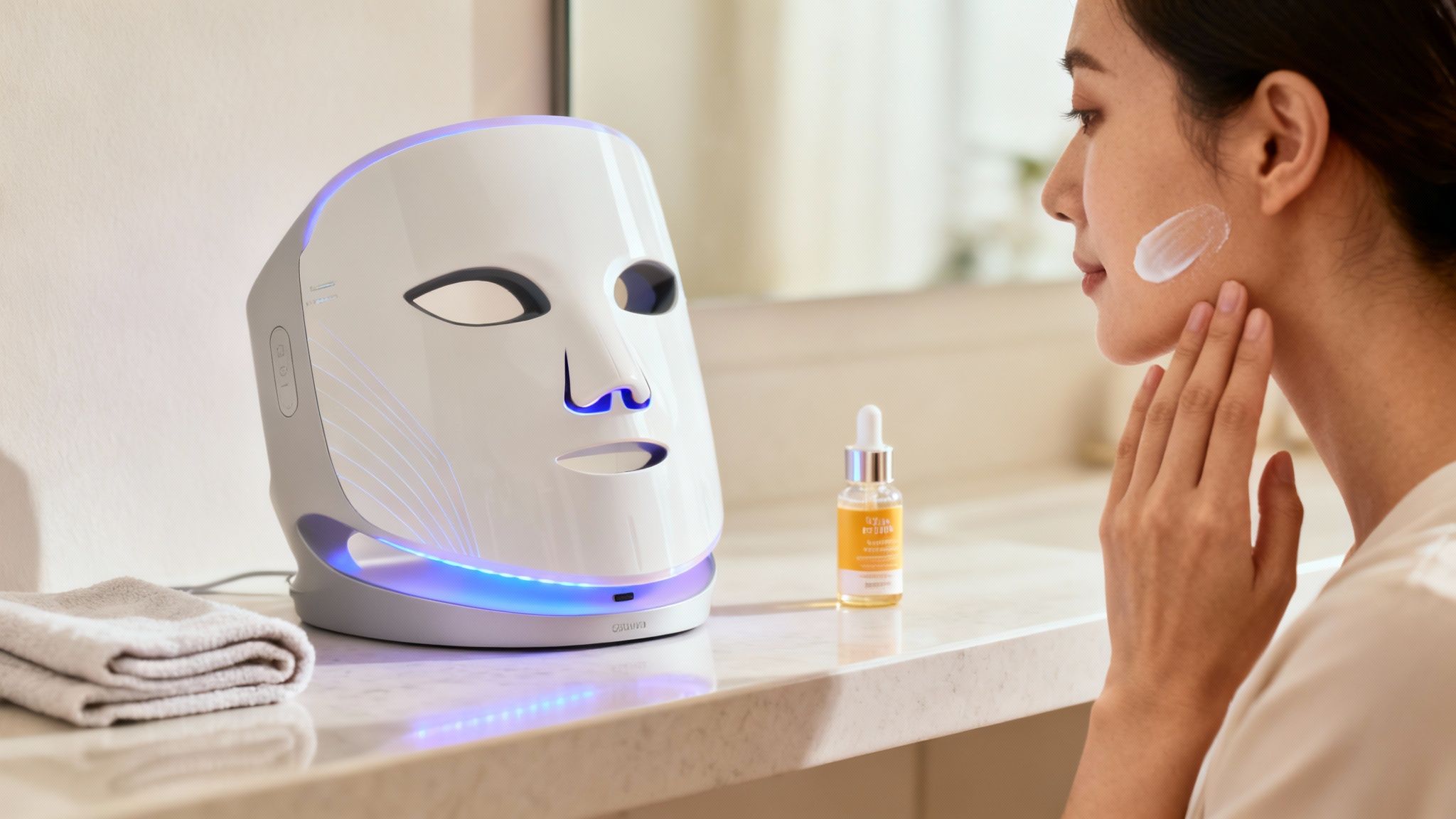
To keep your skin healthy and glowing between treatments, it's smart to support it from home. The Barb N.P. Facial Mask is a perfect addition to your routine. It's completely wireless, so you can comfortably wear it while you relax. It also has three light settings—red for boosting collagen, blue for fighting acne bacteria, and amber for calming inflammation—so you can give your skin exactly what it needs to enhance your in-office results.
How the Treatment Area Affects Your Filler Longevity
Ever notice how cheek filler seems to last forever, but your lip filler is ready for a touch-up much sooner? It’s not just in your head. The secret isn’t only in the syringe—it's about where that filler is placed. In my experience, the location is one of the biggest factors determining how long you'll love your results.
Think of your face as having different neighborhoods. Some are constantly buzzing with activity, while others are quiet and still. This dynamic has a huge impact on how long your dermal fillers stick around.
High-Motion vs. Low-Motion Zones
Let’s break it down. High-motion areas of your face are like the busy highways of a city. I’m talking about your lips—constantly moving when you talk, eat, and express yourself—or the smile lines that deepen with every laugh.
Because of all that constant movement, your body naturally metabolizes the hyaluronic acid filler a bit faster in these spots. It's why fillers in the lips or around the mouth tend to have a shorter lifespan, usually lasting somewhere between 6 to 12 months. The nonstop activity just wears things down more quickly.
On the flip side, low-motion areas like the cheeks, chin, or under-eye hollows are the quiet, residential streets. There’s very little muscle movement here. This allows the filler to settle in, integrate beautifully with your tissue, and stay put without being disturbed. The result? Fillers in these more static areas can last much, much longer—often 18 months or even more.
Key Takeaway: The more an area of your face moves, the faster your body will naturally break down the filler. This is where an expert injector's knowledge of facial anatomy is critical. We choose a specific product with the right structure and flexibility for each unique zone.
Why Smile Lines Are a Special Case
The nasolabial folds, what everyone calls "smile lines," are a perfect example of a high-traffic zone that needs a really strategic approach. These lines are etched in from years of happy expressions, making them a top concern for many of my patients. Because this area is so dynamic, picking the right filler is everything if you want smooth, natural-looking results that actually last. To dive deeper into this, check out our guide on choosing the best filler for smile lines.
Understanding how your facial movements affect filler is key to setting realistic expectations and building the perfect treatment plan with your provider.
Surprising New Evidence on Just How Long Filler Lasts
While we've always known that facial movement plays a huge role, some fascinating new research is showing that fillers can be even more persistent than we thought, especially in those quiet zones. We used to tell patients that cheek filler could last up to two years, but new evidence shows it can hang around far longer.
One groundbreaking study used MRI scans to track HA filler in the mid-face of 33 patients. The results were pretty incredible: every single participant still had detectable filler at least two years after their last injection. Some even showed evidence of filler persisting for up to 15 years! This finding held true across various HA filler brands, proving just how durable a well-formulated product is when placed in a stable area. This reinforces what we see in the clinic—filler in those "quiet streets" like the cheeks provides exceptionally long-lasting structural support.
Your Body, Your Lifestyle: The Personal Side of Filler Longevity

While the type of filler and where it’s placed set the stage, they're only half the story. The other major variable? You. Your unique body and daily habits are a huge piece of the puzzle, turning your aesthetic treatment into a truly personal experience.
Think about how some people have a naturally faster metabolism. The same principle applies here. Your individual metabolic rate directly influences how quickly your body processes and absorbs the filler. If you have a faster metabolism, your body’s natural cleanup crew might break down hyaluronic acid fillers a little more quickly.
This isn’t something you can change, of course, but it's a key factor we consider when mapping out your long-term treatment plan. It’s all about working with your body to achieve beautiful, lasting results.
How Your Daily Habits Impact Your Results
Beyond your base metabolism, your daily choices have a very real impact on your filler's lifespan. Think of your lifestyle as the environment your filler lives in—a healthy, supportive one helps it thrive, while a stressful one can speed up its departure.
A few habits are known to accelerate this process:
- High-Intensity Exercise: Are you an avid runner or a fan of high-impact workouts? All that muscle movement and increased metabolic activity can cause your body to process filler more quickly.
- Smoking: This is a big one. Smoking constricts blood vessels, starving the skin of oxygen and generating free radicals that degrade both your natural collagen and the hyaluronic acid in your filler.
- Unprotected Sun Exposure: UV radiation is the number one cause of premature aging. It doesn't just damage your skin; it actively breaks down the filler sitting beneath it.
The most empowering part is that you have more control over your results than you think. By taking a holistic approach to your wellness, you are actively protecting and extending the life of your investment.
Protecting Your Investment with Medical-Grade Skincare
One of the most powerful tools in your arsenal is simply diligent sun protection. It’s a non-negotiable step that shields both your skin and your filler from the UV damage that wants to undo all our beautiful work.
This is where a medical-grade sunscreen really makes a difference. At BotoxBarb, we proudly carry products from SkinCeuticals because their formulas offer superior, broad-spectrum protection that you just can’t find at the drugstore. Making a high-quality SPF a daily habit is the single best thing you can do to support your results.
For an extra boost, consider adding at-home treatments to your routine. The Barb N.P. Facial Mask is the perfect companion to your filler journey. This device is completely wireless and designed for comfort, so you can easily use it while relaxing. It features three distinct light settings—like red light to help stimulate your own collagen production—that work to improve your skin's overall health and resilience. A healthy canvas always makes for a better masterpiece.
How To Extend The Life Of Your Dermal Fillers
Investing in dermal fillers is an investment in your confidence, so naturally, you want to protect it. We’ve already covered how the product, treatment area, and your own metabolism play a huge role, but the good news is you have more control than you think. You can absolutely extend those beautiful results with a mix of smart aftercare and strategic long-term planning.
Think of it like tending to a garden. Your filler appointment is the planting—the most important step. But the ongoing care—watering, sun protection, and nourishment—is what makes everything flourish for the long haul. Your results are no different.
Your Immediate Aftercare Checklist
The first 48 hours after you leave our clinic are critical. This is when the filler is settling in and integrating with your own tissue. Following these simple steps can make a world of difference in your final, gorgeous outcome.
- Avoid Intense Heat: Steer clear of saunas, steam rooms, hot tubs, and even scorching hot showers. Heat can increase swelling and might interfere with how the filler settles.
- Skip Strenuous Exercise: For the first day or two, stick to light activities like walking. Pushing it with a hard workout increases blood flow to the face, which can make swelling and bruising worse.
- Stay Hydrated: Hyaluronic acid fillers love water. Drinking plenty of fluids helps the HA molecules plump up and deliver that dewy, hydrated look we all want.
These initial steps lay the foundation, but the real key to getting the most out of your filler’s lifespan is playing the long game.
The Power of A Strategic Partnership
One of the best-kept secrets to prolonging your filler is pairing it with another treatment: neuromodulators like Botox or Dysport. This dynamic duo works in perfect synergy to deliver superior, longer-lasting results.
Imagine a newly paved road. If cars are constantly speeding over it, the surface will wear down quickly. But if you slow down the traffic, that road stays smooth for so much longer.
This is exactly what neuromodulators do for your filler. By relaxing the muscles in a treated area, Botox or Dysport reduces the constant creasing and folding that puts stress on the filler. This slowdown in movement gives the filler a chance to thrive without being broken down by everyday facial expressions.
And this isn't just a theory—the science backs it up. One study showed that using Botox with HA fillers dramatically extends their longevity, reducing filler degradation by 42% after three months. Even more impressive, the treated side showed 50% more remaining filler volume compared to the untreated side. You can dive into the full findings on this powerful synergy to see the data for yourself.
This is why at BotoxBarb, we often recommend an integrated approach. Combining fillers with Botox isn't just about treating more wrinkles; it’s a sophisticated strategy to protect your filler investment and keep you looking refreshed for as long as possible.
Support Your Skin from Home
Your in-clinic treatments are only one part of the equation. What you do at home every single day plays a massive role in your skin's health and, by extension, your filler results. A strong, healthy skin structure provides a much better foundation for filler to settle into.
This is where advanced at-home devices can truly complement your professional treatments. We love incorporating the Barb N.P. Facial Mask into a weekly routine. This isn't just another skincare gadget; it's a powerful tool designed to work in harmony with your aesthetic treatments.
The mask is completely wireless and designed for total comfort, so you can easily wear it while reading or relaxing. It features three distinct LED light settings to deliver targeted treatments:
- Red Light: Penetrates deeply to stimulate your own natural collagen, which helps firm the skin and gives your filler better support from within.
- Blue Light: Targets and eliminates acne-causing bacteria, keeping your complexion clear and healthy.
- Amber Light: Calms inflammation and reduces redness, promoting a more even, radiant skin tone.
By using the Barb N.P. Facial Mask consistently, you’re not just treating the surface. You're enhancing your skin's overall health, creating the ideal environment for your fillers to last and giving you a comprehensive plan for maintaining that glow from the inside out.
Planning Your Long-Term Filler Maintenance Strategy
Beautiful, natural-looking filler results aren't just a one-and-done appointment. Think of it as an ongoing conversation between you, your provider, and your aesthetic goals. The best, most graceful outcomes come from creating a long-term plan together.
A huge part of this strategy is a concept I call “filler stacking.” Your first filler treatment lays the foundation. When you come back for a touch-up, we aren't starting from zero. We’re simply building on the beautiful base that’s already there.
This is where the magic happens for long-term maintenance. Your follow-up appointments almost always require less product to refresh your look, making your journey more predictable and cost-effective over time. We're just topping things off, not starting over.
Creating Your Personalized Treatment Calendar
The most important part of any filler strategy is a partnership with an injector you trust. Working with a provider like Barb N.P. means you get a treatment calendar that’s truly yours—designed around your unique anatomy, your goals, and how your body metabolizes different products.
Instead of waiting until your results have completely disappeared, we schedule maintenance appointments right when you start to see a subtle softening. This proactive approach keeps your look seamless and consistent all year round.
Knowing what to expect after your visit is just as important. For a clear-eyed view of the recovery process, take a look at our guide to the common and totally manageable dermal filler side effects.
Supporting Your Results at Home
A smart maintenance plan doesn’t stop when you leave the clinic. To protect your investment and boost your overall skin health, a supportive at-home routine is non-negotiable. We can help you build a skincare regimen that complements your treatments perfectly.
We proudly carry a curated selection of medical-grade skincare and wellness products to support your aesthetic journey:
- Epicutis: A clean, powerful line focused on calming inflammation and creating a healthy skin environment.
- Nutrafol: For anyone concerned with hair thinning, these supplements are incredible for supporting stronger, fuller hair from the inside out.
When you're ready to map out a comprehensive, long-term plan that keeps you looking and feeling like your best self, we invite you to book a consultation. Let's build your strategy together.
Your Top Questions About Filler Longevity, Answered
Even after we’ve walked through the science, it’s completely normal to have a few more questions pop up. Here are the quick, clear answers to the things our clients ask most often at BotoxBarb, so you can feel totally confident moving forward.
Will My Face Look Strange If I Stop Getting Fillers?
This is one of the biggest myths out there, and the answer is a firm no. Dermal fillers don’t stretch, damage, or permanently change your skin in a negative way. As your body slowly and naturally breaks down the filler over many months, your face will simply return to how it looked before treatment.
In fact, most of my clients notice a lasting improvement. Because hyaluronic acid fillers are so hydrating and can even kickstart your body’s own collagen production, you might find your skin texture is even a little better long after the filler has dissolved.
How Do I Know When It Is Time For A Touch-Up?
You’ll be the best judge of this, I promise. It’s not a sudden change. Instead, you'll start to notice a very subtle return of the fine lines or volume loss you first came in for. Your results will just look a bit softer than they did in the first few months after your treatment.
The perfect time for a maintenance appointment is right when you first notice this gradual softening. Staying on top of it is the smartest approach for a few reasons:
- It keeps your look seamless and consistent all year round.
- It usually requires less product to restore your initial result.
- This makes long-term maintenance more efficient and budget-friendly.
Can I Switch Between Different Types Of Fillers?
Yes, you absolutely can, especially when moving between different hyaluronic acid (HA) brands like Juvéderm and Restylane. But—and this is a big but—it has to be done with a skilled injector who knows your complete treatment history inside and out.
Being open with your provider about every single treatment you’ve had is critical for your safety and for getting the beautiful results you want. This is especially true if you’re thinking about switching from an HA filler to a biostimulatory one like Radiesse or Sculptra, since they work in a totally different way.
An experienced injector can guide you through these transitions safely, making sure your treatment plan continues to meet your goals. Together, we can create a fluid, effective long-term strategy that keeps you looking and feeling like your best self.
To keep your skin glowing and protect your results between visits, think about adding at-home LED therapy to your routine. The BotoxBarb team personally recommends the Barb N.P. Facial Mask. It’s a wireless, comfortable mask with three light settings designed to support your skin’s health and complement your in-clinic treatments beautifully.