Skin Care Cream: Expert Guide to Best Results
You're probably here because “moisturizer” has become a useless label. One jar says barrier repair, another says anti-aging, another promises glow, firmness, bounce, calming, and SPF in the same sentence. Then you add injectables, retinoids, peels, LED therapy, or PRP into the mix, and suddenly a simple skin care cream doesn't feel simple at all.
From a practitioner's perspective, this critical juncture determines whether many routines succeed or fail. The right cream helps skin tolerate active ingredients, recover from irritation, and stay stable between treatments. The wrong one can leave skin tight, shiny but dehydrated, reactive, or never quite settled no matter how many products you layer on top.
The Foundation of Every Great Skincare Routine
Standing in front of a shelf full of creams, gels, lotions, and balms, many consumers assume the “extra” products are what matter most. They think the serum is doing the heavy lifting, the retinoid is the primary treatment, and the cream is there just to make skin feel less dry.
That's backwards. A skin care cream is the product that determines whether your skin can function well enough to benefit from everything else you apply. If the barrier is irritated, dehydrated, or inflamed, even a strong treatment plan becomes harder to tolerate.

Consumer behavior reflects that. Moisturizers were used by 93% of women, compared with 85% using cleansers and 83% using sunscreens, according to consumer skincare usage data compiled by Market.us. That tells you something important. Cream isn't an occasional comfort step. It sits at the center of what people do every day.
Why cream matters more in aesthetic practice
In clinic, I see the same pattern repeatedly. Patients want brighter skin, smoother texture, fewer fine lines, less irritation from retinoids, and better recovery after procedures. Many of them already own good products. What's missing is a cream that matches their skin's current condition, not just their long-term goal.
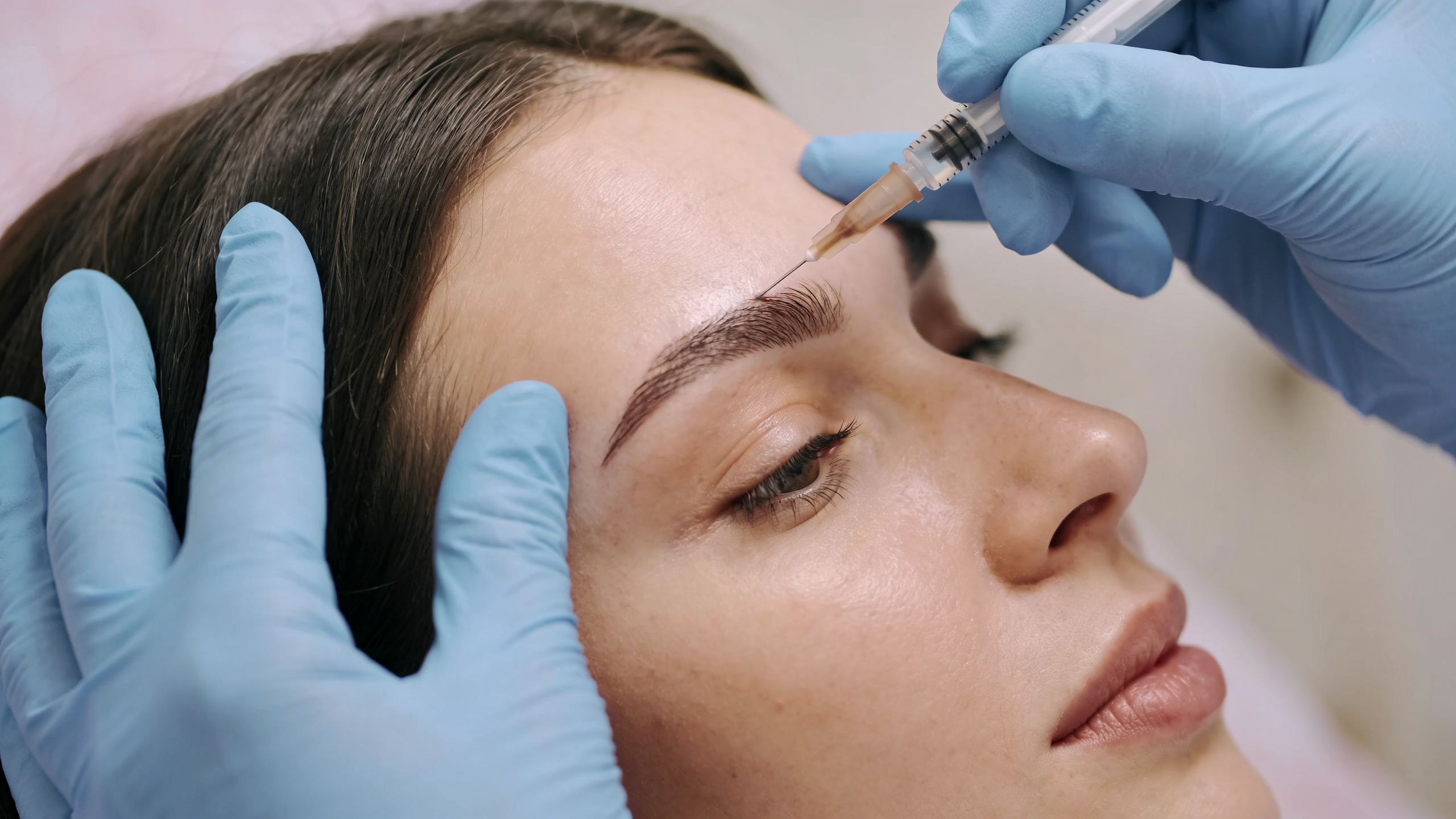
A patient using Botox or filler may need a calming, non-irritating cream for a short window. Someone doing pigment correction may need hydration plus daily sun protection. Someone on acids or retinoids often needs a cream that supports the barrier enough to keep treatment on track.
Skin doesn't respond well to “more.” It responds well to support.
What a good cream actually does
A well-chosen skin care cream should help with:
- Water retention so skin doesn't feel tight by midday
- Barrier support when actives, weather, or procedures have pushed skin too far
- Comfort so redness, stinging, and flaky texture settle down
- Consistency because a product you'll use daily beats a complicated routine you abandon
If you get this step right, the rest of your routine becomes much easier to fine-tune.
Decoding Formulations Cream Lotion Ointment and Serum
A useful way to think about skincare textures is clothing. You wouldn't wear the same coat in humid summer, dry winter, and windy post-procedure conditions. Skin products work the same way. The best format depends on what your skin needs to hold onto, what it needs to deliver, and how much protection it needs at the surface.

A cream sits in the middle. It's richer than a lotion, lighter than an ointment, and more supportive than a serum on its own. Technically, a skin cream is a two-phase emulsion. The water phase and oil phase are heated separately to about 70°C and 65 to 70°C, then combined under agitation and cooled, as described in Personal Care Magazine's skin cream formulation overview. That process creates the stable, semi-solid texture that makes a cream feel substantial without being greasy like an ointment.
The quick distinction that helps most patients
Serums deliver. Creams support. Ointments seal. Lotions lighten.
That's the simple version. Here's the more practical one.
| Formulation | Composition | Primary Purpose | Best For |
|---|---|---|---|
| Cream | Balanced water and oil emulsion | Hydration plus barrier support | Normal, dry, combination, post-treatment, retinoid users |
| Lotion | Higher water feel, lighter texture | Fast absorption with lighter moisture | Oily skin, humid climates, daytime use |
| Ointment | Oil-heavy, highly occlusive | Sealing in moisture and reducing water loss | Very dry, cracked, irritated, compromised areas |
| Serum | Lightweight active-delivery vehicle | Targeted treatment for a specific concern | Pigment, dehydration, fine lines, acne support |
What each one does well and where it falls short
Cream
Cream is usually the best default choice when skin needs both comfort and function. It has enough body to reduce dryness and enough elegance to fit into a daily routine under makeup or sunscreen.
It's also the format I lean on most when someone is trying to balance treatments with real life. If skin is mildly sensitive, seasonally dry, adjusting to actives, or healing from a procedure, cream often gives the best middle ground.
Lotion
Lotions are useful when heavier products feel suffocating. They spread quickly, absorb fast, and work well for oily skin types or hot climates.
The trade-off is staying power. A lotion may feel beautiful at application and then disappear too quickly if your barrier is stressed.
Ointment
Ointments are excellent when the goal is protection, not elegance. Think corners of the nose during a retinoid adjustment, flaky patches, windburned skin, or short-term recovery on very dry areas.
The downside is obvious. They can feel heavy, shiny, and occlusive in ways many people won't tolerate on the full face.
Serum
Serums matter, but they're often misunderstood. They're usually built to deliver ingredients such as hyaluronic acid, peptides, antioxidants, or brightening agents. They are not usually enough to replace a cream unless your skin is extremely oily and very resilient.
Practical rule: If your serum makes your skin look good for an hour but feel tight later, you don't need a stronger serum. You need a better cream over it.
The Powerhouse Ingredients Inside Your Cream
A cream's texture gets attention, but its ingredient strategy determines how useful it really is. Two products can feel similar on the skin and perform very differently over time. When I evaluate a skin care cream, I'm looking at what job it's built to do.
Ceramides and barrier lipids
If your skin stings when you apply products, gets flaky around the nose or mouth, or feels dry and oily at the same time, start here. Ceramides support the barrier. They're especially helpful for patients using retinoids, exfoliating acids, acne treatments, or professional procedures that temporarily stress the skin.
These are the creams I reach for when a patient says, “Everything burns lately.” At that point, chasing brightness or anti-aging isn't the priority. Restoring tolerance is.
Hyaluronic acid and humectants
Humectants pull water into the outer layers of the skin and improve surface hydration. Hyaluronic acid gets most of the attention, but glycerin also matters a lot in well-made moisturizers.
If your issue is dehydration rather than true oil deficiency, humectants can make a noticeable difference in bounce and comfort. The catch is that they usually work best when paired with a cream that can hold that hydration in place. If you want a deeper look at that pairing, this guide on hyaluronic acid serum for dehydrated skin is worth reading.
Retinoids for renewal
Retinoids increase cell turnover and help address uneven texture, fine lines, and acne-prone congestion. But in cream routines, the biggest practical issue isn't whether retinoids work. It's whether the surrounding routine lets you keep using them consistently.
That's why a retinoid and a poorly matched moisturizer often fail together. Skin gets irritated, the patient stops treatment, and the product gets blamed. If you're using retinoids, the cream beside it matters almost as much as the retinoid itself.
Peptides for support
Peptides are signaling ingredients. In practice, they're often included in creams designed for visible aging concerns, especially when someone wants smoother, more resilient-looking skin without the irritation profile of stronger resurfacing ingredients.
A good peptide cream fits well in routines for patients who are dry, mature, or sensitive. One example from the medical-grade world is SkinCeuticals A.G.E. Interrupter Advanced, which is commonly chosen when firmness and visible aging are major concerns.
Sunscreen in cream formulas
Sunscreen-containing creams can simplify a morning routine. They're especially appealing for patients who want fewer steps and better adherence.
Still, convenience doesn't erase chemistry. If you under-apply an SPF cream because you're treating it like a tiny dab of moisturizer, you may not get the protection listed on the label. For anti-aging, pigment control, and post-procedure maintenance, that matters.
What formulators are aiming for
Behind the scenes, cream performance depends on more than marketing terms like rich or lightweight. Benchmark quality targets for a finished cream often include a white cream appearance, viscosity around 28,580 ± 1,000 cP at 25°C, and pH about 5.80 ± 0.5 at 25°C, according to the formulation benchmark document hosted on Scribd. The same source notes that ingredients like glycerin support hydration, while cetearyl alcohol, carbomers, and xanthan gum help build viscosity and reduce phase separation.
That's why ingredient lists matter as much as first impression. A cream should feel good on day one, but it also has to stay stable, spread evenly, and remain compatible with skin.
Matching a Cream to Your Skin Type and Goals
Choosing a cream gets easier once you stop shopping by label and start shopping by condition. “Anti-aging” isn't a skin type. Neither is “glow.” The better question is what your skin is dealing with today.

A major gap in skincare advice is failing to answer which cream helps when the skin barrier is compromised by irritation or active treatments. That concern is especially important in medical aesthetics, where reducing water loss and calming inflammation can determine how well someone tolerates treatment, as discussed in North Metro Dermatology's article on underrated over-the-counter skincare products.
If your skin type is the main issue
-
Dry skin
Look for richer cream textures with ceramides, humectants, and barrier-supportive lipids. If your skin still feels tight after application, your product may be too light or too serum-heavy. -
Oily skin
You still need moisture. The key is a cream or lotion texture that hydrates without leaving a dense film. Patients with oily skin often do best with lighter emulsions and fewer competing active ingredients in one step. -
Combination skin
This group often overcorrects. They use a drying product on the T-zone and a heavy balm everywhere else, then wonder why skin feels inconsistent. A medium-weight cream paired with targeted treatment products usually works better than trying to make one formula do everything. -
Sensitive skin
Keep the formula calm. Fewer irritants, fewer unnecessary exfoliants, and more barrier support. Sensitive skin often improves when the routine gets simpler, not more complex.
If your goal is cosmetic correction
Some patients are shopping for comfort. Others want visible change. Those aren't the same thing.
| Goal | What to prioritize in a cream | What usually doesn't work well |
|---|---|---|
| Fine lines and texture | Retinoid-compatible support, peptides, hydration | Strong actives layered onto already irritated skin |
| Acne-prone skin | Lightweight hydration, non-heavy finish, barrier support | Skipping moisturizer and relying only on drying treatments |
| Pigment and dullness | Consistent hydration plus daily sun protection | Brightening products on an unstable, inflamed barrier |
| Post-procedure recovery | Calming, bland, protective cream | Fragranced, exfoliating, or highly active formulas |
The barrier question matters more than people think
A lot of “my skin changed” complaints are really barrier problems. Patients say their skin suddenly became sensitive, acne products stopped working, makeup pills, or everything burns. Often, they haven't developed a new skin type. They've disrupted the barrier.
That's why the cream choice changes when you're on retinoids, after a peel, after microneedling, during dry weather, or after repeated in-office treatments. In those moments, the best cream is rarely the most exciting one. It's the one that helps skin stay calm enough to recover.
If your face is red, flaky, and reactive, don't shop for a miracle. Shop for tolerance.
For patients trying to balance hydration with daily protection, this guide to choosing the best face cream with SPF can help clarify when an all-in-one option makes sense and when a separate sunscreen is smarter.
Your Daily Routine and Advanced Enhancement Tools
A skin care cream works best when it's placed correctly in the routine. Layering mistakes are common, and they change how well products perform. In most cases, thinner treatment products go on first, then cream, then sunscreen if your cream doesn't already include it.

A simple morning and evening structure
Morning
- Cleanse lightly if needed
- Apply serum if you use one for hydration or antioxidants
- Use your cream to support comfort and barrier function
- Finish with sunscreen if your cream isn't your SPF step
Evening
- Cleanse thoroughly
- Apply treatment products such as retinoids or peptide serums
- Use a skin care cream to reduce irritation and seal in hydration
Day cream versus night cream
You don't always need two separate moisturizers. But there are good reasons some people prefer them.
- Day cream often feels lighter and may include SPF.
- Night cream is often richer and better suited to recovery-focused routines.
- Procedure weeks sometimes require a temporary switch to a simpler, more soothing cream even if your regular moisturizer normally works well.
The SPF cream question
Many patients ask if one cream with SPF can replace both moisturizer and sunscreen. Sometimes it can, but the practical limitation is application. A common point of confusion is that users often apply an SPF cream too thinly, as if it were only a moisturizer, which can compromise the labeled protection. Sephora's category guidance on moisturizing creams, oils, and mists highlights that this trade-off depends heavily on applying enough product.
If you know you'll use too little, use a dedicated sunscreen. A good routine is the one you'll execute correctly.
Where LED therapy fits
At-home LED can be a useful companion to a cream routine, especially when the goal is calming, breakout support, or helping skin look more even and rested. I like LED best when patients treat it as an enhancer, not a replacement for basics.
A well-designed LED mask should be easy to stick with. Practical features matter. Wireless use means you're more likely to be consistent. Comfort on the face matters because a rigid or awkward mask often gets abandoned. Three lighting settings can also make a device more versatile, especially when different modes are used for different skin goals such as collagen support, breakout-prone skin, or visible post-treatment calming.
The best device is the one that fits into real life often enough to matter.
Integrating Creams with Professional Aesthetic Treatments
Professional treatments don't replace home care. They raise the standard for it. If you're investing in injectables, PRP, microneedling, peels, or LED sessions, your cream becomes part of the treatment plan, not an afterthought.
Before treatment
The week leading into a procedure is not the time to experiment with aggressive exfoliants or highly fragranced products. Skin does better when it enters treatment calm, hydrated, and less reactive.
For patients preparing for procedures that can temporarily stress the barrier, I usually prefer a boring cream over an exciting one. A barrier-supportive cream can make skin more comfortable before treatment and reduce the chance that a patient comes in already over-irritated from their home routine.
After treatment
Post-procedure skin often needs different support than everyday skin. The goal shifts from correction to recovery. That usually means fewer actives, less fragrance, less experimentation, and more emphasis on comfort.
Here's how I think about common scenarios:
- After injectables Skin may not need a heavy product, but it does need a non-irritating one. Avoid using active-heavy creams because you're eager to “boost” results.
-
After microneedling or PRP
Keep the routine gentle and supportive. If you're considering that treatment path, this overview of microneedling with PRP explains the procedure context well. -
After resurfacing or active irritation
Prioritize a cream that reduces discomfort and supports the barrier. This is not the moment for acids, scrubs, or multitasking formulas.
Why this matters for results
Good procedures can be undermined by poor recovery habits. If skin stays inflamed, dry, or reactive afterward, patients often assume the treatment failed. Often the issue is simpler. The skin never got the support it needed between visits.
A cream won't replace skillful treatment selection or injection technique. But it does influence how well skin tolerates the process around those treatments, and that's where a lot of long-term satisfaction is won or lost.
Frequently Asked Questions About Skin Care Creams
Are expensive medical-grade creams worth it
Sometimes yes, sometimes no. Price alone doesn't tell you much. The global body creams and moisturizers market was valued at US$27.6 billion in 2025 and is projected to grow, according to Grand View Research's market data on body creams and moisturizers. In a market that large, you're paying for a mix of formulation work, packaging, brand positioning, and marketing. The right question is whether the cream solves a real problem for your skin.
Can I use body cream on my face
Usually, I wouldn't make that your default. Body creams are often heavier and less elegant on facial skin. Some are perfectly fine for very dry areas, but many feel too occlusive, especially if you're acne-prone or layering treatment products.
How do I know if my cream isn't right for me
Look at how your skin behaves after repeated use, not just the first application. A poor fit often shows up as persistent tightness, stinging, pilling under sunscreen, greasy surface shine with underlying dryness, or increased reactivity when you use your usual actives.
How do I know when a cream has expired
Watch for changes in texture, smell, color, or separation. If a cream starts looking unstable or feeling different on the skin, stop using it. Packaging matters too. Jar products need cleaner handling than pumps because contamination risk is higher with repeated dipping.
If you want help choosing a skin care cream that fits your routine, treatment plan, and skin tolerance, shop the curated selection at BotoxBarb. You'll find practitioner-selected skincare, LED tools, and medical-aesthetic favorites designed to support everyday skin health and professional treatment results.