Skin Care in Your 30s: Expert Guide for Radiant Skin
You're probably here because your skin still looks good, but it doesn't behave the way it did a few years ago. You cleanse, moisturize, maybe even use a serum, yet your face looks a little flatter by afternoon. A smile line hangs around longer. Makeup sits on texture that wasn't there before. Nothing is “wrong,” but something has shifted.
That moment matters. In clinic, this is usually when I see clients move from casual skin care to intentional skin care. Your 30s aren't a decade to panic about aging. They're the decade to get strategic. Small changes respond well when you catch them early, and the right plan is usually much simpler than people expect.
Effective skin care doesn't require a shelf full of products. It needs a routine that respects what the skin is doing now, what it no longer does as easily on its own, and when home care is enough versus when a professional treatment makes more sense. That's how I approach skin care in your 30s as an aesthetic Nurse Practitioner. Keep the routine grounded, use actives that earn their place, and build toward long-term skin quality instead of chasing quick fixes.
Welcome to Your Thirties Skin
A common story goes like this. Someone in their early 30s comes in saying, “I don't think I need anything major. I just don't look as fresh.” That's usually the right read. The changes are often subtle at first. Skin can look a bit duller, the under-eye area can seem less rested, and lines from expression don't fade as quickly after a long week.
This is also the decade when old habits start showing up on the skin. Past sun exposure becomes more visible. Inconsistent hydration catches up with you. Harsh exfoliation that seemed fine in your 20s suddenly leaves your face tight, irritated, or blotchy.
Your 30s are rarely about overhaul. They're about precision.
What works now is a more disciplined version of skin care, not a more aggressive one. I tell clients to think in terms of maintenance plus early correction. Protect what's still working well. Support the processes that have slowed down. Treat a few concerns consistently instead of trying ten things at once.
What clients usually notice first
- Lingering fine lines that stick around after smiling or squinting
- A loss of glow even when skin is technically clear
- More dryness or dehydration around the cheeks, eyes, or mouth
- Uneven tone that becomes harder to cover with makeup
- Adult breakouts that show up alongside early signs of aging
If that sounds familiar, you're not behind. You're exactly at the point where a smart plan pays off. Skin care in your 30s works best when it's calm, consistent, and targeted. That's the mindset that gets the strongest long-term return.
The Science of Skin in Your 30s
The changes you see in the mirror usually start below the surface. One of the clearest shifts is that collagen production starts to decline by about 1% per year by the time people reach their 30s, and cell turnover slows, which helps explain why dryness, dullness, and fine lines become more noticeable in this decade, according to Rodan + Fields skincare guidance for your 30s.
Think of collagen as the internal support structure that helps skin look firm and springy. When that support gradually declines, the skin doesn't rebound the same way after movement. Fine lines settle in more easily. Skin can also look less dense and less luminous, even before deeper wrinkles appear.

What slowing turnover looks like in real life
When cell turnover slows, the surface of the skin doesn't refresh itself as efficiently. That often shows up as:
- Dull tone instead of that smoother, brighter look you may have had naturally before
- Rougher texture that makeup can catch on
- Post-breakout marks that seem to linger
- A drier feel because the barrier doesn't stay balanced as easily
That's why people in their 30s often say, “My skin is confusing now.” It can be dry and breakout-prone. It can look tired and reactive at the same time. The answer usually isn't to strip it with stronger products. The answer is to support renewal while protecting the barrier.
Why your routine has to get smarter
This is the decade when random product shopping stops working well. You need ingredients that match the biology. Morning protection matters because the skin is facing ultraviolet exposure, pollution, and oxidative stress during the day. Night treatment matters because that's when you can focus on renewal and repair.
If you enjoy learning how different skin care philosophies approach these goals, Mirai Skin's K-Beauty anti-aging guide is a helpful reference for seeing how barrier support and glow-focused routines are built without making the routine overly harsh.
Healthy-looking skin in your 30s comes from supporting slower processes, not fighting your face.
Once clients understand that, they stop asking for the strongest peel, the highest acid, or the fastest “fix.” They start choosing products that make sense.
The Four Pillars of a 30s Skincare Routine
Most routines fail because they're cluttered. People buy too many treatment products, layer them in the wrong order, and irritate their skin trying to get faster results. In practice, skin care in your 30s is much easier to manage when you anchor it around a few essential steps.
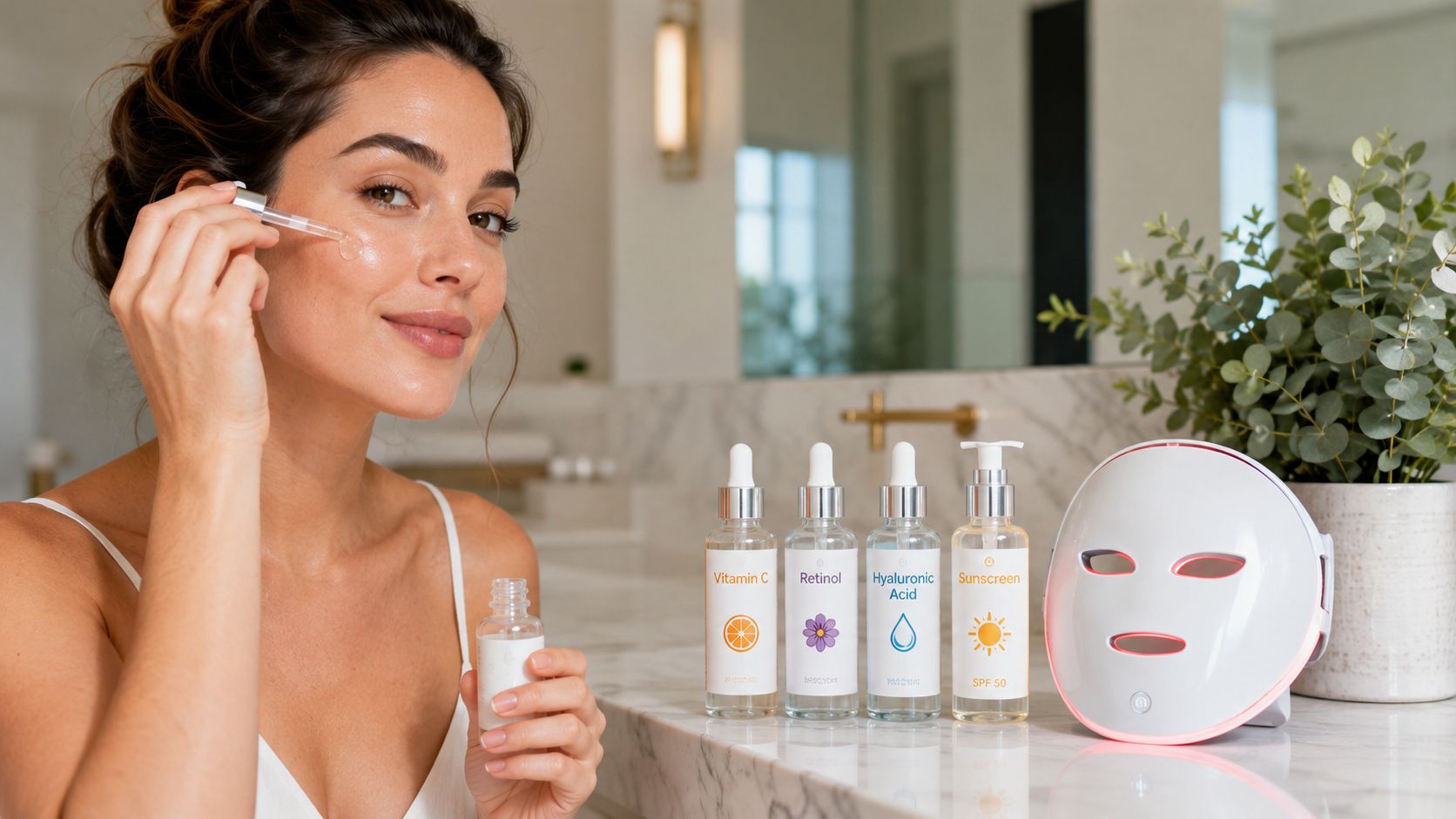
Skincare guidance for people in their 30s converges on a specific evidence-informed structure: antioxidants in the morning, especially vitamin C, retinoids at night, plus hydration and barrier support, as outlined in Pinnacle Dermatology's guidance on skin care at 30.

Pillar one and two
Vitamin C in the morning makes sense for clients who want brighter, more even-looking skin and daily antioxidant support. It's one of the few morning actives that consistently earns its spot in a routine.
Retinoids at night remain the gold-standard treatment step for early aging support. If someone asks me for one active that does the most heavy lifting over time, this is usually where the conversation starts. The trade-off is real, though. Retinoids work when you can tolerate them. If you push too fast and your skin becomes red, flaky, and reactive, you won't stay consistent.
Pillar three and four
Sunscreen every morning is the step that protects all your progress. If clients spend money on good serums but skip daily sun protection, they're making the routine much less effective. If you need help picking one you'll consistently wear, this guide on how to choose sunscreen breaks down textures, finishes, and practical fit.
Ceramides and hyaluronic acid support hydration and barrier function. This is the category people underestimate. A well-formulated moisturizer doesn't just make skin feel comfortable. It helps you tolerate actives better, reduces that dry, papery look, and keeps the whole routine sustainable.
What works and what usually doesn't
| Approach | What usually happens |
|---|---|
| Simple antioxidant, retinoid, moisturizer, SPF routine | Skin stays steadier, and results build over time |
| Too many acids at once | Irritation, barrier disruption, uneven progress |
| Skipping moisturizer because of breakouts | More dehydration and often more reactivity |
| Using active products inconsistently | Little visible change, then frustration |
| Daily sunscreen plus steady treatment | Better long-term tone, texture, and resilience |
Clinical reality: The routine that works is the one your skin can tolerate every day, not the one that looks most impressive on a shelf.
Building Your Perfect AM and PM Routines
A strong routine should be easy to repeat when you're tired, traveling, or busy. If it only works on your most disciplined days, it's too complicated.

A practical morning routine
Morning is about defense, brightness, and hydration. Keep it clean.
-
Cleanse lightly
If you wake up oily, use a gentle cleanser. If you're on the drier side, a rinse or very mild cleanse may be enough. -
Apply an antioxidant serum
A vitamin C serum is the classic choice here. If you want a medical-grade option, SkinCeuticals C E Ferulic is a reasonable example of a product many clients gravitate toward when they're ready to invest in a morning treatment step. -
Moisturize based on your skin type
Dry skin usually needs a cream. Combination skin often does well with a lighter lotion or gel-cream. -
Finish with sunscreen
This is the final step every single morning.
A night routine that actually supports change
Evening is where I like to keep the routine targeted but not chaotic.
- First cleanse removes makeup, sunscreen, and the day's buildup.
- Second cleanse gives you a cleaner surface for treatment products.
- Treatment step is where a retinoid usually goes.
- Moisturizer seals in hydration and softens the edges of stronger actives.
If you're still learning how products should sit on the skin, this guide on layering skin care is useful because it simplifies order and texture without overcomplicating the routine.
Common mistakes I correct in clinic
A lot of people sabotage good products with poor use. The main issues are:
- Using too much retinoid and thinking more product means better results
- Layering exfoliating acids with retinoids too often
- Skipping SPF because makeup has some sun protection
- Changing products before the skin has had time to adjust
- Buying trendy products without understanding their role
If you want a simple reminder of why routine matters more than hype, this article from 3D Aesthetics Leamington Spa helps understand essential skincare for healthy skin.
Good skin care in your 30s should feel repeatable. If every night feels like a chemistry experiment, the routine needs editing.
Level Up With Advanced Actives and Devices
Once the basics are stable, then it makes sense to add advanced tools. At this point, people often get excited, and sometimes get carried away. My rule is simple. Don't level up a routine that hasn't earned that next step yet. If your skin is still irritated, flaky, or inconsistent, solve that first.

Actives worth considering
Some add-ons can be very useful when chosen for a clear reason.
- Niacinamide can be helpful when redness, visible pores, or barrier support are part of the picture.
- Peptides make sense for clients who want an additional firming-focused step without increasing irritation.
- AHAs can improve radiance and texture when used thoughtfully, especially if the skin looks dull but is no longer tolerating rough scrubs.
- Retinol or retinoid variations are still central if anti-aging is the priority. If you want a broader overview of options, Healtsy has a practical roundup on retinol for youthful skin.
The trade-off with all of these is cumulative irritation. One smart active used well beats three aggressive ones used inconsistently.
Where devices fit at home
At-home devices can be a strong bridge between topical care and clinic treatments when expectations are realistic. One option that fits well into this decade is the Barb N.P. Facial Mask. It's an LED facial mask designed for at-home use with three lighting settings for different treatments, a wireless design that makes it easier to use consistently, and a shape built for comfort on the face, which matters more than people think. If a device feels awkward or heavy, it often goes unused.
In practical terms, I like LED support for clients who want a treatment step that doesn't rely on adding another active serum or acid. It can sit alongside a disciplined topical routine instead of competing with it.
Red, blue, and amber light use cases
| Light setting | Practical use |
|---|---|
| Red light | Often chosen when collagen support and overall rejuvenation are the goal |
| Blue light | Commonly used when breakouts are part of the concern |
| Amber light | Useful for clients focused on calming the look of inflammation and boosting radiance |
If texture, acne scarring, or early laxity are becoming more noticeable, this is also the point where at-home care may need backup from a procedure. For many clients, microneedling as a skin rejuvenation option is the next conversation because it complements a well-built home routine rather than replacing it.
When to Partner With a Professional
Home care can do a lot. It can improve consistency, support barrier health, smooth mild texture, and help maintain brightness. But some concerns respond best when you stop trying to solve them with another serum.
Daily broad-spectrum photoprotection is the highest-yield technical intervention in your 30s, and dermatology guidance consistently recommends SPF 30 or SPF 50 every morning because UV exposure drives photodamage, wrinkles, and hyperpigmentation, as noted in Derm On Demand's dermatologist-recommended routine for the 30s. That's the baseline. Once that habit is solid, a professional can help you decide what needs topical care and what needs treatment.
Signs home care may not be enough
Some concerns usually benefit from in-clinic options:
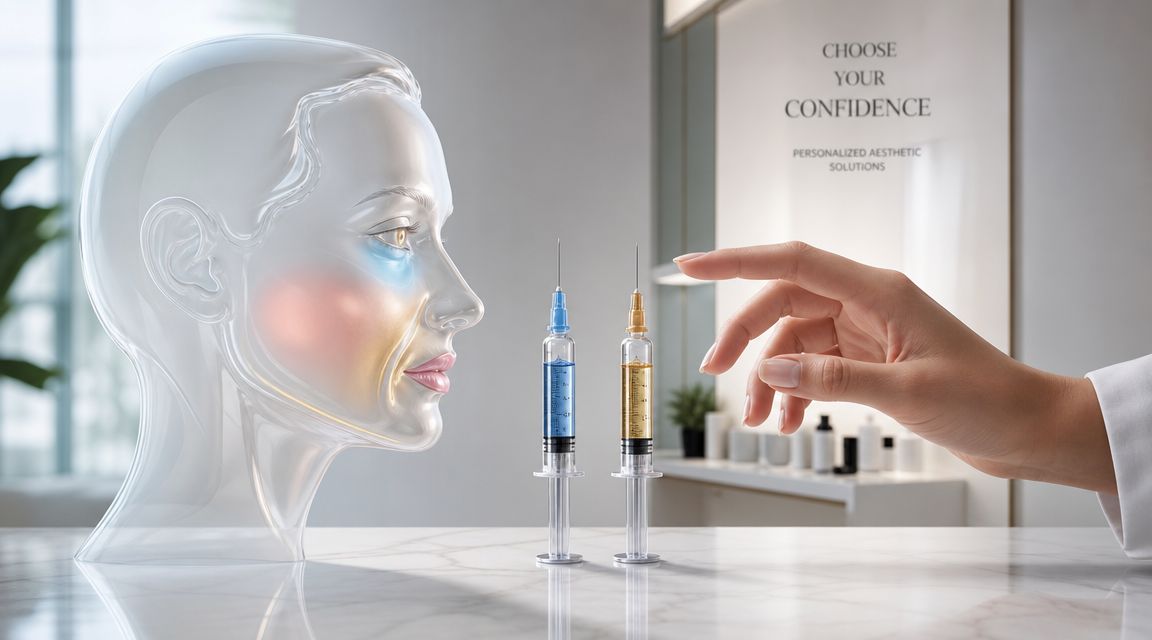
- Dynamic wrinkles on the forehead, between the brows, or around the eyes often respond better to Botox or Dysport than to creams alone.
- Volume loss through the cheeks, lips, or under-eyes may need filler rather than more hydration products.
- Stubborn pigmentation can require professional peels or device-based treatments.
- Acne scarring or texture changes often improve more meaningfully with microneedling or regenerative treatments.
- Hair thinning can become part of the conversation in this decade as well, and some clients do well with a plan that includes PRP and supportive products such as Nutrafol.
What a professional plan should do
A good clinical partnership should simplify decisions, not pressure you into procedures. You should leave knowing:
- What to keep at home
- What to stop using
- Which concern is structural
- Which treatment fits your skin, schedule, and tolerance
Professional care works best when it supports your routine, not when it tries to replace it.
That's usually the difference between chasing fixes and building a plan.
Your 30s Glow Plan A Holistic Approach
Radiant skin in this decade comes from alignment. Good products matter. Daily habits matter. Sleep, stress load, nutrition, hydration, and how consistently you protect your skin all show up on your face over time.
The strongest results usually come from a balanced approach. Use a few core products that fit your skin. Add higher-level actives only when your barrier is steady. Consider devices or in-clinic treatments when they solve a problem topicals can't. If hair changes are part of the bigger picture, it's reasonable to think about that as part of overall aesthetic care rather than as a separate issue.
Skin care in your 30s isn't about trying to look frozen in time. It's about helping your skin stay resilient, even-toned, comfortable, and healthy-looking for the years ahead. That's a very achievable goal when your home routine and professional guidance are working together.
If you're ready to build a routine that fits your skin now and still makes sense as your needs change, explore the curated skin care, wellness, and at-home treatment options at BotoxBarb.