Skin Care Wand Guide: Pro Results at Home
You're likely here because you've had one of two experiences. Either you invested in a professional treatment, loved the result, and want to keep your skin looking polished between visits. Or you've seen a skin care wand all over social media and want to know whether it's useful or just another tool that ends up in a drawer.
From a medical-aesthetic perspective, the answer is more nuanced than a simple yes or no. A well-chosen device can support better skin quality, help with consistency at home, and make your routine feel more intentional. But the wrong device, the wrong timing, or the wrong serum can irritate your skin fast, especially if you're also doing Botox, filler, retinoids, or acne treatments.
That's where clinical judgment matters. The best at-home tools aren't replacements for injectables, PRP, or in-office light treatments. They're maintenance devices. Used properly, they can help extend the polished, cared-for look that patients want without pretending to do everything.
The Rise of At-Home Aesthetic Technology
A familiar pattern shows up in practice. Someone gets Botox or filler, their skin looks refreshed, and then two weeks later they start asking how to maintain that glow at home without overcomplicating their routine. Creams help, sunscreen matters, and consistency is essential. But many patients want one more layer of support.
That's why the skin care wand category has moved well beyond niche beauty gadgets. The high-frequency facial wand market was valued at $1.8 billion in 2025 and is projected to reach $3.9 billion by 2034, with an 8.9% CAGR, according to Dataintelo's high-frequency facial wand market report. That kind of growth tells you something important. Consumers aren't just browsing. They're buying devices because they want professional-style maintenance at home.
Why patients are reaching for devices
Many users don't want a ten-step routine. They want a system that fits real life. A skin care wand appeals because it feels active. You're not just applying product and hoping for the best. You're using a tool designed to improve circulation, support product penetration, or address visible concerns like breakouts and texture.
For many, that makes skin care easier to stick with.
A good at-home routine also creates a bridge between office visits. Someone who's already invested in skin health usually wants to protect that investment. That's one reason interest in at-home facial treatments keeps growing among patients who are already savvy about aesthetics.
A device earns its place in your routine when it helps you stay consistent, not when it promises to replace clinical care.
What has changed
The bigger shift is psychological. Patients now expect home devices to be part of a modern aesthetic plan. They're no longer seen as novelty tools. They're part of a maintenance mindset.
That's a positive development, with one caveat. More access means more room for misuse. Some people layer devices with strong actives, use them too aggressively, or start too soon after procedures. The device itself may be fine. The protocol is what fails.
Decoding Skin Care Wand Technologies
Not every skin care wand works the same way. Grouping them together creates confusion, and that's how people end up buying a device that doesn't match their skin goals. The best way to think about these tools is by mechanism, not marketing.

Four technologies worth knowing
Red light therapy is the closest thing to a battery charger for tired skin cells. Verified product data for advanced red light wands identifies 630nm as a key wavelength used to penetrate the dermal layer and stimulate fibroblasts, with protocols built around short treatment windows by facial region, as described on the SolaWave red light therapy wand product page. In practical terms, this technology is used to support collagen-focused routines and overall skin quality.
Microcurrent acts more like a subtle workout for facial muscles and soft tissue. Verified data shows microcurrent devices commonly operate in the sub-sensory range of 10 to 600 microamperes, and that this technology has been shown to upregulate ATP synthesis by approximately 40%, according to the Skin Gym microcurrent wand product information. This is why microcurrent is often chosen for toning and a lifted look over time.
High-frequency is different again. It uses glass electrodes and rapid electrical pulses. These devices are often discussed for acne-prone skin, oilier skin types, and spot treatment support.
Galvanic current is less talked about by consumers but very useful conceptually. Its role is product-focused. It helps with movement of water-based formulas across the skin and is often best viewed as a serum-assist technology rather than a stand-alone anti-aging device.
For a broader primer on device-based light treatments, this guide on LED light therapy basics is helpful background.
What the evidence actually supports
The strongest consumer mistake is assuming all devices do all things. They don't.
Clinical discussion summarized by Medical News Today's review of high-frequency wands notes that research on radiofrequency wand use showed significant wrinkle reduction, red light at 630nm is used to stimulate collagen-producing fibroblasts, and microcurrent has been shown to upregulate ATP synthesis by up to 40%. That doesn't mean every device on the market performs equally. It means the underlying technologies have a rationale when used correctly.
| Skin Care Wand Technology Comparison | ||
|---|---|---|
| Technology | Primary Mechanism | Best For |
| Red Light Therapy | Light energy targeting fibroblast activity | Dullness, collagen-focused routines, overall skin quality |
| Microcurrent | Low-level electrical current supporting muscle tone and ATP activity | Mild lifting, toning, facial contour support |
| High-Frequency | Electrical pulses delivered through glass electrodes | Acne-prone skin, occasional breakouts, oilier areas |
| Galvanic Current | Enhances movement of topical formulas across skin | Serum absorption, hydration-focused routines |
Buy based on your main concern. If your priority is acne, choose differently than someone focused on tone or early laxity.
Your Step-by-Step Wand Ritual
A skin care wand works best when the ritual around it is simple and repeatable. Most irritation comes from rushing prep, using the wrong slip product, or treating the face like you're trying to force a result.

Before you start
Start with thoroughly cleansed skin. No makeup, no sunscreen residue, no heavy occlusive balm sitting on the surface. If you're using a microcurrent or a device that needs glide, apply a conductive gel or a water-based serum that gives the tool enough slip to move without dragging.
Keep the rest of the routine quiet. This is not the night for exfoliating acids, aggressive scrubs, or a stack of active products. Simpler is better.
During treatment
Technique matters more than pressure. Use slow, controlled passes. Move upward and outward rather than rubbing back and forth. Stay deliberate around the jawline, cheeks, forehead, and under-eye area if your device is designed for that zone.
A few practical rules help:
- Start low. The lowest comfortable setting is the right place to begin, especially if your skin is reactive.
- Keep contact consistent. Choppy, stop-start movement tends to create more irritation than benefit.
- Don't chase instant transformation. The goal is cumulative improvement, not one dramatic session.
Verified clinical guidance summarized by Medical News Today recommends beginning on freshly cleansed skin, using the lowest setting, and treating for 10 to 15 minutes every other day when using a high-frequency device. The same review notes that more visible changes in overall skin quality may take several months of consistent use, while improvement in acne can appear more quickly in some cases.
Practical rule: If your skin looks angry after every session, your protocol is wrong even if the device itself is well made.
Aftercare that actually helps
Once you finish, apply a calming, barrier-supportive product. Think hydration, peptides, or bland recovery formulas. If your skin feels tight, that's a sign to scale back intensity or frequency.
A useful post-treatment rhythm looks like this:
- Hydrate first. Reach for humectant-rich formulas that reduce that dry, overworked feeling.
- Support the barrier. Ceramides, calming creams, and gentle moisturizers usually pair better than strong resurfacing products.
- Protect the results. Use sunscreen daily. Device use without UV discipline is a losing strategy.
The best routine is the one you'll repeat. Better results come from moderate, steady use than from occasional overly aggressive sessions.
Boosting Your Wand with Medical-Grade Serums
A skin care wand is only half the equation. The topical product underneath it often determines whether you get a smoother, more hydrated result or end up with unnecessary irritation. This is one place where I see patients waste time. They buy a decent device, then pair it with a formula that pills, stings, or doesn't make sense for the technology.

What to pair with what
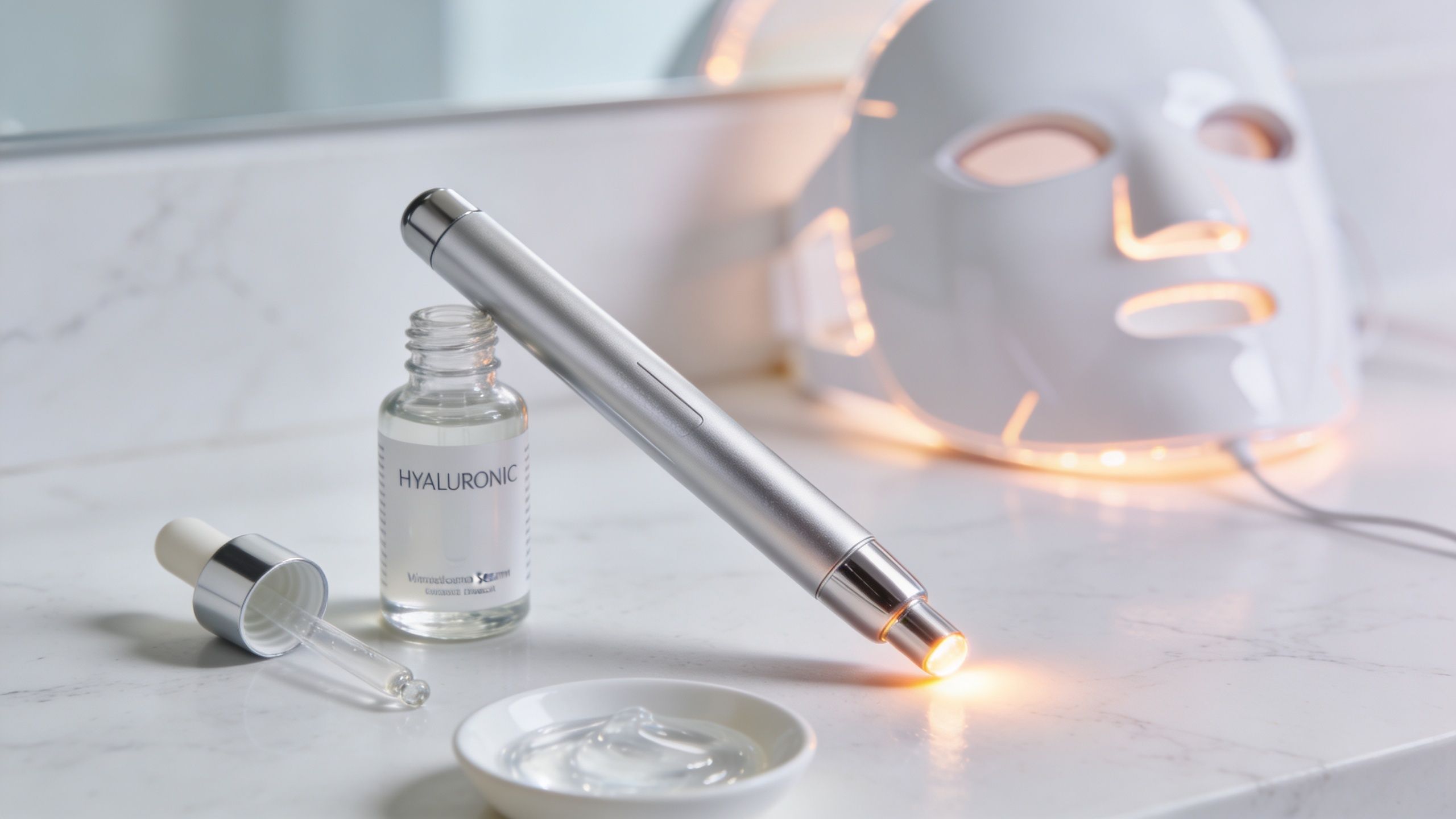
For microcurrent, conductivity matters. Water-based gels and hydrating serums usually perform better than oily products. If the tool drags, the treatment won't feel good and the contact won't be consistent. Hyaluronic acid style hydration products are often the easiest starting point.
For red light therapy, I prefer pairing with supportive formulas rather than highly active exfoliants. Peptides and barrier-supportive serums make more sense than trying to combine light treatment with a harsh acid night.
For high-frequency, keep the skin calm and clean. If you're breakout-prone, avoid layering thick occlusive products before use. After treatment, a simple calming serum is often the better move.
What usually doesn't work
Some combinations look impressive but aren't smart. Avoid using a device over strong retinoids, recently applied acids, or anything that already leaves your skin borderline irritated. A device can amplify a good protocol, but it can also amplify a bad one.
Here, serum layering becomes practical rather than trendy. If you want a better framework for deciding what goes first and what should never be combined casually, this guide on how to layer serums is worth bookmarking.
A quick pairing checklist helps:
- For dehydrated skin. Choose slip plus hydration. That usually means a conductive gel or water-based hydrating serum.
- For recovery nights. Use peptides or barrier-focused formulas rather than exfoliants.
- For reactive skin. Keep fragrance and unnecessary actives low.
The best serum for device use is often the least exciting-looking bottle in your routine. Calm, compatible formulas outperform aggressive ones.
A note on sensitized skin
Patients with easily irritated skin often ask whether they can soften the experience with more soothing support. That's reasonable, as long as you stay evidence-aware and don't use essential oils directly under a device without guidance. If you're looking for broader context on using aromatherapy for skin irritation, that resource offers a useful overview of how people think about plant-based soothing strategies. For device nights, though, I still favor straightforward, low-irritation skincare over experimentation.
Medical-grade brands tend to outperform trendy formulas here because they're usually built with consistency and compatibility in mind. The more device-focused your routine becomes, the more you'll appreciate products that don't fight the tool.
Wands, Wrinkle Relaxers, and Fillers
In this regard, patients need the clearest guidance. A skin care wand can support the look of your skin between injectables, but it cannot replace what injectables achieve.
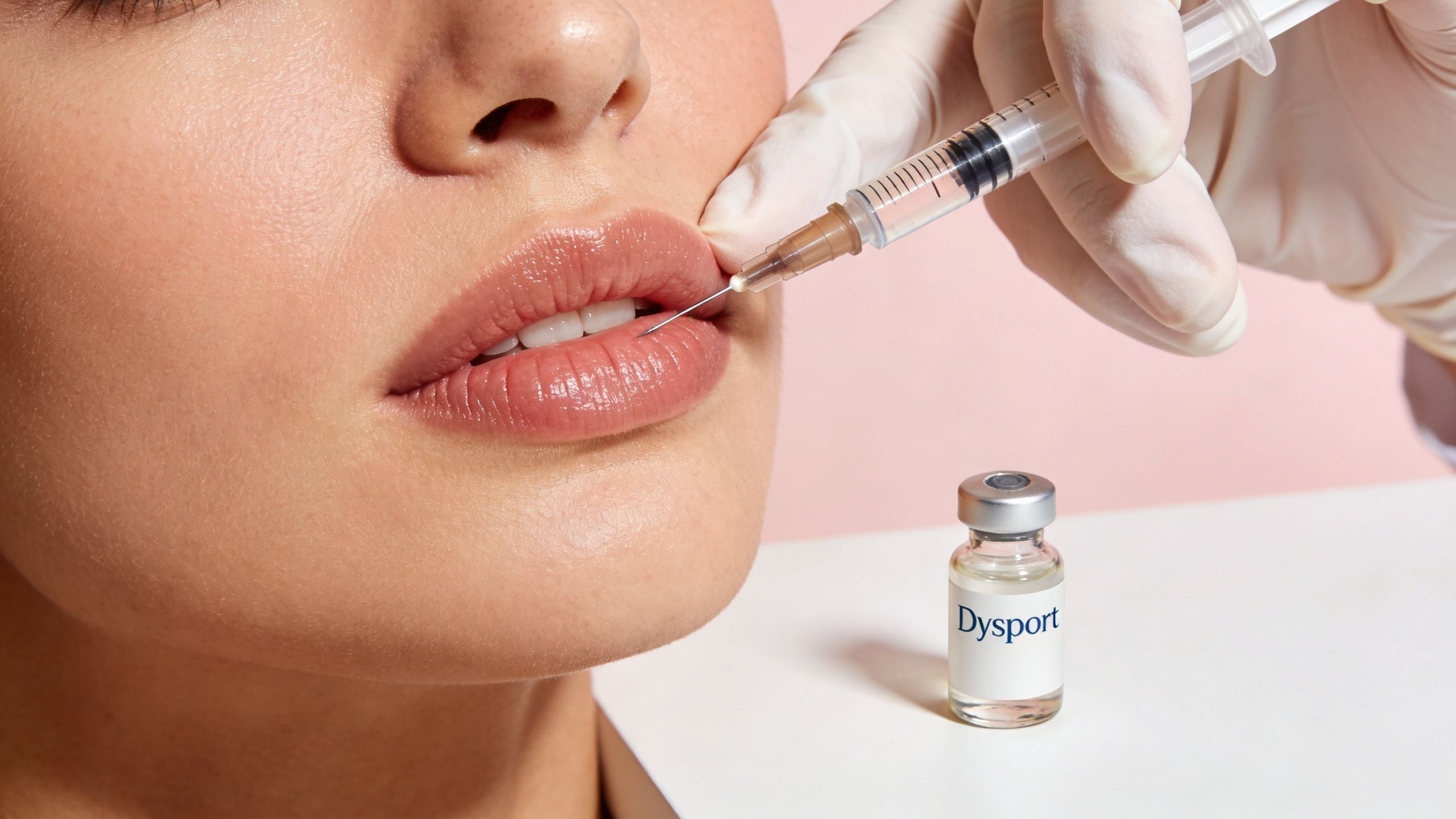
Botox and Dysport reduce muscle-driven expression lines. Filler restores or supports volume. A home device doesn't create targeted muscle relaxation and it doesn't replace volume loss. What it can do is improve the skin that sits over those treatments. Better texture, better glow, and steadier maintenance often make injectable results look more polished.
How to think about the role of each
The most useful framework is simple. In-office treatments reshape, relax, restore, or stimulate in ways home devices cannot. At-home tools maintain.
That distinction matters for expectations and for spending. Fortune's discussion of skin care tools and LED devices notes that there may be greater benefits with in-office treatments, and that an at-home wand in the $150 to $400 range can complement professional care by improving overall skin quality between appointments, but doesn't replace the targeted muscle relaxation or volume restoration of injectables.
Timing and caution after procedures
Here's the honest answer. Patients should not assume every device is appropriate immediately after Botox, filler, PRP, or other in-office treatments. The available source material points to a real content gap around treatment sequencing with injectables and concurrent professional services, rather than giving a universal protocol. That means caution is appropriate.
In practice, the safest approach is individualized guidance from the clinician who performed your treatment. Variables matter. Treatment area matters. The kind of device matters. A microcurrent session over a recently treated area is a different conversation than red light support later in the recovery process.
A few principles are sound:
- Don't improvise after injections. If you've had filler or wrinkle relaxers, ask before resuming device use.
- Respect tenderness and swelling. Recently treated tissue shouldn't be aggressively manipulated.
- Use devices for maintenance, not correction. They support skin quality. They don't fix placement, asymmetry, or volume loss.
If you're paying for injectables, protect the result with a coordinated home plan instead of stacking random tools on top of fresh treatment.
Choosing Your Device and Using It Safely
A good device should make your routine safer and easier, not more confusing. The challenge is that many buyers focus on sleek design and skip the screening questions that matter more.

Who should be cautious
Safety isn't optional with electrical or light-based devices. Verified guidance summarized in Harper's Bazaar's review of high-frequency wands notes that high-frequency wands emit a small amount of UV light and should be avoided by people with melasma or rosacea. The same source also notes that users should pause retinoid use for at least five days before treatment to reduce irritation risk.
Separate clinical guidance summarized by Medical News Today identifies additional contraindications for high-frequency wands, including pregnancy and pacemakers, and notes that no serious adverse reactions were observed in reviewed studies aside from transient redness and swelling.
That leads to a practical screen:
- If you have melasma or rosacea. High-frequency is usually not the device category to experiment with casually.
- If you're pregnant or have a pacemaker. Avoid high-frequency use unless your clinician specifically advises otherwise.
- If your barrier is compromised. Recent peels, active irritation, or inflamed skin call for restraint.
What to look for in a device
Choose based on your concern, not hype. Good signs include clear instructions, realistic treatment claims, and a protocol you can follow. If a brand can't explain how the device should be used with skin type, frequency, and aftercare, that's a warning sign.
Comfort matters too. If a device is awkward, heavy, or irritating to wear, you won't use it consistently.
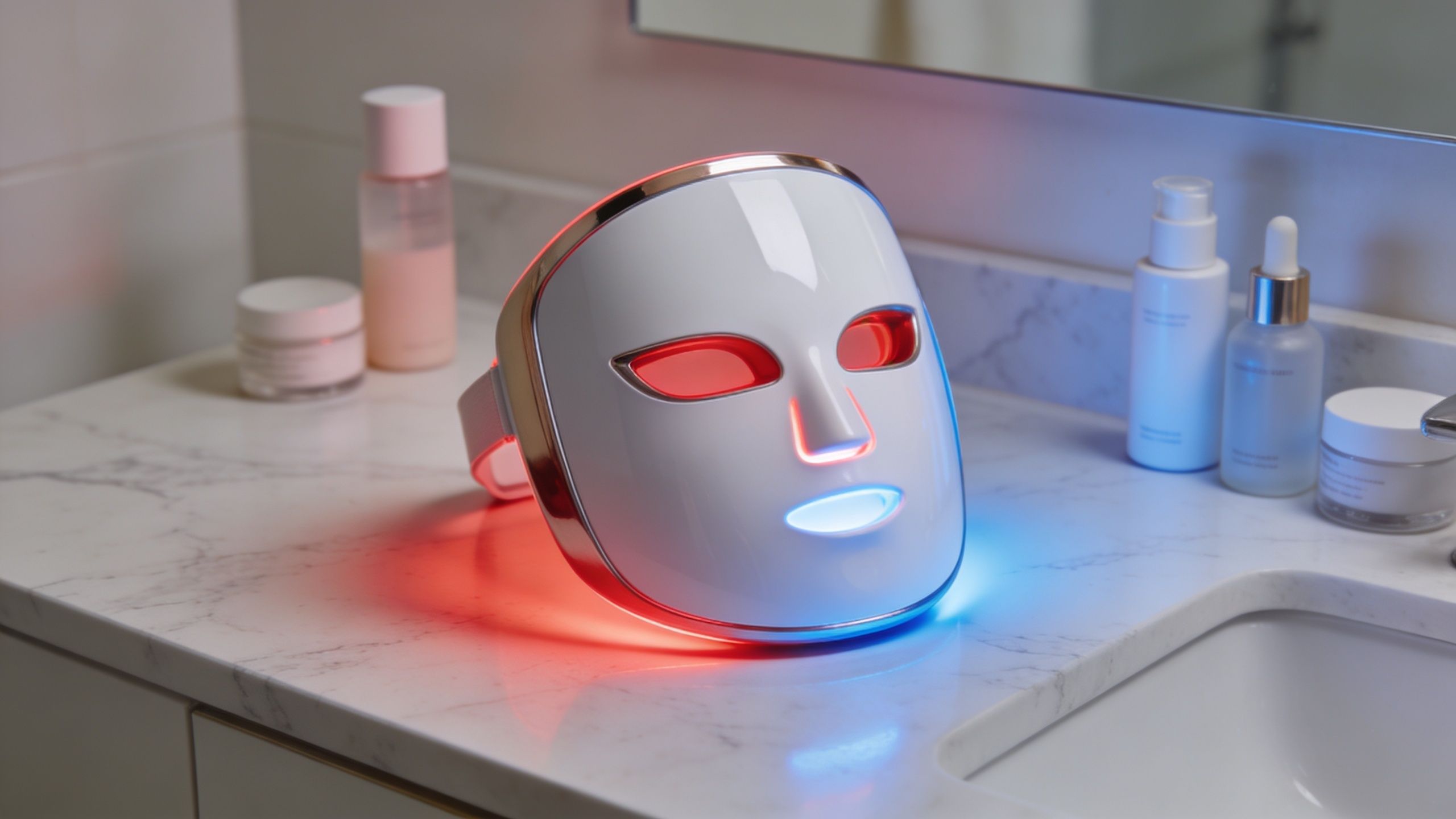
For patients who want a lower-effort option or a complement to a wand, the Barb N.P. LED Facial Mask is a practical category to consider. The appeal is usability. It's wireless, designed for comfortable wear on the face, and offers 3 lighting settings for different treatment goals, including red for anti-aging-focused routines, blue for acne-focused care, and amber for healing support. For many patients, an LED mask is easier to use consistently than a hand-held tool that requires constant motion and technique.
The safest mindset
Don't buy the strongest device you can find. Buy the device you can use correctly.
That usually means reading contraindications first, patch-testing your routine around it, and treating any worsening redness, burning, or persistent sensitivity as a stop sign rather than something to push through.
The Future of Your Skincare Routine
The smartest way to use a skin care wand is to stop thinking of it as a shortcut. It's a support tool. In the right routine, it can help maintain skin quality, reinforce consistency, and make your home care feel more connected to the results you want from professional treatment.
That's the value. Not hype. Not a promise that one device will erase every concern. Better skin usually comes from layered decisions. Daily protection. Thoughtful serum use. Strategic in-office treatments. Then an at-home tool that fits your actual goals and your skin's tolerance.
What a modern routine looks like
Patients get the best outcomes when they match the tool to the concern and keep expectations realistic. A wand may help with maintenance, glow, and tone support. An LED mask may be easier for someone who wants a comfortable, hands-free treatment option. Injectables and in-office procedures still have their own lane.
If you also enjoy a broader lifestyle approach to skin health, this piece on how to achieve radiant skin naturally is a useful complement to the medical-aesthetic side of the conversation.
The future of skin care isn't choosing between home care and professional care. It's learning how to use both well.
If you want help building a routine that pairs at-home technology with medical-grade skincare and professional aesthetic treatments, explore BotoxBarb for curated products, expert guidance, and tools that support long-term skin health without the guesswork.