Best Skincare for Sensitive Skin: Your Complete Guide
Reactive skin has a way of making ordinary routines feel risky. You wash your face, and it feels tight. You try a serum that everyone else loves, and your cheeks start stinging. You switch products again, simplify everything, then still end up wondering why your skin seems angry over things that are supposed to help.
That cycle is frustrating, and it often makes people blame themselves. They think they picked the wrong cleanser, used the wrong sunscreen, or somehow “caused” their skin to become difficult. In practice, sensitive skin is rarely that simple. It’s usually a barrier issue, a trigger issue, or both.
I approach this as Barb N.P., and I don’t think the best skincare for sensitive skin starts with buying the trendiest cream. It starts with understanding what your skin is reacting to, then building a routine that supports repair instead of constantly asking your skin to tolerate more.
The Daily Struggle with Reactive Skin Is Real
Sensitive skin isn’t niche. It’s common, disruptive, and often underestimated.
Nearly 47.9% of European adults report at least one skin condition, with sensitive skin standing out as a major concern. The same data notes that 60% of women and 40% of men in Europe experience skin hypersensitivity, and 47% of consumers choose cosmetics specifically because of sensitive skin concerns, according to research summarized here.
Why that matters in real life
If your face flushes after cleansing, if a “gentle” cream still burns, or if weather shifts change your whole complexion, you’re not overreacting. Your skin is signaling that its protective systems are under stress.
That changes how I think about product recommendations. For sensitive skin, the goal isn’t an exciting shelf full of actives. The goal is predictability.
A lot of people come in wanting one hero product. What they usually need is a calmer system:
- Fewer moving parts so you can tell what’s helping and what’s hurting
- Barrier-focused formulas that support hydration and comfort
- Real trigger awareness instead of guessing
- A plan for flare days when even a normal routine feels like too much
What usually doesn’t work
Most reactive skin gets worse with the same habits:
- Product hopping when you switch too fast to judge tolerance
- Over-cleansing because skin feels oily and dry at the same time
- Too many “treatment” products layered without a barrier strategy
- Ignoring environmental stress like heat, wind, pollution, and poor sleep
Sensitive skin often improves when the routine gets simpler, not smarter.
That’s why I prefer a clinical-grade approach. Medical products, thoughtful ingredient selection, and targeted support make more sense than following internet trends. Sometimes that means a ceramide moisturizer. Sometimes it means a cleanser swap. Sometimes it means looking deeper at allergies, rosacea patterns, or post-procedure care.
The common thread is this. Sensitive skin needs less punishment and more structure.
Decoding What It Really Means to Have Sensitive Skin
Sensitive skin gets described in vague ways, but the biology is fairly practical. In most cases, the issue comes back to a compromised skin barrier.

Think of your barrier like a roof
Healthy skin works like a roof that keeps water in and irritants out. When that roof is intact, your skin holds moisture better and reacts less. When it’s damaged, water escapes more easily, and everyday exposures get inside faster.
That’s why sensitive skin often feels contradictory. It can be dry and shiny. Tight and acne-prone. Red but flaky. The barrier isn’t regulating the surface the way it should.
You’ll hear this described as transepidermal water loss, or TEWL. You don’t need to memorize the term. What matters is what it looks like in practice:
- Skin feels tight after washing
- Products sting that didn’t used to sting
- Redness appears quickly
- Texture gets rougher or more uneven
- Tolerance drops across your whole routine
Sensitive skin isn’t always the same as allergy or rosacea
People often use one label for several different problems. That can slow down improvement.
Here’s the practical distinction:
| Condition | Typical pattern |
|---|---|
| Sensitive skin | Stinging, burning, tightness, redness, or dryness triggered by products, weather, or overuse of actives |
| Allergic reaction | More specific reaction pattern that may involve itching, rash, swelling, or repeated flares with the same ingredient |
| Rosacea or eczema | Ongoing inflammatory conditions that need a more tailored management plan |
If your skin reacts to almost everything, that doesn’t automatically mean you’re allergic to everything. It may mean your barrier is impaired and your threshold is low.
Why many “gentle” routines still fail
A label saying “for sensitive skin” doesn’t guarantee your skin will like it. Formulas can still contain fragrant components, too many actives, or textures that trap heat and worsen flushing.
I also see people use products that are individually fine but collectively too much. A mild cleanser, an exfoliating toner, a vitamin C serum, a retinoid, and an acne treatment can become an irritant stack.
Your skin doesn’t judge products one at a time. It experiences the whole routine.
If you want a broader perspective on minimalist, comfort-first routines, Your Guide to Japanese Skincare for Sensitive Skin is a useful read because it reflects that “less, but better” philosophy.
The best skincare for sensitive skin starts once you stop asking, “What’s the strongest product I can tolerate?” and start asking, “What helps my skin stay calm all week?”
Uncovering Your Personal Skin Triggers
Most sensitive skin doesn’t flare randomly. There’s usually a pattern. The problem is that the pattern is easy to miss when reactions are delayed, stacked, or confused with breakouts.
A 2025 Galderma study found biological evidence that urban stressors such as pollution and stress aggravate sensitive skin more intensely than resilient skin, and separate cleanser research showed 96% of rosacea patients improved or remained stable after switching to a gentle, non-foaming cleanser, as summarized by Aveeno’s state of skin sensitivity page.
The three trigger buckets I look for
Environmental triggers
These are common and easy to underestimate.
- Weather shifts can turn a manageable routine into a stinging one
- Heat and sun exposure often worsen redness
- Wind and dry indoor air can leave skin raw by evening
- Pollution exposure can push already reactive skin into flare mode
If your skin is calmer on weekends or worse after commuting, don’t ignore that clue.
Product triggers
This category causes a lot of confusion because the product isn’t always “bad.” It may be wrong for your skin in its current state.
Watch for reactions after:
- Foaming cleansers
- Strong exfoliants
- Fragrance-heavy moisturizers
- Too many new products introduced together
- Layering actives morning and night
A cleanser matters more than people think. If washing leaves your face squeaky, that isn’t a sign of purity. It’s often a sign you took too much from the barrier.
Lifestyle triggers
These aren’t glamorous, but they matter.
Stress, poor sleep, inconsistent routines, hot showers, and aggressive rubbing with towels all change how skin behaves. Sensitive skin often has less room for “just this once” habits.
Use a simple skin diary
I’m a big fan of short, boring notes. They’re often more useful than buying another serum.
Track these five things for two to three weeks:
- Products used morning and night
- Skin response such as burning, itching, flushing, dryness, or breakouts
- Environment including sun, wind, travel, gym, or long indoor heat exposure
- Lifestyle notes like stress, sleep quality, and menstrual cycle if relevant
- Timing because some reactions are immediate and others show up the next day
If you can’t identify a trigger, don’t add more products. Start recording patterns.
What to do with the information
You’re looking for repeat offenders, not perfection.
If your skin stings after every exfoliating toner, that’s useful. If redness spikes on days with poor sleep and heavy product layering, that’s useful too. Once you know your patterns, the best skincare for sensitive skin becomes much easier to build because you stop treating your skin like a mystery.
The Ingredient Blacklist and Wishlist
When skin is reactive, ingredient choice matters more than marketing language. I’d rather see a plain, well-formulated product than a trendy formula filled with “natural” extras your skin didn’t ask for.
Clinical data supports the barrier-first approach. Ceramides make up 50% of the skin’s intercellular matrix, barrier impairment can raise TEWL by 2 to 3 times, and formulations with ceramides and niacinamide have reduced sensitivity symptoms by 40% in 28-day trials on reactive skin types, according to this derm-approved sensitive skin review.

The blacklist
These are the ingredients or categories I commonly pause first when someone’s skin is flaring.
-
Fragrance
It’s one of the first things I remove from a reactive routine. Even when a scent seems light or pleasant, it can be a problem for compromised skin. -
Drying alcohols
Some alcohols can make products feel elegant and fast-drying, but sensitive skin often pays for that finish later with tightness and burning. -
Harsh sulfates
If your cleanser foams aggressively and leaves your skin feeling stripped, I start there. -
Essential oils
“Natural” doesn’t mean low-risk. A lot of reactive skin does poorly with fragrant plant oils. -
Physical scrubs
Sensitive skin usually doesn’t need grit. It needs less friction.
For a deeper breakdown of common irritants, this guide on skincare ingredients to avoid is a useful companion.
The wishlist
When I build routines for reactive skin, these are the ingredients I reach for most often.
| Sensitive Skin Ingredient Guide Seek vs. Avoid | |
|---|---|
| Ingredients to Seek (The Wishlist) | Ingredients to Avoid (The Blacklist) |
| Ceramides | Fragrance |
| Hyaluronic acid | Drying alcohols |
| Niacinamide | Harsh sulfates |
| Squalane | Essential oils |
| Allantoin | Physical exfoliants |
Ceramides
These are foundational for barrier repair. When skin is dry, stingy, and unreliable, ceramides often belong in the routine before stronger treatment products do.
Hyaluronic acid
This helps with hydration, especially when used under or within a good moisturizer. It’s useful, but it’s not enough by itself if the barrier is badly compromised.
Niacinamide
Niacinamide can be excellent for redness-prone skin. That said, trade-offs matter. Some people tolerate it well. Others react when the formula is too strong or when it’s paired with too many actives.
Squalane
I like squalane for sensitive skin because it adds slip and comfort without feeling heavy on everyone. It’s especially helpful when skin feels dry but doesn’t tolerate rich occlusive textures.
Allantoin and similar soothing agents
These aren’t flashy. They’re helpful. Calming support ingredients often make a routine more tolerable over time.
Product examples that usually make sense
I often favor SkinCeuticals and Epicutis categories for sensitive skin when the formulas fit the person in front of me. A calming serum, a barrier-support moisturizer, and a clean sunscreen texture usually get farther than a crowded routine of “problem solvers.”
What doesn’t work as well is chasing every concern at once. Redness, texture, dryness, and breakouts may all be present, but sensitive skin improves faster when you fix the barrier first.
Building Your Daily Medical-Grade Routine
A good routine for reactive skin should feel boring in the best way. It should be repeatable, easy to tolerate, and strong enough to support your skin without overwhelming it.

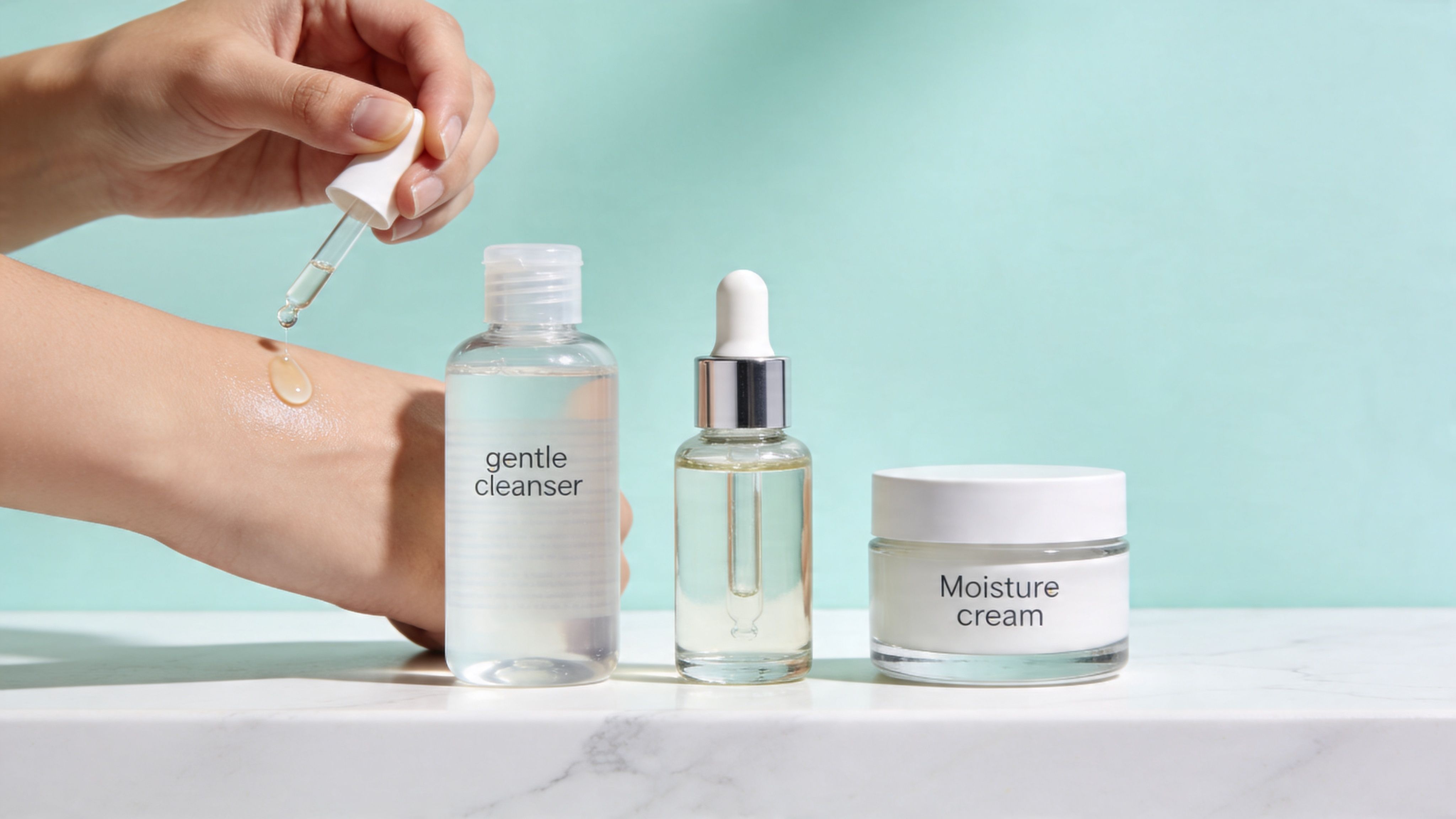
Step one with cleansing
Start with a gentle, non-foaming or low-foam cleanser. Many sensitive skin routines fail at this stage, before they begin.
What I want from a cleanser:
- It removes sunscreen and residue without leaving skin tight
- It doesn’t sting around the nose or cheeks
- It rinses clean without that squeaky feeling
If your skin is very reactive, a morning cleanse may be as simple as lukewarm water or a very mild cleanse, followed by treatment and moisture.
Step two with treatment
For sensitive skin, restraint matters. Sensitive skin doesn’t need a cabinet full of actives.
The treatment step should usually be one of these:
- A calming serum with barrier-supportive ingredients
- A hydrating serum if dehydration is a big issue
- A targeted product only if your skin is already stable enough to handle it
I’m careful with retinoids, exfoliating acids, and strong vitamin C in people with frequent flushing, burning, or recent barrier damage. Those products aren’t forbidden forever. They often need better timing and slower introduction.
Start with the product your skin needs most, not the one with the most promises on the label.
Step three with hydration
Your moisturizer does more than soften the surface. For sensitive skin, it acts like a daily support layer.
I look for:
- Ceramides
- Humectants like hyaluronic acid
- Barrier-friendly emollients
- A fragrance-free formula
A rich cream isn’t automatically better. Some reactive skin prefers lighter but steady hydration, especially if there’s heat sensitivity or acne overlap. Other patients do better with a more substantial cream at night and a lighter lotion in the morning.
Medical-grade options from lines such as Epicutis or SkinCeuticals can fit here when the formula matches the skin’s current tolerance level.
Step four with protection
If you skip sunscreen because every SPF irritates you, you’re not alone. But unprotected sun exposure often keeps sensitive skin trapped in a cycle of redness and inflammation.
For most reactive skin, I lean toward:
- Mineral sunscreens
- Simple formulas
- Textures you’ll wear every day
The best sunscreen for sensitive skin is the one you can use consistently without dreading it. If a formula pills, burns, or leaves you avoiding reapplication, it’s the wrong pick for you even if the ingredient list looks perfect.
A sample rhythm that works
Morning:
- Gentle cleanse or rinse
- Calming or hydrating serum
- Barrier-support moisturizer
- Mineral sunscreen
Night:
- Gentle cleanse
- Treatment only if tolerated
- Barrier moisturizer
That’s enough for many people. The best skincare for sensitive skin usually looks more disciplined than dramatic.
Integrating Advanced At-Home Technology and Techniques
Topical skincare does a lot, but application habits matter just as much. Sensitive skin improves faster when you introduce products carefully and use devices that support calm rather than add irritation.

Patch testing the right way
Individuals often patch test too casually. They try a product once, don’t react in an hour, and assume it’s safe. Sensitive skin often reacts later.
Use a more careful process:
- Choose a small area such as along the jawline or behind the ear
- Apply a small amount of the new product
- Repeat for several days instead of judging after one use
- Watch for subtle signs like warmth, rough texture, small bumps, or delayed itching
- Add only one new product at a time
If a product fails the patch test, stop there. Don’t try to “push through” because it was expensive.
Devices need the same logic as skincare
At-home tools can help, but only when they match the skin’s condition. I’m cautious with anything abrasive, scraping, or overly stimulating when a barrier is already fragile.
For sensitive skin, I prefer techniques that support calm:
- Cool, gentle application
- Clean hands and clean tools
- No aggressive rubbing
- No stacking devices with strong actives on the same night
LED can be useful for reactive skin
LED light therapy is one at-home option I do discuss with sensitive patients, especially when the goal is calming visible redness or supporting recovery after skin stress. If you want the broader clinical context, this article on LED light therapy for skin is worth reading.
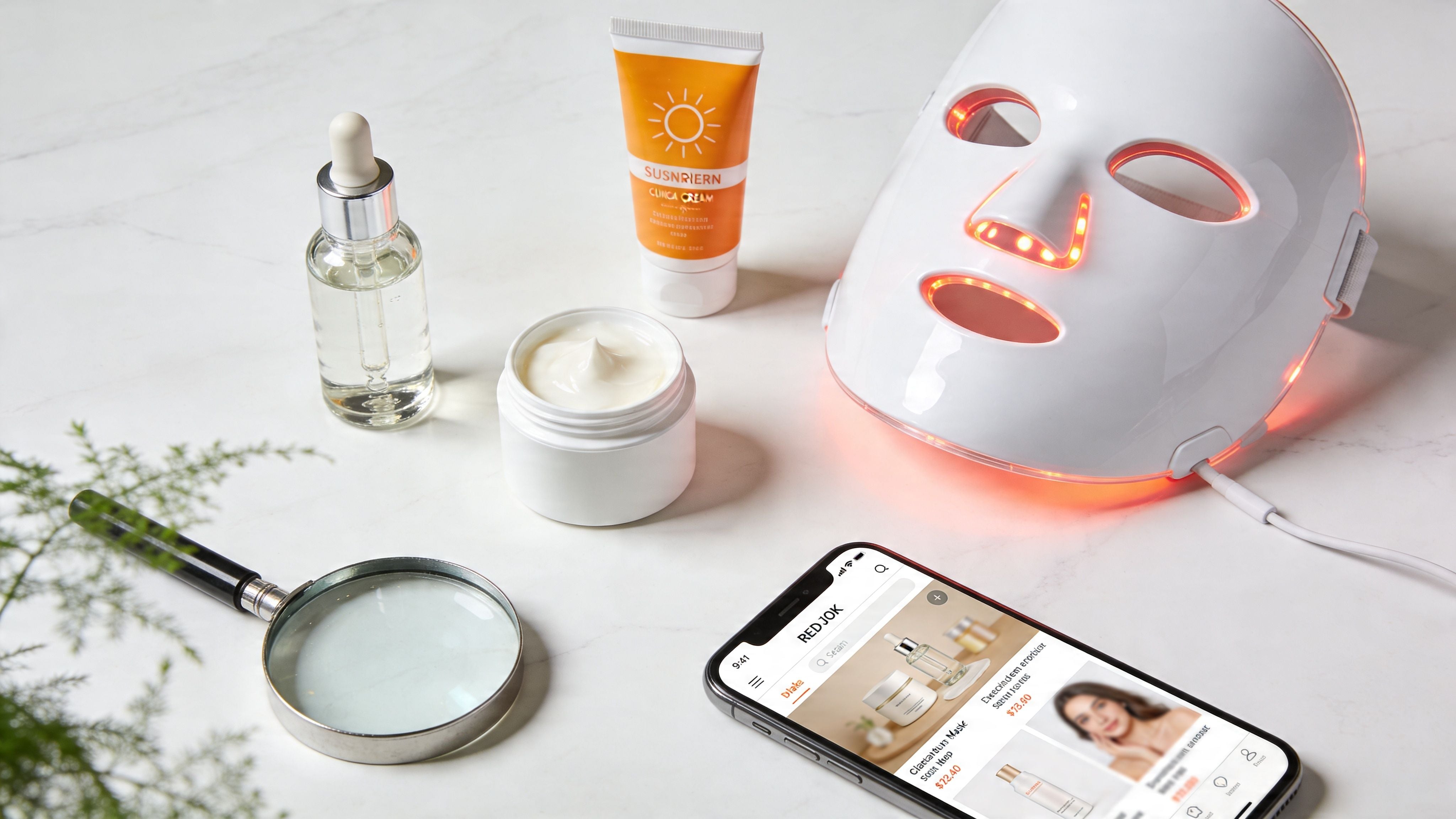
The one device from the publisher that fits naturally here is the BARB N.P. Facial Mask. It’s a wireless LED mask designed for at-home use, with a shape that’s made for comfortable wear on the face and 3 lighting settings for different treatment goals. In practical terms, that means:
- Red light can be used when inflammation and recovery are the priority
- Blue light can be useful when breakouts are part of the picture
- Amber light is a reasonable option when visible redness is the issue
I like LED most when people use it consistently and keep the rest of the routine simple. It shouldn’t replace a barrier-support moisturizer or a well-chosen cleanser. It works better as part of a system.
Use technology to reduce friction in your routine, not to create more stimulation your skin has to survive.
What not to do at home
This matters as much as the helpful steps.
- Don’t combine exfoliation and device use on the same reactive day
- Don’t use a hot washcloth to “open pores”
- Don’t scrub flaky skin off
- Don’t test three new products because one didn’t work
Sensitive skin responds to consistency. When you make it work too hard, it tells you.
When to Partner with a Professional for Your Skin
Some sensitive skin settles down with a better cleanser, a smarter moisturizer, and time. Some doesn’t. That’s usually when I tell people to stop guessing and get help.
Signs you need a clinical evaluation
Consider professional guidance if:
- Your skin burns or stings with most products
- Redness keeps returning despite a simple routine
- You suspect rosacea, eczema, or allergy overlap
- Breakouts and sensitivity are happening together
- You’re planning injectables or other treatments and worry about irritation
If facial redness is persistent or rosacea is part of the picture, a focused overview like this guide to rosacea treatment can help you understand the range of medical and supportive options.
The allergy piece gets missed too often
A 2025 Allergy Journal study found that 28% of sensitive skin cases were linked to undiagnosed food sensitivities, based on the data summarized in this Veriphy article on sensitive skin care.
That doesn’t mean every person with sensitive skin needs a restrictive diet. It does mean some people keep buying “gentle” products when the bigger trigger is elsewhere. If reactions feel inconsistent, widespread, or linked to patterns beyond products alone, diagnostic testing can be useful.
This is one reason I take food and environmental allergy questions seriously. Skin can reflect more than a surface problem.
Sensitive skin and aesthetic treatments
Reactive skin doesn’t rule out treatments like Botox, Dysport, PRP, or LED support. It does mean pre-care and post-care matter more.
The same Veriphy summary notes that a meta-analysis in the Aesthetic Surgery Journal found LED light therapy post-injectables can cut recovery irritation by 40%. For sensitive patients, that matters. The wrong routine after treatment can create unnecessary redness, dryness, and discomfort.
What works better is a coordinated plan:
- Barrier-support before treatment
- A stripped-down recovery routine after treatment
- No impulsive use of strong acids or retinoids right after
- Professional guidance if your skin is already reactive before the appointment
That’s the difference between treating your skin as a cosmetic afterthought and treating it like living tissue with real thresholds.
Your Path to Building Long-Term Skin Resilience
The best skincare for sensitive skin isn’t about finding one perfect bottle. It’s about building a skin environment that stays calmer more often.
That usually means understanding your barrier, identifying your triggers, choosing ingredients with intention, and using a routine you can maintain. It may also mean knowing when at-home care isn’t enough and getting professional support for allergy questions, rosacea patterns, or post-procedure planning.
Long-term resilience is possible, but it doesn’t come from doing more. It comes from doing the right things consistently.
A lot of reactive skin improves when people stop chasing intensity and start supporting function. Cleanser matters. Moisturizer matters. Sunscreen matters. Timing matters. Patience matters too.
If your skin has been unpredictable for a long time, keep the goal simple. Less stinging. Less redness. Better tolerance. More stable weeks. That’s real progress.
For more guidance on repair-first routines, this article on how to strengthen skin barrier is a strong next step.
If you want a personalized plan, explore the curated products and consultation options at BotoxBarb. A targeted routine, the right medical-grade products, and thoughtful guidance can make sensitive skin much easier to live with.