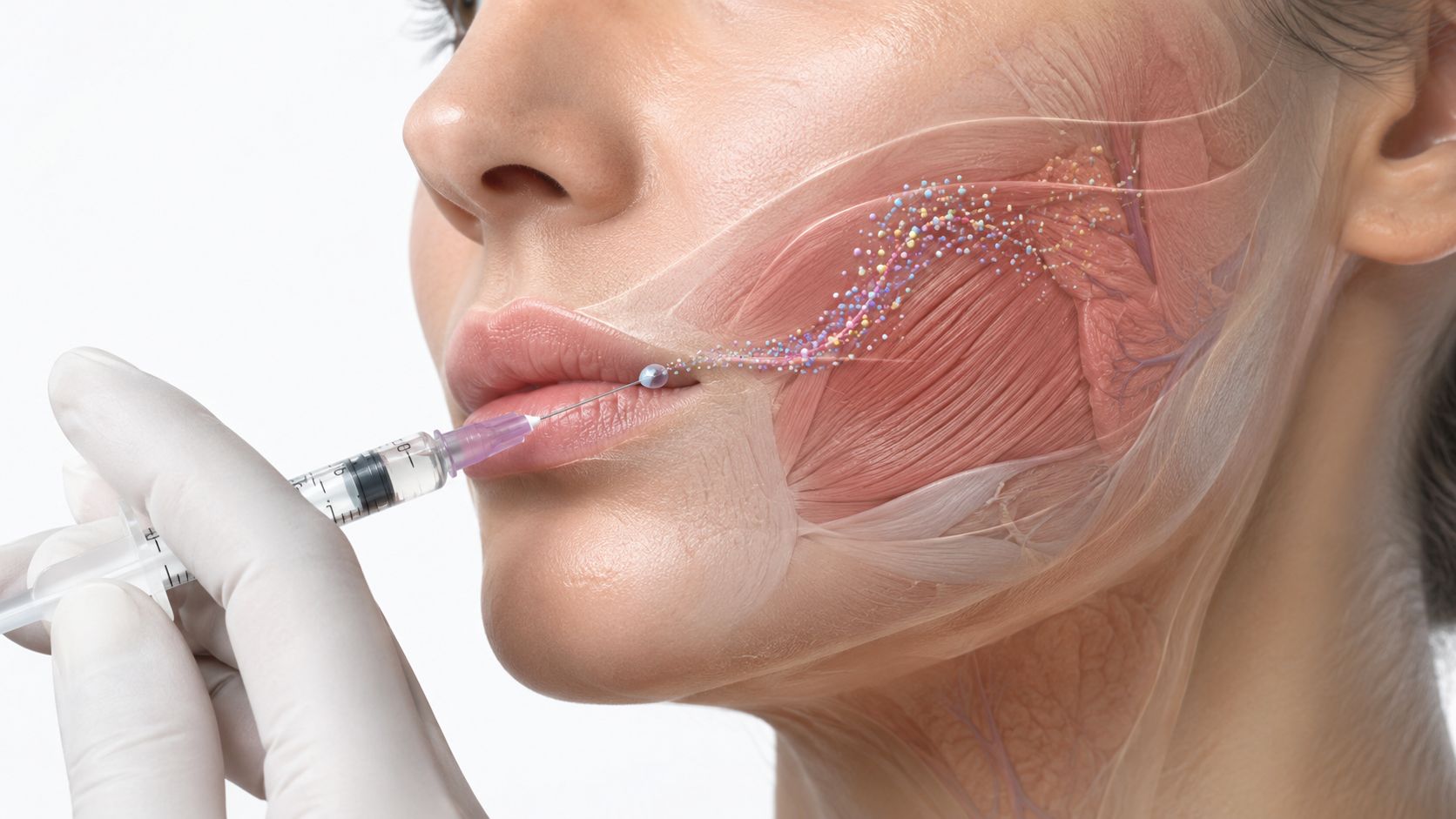
Dermal Filler Aftercare: A Pro's Step-by-Step Guide
You've just had filler. You look in the mirror and see the shape starting to come through, but you also notice puffiness, a little tenderness, maybe a bruise beginning to show. That mix of excitement and second-guessing is completely normal.
This is the point where good results are protected, not guessed at. Dermal filler aftercare isn't about following a random internet checklist. It's about giving the product time to settle, giving the tissue time to calm down, and knowing the difference between normal healing and something that needs attention.
I tell patients this every day. Your appointment isn't the whole treatment. The next several days matter. The next few weeks matter too. Filler has to integrate into the tissue, and your habits during that window can either support a smooth result or work against it.
If you're someone who researched options like facial fillers in Florida before booking, you already know how many versions of “aftercare advice” are floating around online. Some of it is helpful. Some of it is vague. What patients usually need most is a clear plan they can follow once they get home.
Your Post-Filler Journey Begins Now
The first evening after filler is usually when questions start. Can I wash my face? Should I sleep sitting up? Is this swelling normal? Can I work out tomorrow? Those are the right questions to ask, because small decisions in the first few days can affect comfort and symmetry.
I approach dermal filler aftercare as a partnership. I place the product carefully, but your job is to protect that placement while inflammation settles. That means being gentle, staying observant, and resisting the urge to “fix” things with touching, pressing, or overanalyzing every tiny change in the mirror.
The best early results often come from patients who leave the area alone and let the tissue recover quietly.
There's also an emotional side to recovery that doesn't get talked about enough. Swelling can make a feature look fuller than expected at first. A bruise can distract you from the shape. Mild unevenness early on can be swelling, not a final result. That doesn't mean something went wrong. It means you're still in the healing window.
What I want patients to remember
- Your result is not final on day one. Early fullness and irregularity can reflect normal post-injection response.
- Hands off is usually the right move. Unnecessary pressure creates more problems than it solves.
- Comfort matters, but technique matters more. Cold compresses, rest, and smart positioning help more than aggressive home remedies.
- You should never feel alone after treatment. A good injector gives you a clear “when to relax and when to call” framework.
That mindset keeps people calmer and safer. Instead of reacting to every little change, you follow a plan, protect the area, and let the filler settle the way it's supposed to.
Immediate Aftercare The First 48 Hours
You get home, catch your reflection, and the first instinct is to inspect every angle. I want you to resist that urge. The first 48 hours are the part of recovery where simple choices make the biggest difference, especially avoiding pressure, heat, and unnecessary touching while the tissue settles.

When you get home
Keep the area clean. Keep your hands off it. Do not rub, massage, press, or keep checking it with your fingertips.
If swelling starts to build, use a cold compress wrapped in a clean cloth. Gentle cooling can help with comfort and swelling during the first day, and direct ice should not touch the skin because it can irritate the area and add too much pressure, as outlined in this gentle cold compress guidance for filler aftercare.
For discomfort, acetaminophen is usually the safest first choice unless I have told you otherwise. Ibuprofen and aspirin can worsen bruising, which is why many aftercare protocols advise avoiding them right after treatment, including this dermal filler recovery guide.
Your first-day checklist
This is the plan I give my own patients:
- Cool the area gently. Use a wrapped cold compress for short sessions, then give the skin a break.
- Protect the placement. Do not massage unless I specifically told you to.
- Sleep on your back. Keep your head slightly raised for the first few nights if you can.
- Skip workouts, saunas, steam rooms, and hot showers. Heat and exertion can increase swelling.
- Drink water consistently. Hyaluronic acid fillers attract water, and good hydration supports a smoother settling period.
- Avoid alcohol for the first day. It can add to flushing, swelling, and bruising.
Patients do best when they have something simple to follow. If you want one place to review the basics before you reach for a product or book a workout, keep this post-procedure skin care guide handy.
A practical note from clinic experience. More aftercare is not better after filler. Aggressive icing, facial massage tools, hard workouts to “sweat it out,” and strong topical actives create more irritation, not better results.
The first night matters more than patients expect
Sleep position causes a lot of preventable swelling. A patient can feel fine at bedtime, roll onto one side for hours, and wake up puffier or more tender on that side, especially after cheek, jawline, or lip filler.
Use extra pillows if that helps. A travel pillow can keep side sleepers centered. Put on a clean pillowcase before bed. Keep heavy blankets and pets away from your face for the night.
If you have my Barb N.P. LED Mask at home, wait until I have cleared you to use it for this treatment area. LED can be a helpful part of recovery planning in the right window, but I do not want patients putting devices on freshly treated tissue just because they feel proactive.
What is normal, and what is not
Mild swelling, tenderness, small bruises, and a feeling of firmness can all be normal in this window. Temporary unevenness can also happen because one side often swells more than the other early on.
Pain that is getting worse instead of better is different. So is skin that turns pale, dusky, gray, or blotchy, or an area that feels unusually cold and looks unwell. If that happens, call us right away. I would always rather hear from you early and reassure you, or bring you in, than have you wait and hope it passes.
Navigating Your First Week of Recovery
By the time you're past the initial 48 hours, the goal changes. You're no longer just trying to reduce immediate swelling. Now you're helping the filler integrate without irritating the skin or disturbing the tissue.

What usually feels normal
Most patients still notice some tenderness, residual puffiness, or a bruise that looks worse before it looks better. That can be frustrating, especially if you expected to look fully polished right away. During the first week, mild asymmetry or swelling can still be part of normal healing.
What matters is the trend. Day by day, the area should feel calmer, not more inflamed. You should see softening, not escalating tension.
A few gentle habits help:
- Keep cleansing mild. Use a non-abrasive cleanser and lukewarm water.
- Pat products on. Don't scrub or drag the skin.
- Let bruises fade naturally. Camouflage is fine once the skin is calm enough for makeup.
- Stay consistent, not aggressive. This isn't the week for trying new active products.
Makeup and skincare re-entry
When patients ask me about makeup, my answer is always technique first. If the skin surface is intact and your clinician has cleared you, use a clean brush or sponge and apply lightly. Pressing hard to cover bruising defeats the point.
This is also not the time for exfoliating acids, retinoids, rough cleansing brushes, or anything that makes the face red on a good day. Your skin barrier should stay quiet. “Gentle” means bland, low-friction, and predictable.
A simple routine works best:
| Step | Best approach |
|---|---|
| Cleanse | Mild cleanser, fingertips only |
| Moisturize | Fragrance-light, non-irritating formula |
| Conceal | Light tapping motion, minimal pressure |
| Protect | Daily sunscreen if you're going outside |
If your skin feels hot, reactive, or tight after a product, stop using it for now. Recovery skin doesn't need a challenge.
Supportive tools that don't create pressure
Patients often ask whether supportive devices can help them feel more comfortable after the first few days. Used appropriately and only once the skin is settled enough, light-based support can be a nice addition because it doesn't involve rubbing or compressing the treated area.
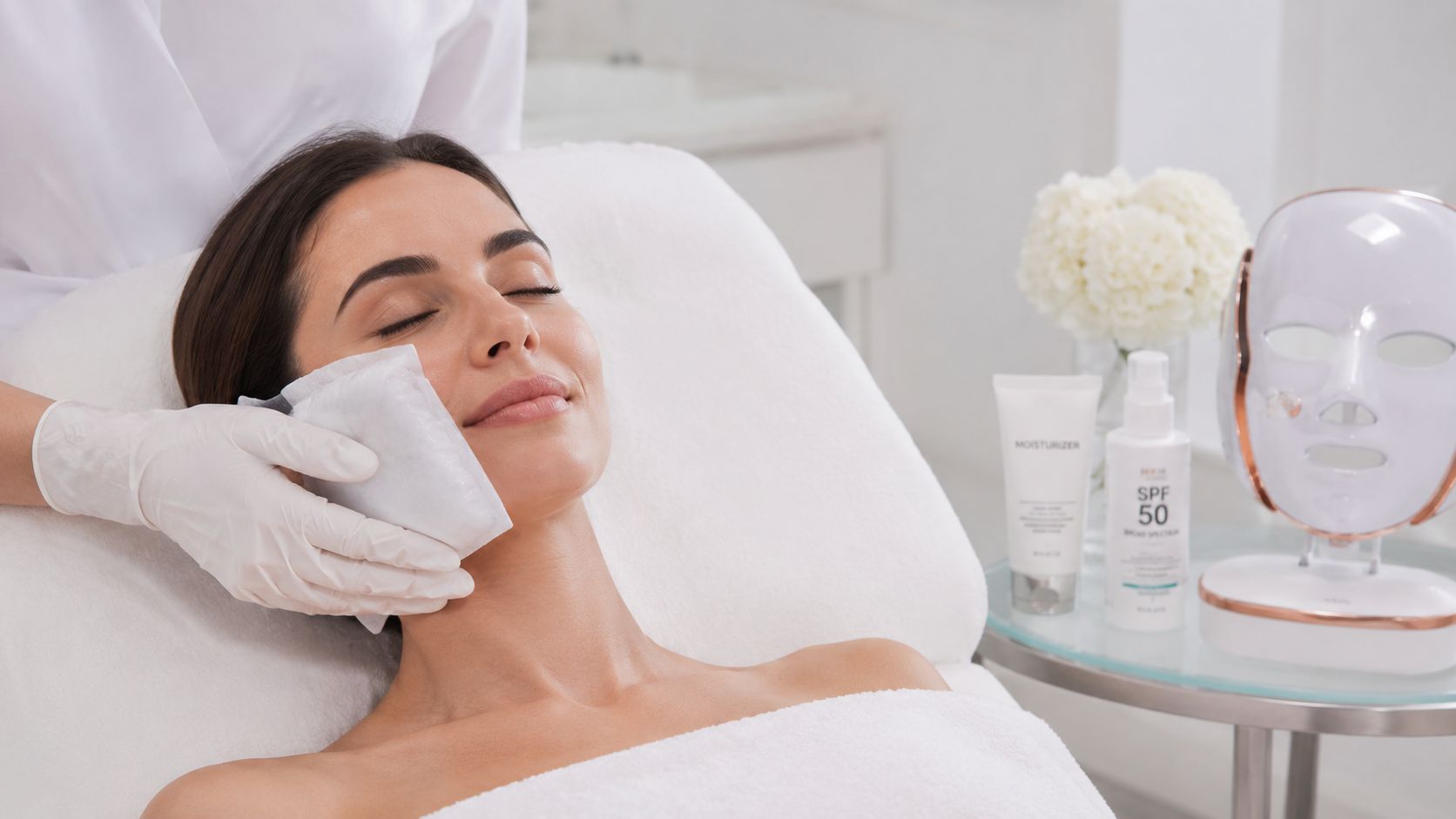
The Barb N.P. LED Facial Mask is one option I like discussing in this context because it's wireless, sits with a comfortable fit on the face, and offers 3 lighting settings for different treatments. Patients appreciate not having to hold anything against the skin. The red setting is often chosen when the goal is calming and supporting collagen-focused care, blue is useful when post-procedure congestion or breakouts are a concern, and yellow can feel soothing when skin looks stressed.
The key is still restraint. A device should complement a calm recovery routine, not become another way to overmanage the area.
Key Do's and Don'ts for Lasting Results
The first two weeks determine how well your result holds its shape. Most filler problems I see after a technically good appointment come from lifestyle choices that seem harmless in the moment. A tough workout. A steam room. A facial. Sleeping on the treated side night after night.

Do protect the placement
Good aftercare is mostly about reducing inflammation and avoiding mechanical disruption.
- Hydrate consistently. Filler placed into tissue settles better when you're not dehydrated.
- Use gentle skincare. Think cleanser, moisturizer, sunscreen. Nothing abrasive.
- Choose low-pressure habits. Soft towel drying, careful makeup application, and no face pressing into your hands at your desk.
- Keep sun protection daily. Treated skin does better when you minimize extra inflammation from UV exposure.
Don't create heat and swelling on purpose
Patients often ask whether one workout or one hot yoga class really matters. In the early window, it can. Increased circulation, facial flushing, and increased temperature can aggravate swelling and make recovery less predictable.
That's why I tell patients to avoid the things that reliably heat the face up: saunas, hot tubs, prolonged hot showers, direct high heat, and strenuous exercise while the tissue is still settling. You're not losing fitness. You're protecting your result.
Don't underestimate side-sleeping
This is the most overlooked point in dermal filler aftercare. Many aftercare sheets say “avoid pressure,” but they don't explain what that means in real life. Side sleeping is pressure. So is sleeping partly face-down with the cheek compressed into a pillow for hours.
A key concern in aftercare is filler migration from positional pressure. Filler remains mobile for weeks, and experts warn that sleeping on the side for 8 to 12 hours during the first few days can push and distort the shape, causing asymmetry, as discussed in Dr. Tim Pearce's guidance on common filler questions.
That matters most in the first 72 hours, when repeated lateral pressure can shape the area in ways you didn't intend. Cheeks and jawline are especially vulnerable because pillows don't apply gentle pressure. They apply sustained pressure.
Sleep position is part of treatment. If you've invested in filler, protect it overnight.
Don't rush into other treatments
Patients sometimes feel good after a few days and assume they can stack treatments. That's where trouble starts. The tissue may look calmer before it's ready for friction, heat, or resurfacing.
Hold off on procedures that can destabilize the treated area, especially:
- Facials with massage. Too much direct manipulation.
- Microdermabrasion. Too abrasive too soon.
- Chemical peels. Recovery skin doesn't need another inflammatory event.
- Laser treatments. Better delayed until the tissue has fully settled.
The same caution applies to at-home tools. If a device presses, rolls, kneads, or pulls, it doesn't belong near fresh filler.
What works better than “doing more”
Patients get the best long-term shape when they do less, but do it consistently. Clean skin. Calm skin. Good hydration. Smart sleep position. Sun protection. Time.
If loose lower-face support is part of your broader aesthetic goal, non-filler strategies may also matter over time. Educational resources on concerns like Jowl Tightening can help patients think more broadly about skin support, tissue quality, and why filler works best when it's part of a full plan rather than the only tool.
Long-Term Care and Enhancing Your Filler
A few weeks after filler, patients often look in the mirror and ask a different question. Not “Is the swelling gone?” but “How do I keep this looking good?” That shift matters. Once filler has settled, the result depends on more than the product itself. Skin quality, facial movement, sun exposure, and timing of maintenance all start to shape what you see.
I tell patients to judge their result after the tissue has fully settled, not while they are still checking for tiny changes day to day. Early impressions can be misleading. A proper reassessment visit gives me a cleaner read on symmetry, integration, and whether anything needs a small refinement.
The habits that protect your result
Long-term filler care is usually quiet and consistent.
- Wear sunscreen every day. UV exposure breaks down collagen and can make the surrounding skin look rougher, duller, or less even.
- Keep skincare simple and supportive. A gentle cleanser, moisturizer, and well-tolerated treatment serum will usually serve you better than rotating through strong acids, scrubs, and trendy actives.
- Book follow-up strategically. Small touch-ups, done at the right time, tend to look more natural than letting volume drop off completely and then trying to rebuild all at once.
If you want a realistic maintenance plan, start with understanding how long filler lasts in different treatment areas. Longevity is not fixed. It changes with product choice, placement, metabolism, movement, and the condition of the skin sitting over it.
Good filler also looks better on good skin. If lower-face heaviness or skin laxity is part of the concern, filler may be only one part of the plan. Educational resources on Jowl Tightening can help patients understand where skin support fits in, and where filler has limits.
A useful add-on for skin support

For patients who want to support skin quality at home without pressing, rubbing, or overworking the face, I often recommend LED as a maintenance option. I frame it correctly. It does not replace injector skill, product selection, or follow-up care. It can support calmer-looking skin and better routine compliance when used consistently.
The Barb N.P. LED Facial Mask is one I recommend because patients will use it. It is wireless, light enough for comfortable wear, and has 3 lighting settings that make it easy to match the session to what the skin needs that day.
Here's how I guide patients on the settings:
| Light setting | Best fit for skin goals |
|---|---|
| Red | Supports a collagen-focused routine and can help calm the look of inflammation |
| Blue | Useful when skin is breakout-prone after procedures or occlusive products |
| Yellow | A soothing option when skin looks stressed or reactive |
Adherence matters. If a device is bulky, irritating, or annoying to set up, patients stop reaching for it. A comfortable fit and simple controls make the difference between a product that sits in a drawer and one that becomes part of long-term care.
When to Relax and When to Call Your Clinician
This is the part every patient deserves before they leave the office. You should know what's expected, what's annoying but normal, and what deserves immediate contact with your injector.
What you can usually watch calmly
Mild swelling. Tenderness. Small bruises. Firmness that softens. Slight unevenness during the first week. Those are all common things patients notice while tissue settles.
Early lumpiness can also be part of normal healing, especially if it gradually improves rather than worsening. The right response is usually observation, patience, and following your aftercare plan instead of pressing on the area.
What should trigger a same-day call
Some signs need real urgency. While mild asymmetry or swelling in the first week is normal, persistent lumps, white, blue, or mottled skin, or fever with pus require immediate specialist intervention, and severe vascular events require urgent hyaluronidase treatment to restore perfusion, according to this guide to dermal filler side effects and recovery concerns.
Call your clinician right away if you notice:
- Skin color changes. White, dusky, bluish, or mottled areas are not a “wait and see” issue.
- Pain that's worsening instead of easing. Especially if it feels severe or out of proportion.
- Signs of infection. Increasing redness, warmth, pus, or fever.
- Lumps that persist and don't improve. Especially if paired with color change or escalating discomfort.
A calm patient does better than a panicked one, but a patient who waits too long can miss the window for prompt intervention. If something feels wrong, call. I would always rather hear from a patient early and reassure them than hear from them late when a problem has progressed.
The safest mindset is simple. Don't self-diagnose online. Don't massage a questionable area because a video suggested it. Don't assume severe pain is normal. Stay observant, follow instructions, and keep communication open with the office that treated you.
If you want practitioner-led guidance, carefully selected recovery-friendly products, and tools like the BotoxBarb LED Facial Mask to support your skin after treatment, explore the shop and book with confidence. Thoughtful aftercare starts with the right plan, and the right plan starts with expert support.