Dermal Fillers Procedure: Your Complete 2026 Guide
You're sitting in the consultation room with a list of questions on your phone: Will it hurt? Which filler is right for my lips, cheeks, or chin? How long will it last? What happens if something goes wrong? Those are sensible questions, not signs that you're overthinking the decision.
A dermal fillers procedure can create subtle restoration or a more defined structural change, but the outcome depends on much more than the product in the syringe. Your anatomy, injection plane, vascular map, treatment goal, and the injector's emergency readiness all matter. This guide follows the patient journey from consultation through recovery, including the warning signs that deserve immediate attention.
What to Expect from a Dermal Fillers Procedure
Your first appointment should begin with an assessment, not a syringe. The practitioner should ask what concerns you at rest and during expression, examine facial balance, review your medical history, and clarify what filler can and cannot change. A sound plan may address cheek structure to improve lower-face balance instead of injecting directly into a line.
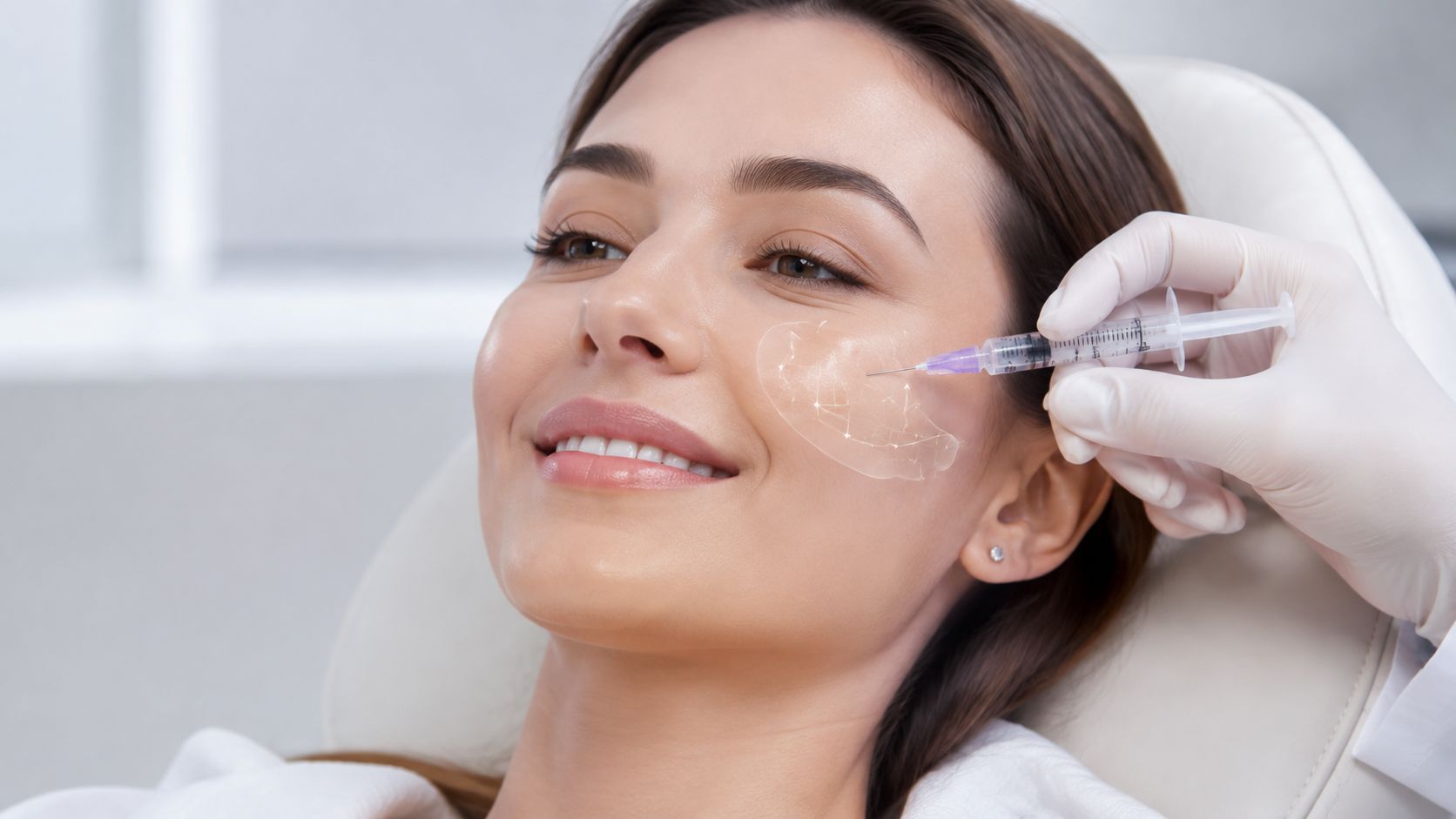
The treatment commonly takes 30 to 60 minutes, depending on the areas and concerns involved. You remain awake, and the procedure is non-surgical, without general anesthesia. Most patients report pressure, brief stinging, or an occasional pinch rather than significant pain.
Practical expectation: Immediate fullness is not the finished result. Swelling may make the treated area appear larger or less even before it settles.
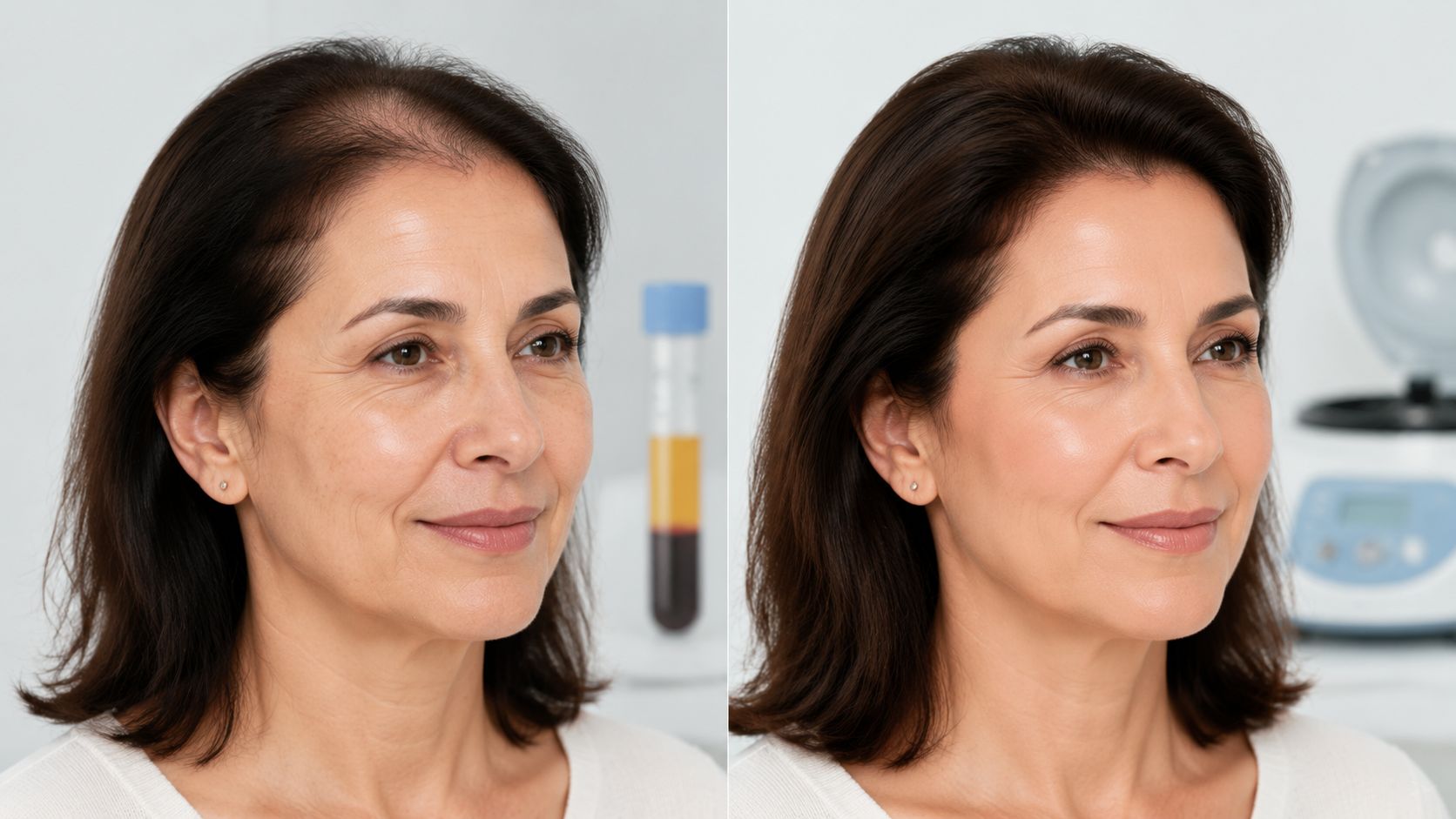
You will see some volume immediately because the gel occupies space as soon as it is placed. That first appearance is provisional. Swelling and bruising can obscure the contour, while the result usually becomes easier to judge after one to two weeks, once the initial reaction has eased. A dermal fillers before and after guide can help you read photographs realistically, especially when an immediate image is compared with a settled result.
Temporary results require a maintenance plan. Depending on the material and formulation, FDA-reviewed products have effects lasting about 6 to 24 months according to the FDA's dermal filler overview. The duration varies with the product, treatment area, placement, and how your body absorbs it. Repeat treatment reflects the temporary nature of filler, not a failed procedure.
Plan for visible social downtime even though you can generally resume daily activities the same day. Mild tenderness, swelling, and bruising are common local effects, so avoid scheduling an important event immediately afterward. Your practitioner should also give you clear aftercare instructions and a way to report unexpected changes. A staged reveal is more realistic than expecting the mirror to show the final contour when you leave.
How Dermal Fillers Work
Facial filler changes the relationship between soft tissue, volume, and support. A gel can restore some of the cushion's fullness, while a firmer product may provide deeper support, similar to scaffolding beneath soft tissue and bone. The result depends on placing the appropriate material in the appropriate plane, not just on adding more product.
Most modern facial fillers use hyaluronic acid, a sugar molecule naturally found in skin that binds water. Once placed, the gel integrates with nearby tissue. With suitable product selection and placement, it can feel soft and move naturally rather than behaving like a rigid implant. A pliable formulation suits mobile tissue, while a denser gel may be chosen where stronger structural support is needed.

Volume and movement are different problems
Fillers add or restore volume. Neurotoxins reduce targeted muscle movement, which can soften dynamic lines caused by repeated contraction. A neurotoxin does not replace lost cheek support, and filler does not relax a forehead muscle. Some patients need one approach, while others benefit from a carefully sequenced combination.
Hyaluronic-acid products are temporary because the body gradually metabolizes the gel. Effects can last approximately 6 to 24 months, depending on the material and formulation, as described in patient information on dermal fillers. Crosslinking density, gel structure, placement, movement in the area, and individual biology all affect how long the correction remains visible.
For a clearer overview, read this guide on how dermal fillers work.
Depth is part of treatment planning. Depending on the indication, filler may be placed in the mid-to-deep dermis or a deeper anatomical plane. The injector must account for skin compression and an oblique needle path, because inserted length does not always equal true tissue depth as described in this technical review of implant depth.
A deeper plane is not automatically safer. The appropriate plane depends on the target, surrounding anatomy, and vessels beneath it.
Types of Fillers and Where They Work Best
Filler selection starts with composition, firmness, reversibility, and purpose. A product that supports the jawline may feel too rigid in the lips. The right choice depends on how the material behaves in the specific tissue and on whether the goal is contour, support, softening, or gradual restoration.
Hyaluronic acid, or HA, fillers offer the broadest range of applications. Restylane and Juvéderm include softer formulations for lips and more supportive options for cheeks, folds, and selected delicate areas. HA also has a practical dissolving option, hyaluronidase, when removal is clinically appropriate. That reversibility can matter when a result is uneven or a complication requires treatment.
Calcium hydroxylapatite, or CaHA, provides firmer structural support. Radiesse may suit deeper contouring, such as the jawline or hands, but its texture and behavior make it a poor match for every superficial or highly mobile area.
Poly-L-lactic acid, or PLLA, works through gradual collagen stimulation rather than immediate gel volume. Sculptra may be selected for the cheeks or temples when a staged change is preferable to immediate projection. Patients need to accept that the visible result develops over time and depends on a series of carefully planned treatments.
Polymethylmethacrylate, or PMMA, has longer-lasting effects and narrower indications. Bellafill contains PMMA microspheres, so patient selection and injector experience matter greatly. A less temporary material is harder to revise if the result is unsatisfactory or a complication develops.
| Filler Families Compared | Common Brands | Best For | Longevity | Reversible? |
|---|---|---|---|---|
| Hyaluronic acid | Restylane, Juvéderm | Lips, cheeks, selected folds, some under-eye indications | Temporary, formulation-dependent | Generally yes, with appropriate clinical treatment |
| Calcium hydroxylapatite | Radiesse | Deeper contouring and structural support | Temporary, with material-dependent effects | Not dissolved like HA |
| Poly-L-lactic acid | Sculptra | Gradual cheek or temple restoration | Temporary, collagen-stimulating response | Not dissolved like HA |
| PMMA | Bellafill | Narrower, longer-lasting indications | Longer-lasting | Not dissolved like HA |
Before booking, use this guide to the types of dermal fillers to learn the material differences, then ask the injector why a particular product fits your anatomy. A thick structural filler in the lips can feel heavy or look unnatural when a softer, more mobile formulation would better match the tissue.
Inside the Treatment Room Step by Step
A professional dermal fillers procedure should feel organized from the moment you arrive. You should understand what is being treated, why a specific technique is proposed, and what your practitioner will do if the result needs refinement or a complication develops.
Before the first injection
The appointment starts with medical history and consent. Tell your injector about medications, allergies, previous filler, dental work, past reactions, autoimmune conditions, and any earlier dissolving treatment. Bring photographs or describe the change you want, but do not arrive focused on a fixed syringe count. The amount should follow your anatomy and treatment goal.
Your injector should assess your face both at rest and while it moves. They may mark entry points and treatment zones with a removable pencil, then take baseline photographs with your consent. State whether you want subtle restoration, sharper contour, more lip definition, or a visible increase in volume. Those preferences affect product selection and how much correction is appropriate.
Topical numbing cream may be applied, commonly followed by a wait of 15 to 20 minutes before cleansing. The skin is then disinfected. Depending on the area and product, the practitioner may use a fine needle, a cannula, or both. The choice should reflect anatomy, access, control, and the intended tissue plane. No instrument is automatically safer for every area.

During and immediately afterward
During injection, expect pressure, mild stinging, or a brief pinch. I monitor tissue color, resistance, symmetry, and your comfort rather than following a predetermined pattern too quickly. Product may be gently molded when appropriate. A mirror check then helps assess overall balance without chasing tiny differences caused by early swelling.
Afterward, the skin is cleaned and you may use a cold pack. You should leave with written aftercare, clear instructions for urgent contact, and a follow-up plan. Contact the clinic promptly for escalating pain, unusual blanching or dusky discoloration, or changes in vision. A touch-up should wait until the product and swelling have settled, rather than being based on an uneven immediate result.
Preparing for Treatment and Caring for Your Skin Afterward
Preparation begins with a medication and health review. Never stop a prescribed blood thinner without approval from the clinician managing it. Your injector may recommend avoiding alcohol, high-dose fish oil, or retinoids near the treatment area before the appointment because they can affect bruising or irritation. Maintain your usual hydration, and ask whether arnica is suitable for you rather than assuming supplements are risk-free.
Arrive with clean skin and minimal makeup. Eat beforehand if you normally tolerate food well. If sedation or an extensive plan is involved, arrange transportation instead of assuming you can drive comfortably afterward.

The first day
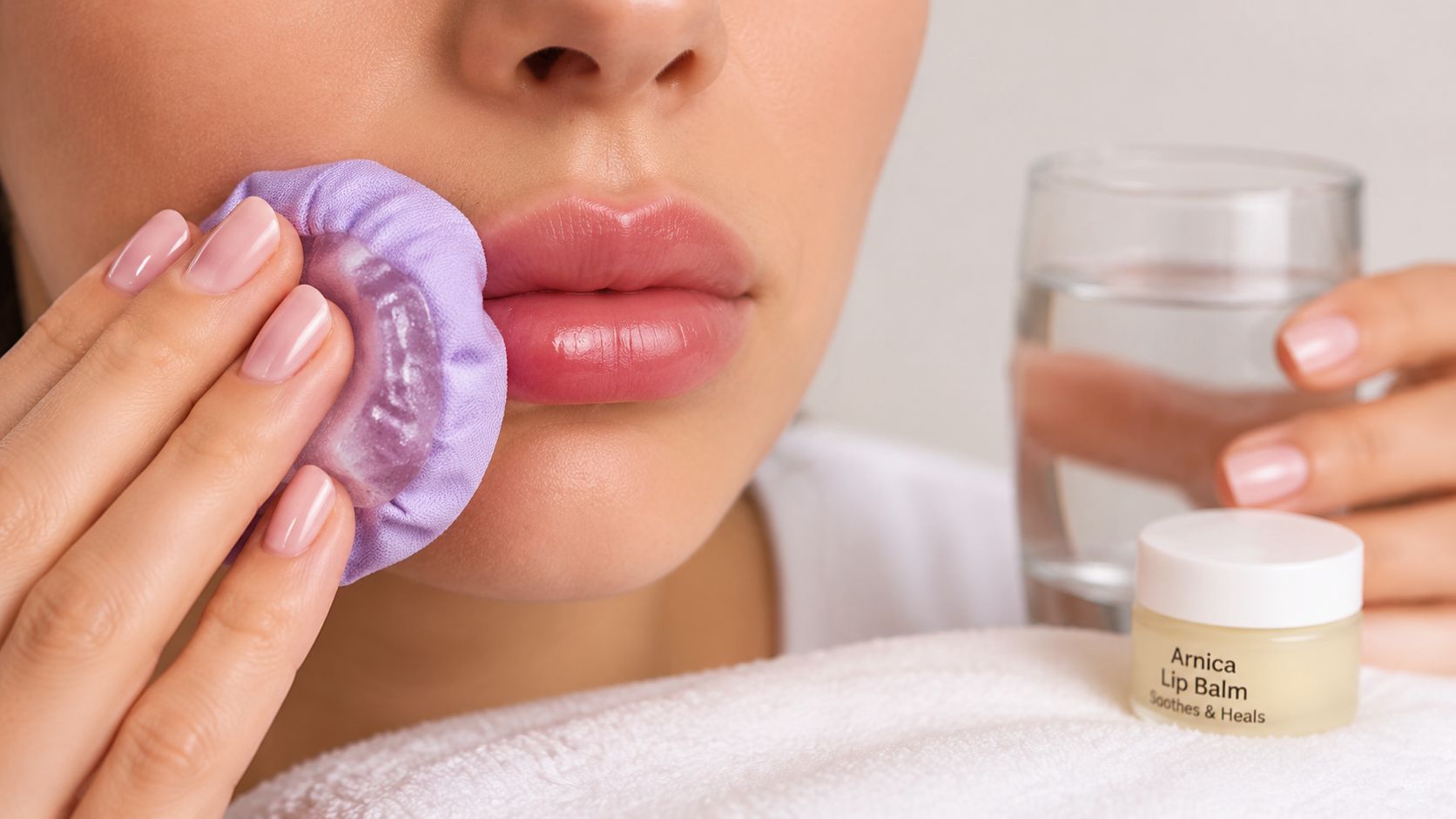
Apply a wrapped cold pack for short intervals, without pressing firmly on fresh injection sites. Sleep with your head supported, cleanse gently, and avoid heat, strenuous exercise, alcohol, facial massage, and unnecessary pressure. Do not manipulate a lump unless your injector has shown you how. Forceful massage can increase irritation or shift product.
For gentle self-care while you recover, the SEYANTE spa day guide provides a home routine. Choose quiet, comfortable activities and avoid heat-heavy treatments or vigorous facial techniques.
Days two through seven
Lip swelling may be most noticeable around 48 hours before gradually improving. Bruising also tends to fade over time, although the pace differs by person and treatment area. Ask your clinic when makeup is appropriate, and follow its instructions before restarting retinoids, exfoliating acids, aggressive devices, dental work, or other facial procedures.
Mild early swelling, tenderness, or unevenness can be monitored when symptoms are improving. Contact the clinic for assessment if asymmetry remains after swelling should have settled, a lump becomes more painful, redness spreads, or symptoms worsen. Escalating pain, unusual skin color changes, or visual symptoms need immediate contact rather than a routine follow-up.
Risks by Treatment Area and Warning Signs to Know
Risk depends on anatomy, product placement, and the injector's response plan. Lips are mobile and vascular. Cheeks contain important vessels and delicate tissue. Chin and jawline treatments may develop nodules, while tear trough skin is thin enough for overcorrection to remain visible.
In the lip region, artery depth varies by location and patient. That variation means a stated depth cannot serve as a safe injection formula. The practical questions are whether the injector understands the vessels in the area, selects an appropriate plane, uses controlled technique, and can recognize a vascular problem quickly. Conservative planning matters more than relying on one measurement.
The FDA warns that accidental intravascular injection can cause skin necrosis, blindness, or stroke. Vascular occlusion is uncommon but serious, with an estimate of about 1 in 5,000 injections in its filler safety communication.
| Risk Profile by Filler Treatment Area | Common Effects | Serious Warning Signs | Triage Action |
|---|---|---|---|
| Lips | Swelling, bruising, tenderness, asymmetry | Escalating pain, persistent blanching, mottled or dusky skin | Contact the clinic immediately |
| Cheeks and midface | Firmness, swelling, bruising, possible bluish Tyndall effect in superficial placement | Skin color change, severe pain, visual symptoms | Urgent injector assessment, emergency routing for vision changes |
| Chin and jawline | Tenderness, firmness, nodules along the mandibular border | Increasing redness, severe pain, rapidly worsening swelling | Contact the clinic urgently |
| Tear trough | Puffiness, overfilling, bluish tint, prolonged swelling | Visual change, severe pain, unusual skin discoloration | Immediate medical evaluation for any visual symptom |
The warning signs I want you to remember
Persistent blanching that does not improve, mottled or net-like discoloration, pain escalating beyond expected tenderness, sudden visual changes, weakness, trouble speaking, or other stroke-like symptoms require immediate action. Any visual symptom after filler is an emergency. Contact the injector while arranging emergency evaluation. Do not wait to see whether it resolves.
Do not massage an area with concerning symptoms unless a qualified clinician instructs you to. Before treatment, ask whether the clinic has a vascular-occlusion protocol and, for HA filler, access to hyaluronidase. Ask who handles urgent calls after hours and where you should go if symptoms develop.
Severe complications remain rare, particularly when a trained injector understands facial anatomy and maintains an emergency protocol. Rarity does not make early warning signs safe to ignore. A clear answer about complication management is part of assessing the injector, not an unnecessary question.
Cost, Longevity, and Choosing the Right Injector
A dermal fillers procedure has no universal price. The fee depends on the product, amount required, treatment area, anatomical difficulty, and injector's experience. Lips may need a different quantity and technique from cheeks, while jawline treatment can require a broader structural plan. Ask whether the quote is calculated per syringe, per area, or for the complete treatment plan.
A clinic that recommends a fixed volume before examining your face deserves caution. A lower initial fee can become more expensive if you later need correction, dissolving, or additional visits. Longevity varies by formulation and by patient, with FDA-reviewed products lasting approximately 6 to 24 months, as outlined by the FDA. Maintenance should follow your assessment and goals, rather than an automatic calendar schedule.

The injector checklist
Before booking, get specific answers:
- Credentials: Is the practitioner legally qualified to inject in your location, and do they perform facial injectables regularly?
- Portfolio: Can you see unedited before-and-after photographs for the area you want treated?
- Product: Will the clinic identify the product, lot information, and regulatory status?
- Emergency readiness: What is the clinic's response if vascular occlusion is suspected, and is hyaluronidase available for HA filler?
- Consultation quality: Will the practitioner assess your face at rest and in motion, explain alternatives, and tell you when treatment should be declined?
A good consultation should also clarify how the proposed product fits the area. Lips, cheeks, chin, and jawline differ in movement, tissue depth, and structural demands. The safest plan may involve less product, staged treatment, or a different approach.
For light therapy after the injection period, the BotoxBarb LED Facial Mask is one device option. Its wireless design, face-conforming comfort, and three lighting settings support different cosmetic treatment goals, including calming routines and general skin-care maintenance. Keep devices away from freshly treated skin until your injector confirms that use is appropriate.
Your Decision Framework Before Booking
Arrive at the consultation with four decisions in mind.
Start with the result you want. Subtle restoration, lip definition, cheek support, chin projection, and jawline structure require different products and injection planes. Describe the change rather than requesting a syringe amount. That gives the practitioner room to select a safer plan and explain whether filler is appropriate.
Then assess the area-specific risk. Lips, cheeks, chin, jawline, and tear troughs differ in tissue thickness, movement, blood vessels, and tolerance for overcorrection. Ask which warning signs matter for your chosen area, when they should appear, and who to contact outside office hours.
Plan for maintenance. Temporary filler can require repeat procedures, while a longer-lasting product may be harder to revise. Compare the complete treatment plan, follow-up policy, and possible correction costs, not only the initial fee.
Verify the injector's preparation. Check legal credentials, review unedited results for the area being treated, confirm the product and its regulatory status, and ask how suspected vascular occlusion would be managed. A consultation is not consent. A responsible injector may recommend less product, staged treatment, another option, or no treatment if the request is unsafe or unsuitable.
Shortlist two or three practitioners, write questions before the appointment, and bring a full medication and treatment history. Keep separate budgets for the procedure, follow-up care, and any recommended LED aftercare device. This process keeps the decision focused on benefit, anatomy, cost, and clinical readiness rather than urgency.
BotoxBarb provides consultations and aesthetic services including dermal fillers, Botox, Dysport, PRP, and LED light therapy, plus medical-grade skincare and self-care products. Visit BotoxBarb to review available services and select a qualified next step for your dermal fillers procedure.