Dysport for Frown Lines: What to Know Before You Book
You're standing in front of the mirror, pulling your brows together to see whether the vertical lines between them disappear. They soften when your face relaxes, but not completely. Or perhaps they've started staying visible even when you're not frowning. That's the point at which many people start researching Dysport for frown lines, comparing providers, and wondering whether the treatment will look natural or leave them expressionless.
The honest answer is that Dysport can be an effective option, but the product is only part of the result. Your muscle activity, line depth, facial anatomy, dose, injection technique, and expectations all matter. I've injected this area hundreds of times, and the conversation I have with patients is rarely just “Dysport or Botox?” It's usually, “Will it work on my lines, how soon will I see it, how long will it last, and who can do it safely?”
What Dysport Is and Why It Targets Frown Lines
A first-time patient often arrives touching the space between her brows. She may call the lines “wrinkles,” but the more useful question is whether they appear mainly during expression or remain when the face is relaxed. That distinction helps determine what Dysport can realistically accomplish.
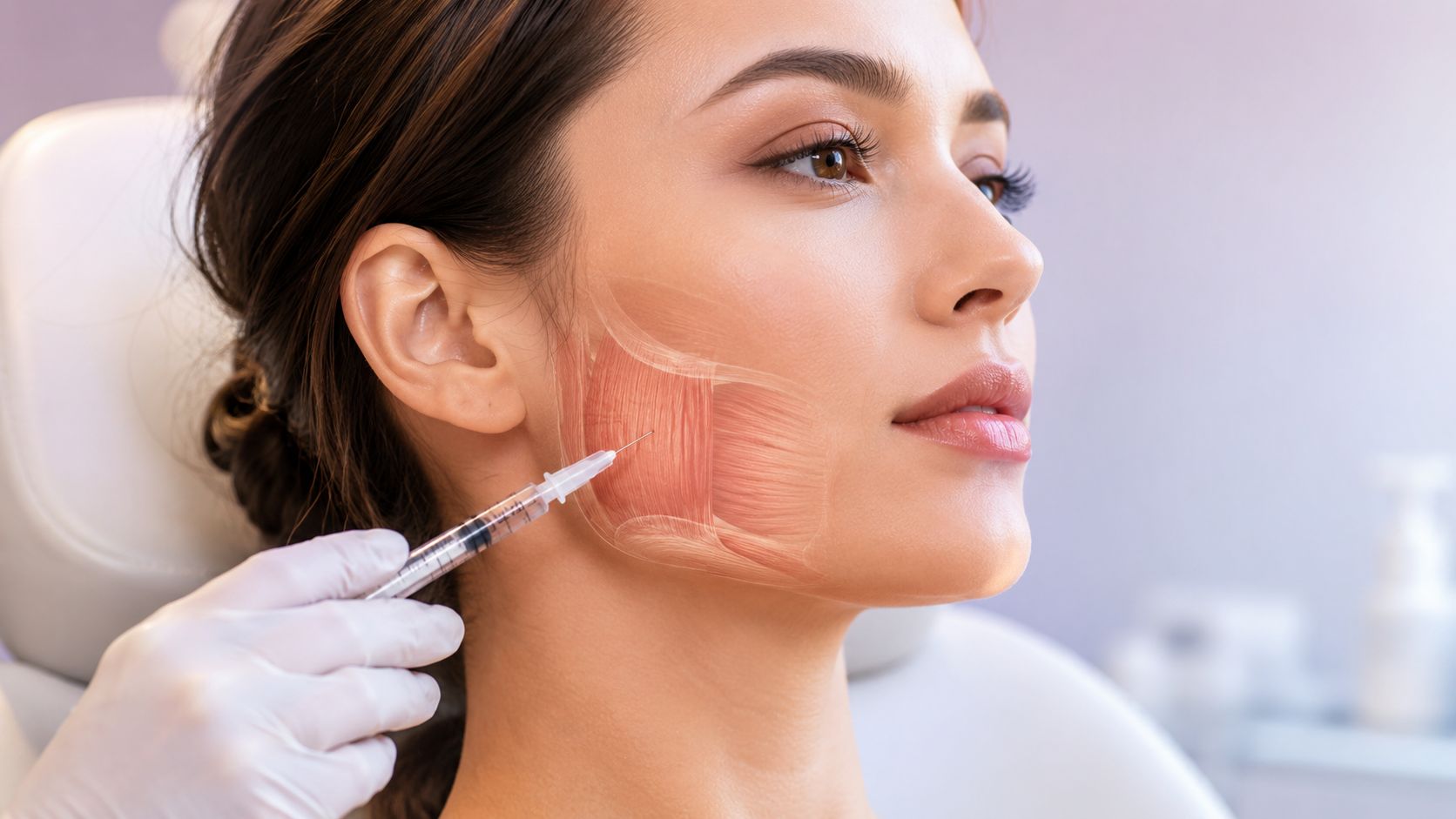
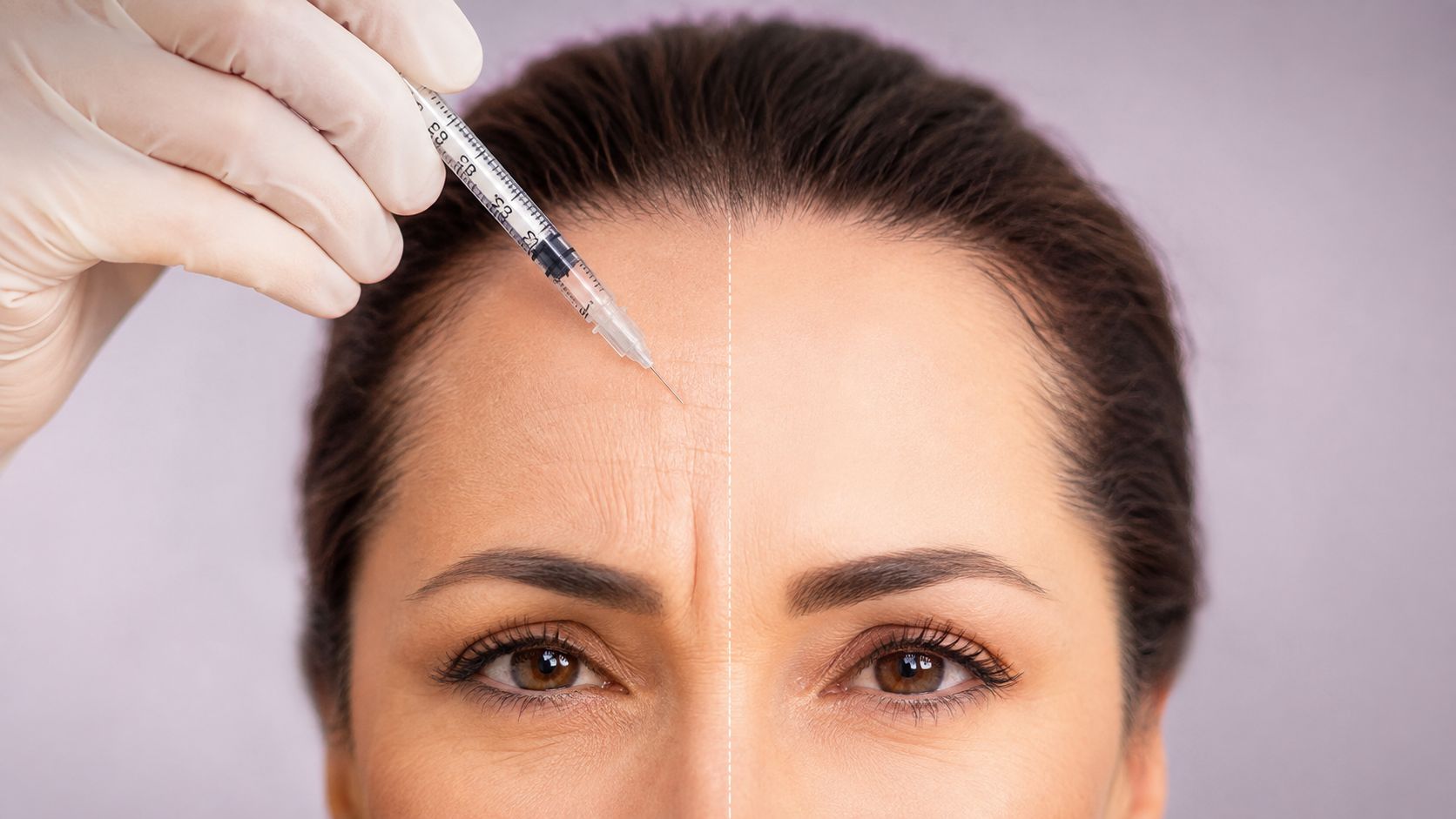
Dysport, also called abobotulinumtoxinA, is a prescription neuromodulator. It temporarily reduces the nerve signals that tell selected muscles to contract. In the glabellar region, the treatment focuses on the corrugator and procerus muscles, which pull the brows inward and create the familiar vertical frown lines.

The U.S. Food and Drug Administration approved Dysport in April 2009 for the temporary improvement of moderate to severe glabellar lines in adults younger than 65. That approval was supported by three double-blind randomized studies involving 600 subjects, and the key trials used a 50-unit dose. At day 30, treatment success ranged from 55% to 60% with Dysport, compared with 0% for placebo, using a definition that required lines to be rated none or mild at maximum frown and to improve by at least two grades from baseline. The clinical review of Dysport's approval and glabellar-line evidence provides the technical background.
Dynamic lines are created by repeated movement. When you frown, squint, concentrate, or react emotionally, the muscles contract and fold the overlying skin. Static lines are etched into the skin and remain visible at rest. Dysport relaxes the muscle activity that drives dynamic lines, but it won't instantly erase a deep crease that has become established in the skin.
Practical rule: If your lines soften substantially when you relax your brow, a neuromodulator is addressing the main cause. If they remain deeply etched at rest, you may need a broader skin-quality discussion rather than simply more Dysport.
For a clear overview of how injectable treatment fits into a broader clinical framework for smoother skin, it helps to separate muscle movement from surface texture. You can also review what Dysport injections involve before booking.
Who Is a Good Candidate for Dysport
Good candidacy starts with the movement pattern, not a number on your birthday cake. Dysport is FDA-indicated for adults younger than 65 with moderate to severe glabellar lines, but a consultation still needs to establish whether the lines are dynamic, static, or a combination. The FDA-approved indication and adult dosing information defines the labeled use.
Ask yourself three questions:
- Do the lines appear when you frown? If they soften when your brow relaxes, Dysport may reduce the muscle-driven component effectively.
- Do the lines remain at rest? Dysport may soften their appearance by preventing repeated folding, but it can't replace lost volume or immediately resurface etched skin.
- Are you seeking softer movement or total immobility? A natural result usually means less forceful contraction, not a frozen forehead and brows that can't express anything.
Skin type and tone don't determine whether you can benefit. Neuromodulators work on muscle activity, so they aren't limited to one complexion, ethnicity, or gender. What changes from patient to patient is anatomy, muscle strength, brow position, line depth, and how the skin responds.
When treatment should wait
Pregnancy is a reason to postpone elective treatment. Patients with certain neuromuscular conditions need medical review before considering a neuromodulator, and an active infection at the injection site should be resolved first. Tell your injector about prior reactions, eyelid or brow surgery, ocular surface symptoms, medications, and supplements.
A responsible provider may also recommend against treatment if your expectations don't match what the product can do. More units aren't a shortcut for static lines, poor skin elasticity, or an unsuitable brow shape. The best consultation sometimes ends with a recommendation to wait, treat the skin first, or choose another approach.
What Happens During a Dysport Appointment
A good appointment feels more like an assessment than a quick transaction. Before touching a syringe, the injector should watch your face at rest and during expression, assess brow movement, review your medical history, and ask what bothers you about the area.
The labeled glabellar treatment uses 50 Units total, administered as five equal 10-Unit aliquots into the affected muscles. The FDA labeling for Dysport's glabellar-line dose describes this five-injection structure. That doesn't mean every patient should be treated by a rigid visual template without thought. The labeled dose and injection pattern still need to be applied with attention to individual anatomy and treatment goals.
The appointment in practical terms
- Consultation and assessment: You'll discuss your goals, medical history, previous injectables, and any concerns about heaviness, asymmetry, headaches, dry eye, or eyelid position.
- Facial marking: The injector identifies the five treatment points and considers how your corrugator and procerus muscles move. Marking should support anatomy, not substitute for it.
- Injection sequence: The injections are brief. I'm watching the needle depth, tissue resistance, brow position, and how your muscles behave rather than treating every face identically.
- Immediate instructions: You may have temporary redness, tenderness, or small raised areas. Don't rub or massage the treated region. Keep your head upright and don't lie flat for four hours, unless your clinician gives different instructions.
Arrive with clean skin when possible. Tell the practice about aspirin, ibuprofen, fish oil, anticoagulants, and other products that may increase bruising, but don't stop a prescribed medication without asking the clinician who manages it. Makeup can usually be applied later according to your injector's advice, but arriving without it makes the assessment and cleansing process simpler.
When Results Show Up and How Long They Last
Patients often judge Dysport too early. The first day can look exactly like the day before, and that doesn't mean the treatment failed. Clinical analyses have reported response as early as 24 hours, with a median onset around two to three days. A review of abobotulinumtoxinA clinical studies describes this early-onset profile.

In a placebo-controlled U.S. study, 89.5% of investigators and 75.7% of subjects rated patients as responders at day 30 after one 50-unit treatment, compared with 7.5% and 9.8% for placebo. The randomized clinical study of Dysport's onset, response, and durability gives the underlying figures. Day 30 is a useful point for judging the settled result, especially if you're assessing asymmetry or considering whether any adjustment is appropriate.
Longevity is a range, not a promise
The labeled retreatment interval is no more frequently than every 12 weeks, reflecting the expected recovery period after chemodenervation. That interval isn't a guarantee that every patient will stay equally smooth for that entire period.
A later randomized study of 300 subjects found that most treated patients maintained at least a one-grade improvement for more than 120 days, and more than 30% remained satisfied through the full 150-day follow-up. Independent reviews report that benefit can last up to six months in some patients. At the same time, broader real-world summaries often place median response closer to four to five months, with meaningful variation based on formulation, dose, and baseline severity. A recent review of Dysport duration and real-world expectations addresses that range.
Muscle strength, metabolism, movement patterns, dose selection, and injection technique can all affect your experience. A patient with powerful corrugator muscles may wear off sooner than someone with lighter movement. Your retreatment plan should follow the return of meaningful movement and your clinician's assessment, not an automatic calendar appointment.
For a patient-friendly discussion of how long Dysport lasts, remember that the first visible change and the final duration are separate questions.
Side Effects and Risks Worth Taking Seriously
Bruising is the side effect patients ask about most often, but it isn't the entire safety conversation. The FDA label lists nasopharyngitis, headache, injection-site pain, eyelid edema, eyelid ptosis, and sinusitis among adverse reactions reported in glabellar-line trials. Dry eye has also been reported with glabellar use. The FDA prescribing information for Dysport provides the broader safety profile.

The complications that deserve a specific conversation
Eyelid ptosis means the upper eyelid droops. Brow heaviness can feel similar but has a different appearance and cause. Product placement, injection depth, anatomy, and diffusion all matter, which is why injector experience is more important than choosing a vial based on brand reputation alone.
Patients with naturally heavy brows, a history of eyelid surgery, or existing ocular surface problems should mention those details before treatment. If you already experience dry eye, burning, grittiness, or excessive tearing, your provider needs that information when discussing risk.
Common short-term reactions usually call for observation and communication with the practice rather than panic. Contact your injector if swelling, eyelid changes, asymmetry, pain, or visual symptoms concern you or worsen instead of improving. Seek urgent medical care for serious breathing, swallowing, widespread weakness, severe allergic symptoms, or a sudden change in vision. Those symptoms aren't normal cosmetic-treatment inconveniences.
Read the practice's Dysport side-effect guidance, and ask exactly whom to contact after hours. A safe clinic doesn't dismiss questions after payment. It gives you clear instructions before the injections begin.
Dysport Compared to Botox for Frown Lines
Dysport and Botox are both neuromodulators used to reduce muscle activity, but the choice shouldn't be framed as a universal contest. In the chair, I look at the treatment area, muscle pattern, desired onset, previous response, and the provider's familiarity with each product.
Dysport is often selected when broader diffusion or a quick onset is desirable. Botox may appeal when the injector wants a more localized placement strategy in a smaller area. Those are general tendencies, not guarantees, and product behavior also depends on dilution, dose, injection depth, anatomy, and the clinician's technique.
Dysport vs Botox for Glabellar Lines
| Criterion | Dysport | Botox |
|---|---|---|
| Product | AbobotulinumtoxinA | OnabotulinumtoxinA |
| Typical clinical discussion | Often chosen for a broader treatment field and early visible response | Often chosen for controlled, localized placement |
| Unit comparison | Dysport units aren't interchangeable with Botox units | Botox units aren't interchangeable with Dysport units |
| Onset | Clinical evidence reports response as early as 24 hours, with median onset around 2 to 3 days | Onset varies by patient and treatment |
| Duration | Benefit may extend up to about 6 months in some cohorts, while broader median response is often closer to 4 to 5 months | Duration varies by patient, dose, anatomy, and technique |
| Pricing conversation | Often quoted per Dysport unit, per area, or through a membership | Often quoted per Botox unit, per area, or through a membership |
A frequent consumer mistake is comparing unit prices as though the units represent the same amount. They don't. A lower Dysport price per unit doesn't automatically mean a lower total treatment cost, and a higher Botox unit price doesn't automatically mean better value.
The right question isn't “Which brand wins?” Ask, “Which product does this injector use most skillfully for my anatomy and goals?”
For frown lines, the injector's assessment often matters more than the label on the box. If you want faster visible change and your anatomy suits a broader spread, Dysport may be reasonable. If your provider has a stronger track record with Botox for your particular brow pattern, that experience may outweigh a theoretical product difference.
What Dysport for Frown Lines Actually Costs
Pricing can feel confusing because practices don't all quote Dysport the same way. One clinic may charge by unit, another by treatment area, and another through a membership or package. Compare the total fee, product source, injector credentials, consultation process, and follow-up policy, not just the number printed beside “unit.”
The FDA-labeled glabellar dose is 50 Units, but the amount billed can depend on the practice's pricing model and whether the injector customizes the plan. “Units used” and “units billed” may not be identical, so ask the office to explain its policy before treatment.
Questions that make quotes comparable
- Per-unit pricing: Ask whether the quoted unit price applies to the full amount used and whether there's a consultation or facility fee.
- Per-area pricing: Confirm exactly what the area includes. “Frown lines” should have a clear anatomical definition.
- Membership pricing: Check whether the membership requires recurring payments, minimum visits, or specific products.
- Product verification: Ask whether the practice uses FDA-approved Dysport obtained through licensed distribution.
Geography, injector credentials, medical oversight, and whether you're visiting a medical practice or med-spa can all change the final quote. A surprisingly low price deserves questions, not immediate celebration. Dilution, unclear sourcing, limited follow-up, or non-FDA-approved alternatives can create risks that aren't visible in an online promotion.
Before paying a deposit, ask what happens if one brow settles differently, when the practice evaluates the final result, and whether the clinician will recommend against treatment if your lines are primarily static. A transparent quote includes the service and the clinical responsibility around it.
Choosing a Provider and Caring for Your Results
The provider checklist is simple, but it requires judgment. Look for a licensed medical professional with relevant injection experience, clear before-and-after photography, a clean clinical environment, and a willingness to explain why the dose and placement suit your face.
Ask these questions during your consultation:
- Who will inject me? Confirm the person's license, training, and experience with glabellar anatomy.
- What muscles are you treating? The answer should refer to your actual movement pattern, not a generic package.
- What result is realistic? A good injector explains what Dysport can soften and what it cannot erase.
- What if I develop heaviness or asymmetry? You should receive a direct contact pathway and follow-up plan.
- What product will I receive? The practice should identify the neuromodulator and use legitimate, properly handled product.
Your home routine supports the skin that Dysport doesn't directly treat. Daily sun protection, gentle cleansing, moisturization, and a well-chosen medical-grade routine can improve texture and help the surface look healthier. BotoxBarb's curated options include brands such as SkinCeuticals, which may fit a clinician-guided skincare plan when the goal is prevention and surface-quality support.
An LED device can also be a complementary maintenance step between appointments. The Barb N.P. Facial Mask is a wireless at-home device designed for comfortable wear on the face, with three lighting settings for different treatment goals. Independent clinical literature on LED facial masks reports visible improvement in concerns such as lines and wrinkles over a four-week period in product testing, although an LED mask won't relax the corrugator or procerus muscles the way Dysport does. A review of LED facial masks and their cosmetic use offers useful context.
The best pairing is realistic: Dysport addresses movement, skincare supports the surface, and an LED mask can complement the routine. None of these replaces an experienced injector or turns a static crease into untouched skin overnight.
BotoxBarb offers Dysport consultations for frown lines, along with medical-grade skincare and at-home LED light therapy options such as the Barb N.P. Facial Mask. Visit BotoxBarb to review available services and products, then book a consultation focused on your anatomy, goals, and a treatment plan that feels natural.