Hair Care After Perm Guide for Lasting Curls
You've just walked out of the salon with a fresh perm, the kind that looks perfect under the mirror lights and already has you thinking about tomorrow's shower, bedtime, and whether one wrong move could ruin it. That instinct is right. Hair care after perm is less about fancy extras and more about protecting the curl pattern while it's still settling, then building a routine that keeps the shape soft, defined, and wearable.
Why Post Perm Care Matters
A perm may look finished when you leave the chair, but the curl pattern is still settling. The chemical restructuring has already started, yet the hair still needs a quiet window to hold that new shape without added stress. If hair gets wet too soon, tied too tightly, or heated too aggressively, the result can be looser curls, frizz, or breakage instead of the even texture you paid for.
What gets protected after the salon visit
The biggest mistake I see is treating the perm like an instant style instead of a setting process. The first 48 hours matter most, because multiple guides say to keep the hair dry and avoid shampooing so the curl pattern can set. One major consumer health source also advises waiting at least a month before any further chemical treatments on the hair (Healthline). That is not caution for its own sake. It gives the hair time to stabilize after a chemical service that changes its internal structure.
Practical rule: the less you manipulate a fresh perm, the longer it tends to keep its shape.
Salon advice points to the same approach in the days right after service. Keep the hair dry for two days, avoid tight styles and heat in the first week, and stay away from anything that bends or creases the curl pattern too early. That simple discipline saves a lot of disappointment later, because once curls are flattened or stressed, they rarely spring back evenly on their own.
The risk is higher for fine and porous hair. Fine strands lose shape faster when they are handled too much, while porous hair takes on moisture quickly and can swell, frizz, or feel rough sooner after a perm. That is where texture-specific care matters. I usually tell clients with finer hair to keep styling light, use only enough product to control frizz, and avoid heavy creams that collapse the curl. For porous hair, the goal is to keep the cuticle calm, with gentle cleansing and a conditioner that adds slip without leaving the hair coated.
Scalp care matters too. A fresh perm should never leave the scalp feeling irritated or overly dry, and that is a good time to keep the skin in better shape with calming care between wash days. Some clients like using the Barb N.P. LED Facial Mask for scalp wellness because it fits into a low-stress routine alongside recommended products, especially when the scalp feels tired after processing. It does not replace proper aftercare, but it can support a cleaner, more comfortable scalp environment while the curls settle.
Once the perm is set, the payoff is easier styling and more consistent curl memory. That is the real reason post-perm care matters. You are protecting the shape while the hair is still vulnerable, so the finished result looks deliberate instead of strained.
Immediate Aftercare Routine
A fresh perm needs a quiet start. For the first two to three days, keep the routine simple, keep the hair dry, and avoid anything that presses, pulls, or warms the curl pattern before it settles. If you sleep on new curls, use a loose silk scarf or keep the head as uncompressed as possible so the shape does not get dented overnight.

The first 72 hours in practice
The safest approach is to leave the hair alone for the first two to three days, because that gives the curl pattern time to set. If you feel tempted to rinse a section of the hair, resist it. Even a little water can shift how the rods' shape translates into the final curl, especially along the hairline where the bend shows first.
The first week should stay low stress too. Skip tight ponytails, clips that clamp the same spot, braids that leave creases, and heat styling if you can. Some salon guidance also recommends avoiding anything that bends the curl, including swimming and hot tools, because mechanical stress can interrupt the setting process before the structure fully settles.
A quick check is fine if you want to see how the hair is responding. Touch the ends lightly instead of stretching or twirling the curls. If they feel springy, that is enough. If they feel rough, puffy, or unusually soft, the safest move is still to leave them alone until the full setting window has passed.
Fine and porous hair need a little extra restraint here. Fine strands lose shape faster when they are handled too much, so light touch matters more than layering on products. Porous hair can swell quickly when it takes in moisture, which makes frizz and roughness show up sooner if the hair is wet too early. Keep products minimal, protect the shape, and let the curl settle before you judge the final result.
Scalp care matters too. A fresh perm should not leave the scalp feeling irritated or overly dry, and this is a good time to keep the skin comfortable between wash days with calming care. Some clients also like using the Barb N.P. LED Facial Mask for scalp wellness because it fits into a low-stress routine alongside recommended products, especially when the scalp feels tired after processing. It does not replace proper aftercare, but it can support a cleaner, more comfortable scalp environment while the curls settle.
What to avoid and what to do instead
- Avoid washing early: shampooing too soon can loosen the set and create uneven curl development.
- Avoid tight styling: tension leaves kinks that fresh permed hair does not need.
- Avoid heat when possible: direct heat can distort the new pattern.
- Choose soft protection at night: silk or satin is kinder than rough cotton pillow friction.
Washing Drying and Styling Techniques
Once the setting window has passed, the job shifts to preserving the curl pattern. Wash gently, dry with as little friction as possible, and style in a way that supports the new shape instead of fighting it. A sulfate-free, hydrating shampoo and conditioner is the safest starting point because harsh detergents can strip the oils and moisture that help curls stay defined.

Washing without flattening the curl
The wash schedule should match the hair, not the habit. Many salon routines keep perm washing to every few days, or even less often for hair that dries out fast, but fine hair and porous hair need their own adjustments. Fine strands can lose shape if they are overloaded with conditioner, so keep the formula light and rinse well. Porous hair takes in moisture quickly, which can make frizz show up sooner if the hair is handled too often while wet.
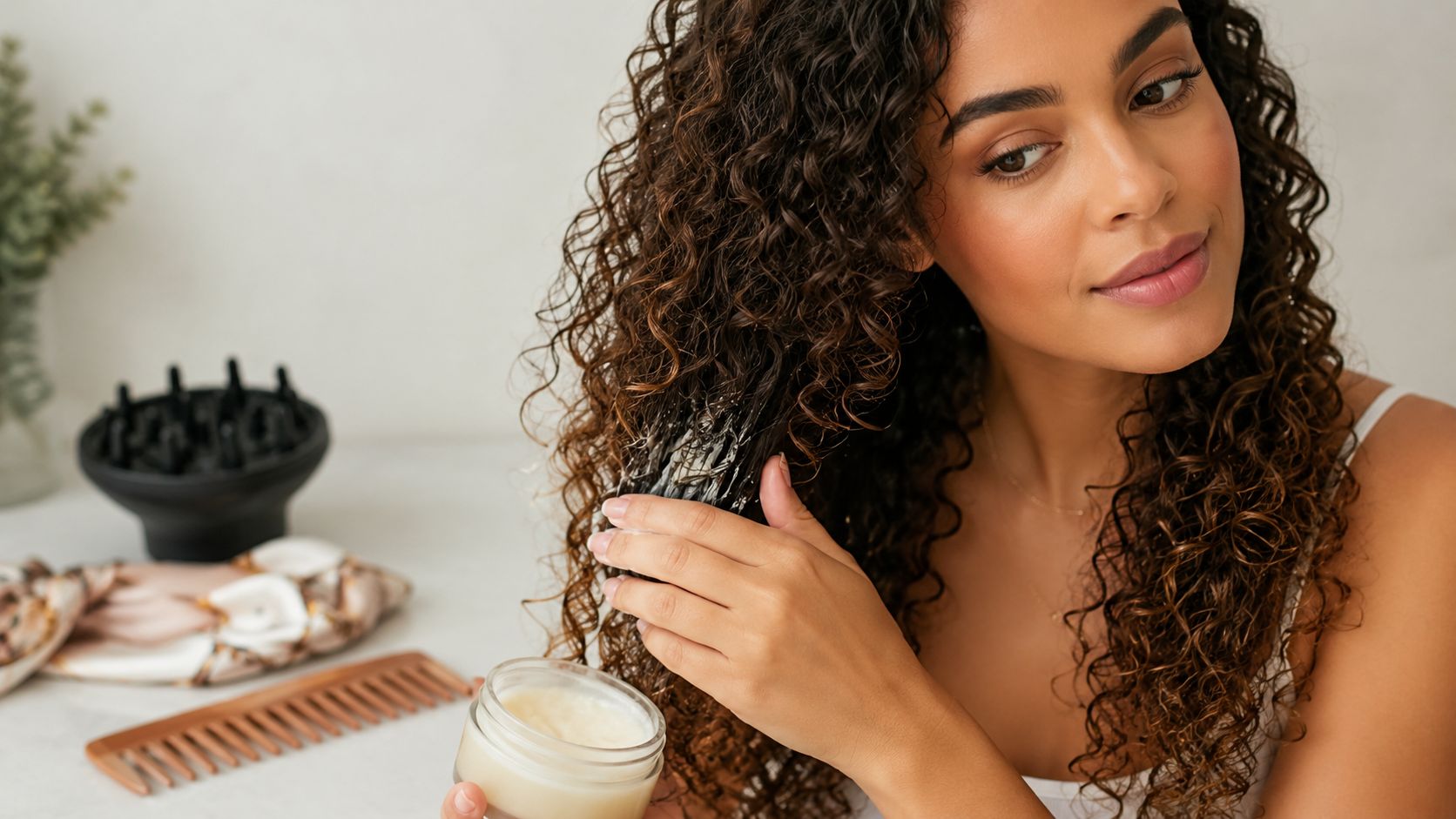
Detangle only when the hair is wet or damp, and use a wide-tooth comb instead of a fine brush. Start at the ends and work upward so you do not pull knots tighter. Apply leave-in or curl product while the hair is still wet or damp, since that is when the curl pattern takes product most evenly. For clients who want a gentle cleansing routine and better scalp support between washes, Buy Me Japan's Japanese hair products can be a practical place to look for lighter formulas that fit a perm-friendly routine.
Drying with the least friction
Air-drying is the gentlest option, and it is the one I reach for first with fresh perms. If you need to blow-dry, use a diffuser on low speed and low heat so the airflow does not blast the curl into frizz. All Things Hair also recommends using cool air when possible, which helps reduce heat stress on fragile strands.
Towel choice matters more than many people expect. A rough terrycloth towel can disturb the cuticle and widen the curl pattern, so a microfiber towel or cotton T-shirt is the better choice. Blot, do not rub. That small change can reduce frizz around the crown and ends right away.
Salon habit that helps: squeeze out water gently with a T-shirt, then let the curls sit before you touch them again.
If the scalp feels tight, dry, or irritated after styling, that is a good time to support scalp comfort before the next wash. Some clients also use the Barb N.P. LED Facial Mask for scalp wellness as part of a low-stress routine, alongside gentle cleansers and lightweight conditioners. It does not replace proper aftercare, but it can fit into a calm, practical routine while the curls settle.
Styling that keeps shape without stiffness
Style with restraint. A small amount of leave-in, curl cream, or foam is often enough, especially on fine hair that gets limp when too much product builds up. Porous hair usually needs more moisture and a softer hold, but the goal is still control, not coating. If the hair dries crunchy or sticky, the formula is too heavy.
Heat styling should stay secondary for most clients. If you must use it, keep the heat low and use it only to finish, not to reshape the entire pattern. Fresh permed hair usually looks best when you work with the curl it already has instead of trying to force a different one.
A little patience pays off here. Let the hair cool and settle before you separate curls or fluff the roots, because handling too soon can break the shape you just preserved.
Choosing Products Ingredients to Use and Avoid
Product choice after a perm should be about function, not fragrance or packaging. The best formulas support moisture retention, slip, and soft hold without coating the hair so heavily that curls lose bounce. A useful place to start is a sulfate-free cleanser, a hydrating conditioner, and a lightweight styling product that won't leave the ends sticky or stiff.

Ingredients that help curls hold shape
Look for glycerin, panthenol, and proteins when the hair feels dry or weak. Glycerin helps attract and hold moisture, panthenol supports softness and elasticity, and proteins can help reinforce hair structure. Those ingredients fit especially well in a perm routine because chemically treated curls often need more support than untreated hair.
The mistake is assuming more moisture always equals better results. That's not true for every head of hair. Fine or porous textures can get soft and droopy if the product is too rich, so weight matters as much as ingredients.
Ingredients to limit
Avoid sulfates when you want to keep the curl pattern hydrated, because harsh detergents can strip the oils that help curls stay flexible. Drying alcohols can leave the hair feeling stiff, and non-water-soluble silicones can build up and make the hair feel heavy over time. If a product feels slippery at first but leaves the curls flat after a few uses, the formula may be too coating for your texture.
For people who want a broader shopping reference, Buy Me Japan's Japanese hair products is a useful place to compare gentler shampoo and conditioner styles before choosing a routine. Product labels matter more than brand hype, so scan the ingredient list and think about how the formula will behave on your own curl density.
A separate resource on strengthening hair follicles can also help if your hair already feels fragile before or after a chemical service, because weak roots and brittle lengths often need different types of support. That's especially relevant when you're choosing between a lightweight cleanser and a richer repair mask.
Weekly and Monthly Maintenance Schedule
A perm holds up better when care becomes routine. The rhythm should stay simple enough to repeat, with wash days spaced out to avoid stripping the hair, regular moisture support to keep curls flexible, and deeper conditioning built into the week instead of added only when the hair already feels dry. Fine or porous hair usually needs that schedule adjusted with a lighter hand, because too much richness can weigh down the shape even when the hair still feels thirsty.
A practical calendar for real life
| Timeframe | Action | Recommended Barb N.P. Product |
|---|---|---|
| Weekly | Deep condition or use a moisture mask | Barb N.P. Repair Hair Mask |
| Every wash day | Use a sulfate-free cleanser and hydrating conditioner | Barb N.P. Curl Defining Shampoo and Conditioner |
| Monthly | Check ends and refresh curl shape with a light styling mist or gel | Barb N.P. Curl Defining Styler |
| When hair feels weak | Support the broader hair routine with internal care guidance | hair growth supplement guidance |
Building habits that hold up
Fine hair usually does better with shorter conditioning time and lighter product layers, while drier lengths can handle a richer mask without losing bounce. That balance matters more than trying to treat every perm the same way. If the roots get oily faster than the ends, keep the scalp area cleaner and place heavier product only from mid-length to ends.
A helpful seasonal comparison comes from caring for male hair in winter, because cold, dry weather exposes the same moisture loss and friction that make permed hair harder to manage. Dry air, indoor heat, and rough handling all flatten structure faster than most clients expect, especially if the hair is already porous.
Scalp care can also support the routine when the goal is cleaner, calmer maintenance between wash days. I like pairing that with a steady product plan and, for clients who want extra wellness support at home, the Barb N.P. LED Facial Mask can be used as part of a broader self-care routine that keeps scalp care on your radar without adding weight to the hair itself. A perm does best with a few products used consistently, not a crowded shelf of formulas competing with each other.
Troubleshooting Common Perm Problems
When curls start dropping, the first instinct is usually to add more product. That's not always the fix. Fine or porous hair after a perm often needs balanced moisture so the curls stay soft without going flat, and many generic aftercare guides skip the part where product weight and wash frequency need to change for lighter densities (Somi Hair Korean Salon JB).
If curls droop by midweek
If your curls look softer than you want, switch to a lighter conditioner and cut back on heavy creams. A porous texture may need moisture, but a fine texture can collapse if the formula is too rich. I'd rather see someone use a smaller amount of a lighter product than bury the curl under layers that turn spring into string.
If frizz shows up at the crown
Frizz at the top usually points to friction, rough drying, or inconsistent moisture. Use a microfiber towel, stop rubbing the hair after washing, and add a leave-in while the hair is still damp. If the ends are smooth but the surface is fuzzy, the issue is often mechanical, not just product-related.
If breakage appears at the ends
Breakage needs a more conservative approach. Reduce heat, detangle only when the hair is damp, and keep styles loose so the curl isn't being tugged all day. If the hair was bleached or frequently colored before the perm, go even softer with the routine and pay attention to how much strength versus moisture the hair needs.
Best adjustment: treat limpness, frizz, and breakage as different problems. They rarely need the same fix.
Conclusion and When to Consult a Pro
Good hair care after perm doesn't end at the salon door. It's a mix of patience in the first 48 to 72 hours, careful washing after that, and a maintenance rhythm that respects your hair's density, porosity, and previous color history. If you follow the curl pattern instead of fighting it, the style usually stays cleaner-looking for longer.
Some problems need a pro. Persistent breakage, scalp irritation, or uneven curl formation are signs to book a stylist for a trim or correction, and deeper damage may need more specialized evaluation. If you're also thinking about broader scalp or hair-restoration support, the overview on PRP treatment for hair is a useful starting point for understanding when in-office care makes sense.
Bring notes to your next appointment, including what you washed with, how often you used heat, and which products made the curls feel heavy or dry. That gives your stylist a better starting point than guessing. And if you're ready to build a routine with products and device-based support in one place, visit BotoxBarb to shop curated hair and wellness essentials that fit a more disciplined aftercare plan.