How to Get Rid of Vertical Lip Lines: Expert Solutions For
You catch it in the mirror first. Maybe it's lipstick feathering above the upper lip, maybe it's a few faint vertical lines that seem to show up in every bathroom light, or maybe the lines are there even when your mouth is resting. A single wrinkle isn't usually the core issue. Instead, the rapidity with which the lip area can begin to appear older than the rest of the face often causes concern.
That's why knowing how to get rid of vertical lip lines starts with a realistic plan. Some changes belong to skincare, some belong to devices you can use at home, and some need a trained injector or resurfacing specialist. The best results usually come from combining those layers instead of expecting one cream or one syringe to do everything.
Why Lip Lines Form and What Is Truly Possible

Vertical lip lines usually begin as movement lines. The muscle around the mouth contracts when you talk, sip, smile, or purse your lips. Over time, the skin above the lip loses support, and those repeated folds stop bouncing back as easily.
Age makes that process more obvious. The lip area loses collagen, elastin, and soft tissue support. Sun exposure and smoking speed that up, which is why some people develop etched lines earlier and more visibly than others.
This is an important point to understand early. Vertical lip lines are not something you permanently erase with home remedies. The Cleveland Clinic states that these lines “last forever” and can't be fully eradicated, although cosmetic treatment can improve how they look. The same source also notes that studies on neuromodulators reported 100% improvement with high patient satisfaction for treated vertical lip lines in the available data, which is encouraging when the goal is softening and control rather than perfection (Cleveland Clinic guidance on lip lines).
Clinical perspective: The goal isn't to make the mouth area look frozen or overfilled. The goal is to make the lines look softer, the skin look healthier, and the lips still look like you.
That distinction matters. Fine early lines can often be improved with prevention-focused care. Lines visible at rest usually need a procedural approach. Deep, etched creases often require more than one treatment type because the problem isn't just surface texture. It's muscle movement, skin quality, and structural support.
If you're trying to improve the area naturally, support collagen production first and stay consistent. A good starting point is learning how to boost collagen production naturally, then pairing that with daily lip-area protection and realistic expectations.
What actually causes them
- Repetitive mouth movement keeps folding the same skin in the same place.
- Collagen and elastin loss reduce skin resilience.
- Volume loss around the mouth makes creases look sharper.
- Sun and smoking exposure accelerate visible aging in one of the thinnest facial zones.
Your Daily Defense A Proactive Skincare and Lifestyle Plan
If the lines are just starting, daily care matters more than people think. It won't replace an in-office treatment when lines are prominently set, but it can slow progression, improve skin quality, and help every future treatment work better and last better.
The skin around the lips is especially vulnerable to UV damage and smoking-related collagen loss. A skincare-first routine built around retinoids, peptides, vitamin C, and daily broad-spectrum SPF is a key part of early prevention and early intervention, especially before lines become etched (Lazaderm on lip line causes and prevention).
Build the routine around function
Start with ingredients that support the tissue.
- Retinoids at night help improve turnover and support collagen-focused skin renewal. If you're new to retinoids, start slowly around the mouth because this area gets irritated fast.
- Vitamin C in the morning supports antioxidant defense, which is helpful in a high-movement area exposed to daily light and environmental stress.
- Peptides and barrier-supporting hydrators help keep the area supple, which can make fine lines look less crisp.
- Hyaluronic acid serums and moisturizers won't lift an etched crease, but they can reduce that dry, crepey look that makes lip lines stand out.
Medical-grade product options matter here because formula stability and delivery systems vary. In practice, clients often do well with respected professional brands such as SkinCeuticals for antioxidant and corrective support, especially when the goal is prevention plus texture improvement rather than a quick cosmetic trick.
SPF is not optional
Individuals often protect their cheeks and neglect the upper lip. That's a mistake. UV damage breaks down support in exactly the area where tiny movement lines turn into static creases.
A simple daily pattern works best:
- Apply broad-spectrum sunscreen every morning to the full face, including around the lips.
- Reapply if you're outdoors or spending time in a car with repeated sun exposure.
- Use a lip-safe protective product so the vermilion border and nearby skin don't get overlooked.
The upper lip ages fast when sunscreen stops at the nose.
Lifestyle changes that actually show on the face
You don't need a complicated wellness overhaul. You need a few habits that stop adding stress to the area.
Smoking and repeated pursing
Smoking is one of the clearest accelerators of lip lines because it combines repetitive pursing with tissue damage. If you smoke, quitting helps more than any single serum.
Hydration and irritation control
Dry, inflamed skin exaggerates texture. Keep the perioral area moisturized, avoid over-exfoliating, and don't stack too many strong actives at once.
Makeup choices
If lipstick is bleeding into lines, that's often a sign the area needs better skin prep or treatment support. A smoothing lip product and light hydration under makeup can help, but if the lines are visible without makeup, skincare alone usually won't fully solve the issue.
Advanced At-Home Treatments with LED Therapy
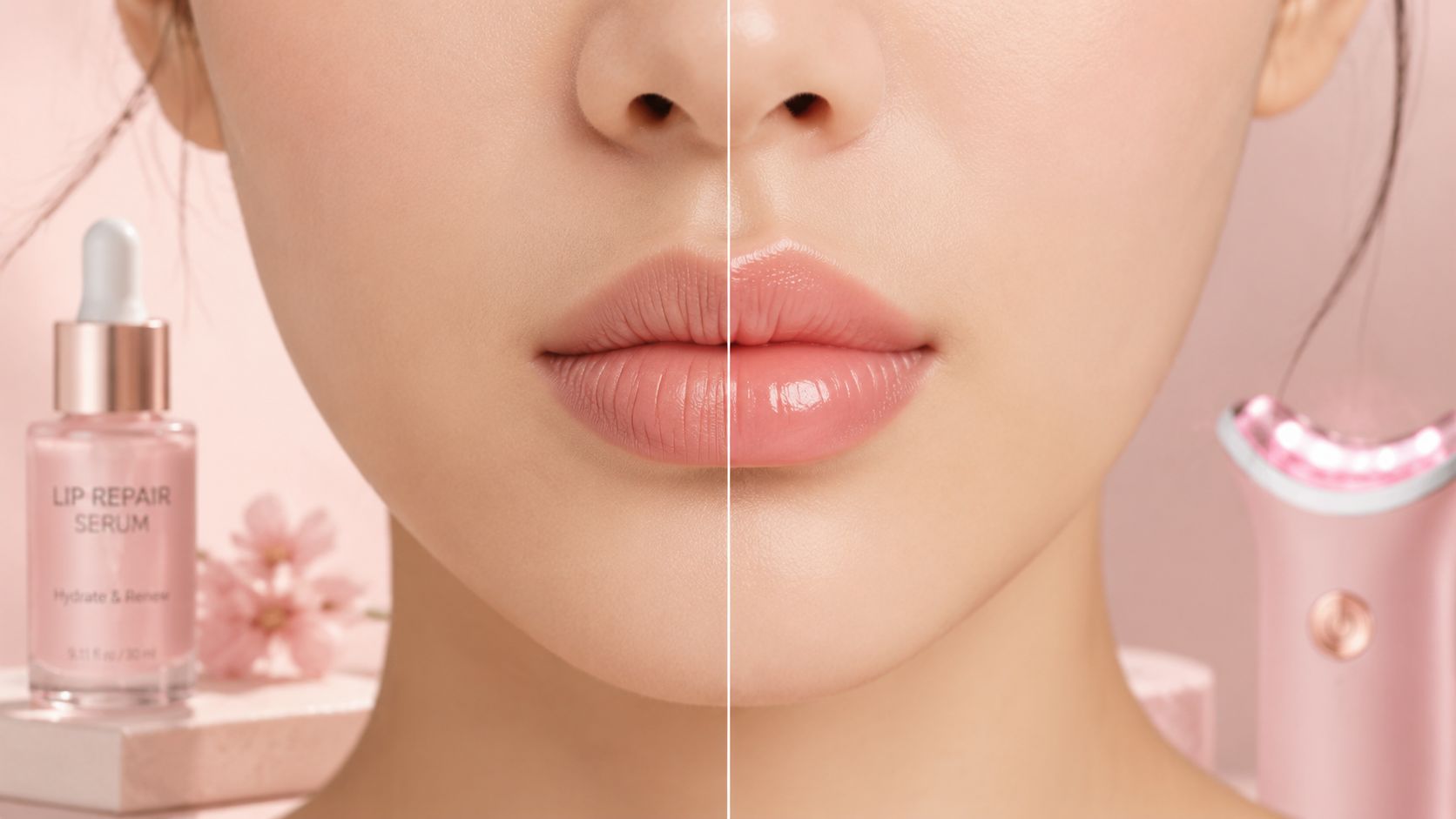
There's a big gap between basic skincare and in-office procedures. LED therapy sits right in that middle space. It's non-invasive, easy to maintain at home, and useful for people who want more than a serum but aren't ready for injectables or resurfacing.

Why LED makes sense for the lip area
Vertical lip lines are partly a structural issue, so anything that supports skin quality over time has value. LED therapy is useful because it adds a consistent, low-effort treatment layer without heat injury or downtime. It won't act like filler. It won't replace resurfacing for deep etched lines. But it can support firmness, recovery, and ongoing maintenance.
That's one reason I like LED as part of a long-term plan instead of a one-time fix mentality. If you want a broader overview of what this technology can do for skin health, this guide on the benefits of LED light therapy is a helpful primer.
The device features that matter
Not every at-home device gets used consistently. Convenience matters more than people admit.
The Barb N.P. Facial Mask stands out because it's designed for real-life use:
- Wireless design makes it easier to move around instead of being tied to a cord.
- Comfortable fit on the face matters because a clunky mask tends to end up in a drawer.
- Three lighting settings give it more flexibility for different skin goals instead of limiting you to a single treatment mode.
That combination is what makes a device worth recommending. A mask can have impressive specs, but if it's uncomfortable or inconvenient, it won't see sufficient use to become part of one's routine.
Where LED fits in a full treatment strategy
Use LED when you want to strengthen the foundation of your skin care plan.
It's a smart fit for people who:
- want added support for early signs of aging,
- are maintaining results between professional appointments,
- or prefer gentle, non-invasive options before moving to needles or resurfacing.
Good home care should make office treatments work better, not compete with them.
The best candidates for LED are consistent users. You don't need to chase dramatic overnight change. You want gradual support, better skin behavior, and a routine you'll keep.
Comparing Professional Treatments for Vertical Lip Lines
You see it in the mirror first. The lines stay put even when your mouth is relaxed, and lipstick starts catching in the upper lip instead of gliding over it. At that point, home care still matters, but the visible change usually comes from choosing the right in-office treatment and using it with restraint.
The part many patients miss is that vertical lip lines are not all the same. Some are caused mainly by repeated puckering. Some reflect volume loss and thinning around the lip border. Others are etched into the skin from collagen loss and sun damage. A good treatment plan starts by identifying which of those is driving the problem, because each procedure solves a different piece of it.
Explore effective in-office procedures for reducing vertical lip lines, comparing key features, benefits, and considerations.

Neurotoxins for movement-driven lines
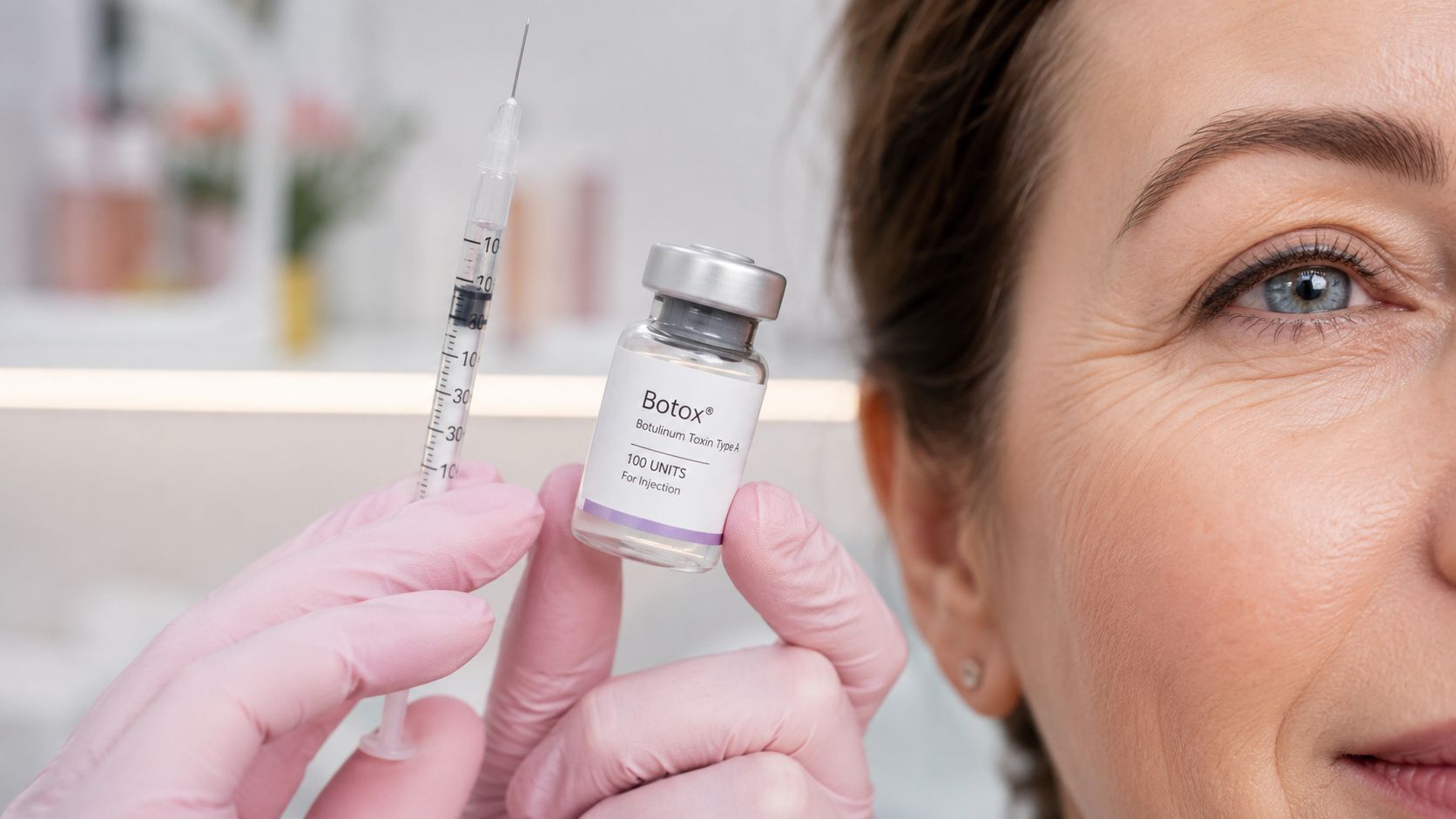
Botox and similar neuromodulators work best for lines that form from repeated contraction of the orbicularis oris muscle. In carefully selected patients, very small doses can soften puckering and reduce the folding that keeps creasing the skin.
A review from Dermatology Times describes micro-dose treatment for vertical lip lines using very conservative placement, with results assessed after a few weeks and repeat treatment often needed several months later. The same review notes that neuromodulators can improve movement-related lines well, but they are usually incomplete treatment for deeper static creases (Dermatology Times on micro-dose neuromodulators for lip lines).
This area has little margin for error. If the dose is too strong or placed poorly, patients can notice changes in speech, sipping, whistling, or using a straw. I tell patients the goal is softening, not freezing.
Fillers for structural support
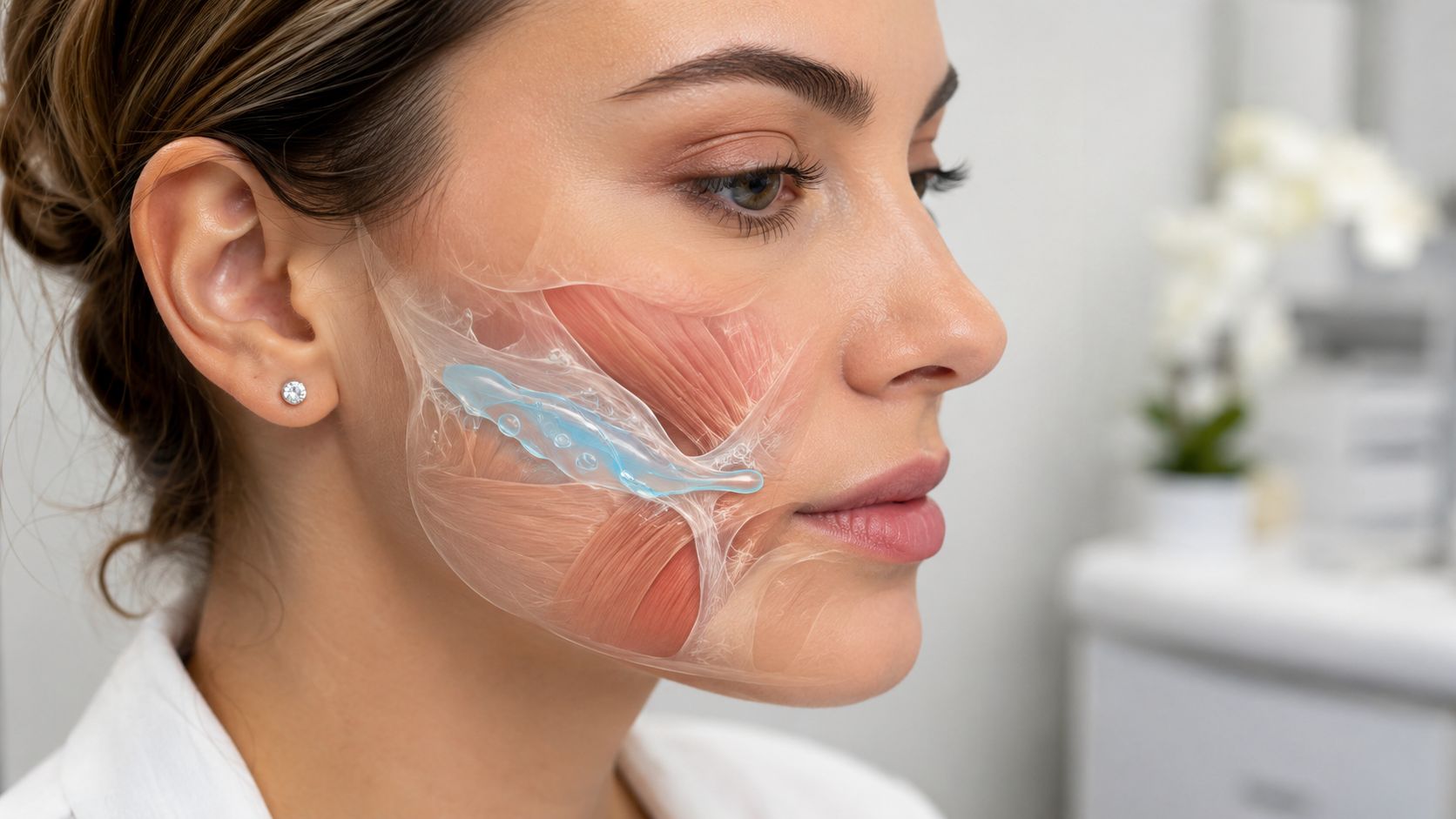
Hyaluronic acid filler helps when the skin above the lip has lost support and the vermilion border looks less defined. Used well, filler can soften etched lines and support the area without making the mouth look overfilled. Results are visible right away, and longevity is often measured in months rather than weeks (Coastal Dermatology on hyaluronic acid filler longevity for lip lines).
Technique decides whether filler looks elegant or obvious. Educational guidance from facial plastic surgery sources warns against repeatedly stacking product vertically into each line, because that can create a puffy or irregular result. A more conservative approach uses small amounts placed to support the lip border and the tissue around it instead of chasing every crease directly (Dr. Amir Karam's discussion of lip line filler technique).
If you want a good patient-facing overview of dermal fillers for lips, that resource helps explain how lip-area filler can be used conservatively rather than for obvious volume.
In the upper lip area, subtle correction usually ages better than aggressive correction.
Microneedling and RF microneedling for collagen support
Microneedling is useful for early to moderate lip lines, especially in patients who want skin remodeling without adding volume or weakening muscle movement. It creates controlled injury in the skin, which prompts collagen production over time. The American Academy of Dermatology notes that microneedling can improve fine lines and texture, with results building gradually through a treatment series rather than appearing all at once (American Academy of Dermatology on microneedling).
Radiofrequency microneedling adds heat to that same collagen-stimulation process. That usually gives a stronger tightening and remodeling effect than standard microneedling alone, but it also means more cost, more inflammation, and a greater need for proper settings in darker skin tones. In practice, I consider it a middle-ground option for patients with more visible creasing who are not ready for resurfacing and do not want filler as their main treatment.
Lasers and peels for etched static lines
For lines that are sharply etched at rest, resurfacing usually produces the biggest texture change. Laser resurfacing targets the damaged surface and stimulates new collagen as the skin heals. Dr. Davin Lim describes upper lip laser resurfacing as one of the strongest options for static lip lines, particularly when the problem is textural and long-standing rather than purely muscular (Dr. Davin Lim on upper lip laser resurfacing).
Deep chemical peels can also help in the right patient, though they require careful skin selection and a realistic discussion about downtime and pigment risk. These are not lunchtime procedures. They can be very effective, but recovery, redness, and aftercare are part of the treatment.
Professional Lip Line Treatment Comparison
| Treatment | How It Works | Best For | Results Timeline | Longevity |
|---|---|---|---|---|
| Neurotoxin | Relaxes orbicularis oris movement | Dynamic lines from pursing | Gradual effect after treatment | Maintenance needed periodically |
| Hyaluronic acid filler | Restores support and softens creases | Lines with volume loss and structural collapse | Immediate | Often several months |
| Microneedling or RF microneedling | Stimulates collagen and elastin | Early to moderate lines | Gradual | Varies by skin and treatment plan |
| Laser resurfacing or deep peel | Resurfaces skin and tightens texture | Deep static etched lines | Healing first, then progressive improvement | Longer-lasting than injectables, but not permanent |
Patients often ask whether filler or Botox is better. They answer different problems. If you want a side-by-side explanation of those categories, this breakdown of dermal fillers vs Botox is worth reading before a consultation.
Building Your Treatment Plan and Ensuring Great Results
The right time to seek professional help is usually obvious once you know what to look for. If the lines show when your face is relaxed, if lipstick keeps migrating into the upper lip area, or if skincare has plateaued, it's time for an in-office assessment.

Match the treatment to the line
A good plan starts with a simple question. Are the lines mostly caused by movement, by structural loss, by surface damage, or by all three?
That's why combination treatment so often wins. For established vertical lip lines, ablative lasers or deep peels combined with conservative filler restoration have shown 90 to 100% patient satisfaction in reported studies, because they address both texture and the underlying support problem (Explore Plastic Surgery on combination therapy for upper lip lines).
A practical treatment sequence
In clinic, this often looks like layering rather than choosing a single hero treatment.
- If movement is the main issue, start with a conservative neuromodulator approach.
- If the area looks deflated, add careful structural filler support.
- If the skin itself is etched and crepey, use resurfacing or collagen-stimulating treatment to improve texture.
- If the lines are advanced, combine two or more of those instead of expecting one appointment to fix everything.
This approach protects natural movement and avoids the common mistake of trying to force a dramatic result from one modality.
Established lip lines usually improve best when muscle, structure, and surface texture are treated as separate problems.
Aftercare is part of the result
Good outcomes don't end when the appointment ends. The lip area moves all day, so healing support matters.
Keep aftercare simple and strict:
- Use daily broad-spectrum SPF once the skin is ready for it.
- Stick to gentle skincare after procedures unless your provider tells you otherwise.
- Avoid picking, rubbing, or over-exfoliating healing skin.
- Keep the area hydrated so the skin barrier stays calm.
- Return for maintenance when needed because aging continues even after a great result.
That's how you protect both the investment and the appearance.
Frequently Asked Questions About Lip Line Treatments
Do lip line treatments hurt
Most lip line treatments are tolerable, but they do not all feel the same. Injectables tend to feel like brief pinches. Many providers use topical numbing, vibration tools, ice, or other comfort measures to make the appointment easier.
Microneedling is also usually manageable with numbing cream in place. It works by creating controlled microchannels in the skin, which stimulates wound-healing pathways and supports new collagen formation over time (American Academy of Dermatology on microneedling).
Laser resurfacing and medium to deep peels usually create more heat, stinging, and downtime than injectables or microneedling. For those treatments, I discuss comfort planning and recovery just as carefully as I discuss the result.
Will treating lip lines make my lips look bigger
Treating lip lines does not have to increase lip volume. The goal can be softening the skin around the mouth, improving support at the border, or reducing the pull that keeps folding the area.
This is a common concern in consultation, and it should shape the plan from the start. If fuller lips are not your goal, product selection, dose, depth, and placement should stay conservative.
What's the best treatment if I want natural results
Natural results usually come from restraint and from matching the treatment to the problem. Fine early lines may improve with skincare, LED support, neuromodulator, or microneedling. Deeper etched lines often need a combination approach because movement, volume loss, and surface texture are separate issues.
The best outcome is usually subtle. The mouth looks smoother, lipstick behaves better, and nothing looks stiff or overfilled.
How much does treatment cost
Price depends on the treatment selected, the severity of the lines, the number of sessions needed, and whether combination treatment makes sense. A single syringe, a resurfacing session, and a collagen-stimulating series are priced very differently.
An in-person assessment is the only reliable way to quote this area well. I need to see what the lips do at rest, how strongly the orbicularis oris is firing, how much structural support is missing, and how much of the problem is skin texture.
How long do results last
Duration varies by treatment category and by your own habits. Injectables usually require maintenance. Collagen-stimulating treatments can improve texture for longer, but they still do not stop ongoing aging, sun exposure, or repetitive mouth movement.
If you want broader context before booking, this discussion on understanding lip issues and treatments gives a helpful overview of how clinicians assess the mouth area.
Can I fix vertical lip lines with skincare alone
Skincare helps most when lines are still fine and shallow. It can improve hydration, support collagen, protect the barrier, and slow progression, especially if you use daily sunscreen, a retinoid if tolerated, and targeted growth factor or peptide products consistently.
Once lines are visible at rest and etched into the skin, home care becomes support rather than correction. That is where I like an integrated plan. Medical-grade skincare and LED therapy help maintain skin quality, improve healing, and protect the result, while in-clinic treatment addresses the deeper structural and textural changes skincare cannot reverse on its own.
If you're ready for a smarter plan for vertical lip lines, explore the curated treatment and skincare options at BotoxBarb. You'll find professional aesthetic services, medical-grade skincare, and the Barb N.P. Facial Mask, a wireless LED device with a comfortable fit and 3 lighting settings that fits beautifully into a long-term skin maintenance routine.