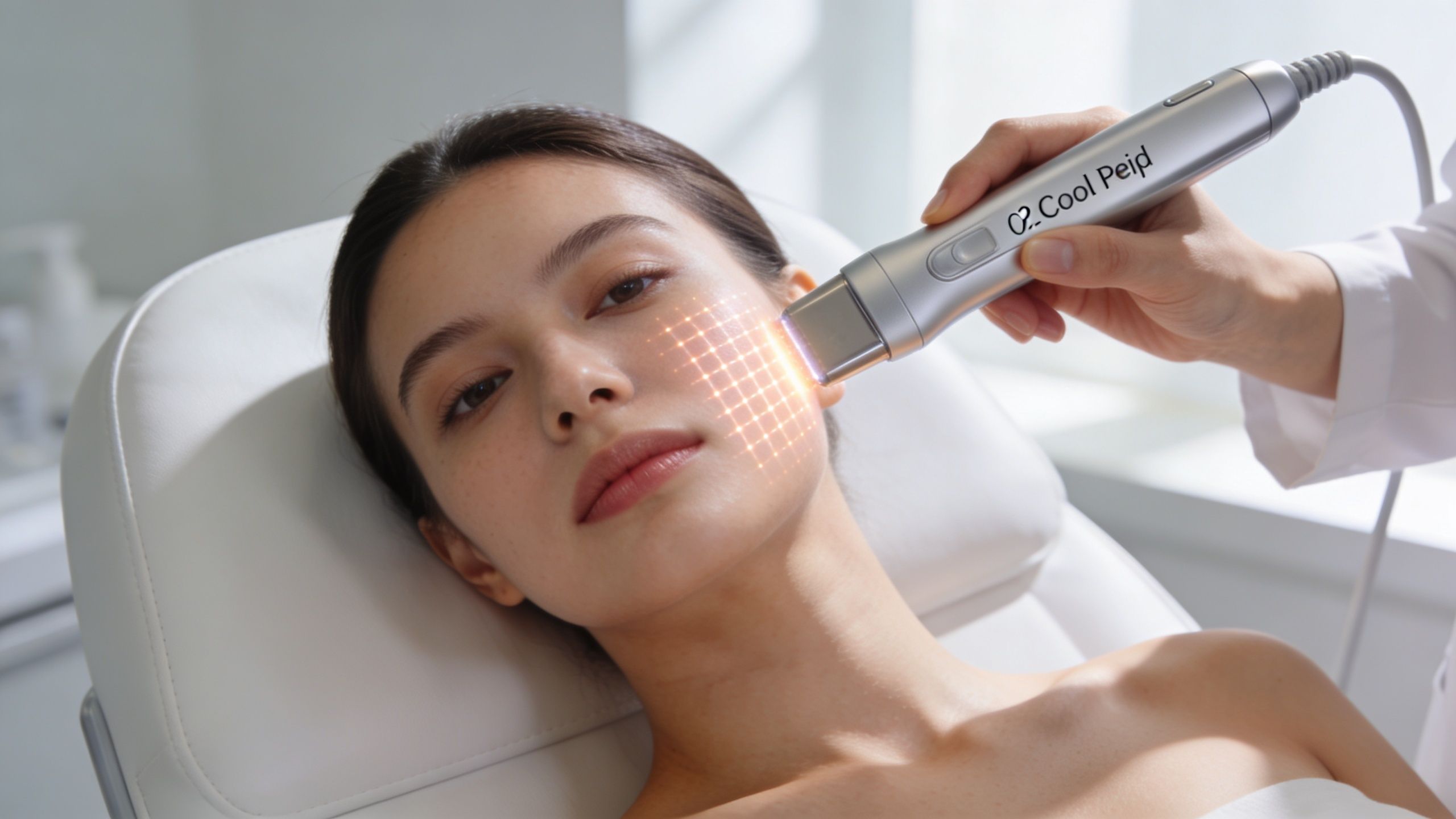
Choosing: micro needling vs fraxel – 2026 Expert Guide
You’re standing in front of the mirror, turning your face slightly toward the light. Maybe it’s old acne marks that still catch your eye. Maybe it’s the fine lines that look deeper when your skin feels tired. Maybe your skin just doesn’t look as bright or smooth as it once did. Then you start researching, and suddenly you’re comparing clinical terms that sound similar but lead to very different experiences.
That’s where a lot of patients get stuck with micro needling vs fraxel. Both are collagen-stimulating resurfacing treatments. Both can improve skin tone and texture. But they don’t fit the same patient, the same skin tone, or the same lifestyle. Choosing well matters because the right treatment can move your skin forward steadily, while the wrong one can create more downtime, more irritation, or more risk than you bargained for.
Choosing Your Path to Radiant Skin
A patient might come in saying, “I want fresher skin, but I can’t disappear for a week,” or “I’ve heard lasers are stronger, but I’m worried about pigment.” Those are smart concerns. The decision isn’t about picking the most aggressive option. It’s about matching the treatment to your skin history, your daily schedule, and the kind of result you’re after.
In practice, I look at this choice the same way I look at most aesthetic planning. I don’t start with the device. I start with the person. Someone with mild textural change, enlarged pores, and a busy work calendar usually needs a different approach from someone with deeper acne scarring and more tolerance for recovery.
That’s also why skin support outside the treatment room matters. Patients who understand healing, inflammation, and light-based recovery tools usually do better over time. If you want a solid overview of how red light therapy fits into wellness and recovery, MedEq Fitness wellness insights offer useful context in plain language.
Here’s the short version. Microneedling is often the gentler, more flexible choice. Fraxel is often the stronger resurfacing choice for deeper damage. Neither is universally “better.” The better treatment is the one your skin can benefit from safely and realistically.
How Microneedling and Fraxel Resurface Your Skin
The most important difference between these treatments is how they create repair. They both stimulate collagen through controlled injury, but the type of injury is not the same.

How microneedling works
Microneedling uses very fine needles to create tiny punctures in the skin. Those micro-injuries tell the body to begin a repair response, which includes new collagen production. The process is mechanical, not light-based.
Think of it as a controlled reminder to the skin to rebuild. The surface is interrupted in a deliberate, measured way, but without relying on laser heat. That difference matters, especially when I’m treating patients who want rejuvenation with a more conservative recovery profile.
Standard microneedling is best understood as a collagen induction treatment. It’s often a strong fit for mild texture, early fine lines, and pores. If you want a broader background on how professional needling works and where it fits in a skin plan, this comprehensive microneedling guide is a helpful companion read.
How Fraxel works
Fraxel is a fractional non-ablative laser. Instead of needles, it delivers laser energy in a fractional pattern. That means it treats microscopic columns of skin while leaving surrounding tissue intact, which helps healing move faster than older resurfacing approaches.
Fraxel reaches deeper than standard microneedling and can target both upper and lower skin layers. One referenced overview notes penetration to around 1.7 mm and explains that Fraxel uses two wavelengths for concerns including acne scars, wrinkles, dyschromia, lentigo, and actinic keratosis, according to Dr. Sanders’ microneedling vs Fraxel review.
How the technology evolved
Fraxel changed aesthetic dermatology when fractional laser resurfacing gained FDA approval in 2004 for resurfacing, while newer microneedling platforms expanded the category by adding radiofrequency for deeper treatment options, according to this RF microneedling vs Fraxel overview. That matters because “microneedling” no longer means one thing.
Clinical distinction: Standard microneedling is mechanical collagen stimulation. Fraxel is fractional thermal resurfacing. RF microneedling sits in between by combining puncture channels with heat delivered through the needles.
RF microneedling widened the conversation because it can go deeper than standard microneedling and can address tightening in a way classic microneedling cannot. In the same source, radiofrequency-enhanced devices are described as capable of deeper applications, including subdermal fat reduction up to 7 to 8 mm, which Fraxel does not provide.
That’s why patients sometimes get conflicting advice online. They’re comparing one laser to three different needling categories without realizing it.
The Ultimate Comparison Microneedling vs Fraxel
A common consult goes like this: someone wants smoother skin, less visible acne scarring, and a fresher overall look, but they also have work on Monday, a wedding in three weeks, or a history of post-inflammatory hyperpigmentation. In that setting, the right treatment is not the strongest one on paper. It is the one that matches the skin, the goal, and the recovery window.
Here’s the visual summary first.

Microneedling vs Fraxel at a glance
| Feature | Microneedling | Fraxel Laser |
|---|---|---|
| Mechanism | Fine needles create controlled micro-injuries that trigger collagen repair | Fractional laser energy creates microscopic thermal treatment zones |
| Treatment depth | More superficial to mid-level resurfacing | Deeper resurfacing that reaches more damaged layers |
| Downtime | Usually a shorter recovery period, often with mild redness that settles quickly, as noted earlier | More visible healing with redness, swelling, and flaking that can last longer |
| Best for | Mild texture issues, pores, early rejuvenation, lower-downtime collagen support | Deeper acne scars, more significant sun damage, more dramatic resurfacing |
| Skin type flexibility | Broadly suitable, especially useful when pigment risk is a concern | Requires more caution in darker skin tones |
| Session pattern | Often done as a series for gradual improvement | Often produces a more dramatic change per session |
| Recovery experience | Often described as a sunburn-like look with quicker return to routine | More visible recovery and stricter post-treatment sun protection |
What actually separates them in practice
The biggest difference is not the device name. It is the amount of injury the skin has to process.
Microneedling creates controlled channels and asks the skin to repair itself with relatively limited surface disruption. Fraxel creates fractional thermal injury, which usually means a stronger result per session and a more obvious healing phase. In clinic, that trade-off matters more than marketing language.
For mild texture, early fine lines, and enlarged pores, microneedling often gives enough stimulation without pushing the skin into a recovery period the patient will resent. For deeper acne scars, established sun damage, and texture that has not responded to gentler options, Fraxel often earns its place.
Downtime means medical downtime and social downtime
Patients usually ask about the calendar first. I ask about real life.
Can you avoid direct sun? Will you be exercising outdoors? Do you have a history of pigment rebound after irritation? Are you comfortable being visibly red or flaky for several days? Those answers often point to the safer plan faster than the before-and-after photos do.
Microneedling usually fits people who want collagen support with less interruption. The previously mentioned review notes a shorter recovery period and a lower risk profile for issues such as post-inflammatory hyperpigmentation than Fraxel. That point matters even more in skin of color, where one overly aggressive treatment can create months of unwanted pigment.
Fraxel recovery is more demanding. Redness, swelling, and flaking are expected, and strict sun protection is part of the treatment, not an optional extra. If a patient cannot realistically protect healing skin from UV exposure, heat, and friction, I usually reconsider timing or choose a less aggressive route.
The best resurfacing plan is the one the patient can heal from well.
Results timeline and session strategy
Fraxel often makes more sense when the goal is stronger correction in fewer sessions. Standard microneedling usually works as a series and improves skin in steps.
That does not make microneedling the lesser option. It makes it better suited to patients who want progress with less visible recovery, especially those early in their aesthetic plan. I often prefer that approach for patients who are cautious, pigment-prone, or trying to improve texture while keeping their routine steady.
Expert commentary from Dr Aesthetica’s clinical comparison also draws a clear line here. Fraxel is positioned more toward advanced concerns such as deeper acne scars, while standard microneedling is better aligned with mild texture and pores.
Pain, intensity, and what recovery feels like
Both treatments usually involve topical numbing, but patients experience them differently afterward.
Microneedling tends to leave skin feeling warm, tight, and dry for a short period. Fraxel usually feels more intense because heat is part of the mechanism, and the skin often looks rougher and more inflamed during recovery. That distinction matters for patient satisfaction. A treatment can be clinically effective and still be the wrong choice if the recovery does not fit the patient’s tolerance.
Cost is really a planning question
Per-session pricing does not tell the full story. The useful question is what you are buying over the full course of treatment.
Microneedling is usually easier on the budget per visit, but it is commonly done in a series. Fraxel costs more upfront, though some patients need fewer sessions to get meaningful correction, as noted earlier from the same source. In practice, value comes down to fit. If you need deeper resurfacing, a lower-cost treatment repeated many times may not be the better buy. If your concerns are mild and your schedule is tight, paying for laser intensity you do not need is not efficient either.
Who I caution before choosing Fraxel
I am careful with Fraxel in patients with darker skin tones, recent tanning, melasma tendencies, or a history of post-treatment pigmentation. That does not mean laser is off the table. It means pretreatment, settings, timing, and aftercare have to be chosen with more discipline.
For readers comparing laser resurfacing choices more broadly, this Fraxel vs CO2 laser comparison helps place Fraxel in the larger resurfacing spectrum.
A simple rule serves patients well. Choose the least aggressive treatment that can still solve the problem in front of you.
Key Indications Which Treatment for Which Concern
A patient in my chair asking about pores needs a different plan than someone trying to soften deep boxcar scars before a wedding or a job interview. Device names matter less than matching the treatment to the pattern, depth, and behavior of the problem.

Fine lines and early texture change
For skin that looks a little dull, crepey, or uneven, standard microneedling is often the better starting point. It stimulates collagen with less disruption to the surface, which usually means an easier recovery and better treatment adherence.
That matters more than patients expect.
If the goal is freshening the skin rather than correcting years of accumulated damage, microneedling often gives enough improvement without committing the patient to laser downtime. It also works well for patients who are new to resurfacing and want to see how their skin heals before stepping into something more aggressive.
Enlarged pores and mild acne marks
Microneedling usually fits this category well. Shallow acne marks, post-inflammatory roughness, and visible pores respond best when the skin needs remodeling, not heavy resurfacing.
In practice, I look at whether the scar is broad and superficial or deep and tethered. If makeup sits unevenly, the skin feels rough, and the texture is mild, microneedling is usually a reasonable first move. If the skin has true depressions with sharper edges, expectations need to shift because a lighter treatment may improve the surface without changing the scar enough.
Deep acne scars and more advanced textural damage
Fraxel becomes more useful once scars move beyond surface irregularity. Deep acne scarring often needs stronger remodeling, and laser resurfacing can reach that level more efficiently than standard microneedling.
When working with patients, I become specific about treatments. Rolling scars, boxcar scars, and long-standing textural damage rarely respond well to a gentle plan alone. Fraxel is often chosen because it can produce more visible change in established scarring over fewer sessions, as noted earlier. The trade-off is recovery, heat, and a narrower margin for error in pigment-prone skin.
Skin laxity and scars that need more depth
RF microneedling sits in a useful middle lane. It is not interchangeable with standard microneedling because the added radiofrequency delivers heat below the surface, which can improve both texture and early laxity.
That combination matters on the lower face, jawline, and acne-scarred cheeks.
For patients who want more correction than standard needling can usually provide, but are hesitant about a laser-first plan, RF microneedling is often the more practical comparison. In the right patient, it can compete well with Fraxel for scar remodeling while also giving some tightening support that standard microneedling does not offer.
A better real-world question is often RF microneedling versus Fraxel, not standard microneedling versus Fraxel.
Pigment and sun damage
Fraxel is often attractive for mixed sun damage, rough texture, and blotchy discoloration, especially in lighter skin tones that tolerate laser heat more predictably. It can be a strong reset treatment when the concern is diffuse photodamage rather than just isolated pores or mild roughness.
I slow down when pigment is part of the story. In melanin-rich skin, melasma-prone skin, or anyone with a history of post-inflammatory hyperpigmentation, speed is not the only goal. A more conservative plan often protects the result better. Sometimes that means starting with microneedling, topical pigment control, and disciplined sun avoidance before deciding whether laser belongs later in the plan.
A practical way to match the treatment to the concern
- Choose standard microneedling for early texture change, visible pores, mild acne marks, and patients who want collagen support with lighter downtime.
- Consider Fraxel for deeper acne scarring, more established sun damage, and textural change that needs stronger resurfacing.
- Consider RF microneedling when scars and mild laxity show up together, or when more depth is needed without jumping straight to Fraxel.
The best choice is the one that fits the concern, the skin’s pigment behavior, and the patient’s tolerance for recovery. That is how good outcomes stay good months later, not just on day one.
Ideal Candidates and Skin Type Considerations
The safest treatment plan is the one that respects your biology, not just your wishlist. Consequently, skin tone, inflammatory tendency, and lifestyle often matter more than the device brochure.

Skin of color deserves a more careful lens
Patients with skin of color are often given oversimplified advice. Either they’re told all lasers are unsafe, which isn’t true, or they’re pushed toward aggressive resurfacing without enough discussion of pigment behavior, which also isn’t right.
For this group, microneedling is often the safer frontline choice because it avoids heat. One source states that microneedling presents a significantly lower risk of post-inflammatory hyperpigmentation for skin of color, while Fraxel carries a higher risk of uneven darkening, melasma, or rosacea flares in darker skin tones, according to Arizona Plastic Surgery Center’s overview.
That doesn’t mean Fraxel can never be used. It means the threshold for caution should be higher. Pre-treatment assessment matters more. Timing matters more. Aftercare matters more.
Who tends to do well with microneedling
Microneedling is often a strong fit for:
- Busy professionals who can’t take much visible downtime
- Patients with darker skin tones where heat-related pigment risk is a major concern
- People new to resurfacing who want a more measured starting point
- Patients focused on maintenance rather than dramatic correction
It’s also a useful treatment for people who prefer a gradual plan. Not everyone wants one intense event. Many patients do better with repeatable, lower-disruption care.
Who may be a stronger Fraxel candidate
Fraxel usually makes more sense when a patient has a clear reason to accept the trade-off. That often includes:
- Deeper acne scarring
- More significant photodamage
- A willingness to manage visible recovery
- The ability to be strict with sun protection during healing
If someone wants the strongest per-session resurfacing effect and has the skin profile and lifestyle to support it, Fraxel can be a very good tool.
I don’t choose resurfacing based only on what the skin needs. I also choose based on what the patient can recover from well.
Other factors I screen closely
Skin tone is only one part of candidacy. I also pay close attention to the pattern behind the concern.
Rosacea and reactive redness
Fraxel can trigger rosacea flares in some patients, especially when skin is already reactive. For redness-prone patients, I’m more conservative and slower to escalate.
Active acne or barrier disruption
If the skin is inflamed, irritated, or poorly controlled, I don’t rush into aggressive resurfacing. Repairing the barrier first usually creates a better outcome later.
Lifestyle realism
Some patients say they’re fine with downtime until they understand what that means in practice. Exercise, sun exposure, travel, events, makeup use, and work visibility all affect whether a treatment plan is realistic.
The mistake I try hardest to prevent
The biggest mistake isn’t always undertreating. It’s treating the right concern with the wrong intensity for that person. In aesthetic medicine, complications often begin where impatience meets energy-based treatment.
Beyond the Treatment Maximizing Your Results
A resurfacing procedure can start the change, but it doesn’t protect the result by itself. Skin that’s trying to remodel collagen still needs calm support, sun protection, and a home routine that doesn’t fight the healing process.
What matters right after treatment
Immediately after microneedling or Fraxel, I want patients thinking in simple terms. Protect. Hydrate. Don’t irritate.
That means avoiding harsh exfoliants, strong acids, and friction while the skin settles. It also means taking sun protection seriously. This is not the moment to experiment with active products or over-cleanse because the skin “feels rough.”
What improves the result over time
Maintenance is where many good treatments either hold beautifully or fade into inconsistency. The patients who do best usually commit to three basics:
- A daily antioxidant such as a medical-grade vitamin C serum when the skin is ready for it
- Broad-spectrum sunscreen used consistently, not just on beach days
- A barrier-supportive moisturizer that keeps inflammation and dryness from snowballing
For patients pairing collagen-focused procedures with regenerative support, microneedling with PRP is worth understanding because it often comes up in long-term treatment planning.
Where LED fits in
LED can be a smart addition because it supports a recovery-minded routine without adding mechanical or thermal stress. I especially like it for patients who want a consistent at-home habit between in-office visits.
A good LED device should be easy to use or patients won’t keep up with it. The features I like most are wireless design, comfortable fit on the face, and three light settings for different treatment goals. Those details matter because convenience is what turns a good device into a routine that gets used.
Home care shouldn’t compete with your treatment. It should make recovery smoother and maintenance easier.
What doesn’t work well
The fastest way to undermine resurfacing is to chase too many interventions at once. If you’ve just invested in controlled treatment, don’t pile on random peels, scrubs, aggressive retinoid use, or unvetted gadgets.
Consistency beats intensity here. The skin usually responds better to a disciplined, boring routine than to a crowded one.
Expert FAQs on Skin Resurfacing
How should I think about micro needling vs fraxel if I also get Botox or filler
I plan timing carefully. I don’t like stacking procedures casually just because the calendar allows it. The skin should have enough time to settle so swelling, irritation, or injection-site sensitivity doesn’t blur the recovery process. The exact sequence depends on what was done and where.
Can these treatments be used on the neck and chest
Yes, resurfacing discussions often extend beyond the face. The neck and chest can benefit, but they also tend to be less forgiving than facial skin. That means I’m more conservative with treatment intensity and even more attentive to aftercare, especially sun protection.
Is microneedling safer if I have darker skin
In many cases, yes. For patients with melanin-rich skin, I often start there because the lower heat burden makes it a safer frontline option when pigment change is a concern. That doesn’t replace a proper consultation, but it does shape the starting point.
What if I have rosacea
This requires judgment. Heat and inflammation can aggravate reactive skin, so I don’t default to stronger resurfacing if someone flushes easily or has a history of flare-ups. In those cases, the calmest effective option usually wins.
Can I combine treatments
Sometimes combination planning is useful, but only when it’s intentional. Different devices solve different layers of the problem. The mistake is assuming more procedures automatically mean better outcomes. Better outcomes come from sequencing well.
Which treatment gives the most dramatic result
Fraxel usually gives the stronger single-treatment resurfacing effect for deeper damage. Microneedling tends to give a steadier, lower-downtime progression. Patients often hear “dramatic” and assume that means “best,” but the best result is the one your skin can tolerate and maintain well.
What’s the most common reason patients choose microneedling instead of Fraxel
Usually it’s a combination of recovery time, pigment safety, and lifestyle. A treatment has to fit your real life. If it doesn’t, even a technically good plan can become the wrong plan.
If you’re weighing your next skin step and want practitioner-led guidance plus curated tools for maintenance, explore BotoxBarb. You’ll find in-clinic aesthetic options, medical-grade skincare, and wellness essentials, including LED light therapy support and expert-selected products designed to help you protect and extend your results.