Skin Care Acne: The Ultimate NP-Led Guide for 2026
You've probably done some version of this already. You buy a cleanser that promises to “dry out pimples,” then add a spot treatment, then a peeling serum, then another moisturizer because your skin suddenly feels tight, flaky, and still broken out. A few weeks later, you're frustrated, your bathroom counter is crowded, and your skin care acne routine feels like guesswork.
That pattern is common. Acne is stubborn, and the internet often makes it worse by pushing harsh routines, trend ingredients, and one-size-fits-all advice. What usually helps is a calmer, more clinical approach. Acne responds best when you understand what's happening in the pore, protect the skin barrier, and choose actives that match the type of breakout you're dealing with.
As a Nurse Practitioner, I look at acne in layers. I want to know whether your breakouts are mostly clogged pores, inflamed bumps, deeper cysts, hormonal flares, or irritation from products that are too aggressive. The right routine is rarely the longest one. It's the one you can follow consistently, without creating more inflammation than you're trying to treat.
Your Clear Skin Journey Starts Here
Skin care acne advice often sounds contradictory. One person tells you to exfoliate more. Another says your barrier is damaged. One product claims to “purge toxins.” Another says oils are the enemy. If you're confused, that doesn't mean you're failing. It means acne has several drivers, and each one needs a different response.
The reassuring part is that acne is treatable. It just usually improves in a sequence, not all at once. First, calm down irritation. Then keep pores clearer. Then reduce inflammation. Then decide whether over-the-counter care is enough or whether prescription help would make the process faster and safer.
Acne treatment works better when you stop treating every breakout like an emergency.
That mindset matters. Scrubbing, picking, over-cleansing, and rotating products too quickly can leave you with more redness, more post-breakout marks, and less clarity about what's helping.
A practical routine usually comes down to a few questions:
- What kind of acne is showing up most often. Blackheads, whiteheads, red bumps, tender cysts, or a mix.
- How reactive is your skin. Some people can tolerate a stronger active early. Others need barrier support first.
- How consistent can you realistically be. A simple routine done daily beats an elaborate one done for five days.
- Are there signs you need professional care. Scarring, painful nodules, or breakouts that don't shift despite steady treatment.
Clearer skin rarely comes from doing more. It comes from doing the right things, in the right order, for long enough to let the skin respond.
Understanding Why Acne Really Happens
Acne isn't just “dirty skin” or “too much oil.” It's a process inside the pore. Think of it as a traffic jam in a tiny tunnel. Oil is moving through the pore. Dead skin cells are supposed to shed normally. Bacteria live on the skin. The immune system reacts when that environment gets congested. When all of those factors stack up, a breakout forms.
Acne is also not limited to adolescence. Acne affects approximately 50 million Americans annually, and clinical data shows that about 50% of women in their 20s, 33% in their 30s, and 25% in their 40s continue to experience acne according to MDacne's acne statistics update. That's one reason adult skin care acne plans need to account for hormones, irritation, and long-term routine design, not just oil control.

The four pore problems
Four mechanisms drive most acne:
| Pillar | What it means on skin | Why it matters |
|---|---|---|
| Excess sebum | Skin feels oilier, pores look fuller | Oil gives clogged pores more material to trap |
| Follicular hyperkeratinization | Rough texture, blackheads, whiteheads | Dead cells don't shed cleanly and block the pore opening |
| C. acnes colonization | Inflamed papules and pustules become more common | Bacteria thrive in blocked, oil-rich follicles |
| Inflammation | Redness, tenderness, swelling, lingering marks | The immune response makes breakouts look and feel worse |
A blackhead forms when the pore is clogged but open to air. A whitehead stays more closed. Red papules and pustules show that inflammation is now involved. Deeper, sore bumps suggest a stronger inflammatory process and often need earlier intervention.
Why timing and pattern matter
I pay close attention to pattern. Breakouts clustered along the jawline and chin often raise suspicion for hormonal influence. Small bumps across the forehead may point more toward pore congestion, hair products, sweat, or over-layering skin care. If your flares seem cyclical, it can help to explore whether hormones are part of the picture. A useful educational resource on that topic is blood testing for acne causes, especially for people trying to connect breakouts with internal triggers.
If your acne seems to flare around your cycle or settle heavily along the lower face, this guide on how to treat hormonal acne can help you understand what makes that pattern different from more classic teen-style acne.
The pimple you see today often started as a microclog you couldn't see days or weeks earlier.
That's why spot treating only the visible lesions often disappoints. Effective acne care is preventive. It works on the whole acne-prone area, not just the bumps that have already surfaced.
Build Your Foundational Skin Care Routine
Many people want to jump straight to acids, masks, and prescription-strength treatments. I understand the impulse. But acne-prone skin often starts from a weaker baseline than people realize. Research increasingly shows that acne-prone skin often has a compromised barrier before breakouts appear, which is why barrier support should be part of the treatment plan, not an afterthought, as discussed in Kenvue's review of adult acne and skin barrier care.
If your barrier is irritated, even a good active ingredient can feel like the wrong one. Burning, excessive stinging, patchy dryness, and tightness after cleansing are clues that your skin needs a simpler base routine.

The three products that matter most
A foundational routine doesn't need to be exciting. It needs to be repeatable.
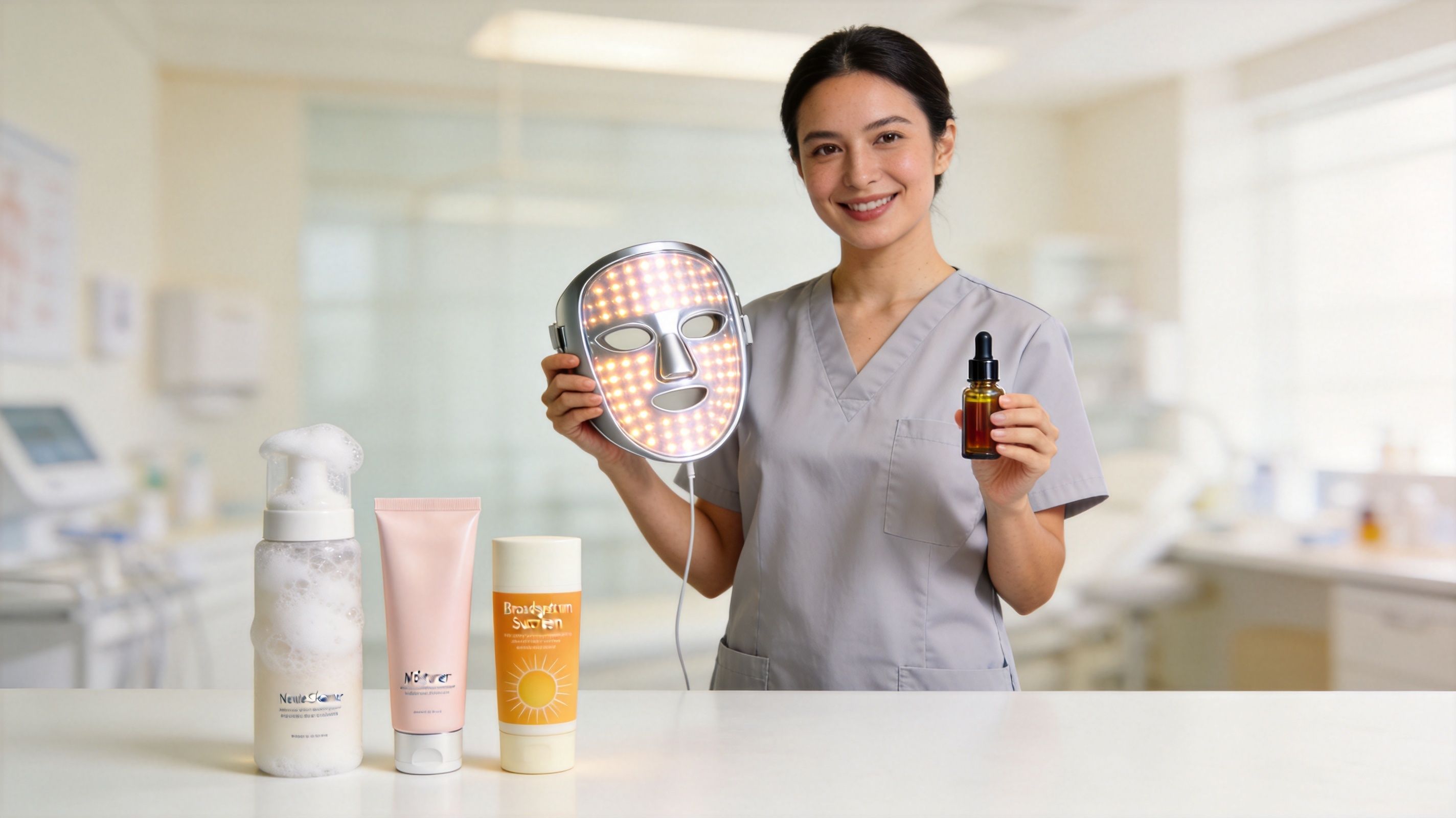
- Gentle cleanser. Choose a soap-free, non-stripping cleanser. A low-pH cleanser is usually a better fit for acne-prone skin than a harsh foaming wash that leaves your face squeaky.
- Non-comedogenic moisturizer. Moisturizer doesn't cause acne when the formula is appropriate. It lowers the chance that treatment products trigger irritation that makes you quit.
- Daily sunscreen. Acne marks linger longer when skin is repeatedly exposed to UV. Sunscreen also matters because many acne treatments make skin more reactive.
Medical-grade options can be useful. An Epicutis cleanser, a lightweight barrier-supportive moisturizer, or a broad-spectrum sunscreen from a clinical line such as SkinCeuticals can make routines easier to tolerate. The point isn't brand prestige. The point is formulation quality and consistency.
What doesn't help
The most common routine mistakes are usually these:
- Over-cleansing. If your face feels raw, shiny-tight, or flaky, you're not “deep cleaning” acne. You're disrupting the skin.
- Using too many actives at once. Benzoyl peroxide, retinoid, salicylic acid, scrub, toner, peel pads, and spot treatment all in the same week is often too much.
- Skipping moisturizer because you're oily. Oily skin can still be dehydrated and irritated.
- Chasing overnight results. Acne responds to rhythm and repetition, not panic.
Practical rule: If your skin stings when you apply plain moisturizer, simplify before you intensify.
A basic morning and evening structure works well.
| Time | Step | Goal |
|---|---|---|
| Morning | Cleanser, moisturizer, sunscreen | Keep barrier stable and protect skin |
| Evening | Cleanser, treatment if using one, moisturizer | Treat acne without stripping the skin |
A calm base routine makes every targeted treatment work better. Without that base, people often mistake irritation for “proof” that a product is working.
Target Acne With Clinically Proven Ingredients
Once the foundation is in place, treatment becomes more precise. For most acne routines, three ingredient categories do the heavy lifting: salicylic acid, benzoyl peroxide, and topical retinoids. Each addresses a different part of the acne process, which is why matching the product to the breakout pattern matters.
American Academy of Dermatology guidelines endorse benzoyl peroxide and topical retinoids as first-line therapies, and combination therapy can reduce lesions by 60 to 80%, outperforming monotherapy, according to the AAD-aligned review hosted by Kansas City University.

How each ingredient earns its place
Salicylic acid is often useful when clogged pores are a major problem. It's oil-soluble, so it can work within the pore environment. I often think of it as a decongesting ingredient. It's a good fit for blackheads, small bumps, and oily texture, but it can be too drying if you stack it with multiple other exfoliants.
Benzoyl peroxide targets the bacterial and inflammatory side of acne. It can help with red, angry breakouts, especially when pustules are common. Lower-strength formulas are often easier to tolerate than harsher products people assume they need. A benzoyl peroxide wash or leave-on treatment can be effective, but it works best when the surrounding routine is gentle.
Topical retinoids normalize cell turnover and help prevent new clogs from forming. This makes them one of the most useful long-game ingredients in skin care acne treatment. They don't just treat what you can see. They help reduce the formation of the early invisible lesions that later become visible acne.
How to choose without wrecking your barrier
Here's a simple way to think about selection:
- Mostly blackheads and rough texture. Start by considering salicylic acid.
- Red inflamed bumps. Benzoyl peroxide may fit better.
- Recurring clogged pores plus ongoing breakouts. A retinoid is often the backbone.
- Mixed acne. Combination plans often work best, but they need pacing.
A common mistake is applying every active every day from the start. Better options include alternating nights, using benzoyl peroxide in the morning and a retinoid at night, or beginning a retinoid only a few nights per week. If you want a deeper primer on retinoid use, this article on what tretinoin cream is and how it works is a helpful reference.
If a product is strong enough to help acne, it's strong enough to irritate skin when you introduce it too fast.
Product examples and smart add-ons
For readers building an at-home routine, examples might include a salicylic acid serum for congestion, a benzoyl peroxide wash for inflammatory acne, or a retinoid prescribed by a clinician. SkinCeuticals and other medical-grade lines can be useful because they tend to focus on stable formulations and easier layering.
Some people also want to support recovery after inflammation. For those interested in skin-repair science beyond core acne treatment, this review of GHK-Cu copper peptide research findings is worth reading. I don't treat copper peptides as a substitute for benzoyl peroxide or retinoids, but they may be part of a broader skin-support conversation once active acne is under better control.
The key trade-off is simple. Stronger routines can move faster, but they also fail faster if your skin becomes too irritated to stay consistent. Good acne care is effective and tolerable.
Elevate Your Routine With At-Home Light Therapy
Topicals are still the backbone of most acne plans, but they aren't the only tool. Light therapy can be a useful add-on when someone wants support that doesn't rely on layering another acid or cream onto already reactive skin.
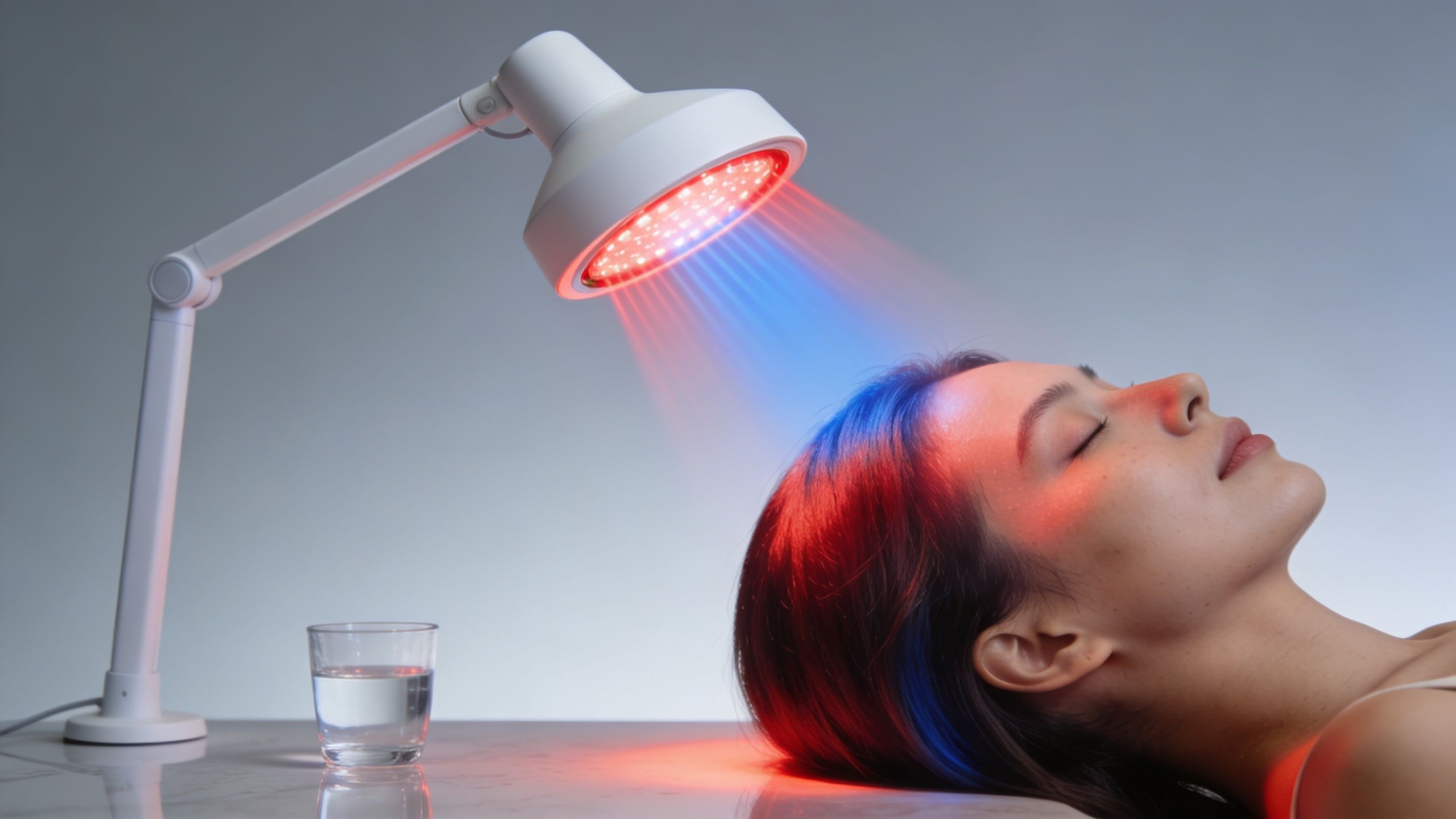
LED therapy is popular because it addresses acne in a different way than cleansers and prescriptions do. In practical terms, blue light is commonly used to target acne-related bacterial activity, while red light is often used to calm visible inflammation and support recovery. If you're comparing devices and trying to understand the categories, Omega Lasers' guide on LED gives a helpful overview of how these systems are typically used.

When LED makes sense
I think of LED as a support therapy, not a replacement for the basics. It can make sense when:
- Your skin is easily irritated and you can't tolerate many leave-on actives.
- You're dealing with inflamed breakouts and want a non-topical adjunct.
- You want better routine consistency because device use feels easier than adding more product steps.
- You're already on a good regimen and want another tool that fits around it.
The people who benefit most are usually not the ones doing the most. They're the ones using a stable routine and adding LED thoughtfully.
A practical device option
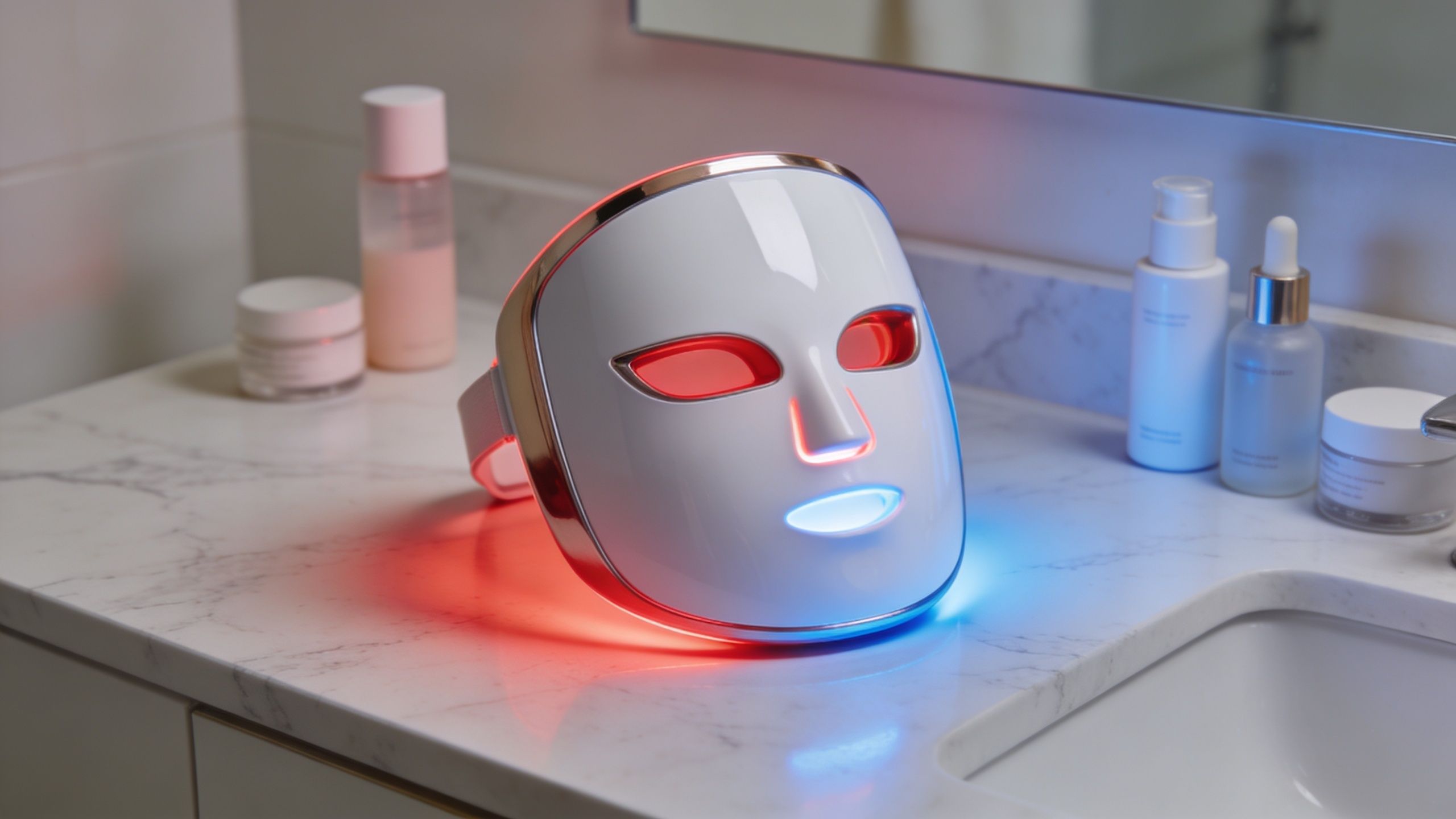
One device option for home use is the Barb N.P. Facial Mask, which fits naturally into an acne-support routine because it's wireless, designed for comfortable wear on the face, and includes 3 lighting settings for different treatments. Those features matter more than people think. If a mask is uncomfortable or awkward to use, it ends up in a drawer.
For acne-prone skin, the value of a device like this is convenience and regularity. You're more likely to keep using a mask that doesn't tether you to one spot and doesn't press hard against irritated skin. If you want a broader clinical overview first, this resource on LED light therapy for acne explains where it fits in a treatment plan.
A simple approach is to use LED on clean skin, then follow with the rest of your evening routine. Avoid turning it into a substitute for cleansing, moisturizer, or prescribed treatment. It works better as a layer within a system, not as a shortcut.
When To Seek Professional Acne Treatment
There's a point where staying in over-the-counter mode costs you time, comfort, and sometimes your skin. If acne is becoming painful, leaving marks, or affecting your confidence in a serious way, it's reasonable to get help earlier instead of later.
One area where clinical guidance matters is cleanser choice. Cleansers with a pH of around 5.5 are clinically superior for acne-prone skin, while alkaline soaps can disrupt the skin's protective acid mantle and worsen irritation and inflammation, as explained in the NCBI review on acne vulgaris management. That sounds like a small detail, but this is exactly the kind of precision that helps when someone has tried “everything” and still has inflamed, reactive skin.
Signs it's time to escalate
The decision is usually clearer than people expect. Professional acne care makes sense when you notice any of the following:
- Deep or painful bumps. Nodules and cyst-like lesions tend to scar more easily and often need prescription support.
- Visible scarring or persistent dark marks. Waiting can make the long-term cleanup harder.
- No real improvement after a consistent routine. If you've used a sensible routine faithfully and the skin isn't shifting, reassessment is smart.
- Jawline and chin flares that seem cyclical. Hormonal patterns often respond better when treated with the right prescription strategy.
- Acne is affecting mood, confidence, or social comfort. That matters clinically. Skin disease is not just cosmetic when it changes how you live.
Painful acne deserves the same seriousness as any other condition that can leave lasting physical changes.
What a professional plan may include
A visit with a Nurse Practitioner or other qualified acne clinician usually looks more specific than a general product recommendation. The goal is to identify what type of acne you have, what your skin can tolerate, and what will create the best balance between effectiveness and adherence.
That plan may include:
| Need | Professional option | Why it helps |
|---|---|---|
| More effective pore control | Prescription-strength topical retinoid | Helps normalize cell turnover more predictably |
| Hormonal pattern in adult women | Spironolactone when appropriate | Targets hormonally driven oil activity in selected patients |
| Inflammatory acne | Benzoyl peroxide paired with other prescription therapy | Helps control inflammatory lesions while supporting antibiotic stewardship |
| Scars or lingering texture | In-office procedures such as chemical peels, LED, or scar-focused treatments | Addresses what topical home care often cannot fully correct |
This is also where I often troubleshoot routines that are technically “correct” but poorly tolerated. Sometimes the answer isn't a stronger drug. Sometimes it's fewer steps, a better cleanser, or a schedule that your skin can handle.
What not to wait on
If you're picking, developing indentations, or getting large tender breakouts, don't try to out-wait the problem. Early intervention can reduce unnecessary inflammation and keep treatment from becoming more complicated than it needs to be.
Professional care doesn't mean you failed at at-home treatment. It means you're choosing a more appropriate tool for the kind of acne you have.
Your Path to Confident, Clear Skin
Good skin care acne management is rarely about chasing the trend of the month. It's about understanding the breakout, supporting the barrier, using proven ingredients with restraint, and stepping up care when the skin asks for more than over-the-counter products can provide.
The people who do well over time usually follow a steady pattern. They cleanse gently. They moisturize even when they're oily. They use acne actives for the reason they were designed, not because a video made them sound intense. And they know when persistent or painful acne deserves a professional plan.
That approach is more forgiving, too. You don't need a perfect routine to improve acne. You need a routine that makes biological sense and that you can stick with long enough to let your skin respond. When that happens, treatment becomes less emotional and more strategic.
If your skin has been unpredictable, don't assume you're out of options. The right plan may be simpler than the one you're using now. And if your acne needs prescription support or device-based therapy, getting that guidance early can save your skin a lot of unnecessary irritation.
Clearer skin is usually a progression. First, less chaos. Then less inflammation. Then fewer breakouts. Then better texture and tone. That's a realistic path, and it's one worth following.
If you're ready for a more guided approach, BotoxBarb offers access to medical-grade skin care, LED-focused options, and clinically informed support to help you build a routine that's appropriate for your skin instead of overwhelming it.