Skin Care After Microneedling: Your Complete 2026 Guide
Your microneedling session is over, and now your skin feels warm, tight, and more reactive than usual. That part is normal. What matters next is keeping your routine simple enough that healing can happen without extra irritation.
Good skin care after microneedling is rarely about adding more. It's about using fewer products, choosing them carefully, and respecting the short window when your barrier is more vulnerable.
Your Post-Microneedling Journey Starts Now
A few minutes after treatment, the feedback I hear most in clinic is specific. Skin feels hot, tight, and similar to a mild sunburn. It often looks pink to red and reacts to touch, warmth, and products that never sting on a normal day.
That response is expected. Microneedling creates controlled punctures in the skin to trigger repair, and that wound-healing response is what helps support new collagen and elastin formation, as described by the American Academy of Dermatology.
What matters now is not doing more. It is choosing a short, boring routine that protects the barrier while your skin calms down.
The aftercare mistakes I correct most often are easy to understand. Some patients avoid moisturizer because they are worried about clogging or irritation, so the skin gets tighter and more uncomfortable. Others restart exfoliants, retinoids, or vitamin C too soon because they want to maintain momentum. In practice, both habits tend to increase sting, prolong redness, and make recovery less predictable.
What your skin needs most
For the next several days, the goal is recovery care. In my practice, that means focusing on three basics:
- Gentle cleansing with a non-stripping cleanser once your provider says it is safe to wash
- Hydration from simple, fragrance-free formulas that do not contain exfoliating or brightening actives
- Protection from UV exposure, heat, sweat, friction, and unnecessary product layering
Practical rule: If a product burns, tingles, exfoliates, or has a strong active feel, save it for later.
This is also where product quality matters. Freshly treated skin usually does better with bland, barrier-supportive options than with trend-driven formulas packed with acids, essential oils, or multiple actives. I often guide patients toward medical-grade basics such as a gentle cleanser, a hyaluronic acid serum, and a plain ceramide-rich moisturizer because they are consistent and easier to tolerate during the repair phase.
The right mindset for the next several days
Judge each product by one question. Does it support healing, or does it create more work for skin that is already inflamed?
The best post-microneedling routine is rarely the most aggressive one. Calm skin heals more comfortably, and comfortable skin is easier to manage well. That is why I build aftercare around a clinical timeline, then adjust it for treatment depth, sensitivity level, and options such as LED recovery support when a patient needs a little more help with redness.
Your Immediate Post-Treatment Care Timeline
You leave your appointment looking sunburned, your skin feels warm and tight, and by that evening you are wondering whether you should wash your face, moisturize, or leave it alone. That uncertainty is normal. The first week after microneedling follows a recognizable healing pattern, but I still adjust aftercare based on needle depth, treatment intensity, and how reactive a patient's skin tends to be.
For a clearer healing window, the American Society of Plastic Surgeons notes that skin commonly looks pink and feels tight for a few days after microneedling, with recovery varying by treatment intensity in its microneedling overview.

The first 24 hours
This is the inflammatory phase. Skin is more vulnerable to heat, friction, and unnecessary ingredients than it will be later in the week.
Keep the routine sparse. If I have treated a patient that day, I usually want them using only what supports hydration and comfort once cleansing is allowed: a gentle wash, a simple hyaluronic acid serum, and a plain barrier cream if they feel dry or tight. SkinMedica HA5, Alastin Regenerating Skin Nectar, and a fragrance-free moisturizer such as CeraVe Moisturizing Cream are all reasonable fits here, depending on budget and sensitivity.
During this window, avoid:
- retinoids, exfoliating acids, vitamin C, and benzoyl peroxide
- makeup with heavy coverage
- hot showers, steam rooms, and intense exercise
- washcloths, cleansing brushes, and picking at the skin
Hands off matters more than people realize. A lot of post-treatment irritation comes from rubbing, checking, or layering too many products too soon.
Days 2 and 3
This is usually the driest part of recovery. Redness often starts to settle, but the skin can feel rough, papery, or mildly itchy. That does not mean it needs exfoliation. It means the barrier is still repairing.
Stay with a simple morning and evening plan. Cleanse gently, apply hydration to slightly damp skin, then seal it in with moisturizer. If a serum stings, stop using it, even if it is marketed as post-procedure safe.
Sun protection starts to matter as soon as skin can comfortably tolerate it. I prefer a mineral, broad-spectrum sunscreen with zinc oxide for this stage because it is less likely to sting than many chemical formulas. If you need help choosing one, this guide to sunscreens for sensitive skin after procedures is a useful starting point. For lower-cost daily options, these face sunscreens that feel great can make compliance easier, which is what counts.
A practical checkpoint for day 3:
- Dryness that improves after moisturizer is common
- Light flaking is common
- Gradually fading redness is common
- Increasing heat, swelling, or tenderness is not
Days 4 through 7
By this point, the surface usually feels calmer, but deeper treatments can still leave lingering sensitivity. Often, patients make the wrong call at this stage. They assume the skin is "done" because the redness has eased, then restart their full routine and trigger another round of irritation.
Hold steady a little longer.
| Timeframe | Keep doing | Still avoid |
|---|---|---|
| Days 4-5 | Gentle cleanser, hydrating serum, moisturizer, mineral SPF | Exfoliants, retinoids, strong vitamin C, scrubs |
| Days 6-7 | Continue barrier repair and daily sunscreen | Any product that causes sting, flushing, or visible irritation |
If the skin feels calm by the end of the week, I usually have patients reintroduce one active at a time, not all at once. A shallow cosmetic treatment may let you restart sooner. A deeper session, sensitive skin, or a history of eczema calls for a slower return. That trade-off is worth it. A few extra days of restraint is better than extending inflammation.
Building Your Post-Microneedling Skincare Routine
The most effective post-treatment routine is built like a small medical kit, not a vanity shelf. For at least the first 48 to 72 hours, aftercare should function as a barrier-repair protocol: use a gentle, fragrance-free cleanser with lukewarm water, then a hydrating serum and a barrier-supporting moisturizer, while avoiding retinoids, AHAs, BHAs, vitamin C, benzoyl peroxide, scrubs, and fragranced products, according to this aftercare guidance from Banish.

Start with a cleanser that barely announces itself
After microneedling, a good cleanser should feel boring. That's a compliment.
Look for:
- Fragrance-free formulas that don't leave skin squeaky
- Low-foam or cream textures that rinse easily
- No exfoliating acids or beads
If the cleanser leaves your face feeling stripped, it's too aggressive for this stage. The skin already has enough to handle.
Add hydration that supports recovery
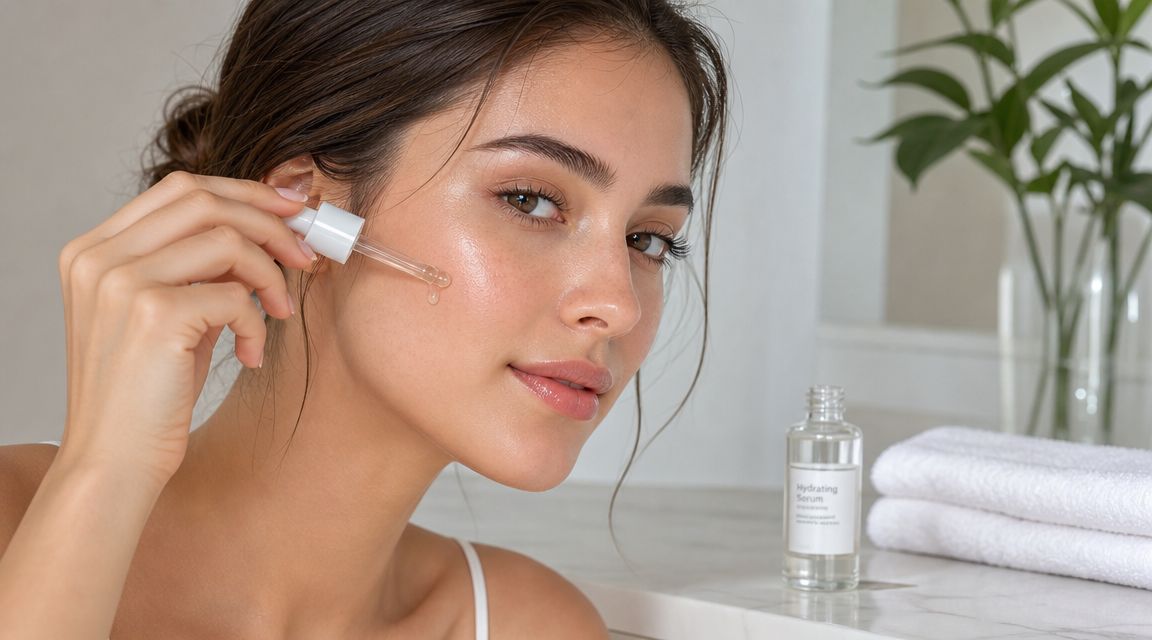
A quality serum earns its place. I prefer post-procedure formulas that focus on hydration and barrier comfort over “active” correction. A product like Epicutis Lipid Serum makes sense here because it fits the post-treatment need for soothing, lightweight support rather than aggressive resurfacing.
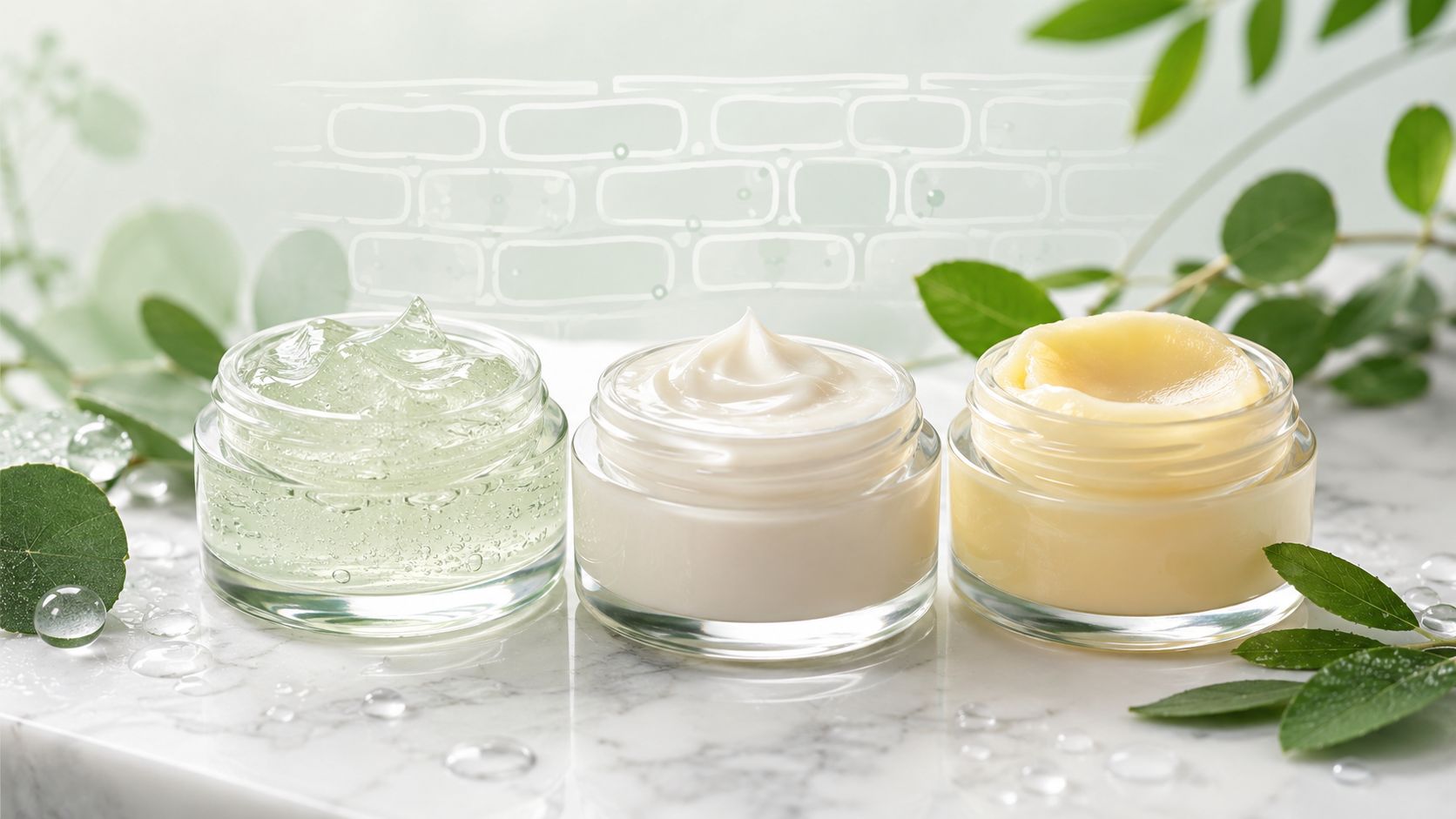
Then seal it in with a moisturizer that does three things well: reduces water loss, softens tightness, and doesn't sting. Creams with barrier-supportive ingredients tend to perform better than gel moisturizers when skin feels dry after treatment.
If your face feels tighter an hour after you moisturize, use more moisturizer. That isn't the time to prove how little product you can get away with.
Sunscreen is not the optional step
Freshly treated skin and UV exposure are a bad pairing. I usually advise patients to choose a mineral sunscreen they'll reapply, because texture matters. If sunscreen feels chalky, greasy, or heavy, patients use less of it. For options with wearable textures, this roundup of face sunscreens that feel great is useful, especially if you struggle with daily compliance.
If your skin runs reactive even without procedures, I'd also point patients to this guide on sunscreens for sensitive skin. Post-microneedling skin often behaves like sensitive skin, even in people who normally tolerate a lot.
A strong recovery routine is usually just three categories:
- A non-stripping cleanser
- A hydrating, non-irritating serum
- A mineral broad-spectrum sunscreen
That's enough for most patients early on.
Microneedling Aftercare Dos and Don'ts
Patients usually do better with aftercare when the rules are plain. The problem isn't lack of products. It's poor timing. A common pitfall is returning to active treatments too early. Retinol is typically deferred at least 7 days, strenuous exercise and saunas are often avoided for 1 to 2 days, and makeup guidance ranges from 24 hours to 48 to 72 hours depending on treatment depth and sensitivity, according to Skin Clique's post-microneedling care guidance.

The dos
Do keep your routine short and repeatable. Cleanser, hydration, moisturizer, sunscreen.
Do use a clean pillowcase and clean hands. Freshly treated skin is not the time to get casual about contact.
Do protect your skin from sun exposure even if you're “just out for a bit.” Short exposures add up fast when skin is sensitized.
Do let flaking skin come off on its own. Picking can turn a minor recovery phase into prolonged irritation.
The don'ts
Don't restart retinol, acids, or strong vitamin C because your skin “looks better.” Looking calmer and being ready for actives aren't always the same thing.
Don't wear makeup too soon. The shorter end of the guidance may work for some lighter treatments, but deeper or more reactive cases often need more time.
Don't book yourself for sweaty workouts, saunas, steam rooms, or hot yoga right away. Heat and perspiration can make skin angrier than it needs to be.
Don't chase dryness with exfoliation. Dry, rough skin after microneedling is usually a cue for more moisture, not more treatment.
When patients need a quick reference
This side-by-side is the easiest way to understand it:
| Better choice | Common mistake |
|---|---|
| Mineral SPF and shade | Direct sun after treatment |
| Hydrating serum and cream | Acid toner or exfoliating pads |
| Clean skin with no makeup | Full face makeup too early |
| Cool, gentle environment | Heat, sweat, steam, friction |
If you want another practical patient-facing overview, this summary of ProMD Health Easton microneedling information is a reasonable companion to provider instructions. Use outside guides to support your plan, not replace the instructions you were personally given.
Accelerate Healing with LED Light Therapy
A common question in follow-up is, “My skin looks calmer now. Is there anything I can do that helps without irritating it again?” For the right patient, LED light therapy is a reasonable next step after the initial reactive phase has settled. It supports recovery without asking freshly treated skin to tolerate more acids, retinoids, or exfoliation.
That timing matters. Surface redness can improve before the deeper repair work is finished. Collagen rebuilding continues well beyond the first few days, so any add-on at this stage should be gentle, consistent, and realistic about what it can and cannot do. The American Academy of Dermatology explains that microneedling works by stimulating the skin's healing response and collagen production over time, not overnight, in its overview of microneedling and what to expect.

Where LED makes sense
In practice, I use LED as a support tool, not a shortcut. It can be a good fit for patients who want to stay proactive during recovery but are not yet ready to restart stronger products. That is the main advantage. It gives you a low-irritation option during the stretch when skin is improving on the surface but still healing underneath.
The trade-off is simple. LED can support a well-managed recovery, but it cannot compensate for poor aftercare, too much sun, or restarting actives too early. If you want help comparing devices and treatment settings, this overview from BeautyGuide for quality LED light therapy is a useful place to start.
One at-home option
One device in this category is the Barb N.P. Facial Mask. It is wireless, flexible, and easier for many patients to wear consistently than a rigid panel-style mask. That comfort point matters more than people expect because home devices only help if you use them.
Here is the practical breakdown I give patients:
- Red light for recovery support after procedures
- Blue light for acne-prone skin
- Amber light for general rejuvenation and tone support
For a broader explanation of how to use this modality in a routine, this guide to LED light therapy for skin gives helpful context.
LED works best as a support step. Cleanser, moisturizer, and sunscreen still do most of the heavy lifting.
Used well, LED can make the recovery plan feel more structured and less passive. Used too early, or used as an excuse to push the rest of your routine too fast, it adds little. I prefer it once the skin has moved past that tender, highly reactive stage and can tolerate gentle support.
Knowing Your Red Flags and Planning Your Next Treatment
Most microneedling recoveries are straightforward. Mild redness, some swelling, dryness, and light flaking can all be part of a normal course. What matters is the direction. Healing should gradually settle, not become more inflamed.
A useful clinical reminder is that healing time varies by how deep the needles went and how extensive the treatment was. Some post-procedure instructions state that skin may take 5 to 7 days to heal and that stronger products should be avoided for up to 1 to 2 weeks depending on the regimen, as outlined by Virginia Facial Plastic Surgery.
Red flags that deserve a call
Contact your provider if you notice symptoms that feel distinctly off rather than merely inconvenient.
Watch for:
- Worsening pain instead of gradual improvement
- Yellow or greenish drainage
- A spreading rash
- Redness that keeps intensifying
- Heat, swelling, or tenderness that feels disproportionate
Those signs don't automatically mean something serious is happening, but they do mean you shouldn't manage it on your own with random products.
Normal recovery gets quieter each day. Complications tend to get louder.
Planning the next session
Microneedling works best when it's approached as a series, not as a one-time event with unrealistic expectations. The skin needs time to recover between sessions, and the timeline should match your treatment depth, your goals, and how your skin handled the last session.
I usually want patients to think about two questions before rebooking:
- Did my skin heal predictably with the current settings?
- Did I follow the aftercare well enough to judge the treatment fairly?
If you're considering combination treatments, including platelet-rich plasma, this overview of microneedling with PRP can help you understand how providers build on standard microneedling protocols.
Healing well is part of the treatment plan. So is preparing properly for the next one.
BotoxBarb offers aesthetic care and a curated shop at BotoxBarb for patients who want an efficient way to book treatments and build a recovery-friendly skin routine with medical-grade options.