Winter Skin Treatments: Your Expert Guide to Radiant Skin
Winter skin usually announces itself before you even look in the mirror. Your face feels tight after cleansing. Makeup catches on dry patches around the nose and mouth. The glow you had in early fall turns flat, and even skin that behaves well most of the year can suddenly feel reactive, rough, or red.
I see that pattern every winter. Clients often assume they just need a heavier moisturizer, but winter skin is rarely a one-product problem. It’s a barrier problem, an environment problem, and often a timing problem. If you treat only the flakes and ignore the barrier, the dullness returns. If you exfoliate too aggressively, sensitivity gets worse. If you schedule treatments in the wrong order, you can create extra downtime without getting the full benefit.
That’s where a clinical plan matters. As a Nurse Practitioner, I look at winter skin the way I look at any other treatment goal. Start with what changed, identify what the skin can tolerate right now, then build a sequence that restores function before pushing for major correction. A good winter plan combines in-clinic treatments, disciplined home care, and smart scheduling.
If your skin already feels stressed, start by understanding the difference between dryness, dehydration, and barrier injury. This guide on how to repair a damaged skin barrier is a useful place to begin before you decide which winter skin treatments belong in your routine.
Your Guide to Overcoming Winter Skin Challenges
Winter doesn’t just make skin look dry. It changes how skin behaves.
A client may come in saying her skin feels “parched,” but when you examine it closely, you often find a more complex mix. There may be surface flaking on the cheeks, congestion around the chin, background redness along the nose, and fine lines that suddenly look deeper because the barrier is under stress. Another client may notice breakouts, not because winter made her oily, but because irritation and dehydration have disrupted the skin enough to trigger imbalance.
That’s why winter skin treatments work best when they follow a calendar, not a random menu of services. Some weeks should focus on hydration and barrier repair. Others are better for controlled exfoliation, collagen stimulation, or redness reduction. If you try to do everything at once, skin often pushes back.
What winter skin usually feels like
Many describe some version of the same pattern:
- Morning tightness after washing, even with products they used all summer
- Midday dullness that makes skin look tired rather than luminous
- Patchy texture that causes makeup to separate or cling
- Heightened sensitivity to active ingredients that were previously easy to tolerate
Those complaints are valid. They also point to a need for strategy.
Healthy winter skin isn’t about doing more. It’s about doing the right things in the right order.
When I build a winter plan, I’m not chasing a quick glow for one event. I’m looking for cumulative improvement. Better barrier function leads to better tolerance. Better tolerance allows better treatment selection. Better treatment selection creates better long-term texture, clarity, and radiance.
Why Winter Weather Harms Your Skin Barrier
Your skin barrier works like a brick-and-mortar wall. The skin cells are the bricks. The lipids that hold them together are the mortar. When that wall is intact, it keeps water in and irritants out. In winter, both the outdoor climate and your indoor habits start chipping away at that structure.

Cold air holds less moisture, and indoor heating makes the air drier still. The result is more transepidermal water loss, often shortened to TEWL. That term describes water escaping from the skin faster than the barrier can hold onto it. Once that happens, skin doesn’t just feel dry. It becomes easier to irritate, easier to inflame, and harder to treat.
A clinical study on winter indoor environments found that after 6 hours, healthy subjects developed increased skin temperature, pore size, roughness, and wrinkles, along with decreased hydration and increased TEWL, as reported in this clinical review of winter barrier disruption. That matters because it confirms what many patients feel in real life. Winter stress affects even resilient skin.
The daily habits that make it worse
Most winter barrier damage isn’t caused by one dramatic event. It comes from repeated exposure.
- Indoor heating dries the air around you for hours at a time.
- Hot showers dissolve protective surface lipids faster than lukewarm water.
- Foaming cleansers can leave skin feeling “clean” but overly stripped.
- Skipping sunscreen allows UV exposure to continue, even in colder weather and even when snow reflects light.
These habits create a cycle. Skin gets dry, so you exfoliate harder. Skin gets irritated, so you stop all actives. Then dead surface cells accumulate, your moisturizer stops absorbing well, and the face still feels rough.
What barrier disruption looks like in practice
Barrier injury doesn’t always present as obvious peeling. Sometimes it shows up as:
- Persistent redness that lingers longer than usual
- Stinging with ordinary skincare that never bothered you before
- Breakouts plus dryness at the same time
- A rough, uneven finish that no highlighter can fix
Clinical perspective: If your skin burns when you apply products, that’s not a sign you need a stronger treatment. It’s usually a sign your barrier needs support first.
This is why winter skin treatments should begin with assessment. Not every patient needs resurfacing immediately. Some need hydration, lipid support, gentler cleansing, and a short pause on strong acids or retinoids before they’re ready for more corrective work.
What actually helps
The basics still matter, but they have to be chosen correctly.
A non-foaming cleanser, a ceramide-rich cream, regular use of a humidifier, and SPF 30+ are sensible winter foundations. For patients with a more visibly compromised barrier, richer textures usually perform better than lightweight gels. For oily or acne-prone skin, the answer isn’t to strip harder. It’s to cleanse gently and use hydration that doesn’t suffocate the skin.
That’s the logic behind good winter care. Repair the wall first. Then ask it to do more.
Professional Winter Skin Treatments at BotoxBarb
Winter is an excellent time to be selective and intentional with in-clinic care. Reduced sun exposure makes this season especially useful for treatments that resurface, stimulate collagen, or calm chronic dullness. But not every option serves the same purpose. Some treatments replenish water and support the barrier quickly. Others create a longer arc of improvement.

Hydrating facials for stressed winter skin
When skin is tight, flaky, or reactive, a hydrating facial is often the best starting point. This is not the same as a spa facial built around fragrance and steam. A good winter facial should cleanse without stripping, lift dead surface buildup gently, and infuse hydration while respecting a compromised barrier.
HydraFacial-type treatments are especially useful here because they combine cleansing, exfoliation, hydration, and serum delivery in one session. I like them early in a winter plan because they help reset the skin without the heavier recovery of more aggressive procedures. They’re well suited to clients whose skin looks dull but also feels too fragile for a peel right away.
Best candidates include people with:
- Seasonal dullness and roughness
- Mild dehydration with congestion
- Early makeup instability, where foundation starts separating on dry areas
- A need for a low-downtime reset before an event or treatment series
Gentle chemical peels that do more than exfoliate
A winter peel should improve texture without pushing already stressed skin into inflammation. That’s why lactic acid peels often make sense in this season. They remove the dull, dead surface layer, but they also act as humectants that bind water to the skin.
Low humidity can increase TEWL by 20 to 30%, and lactic acid peels can also improve penetration of hydrating serums by 15 to 25%, according to this review of winter dryness treatments and lactic acid peels. That dual role matters in winter. You’re not merely polishing the skin. You’re helping the next layer of skincare work better.
A conservative peel is often ideal for:
- Flakiness with rough texture
- Skin that looks dull but still needs moisture
- Clients beginning a winter treatment series
- Patients who want brighter skin without a more intense resurfacing treatment
What doesn’t work well is over-peeling. If your skin is already stinging, peeling harder won’t fix the problem. In those cases, I’d rather restore barrier function first and peel later.
A well-timed winter peel should leave skin smoother and more receptive, not raw and angry.
LED light therapy for support between bigger treatments
LED therapy is one of the most underused tools in winter care because people underestimate how helpful non-traumatic treatments can be. It doesn’t replace procedures that remodel texture or restore volume, but it supports skin when you need consistency without extra irritation.
In clinic, LED fits well after exfoliating services, during recovery windows, or as part of a maintenance plan for patients who want steady support for overall skin quality. It’s especially useful for clients who can’t tolerate frequent aggressive procedures but still want to stay active in their winter routine.
Different light settings can be chosen based on the skin’s immediate needs. In practical terms, this makes LED a flexible addition to a seasonal treatment calendar rather than a one-off luxury.
Microneedling and PRP for cumulative repair
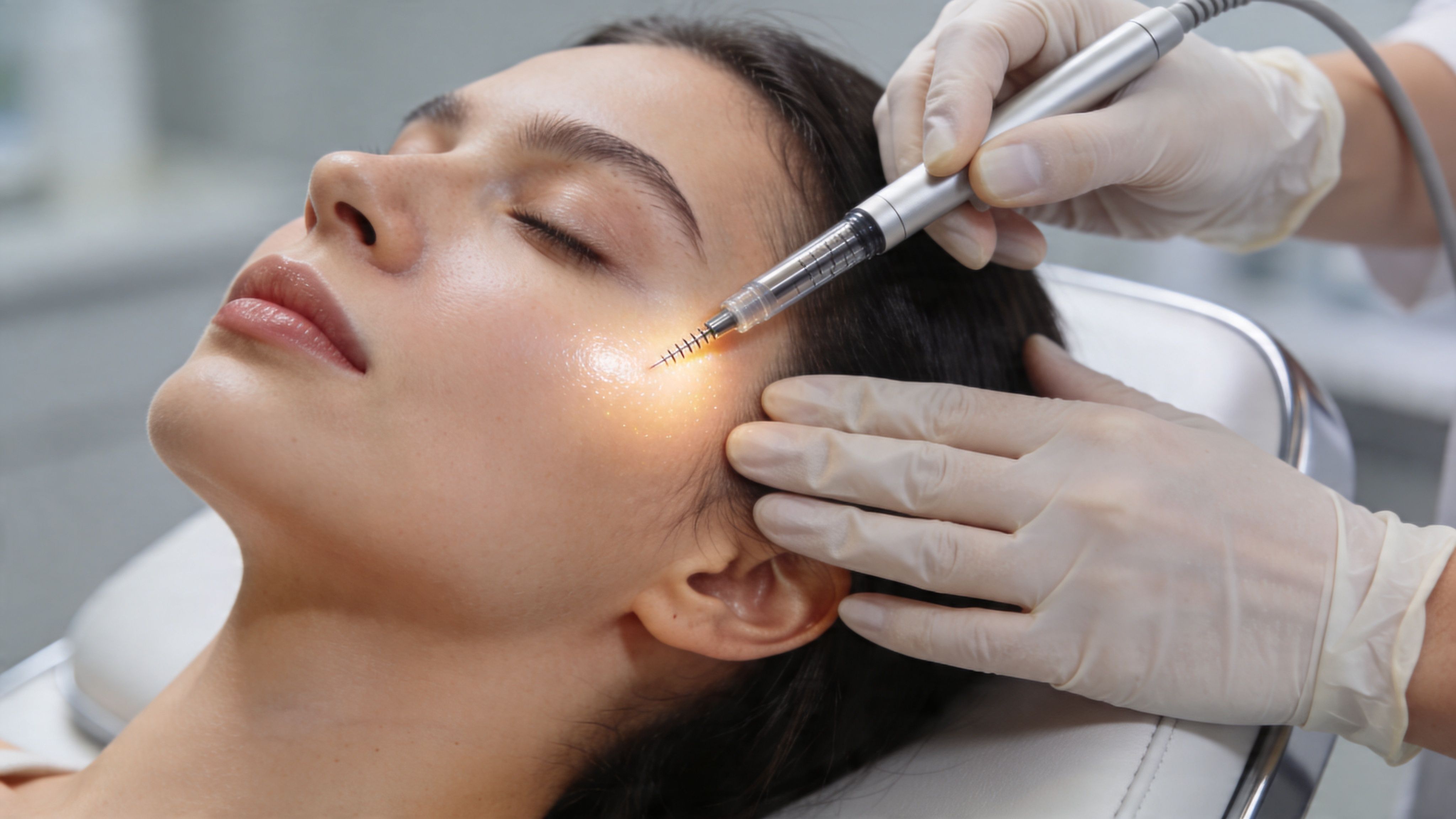
If your winter goal includes firmer texture, better overall quality, or a more meaningful collagen response, microneedling becomes far more interesting. Adding platelet-rich plasma can make the treatment feel more recovery-focused and suited for skin that needs regeneration rather than just exfoliation.
Winter is a favorable time for these collagen-stimulating treatments because sun exposure is generally lower and patients are more likely to protect and recover properly. Microneedling is not my first step for a barrier that’s visibly inflamed, but it can be an excellent second-phase treatment once the skin is stable.
Clients who often do well with this category include those with:
- Textural irregularity
- Acne scarring
- Fine lines that worsen when skin is dry
- A desire for progressive improvement rather than immediate surface polish
Laser and energy-based options
For the right candidate, winter also opens the door to laser-based treatments. This is the season when many practices schedule more resurfacing because reduced UV exposure lowers the practical burden of post-treatment sun avoidance.
That doesn’t mean every patient needs a laser. It means winter gives you a safer, more comfortable runway for considering one if pigment, texture, or deeper rejuvenation is part of the plan. Energy-based treatments can be particularly useful when topical care and lighter procedures have plateaued.
Choosing Your In-Clinic Winter Treatment
| Treatment | Primary Winter Benefit | Best For | Downtime |
|---|---|---|---|
| Hydrating facial | Replenishes moisture and softens surface roughness | Dehydrated, dull, mildly sensitive skin | Minimal |
| Lactic acid peel | Exfoliates while supporting water retention | Flaky, rough, product-resistant skin | Mild, depending on strength |
| LED light therapy | Supports calming and recovery without mechanical trauma | Sensitive skin, maintenance, post-procedure support | Minimal |
| Microneedling with PRP | Stimulates repair and improves overall skin quality over time | Texture concerns, acne scars, early laxity | Short recovery window |
| Laser resurfacing or gentle laser treatments | Targets deeper texture and tone issues in a season better suited to recovery | Pigment, texture, more advanced rejuvenation goals | Varies by treatment intensity |
The right plan often combines more than one of these, but not all at once. Winter skin treatments work best when they’re layered with intent. Start where the skin is. Then build toward where you want it to go.
Your Ultimate At-Home Winter Skincare Ritual
Clinic treatments matter, but winter skin is won or lost at home. If your daily routine strips the barrier, even the best in-office work won’t hold. A strong home plan should protect hydration, reduce avoidable irritation, and support whatever professional treatments you’re doing that month.

Step 1 with cleansing
Use a cleanser that leaves the skin comfortable, not squeaky. In winter, that “tight clean” feeling is usually a warning sign. Cream cleansers and other non-foaming options are often the better choice because they remove debris without aggressively dissolving surface lipids.
If you wear long-wear makeup or heavy sunscreen, double cleansing can help, but keep the first step gentle. The goal is clean skin that still feels like skin.
Step 2 with hydration that goes deeper than a mist
Winter dehydration often needs more than a quick spray toner. I prefer layering that makes physiologic sense. Apply hydration to slightly damp skin, then seal it with a richer cream.
A barrier-focused moisturizer is often the centerpiece here. SkinCeuticals Triple Lipid Restore is a strong option because it fits the winter priority of replenishing the lipids that keep water from escaping too fast. Ceramide-rich products are especially helpful when skin has become rough, sensitive, or less elastic in cold weather.
If your face feels persistently tight by midday, don’t assume you need more exfoliation. You may need a richer final step and less frequent active use.
Step 3 with strategic actives
Winter is not the season to prove how much your skin can tolerate. If you’re using retinoids, exfoliating acids, or pigment products, they need to fit the condition of your barrier today, not your routine from August.
A simple rule works well:
- If skin is stinging, reduce irritating actives and prioritize repair.
- If skin is dull but calm, a gentle exfoliating step can help.
- If skin is healing from a procedure, use only what supports recovery and follow your post-care instructions carefully.
For patients dealing with chronic dehydration, this guide on how to treat dehydrated skin can help you distinguish what to add, what to stop, and what to expect from recovery.
Step 4 with LED at home
At-home LED makes the most sense when it’s easy to use consistently. The Barb N.P. Facial Mask stands out because it’s wireless, designed for comfortable wear on the face, and includes 3 lighting settings for different treatments. That matters in real life. If a device is awkward, heavy, or difficult to fit into your week, people stop using it.
For winter routines, I like LED because it gives patients a way to stay engaged between appointments without adding another exfoliating or irritating step. It’s a practical support tool during recovery windows and a helpful consistency tool during maintenance periods.
The best device is the one you’ll actually use on schedule. Comfort and convenience matter more than novelty.
Step 5 with moisturizer and seal
Many routines frequently falter. People apply hydrating serums and stop there. In winter, water-based layers often need a cream on top to reduce evaporation.
Try this order at night:
- Gentle cleanse
- Hydrating serum
- Treatment step if tolerated
- Ceramide-rich cream
- Optional occlusive layer on the driest zones, such as around the nostrils or corners of the mouth
Morning should be simpler. Cleanse lightly if needed, hydrate, moisturize, then finish with sunscreen.
Step 6 with daily sunscreen, even in cold weather
Winter light still counts. Snow reflection can intensify UV exposure, and post-treatment skin is less forgiving than untreated skin. Daily SPF 30+ belongs in every winter plan, especially if you’re doing peels, microneedling, LED support after procedures, or laser work.
This point becomes even more important if your in-clinic plan includes collagen stimulation. Microneedling with RF is especially effective in winter, with type I collagen synthesis increasing by up to 400% over 3 to 6 months, and the season’s reduced sun exposure is associated with post-inflammatory hyperpigmentation risk of less than 5% compared with 15 to 20% in summer, as described in this overview of winter RF microneedling benefits. If you invest in a treatment with that kind of remodeling potential, sunscreen is how you protect the result.
How to Schedule Injectables with Winter Treatments
Patients ask this all the time, and they should. There’s a real education gap around how to combine injectables with peels, lasers, microneedling, and other winter skin treatments. That gap has been noted directly in this discussion of winter treatment planning and injectable coordination. Good outcomes depend not only on what you do, but on when you do it.
The basic principle is simple. Don’t stack inflammation on top of fresh injections unless there’s a specific plan and reason. Botox, Dysport, and fillers all benefit from thoughtful spacing because skin manipulation, swelling, and recovery can blur your results and make aftercare more complicated than it needs to be.
The sequencing logic that makes sense
If your winter goal includes resurfacing and injectables, I usually think in terms of treatment categories.
- Barrier-first care comes before everything else if the skin is irritated.
- Surface treatments such as hydrating facials or conservative peels often come before filler planning if texture is clouding the result.
- Injectables fit best when the skin is calm, not actively peeling or inflamed.
- More intensive resurfacing should be timed around injectable appointments rather than piled directly on top of them.
Why? Because each category creates its own recovery variables. Filler can create swelling. Peels can create shedding and sensitivity. Microneedling creates controlled injury. Lasers may require more visible downtime. If you compress all of that into the same window, it becomes harder to know what your skin is reacting to and harder for your practitioner to optimize each step.
What usually doesn’t work well
The most common mistake is chasing everything in one week. Patients want wrinkle softening, brighter skin, better texture, more hydration, and better volume immediately. I understand the impulse, especially before travel or holiday events. But aggressive scheduling often gives you more uncertainty, not better outcomes.
Another mistake is ignoring prep. If you’re planning Botox or filler as part of your winter routine, review how to prepare for Botox in advance so your pre-appointment behavior supports a smoother visit and a cleaner recovery.
A coordinated plan protects your result. A rushed plan usually creates avoidable downtime.
A practical rule for combination patients
If you want both injectables and winter skin treatments, choose the priority first. Is your main concern motion, volume, texture, pigment, or barrier health? Once that’s clear, a practitioner can build the sequence around that priority instead of treating every concern with equal urgency.
That approach is safer, easier to tolerate, and usually more satisfying. Skin responds better when it isn’t overwhelmed.
Building Your Integrated Winter Treatment Plan
A winter plan works best when it unfolds over the full season. That gives your skin time to recover, respond, and build on each step. Instead of booking random appointments whenever your schedule opens up, think in phases. Stabilize first. Correct next. Maintain throughout.

Winter is also the ideal season for resurfacing work. Laser resurfacing can have up to 40% faster recovery times compared with summer because of lower ambient UV and reduced melanin production, according to this review of why winter favors laser treatments. That seasonal advantage is one reason I like placing more corrective procedures in the center of a winter calendar rather than waiting for spring.
Month 1 with barrier reset and baseline correction
The opening month should be about control. You’re identifying what your skin can tolerate, reducing avoidable irritation, and putting the right home routine in place.
A smart first month often includes:
- Clinical assessment of barrier status, sensitivity, congestion, and treatment priorities
- A hydrating facial or similarly gentle in-clinic reset
- A home routine edit, especially cleanser, moisturizer, and sunscreen
- At-home LED use on a steady schedule if that fits your routine
This is also when I’d decide whether a patient is ready for a peel series or needs more repair first. Rushing into correction on top of active barrier stress is one of the easiest ways to waste a good treatment season.
Month 2 with texture work and strategic stimulation
Once the skin is calmer, month two is where many clients can begin doing more meaningful corrective work. That may mean a conservative lactic acid peel, a second facial with stronger exfoliation than the first visit, or the first microneedling session for a client targeting texture and early laxity.
If injectables are part of the plan, sequencing holds particular importance. The skin should be calm enough that each treatment can be evaluated on its own merits.
A month-two plan may include:
| Timing window | In-clinic focus | Home focus |
|---|---|---|
| Early month | Gentle peel or hydrating treatment | Barrier cream, daily sunscreen, LED support |
| Mid month | Injectable appointment if indicated | Keep routine calm and consistent |
| Late month | Follow-up or collagen-stimulating treatment | Continue hydration and avoid over-exfoliating |
Month 3 with consolidation and maintenance
By month three, the goal is to preserve progress and decide what should continue into late winter or early spring. Some patients do well repeating the same modality. Others benefit more from a maintenance facial, LED support, and strict home care while the collagen response from prior treatments matures.
This is also the right point to reassess what worked.
Ask yourself:
- Did the skin become less reactive?
- Did makeup sit better?
- Did roughness improve without increased redness?
- Did the treatment schedule feel realistic enough to sustain?
Those questions matter because the best winter skin treatments aren’t the most aggressive ones. They’re the ones your skin responds to consistently.
Seasonal planning note: A winter calendar should leave room for recovery. Skin often improves more from steady sequencing than from maximum intensity.
A sample winter rhythm
For many patients, a balanced winter schedule looks something like this in practice:
- Early winter for consultation, routine cleanup, and hydration-focused treatment
- Midwinter for peel work, LED support, injectables if desired, or collagen stimulation
- Late winter for reassessment, maintenance, and any final corrective treatment before sun exposure increases again
This kind of structure keeps the season productive without making the skin feel overmanaged. It’s clinical, but still realistic.
Maintain Your Winter Glow All Year
The patients who come through winter with their skin looking better in March than it did in November usually have one thing in common. They didn’t treat winter skin as a temporary inconvenience. They treated it as a season that required a different plan.
That plan rests on a few core decisions. Respect the barrier. Choose winter skin treatments that match what your skin can handle right now. Pair in-clinic work with disciplined home care. Sequence injectables and resurfacing thoughtfully instead of crowding them together.
If you do that, winter stops being the season when your skin falls apart. It becomes the season when you steadily make the biggest gains.
You don’t need a shelf full of products or a packed procedure calendar. You need the right treatment, the right support at home, and the right timing. That’s how healthy skin holds onto its glow long after the cold weather passes.
Ready to build a winter skin plan that fits your skin, your schedule, and your treatment goals? Explore expert-led care and curated skincare tools at BotoxBarb, including professional services and at-home essentials like the Barb N.P. Facial Mask for ongoing seasonal support.