Allergy Testing Preparation: A Clinician-Backed Guide
You arrive at the allergy clinic with your paperwork complete, only to learn that yesterday's cold medicine may interfere with the test. Or you've carefully stopped your antihistamine, but the moisturizer and sunscreen on your forearm make the skin difficult to read. These situations are common, frustrating, and often preventable.
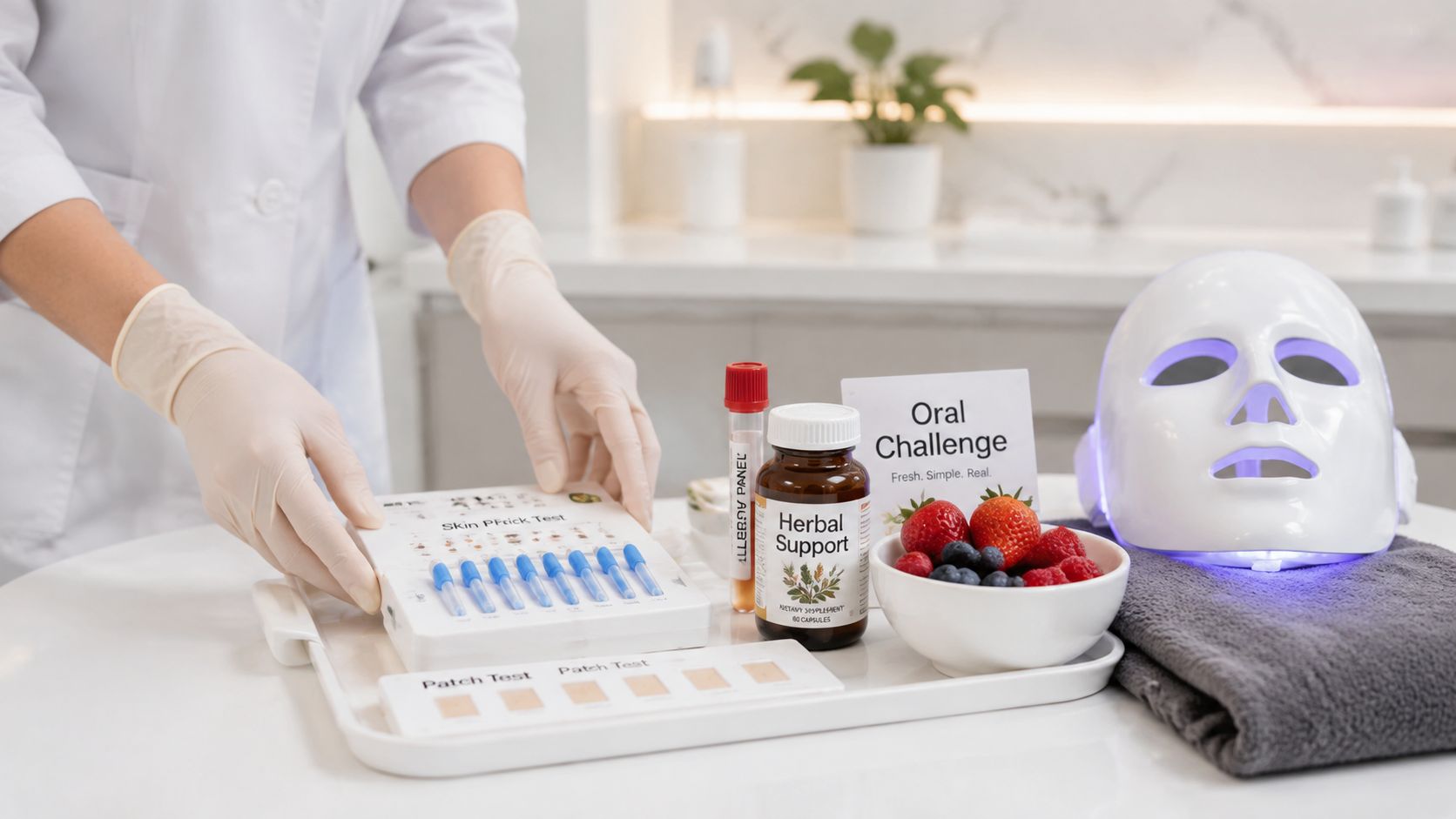
Allergy testing preparation isn't one universal checklist. The correct steps depend on whether you're having a skin prick test, patch test, blood test, intradermal test, or an oral food challenge. Medication, skincare, recent sun exposure, and even products hidden inside combination medicines can affect what your clinician sees. Use the guidance below to organize your preparation, but confirm the final plan with the clinician ordering your test.
Why Allergy Testing Preparation Varies by Test Type
A patient may be asked to reschedule because the test they're having measures a reaction that a medication has temporarily suppressed. That doesn't mean the appointment was wasted. It means the clinic is protecting the accuracy of the result.
Skin prick testing measures an immediate skin response. A clinician places suspected allergens on the skin, makes a small superficial prick, and evaluates the resulting wheal-and-flare reaction. Antihistamines can suppress that response and create a false negative, which is why skin testing has the strictest medication preparation requirements. Guidance reviewed in this clinical publication on skin prick testing notes that first-generation antihistamines may need to be stopped for 3 days, while second-generation antihistamines may require 10 days, depending on the medication and its clearance.
Patch testing answers a different question. It evaluates delayed contact reactions, usually on the back, over a period in which patches must remain attached and undisturbed. Antihistamines generally don't interfere with patch-test results, but sun exposure, topical medicines, moisturizers, and systemic immune suppression can make the readings unreliable. The preparation rules therefore focus more on the condition of the back than on antihistamine washout.
Blood allergy testing, often called specific IgE testing, measures antibody levels in a blood sample rather than a skin histamine response. Several clinical patient resources explain that blood testing generally doesn't require stopping antihistamines or fasting. A clear comparison of the two approaches is available in this guide to allergy blood tests versus skin tests.

Start with the test name
Before changing any medication, look at your appointment confirmation or call the clinic and ask one direct question: “Which test am I scheduled to have?” If you're investigating a suspected food reaction, it may also help to review guidance on how to find the right allergy test for food, because the appropriate test depends on your symptoms and clinical history, not on the food you suspect.
A friend's preparation plan may be completely wrong for you. Someone having a blood test may continue their usual antihistamine, while someone scheduled for skin testing may need a medication-specific pause. Oral food challenges have their own safety protocols and should never be treated like a routine skin or blood appointment.
Practical rule: Identify the test first, then ask for the exact medication and skincare instructions from that clinic.
Medication and Supplement Washout Timelines
Medication washout is the part of allergy testing preparation most likely to cause confusion. The phrase “stop antihistamines” sounds simple until you consider different drug generations, combination products, antidepressants, heartburn medicines, sleep aids, nasal sprays, and eye drops.
The correct interval isn't universal. A clinical review explains that first-generation antihistamines may be stopped for 3 days, while second-generation antihistamines may require 10 days before skin testing. Other major clinical guidance says medicines may need to be withheld for up to 10 days, depending on how long their effects persist. The American College of Allergy, Asthma & Immunology advises avoiding most antihistamines for at least 7 days, stopping hydroxyzine 10 days beforehand, and generally allowing diphenhydramine until 48 hours before testing. Always follow your ordering clinician's instructions if they differ.
The table below is a planning aid, not permission to stop a prescribed medicine independently.
Reference table for skin testing
| Medication Class | Examples | Days to Stop Before Test |
|---|---|---|
| First-generation antihistamines | Diphenhydramine, hydroxyzine | Diphenhydramine may generally be used until 48 hours before testing; hydroxyzine is commonly stopped 10 days before testing. Confirm with the clinic. |
| Second-generation antihistamines | Cetirizine, desloratadine, fexofenadine, levocetirizine, loratadine | The American Academy of Otolaryngic Allergy medication table lists these medications as needing to be stopped 7 days before skin testing. |
| Other antihistamine products | Combination cold medicines, sleep aids, nasal antihistamine sprays, antihistamine eye drops | The stop window varies. Ask the clinic to review the exact product and active ingredients. |
| Antidepressants | Certain antidepressant medicines | Some may interfere with testing. Don't stop them without prescriber guidance. |
| Heartburn medicines | Certain heartburn medicines | Some may interfere with skin responses. Provide the exact name and dose to the clinic. |
| Supplements and herbal products | Products marketed for allergy, sleep, calming, or immune support | Evidence and formulations vary. Tell the clinician about every supplement rather than assuming “natural” means irrelevant. |
The American Academy of Otolaryngic Allergy specifically lists cetirizine, desloratadine, fexofenadine, levocetirizine, and loratadine among second- and third-generation antihistamines that may need a 7-day pause before skin testing. That table is useful because brand names can hide the ingredient you need to discuss.
Protect your treatment plan
Stopping an antihistamine may be uncomfortable, but stopping a medication that controls a serious condition can be unsafe. If you rely on daily allergy treatment, have asthma, take antidepressants, use heartburn medication, or take a medicine with sedating properties, contact the ordering office before the appointment. The clinician may approve a different plan, choose blood testing, or determine that the medicine can continue.
Medication safety comes first. A potentially imperfect skin test is easier to manage than an unsafe medication interruption.
For blood specific IgE testing, antihistamines generally don't affect the antibody assay, and fasting usually isn't required. That distinction is one reason clinicians may choose blood testing when a skin-test washout would create an unacceptable health or symptom burden.
Skin and Cosmetic Preparation Rules
Clean, untreated skin gives a skin test the best chance of being read accurately. Moisturizers can make marker placement and allergen application less reliable, while eczema, dermatitis, sun damage, or active irritation can complicate interpretation. ASCIA guidance for skin prick testing advises avoiding topical moisturizers on the test site and arriving with a clean forearm or back without eczema or dermatitis.
Patch testing has an even longer relationship with skincare and environmental exposure. Cleveland Clinic guidance recommends avoiding sun and tanning beds for 1 to 2 weeks before patch testing, avoiding medicated creams or moisturizers on the application area for at least 1 week, and wearing loose clothing while the patches remain in place for 48 to 96 hours, depending on the protocol.

Compare the preparation burden
For a skin prick test, keep the forearm or back free of lotions, body oils, sunscreen, perfume, and makeup on the testing day. Your clinic may also ask you to pause retinoids, alpha hydroxy acids, exfoliating acids, or other irritating products around the test area. The aim is to avoid altering the skin barrier or creating redness that could be mistaken for a test reaction.
For a patch test, the back must stay dry and undisturbed after application. Avoid tight clothing, heavy sweating, swimming, and activities that could loosen the patches. Prednisone and other systemic immunosuppressants can create false-negative readings, so report them before scheduling. If body hair interferes with adhesion, the clinician may recommend careful removal with an electric razor rather than a method that irritates the skin.
For a blood test, your usual skincare routine generally doesn't affect the serum antibody measurement. You can still arrive comfortable and clean, but you won't need to prepare the skin as though it will hold allergen panels.
Schedule cosmetic appointments thoughtfully. Botox or filler placed away from the testing area may not create the same issue as a fresh peel, laser treatment, or injectable procedure involving the forearm or back, but irritated or swollen skin can make an appointment harder to interpret. LED therapy is also best kept away from any active test site until your clinician confirms it's appropriate. If you're learning how to assess a new skincare product safely, ALODERMA's patch test tutorial offers useful general context, although formal diagnostic patch testing follows a clinician-controlled protocol.
Your Day-of Testing Checklist
The morning of your appointment should be uneventful. Eat and drink according to the instructions you received, avoid making last-minute medication changes, and give yourself enough time to discuss anything unexpected with the clinic.
Morning
Have a light breakfast unless your clinic specifically gave you different instructions. Some patient guidance recommends eating beforehand to reduce the chance of feeling light-headed, while blood testing itself generally doesn't require fasting. Avoid intense exercise before the appointment if your clinic has asked you to limit vigorous activity, and tell staff if you feel unwell.
Take a quick look at the skin that may be tested. Don't apply moisturizer, sunscreen, fragrance, makeup, body oil, or topical medication to the forearm, back, or other planned test area. If you have a new rash, sunburn, eczema flare, fever, or recent illness, call before leaving rather than hoping it won't matter.

Before leaving
Wear loose clothing with easy access to the arms and back. Short sleeves are practical for skin prick or intradermal testing, while loose layers help protect patch-test panels from friction. Bring identification, insurance information if required, previous allergy records, and the name and dose of every medication, over-the-counter product, nasal spray, eye drop, supplement, and herbal product you use.
A written symptom diary can make the consultation more productive. Note what happened, what you were exposed to, how quickly symptoms began, what treatment you used, and whether symptoms affected breathing, digestion, skin, or more than one system. If you're bringing a child, pack comfort items and explain that the clinician will check the skin or collect a blood sample, using age-appropriate language rather than promising that nothing will feel uncomfortable.
For a more detailed packing reminder, use the allergy testing kit checklist before you leave home.
At the clinic
Arrive early enough to complete forms without rushing. Tell the nurse or clinician about pregnancy, breastfeeding, recent illness, new prescriptions, missed washout days, unexpected antihistamine exposure, and any history of severe reactions. Pregnancy may change the timing or setting of certain tests, particularly oral food challenges, so disclose it before testing begins. Breastfeeding also deserves a medication review, especially if the clinic is considering a temporary treatment change.
Don't hide a preparation mistake. The team can decide whether to proceed, change the test, or reschedule safely.
What to Expect During and After Your Test
A skin prick appointment usually involves marking the forearm or back, applying allergen extracts, making small superficial pricks, and waiting for the clinician to read the skin response. You may feel brief scratching or itching. The result is interpreted alongside your history, not as a stand-alone verdict, because a skin response indicates sensitization and must be matched to real symptoms.
Intradermal testing places a small amount of allergen into the skin and may be used when a clinician needs additional information. The office will observe you for reactions and explain when you can leave. Don't rub the test area, apply your own cream, or take a medication that was intentionally withheld until the clinic confirms what to resume.
Patch testing requires a different kind of patience. The patches stay attached while delayed reactions develop, and the back must remain dry and undisturbed for the protocol period, which may be 48 to 96 hours according to Cleveland Clinic guidance. You may return for one or more readings, and the clinician will look for localized reactions at the specific allergen sites.
A blood specific IgE test is more straightforward from a preparation standpoint. A professional draws blood, labels the sample, and sends it for laboratory analysis. Antihistamines generally don't alter this antibody measurement, but the result still needs clinical interpretation.
An oral food challenge is the most structured experience of the group. You consume carefully measured amounts of a suspected food under medical supervision, with observation for symptoms and access to treatment if a reaction occurs. Never attempt an oral challenge at home based on a negative or unclear test.
Caring for the skin afterward
Mild redness or itching can occur after skin testing. Follow the clinic's instructions for washing, topical care, and restarting medications. Seek urgent help for serious symptoms such as breathing difficulty, throat tightness, widespread swelling, faintness, or rapidly progressing symptoms.
Once the clinician confirms that testing sites are no longer being evaluated, return to gentle skincare. Avoid introducing multiple new actives at the same time. A wireless LED device such as the Barb N.P. Facial Mask can be considered for facial skincare after your clinician clears it. It's designed for comfortable wear, offers three lighting settings for different treatment goals, and should be kept away from fresh test sites or irritated skin unless your provider approves its use.
For broader appointment planning, this guide to preparing for your health consultation can help you organize questions and records before you arrive.
Common Preparation Mistakes and Hidden Pitfalls
The most persistent mistake is assuming that only a tablet labeled “antihistamine” matters. Cold and flu combinations may contain antihistamines, as can some sleep aids, nasal sprays, and eye drops. A patient may stop cetirizine correctly and then take a nighttime cold product without realizing it can affect a skin response.
Preparation instructions also vary between clinics. One office may request a 72-hour washout, another may use 5 days, and another may recommend 7 days or a medication-specific interval. That variation reflects differences between drugs, protocols, and clinical judgment. It isn't a reason to choose the shortest window yourself.

Check the active ingredients
Before your appointment, read the active-ingredient panel on every product you've taken recently. Include products used only occasionally, such as nighttime cold medicine, motion-sickness tablets, rescue sleep products, nasal allergy sprays, and antihistamine eye drops. Add vitamins, herbal blends, and supplements to your list even if you don't think they affect allergy testing.
Topical products create a separate problem. Lotions, fragranced creams, sunscreen, makeup, and medicated products can contaminate or irritate the testing area. Patch testing has additional risks from tanning, sweating, tight clothing, and immune-suppressing medicines.
Ask for a medication-specific answer, not a generic warning. Give the office the exact product name, dose, and last time you used it.
Don't stop antidepressants, heartburn medicines, prednisone, or other prescribed treatment without medical supervision. If the instructions you received conflict with the prescription label, call the ordering clinician. If a skin test isn't practical because you can't safely pause medication or your skin can't provide a reliable reading, ask whether blood specific IgE testing is a reasonable alternative.
For questions about how results should be interpreted, review how accurate allergy tests are, then bring those questions to your clinician. A negative result doesn't automatically explain every symptom, and a positive sensitization result doesn't automatically prove that an exposure causes your symptoms.
BotoxBarb offers clinician-guided aesthetic and wellness services, including LED light therapy, skincare, and allergy testing resources that can support a more organized preparation process. Visit BotoxBarb to book an appointment or explore products, and bring your medication and skincare questions to the consultation so your plan can be created safely.