Lip Filler Near Me: How to Choose the Right Provider
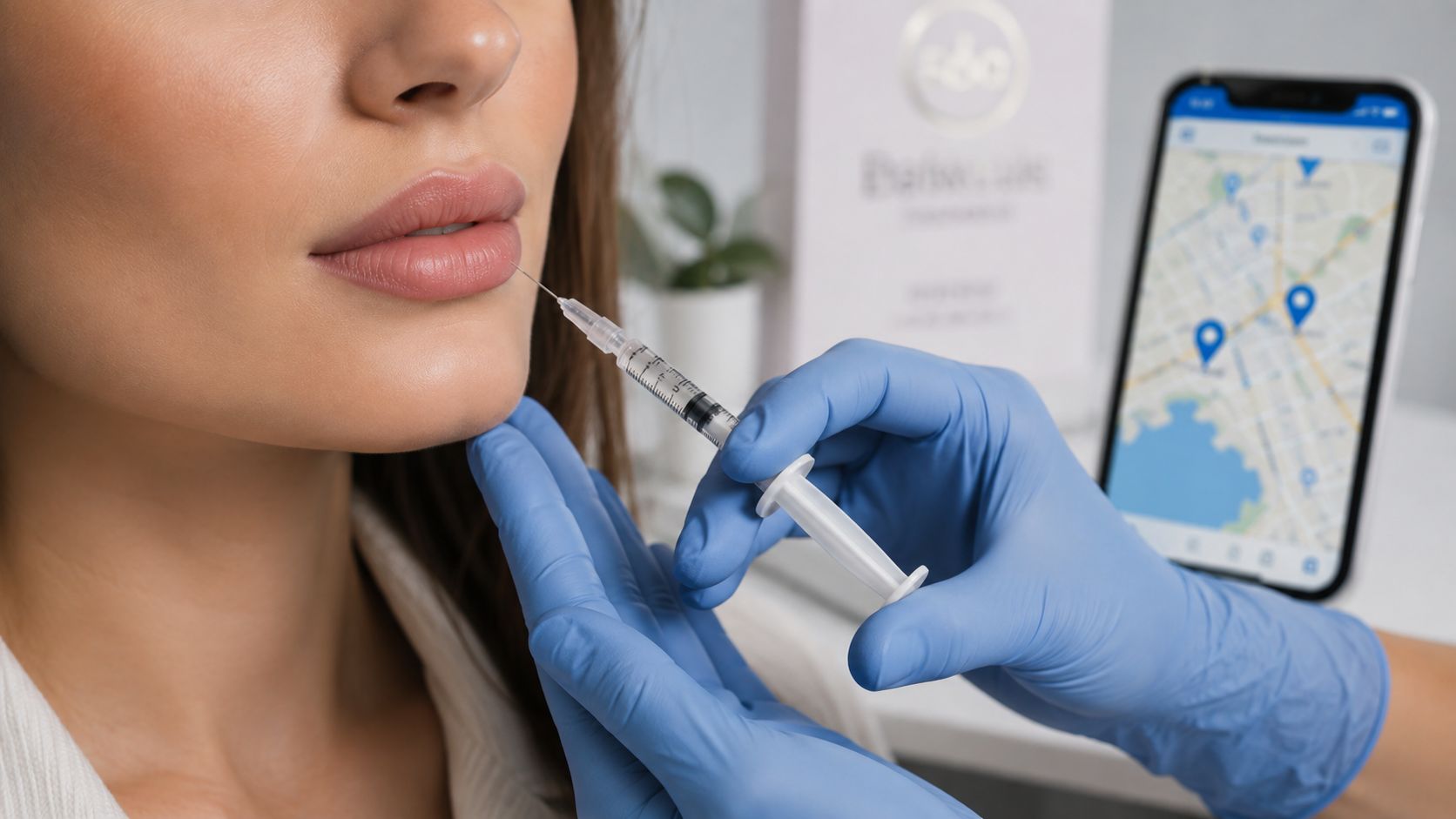
You saw a friend with subtly fuller, better-defined lips and opened your phone to search “lip filler near me.” The nearest clinic appeared first, the photos looked polished, and the booking button made the decision feel simple. But lip filler isn't a beauty add-on you choose by distance. It's a medical injection, and your injector's training, technique, product selection, and follow-up plan will shape the result far more than the number of minutes you drive.
Why Finding the Right Lip Filler Near Me Matters
A first-time patient once told me she booked the first nearby clinic after admiring a friend's refreshed lips. The appointment was convenient, but the result wasn't. One side looked fuller than the other, bruising lingered, and she spent weeks wondering whether the unevenness was temporary swelling or a technical problem. The clinic had been easy to find. It hadn't been easy to vet.
That distinction matters. Lip filler is a medical procedure, even when the appointment takes place in a polished aesthetic studio. The injector places a gel into delicate tissue around blood vessels, nerves, and the oral structures that affect speech, smiling, and movement. Small differences in placement can change the Cupid's bow, border definition, projection, symmetry, and how naturally the lips move.
My rule for first-timers: Search locally, but choose clinically. A short drive isn't a benefit if the provider can't explain the product, manage a complication, or show consistent work.
Proximity still has practical value. You'll want a convenient location for consultation, treatment, and follow-up. But convenience should come after four filters:
- Credentials: Confirm that a licensed medical professional performs the injections and has specific aesthetic training.
- Experience: Look for repeated lip-focused work, not just general claims about injectables.
- Results: Review unfiltered photos showing different lip shapes and conservative outcomes.
- Safety: Confirm the use of approved hyaluronic-acid products, sterile technique, and a clear emergency plan.
The demand is substantial. The American Society of Plastic Surgeons reported 1,449,565 injectable lip-augmentation procedures in the United States in 2024, while hyaluronic-acid fillers overall accounted for 5,331,426 procedures and HA fillers for lip augmentation alone accounted for 1,589,502 (American Society of Plastic Surgeons procedure trends). More are comparing, and booking, but popularity doesn't make every local operator safe.
Even adjacent habits deserve thoughtful screening. If you're researching products for sleeping comfort or lip-area care, use practical local mouth tape shopping tips rather than assuming the closest listing is automatically suitable. Apply the same discipline to your injector search.
What Lip Filler Is and How It Works
Hyaluronic acid, or HA, filler is a soft-tissue gel made from a substance that binds water. It provides structure where the injector places it, while its water-binding properties support a fuller, smoother appearance. Your body gradually breaks the material down, so the result is temporary rather than permanent.
The history is relatively recent. The first HA filler was approved in Europe in 1996, and the first FDA-approved HA filler in the United States arrived in December 2003, marking the beginning of the modern cosmetic-injectables era (history of hyaluronic-acid fillers). The FDA states that dermal-filler effects last approximately 6 to 12 months, while Cleveland Clinic notes that many patients see results for 12 to 18 months, depending on metabolism and product choice.
What HA filler can change
A skilled injector can use filler to:
- Add controlled volume to thin or deflated lips.
- Refine the vermilion border and Cupid's bow.
- Improve uneven shape.
- Smooth selected lip lines.
- Support hydration and a softer surface appearance.
- Create more balanced upper and lower lip proportions.
Filler has limits. It won't permanently erase smoker's lines, lift significantly sagging mouth corners, or reproduce the structural change of a surgical lip lift. If the concern involves muscle activity, skin laxity, or dental structure, adding volume may be the wrong treatment.
The filler choice should follow your anatomy and goals, not a product menu. Lip-focused HA products commonly discussed in clinical practice include Juvéderm Ultra, Volbella, Restylane Kysse, and RHA 2 or RHA 3. Ask the provider to explain why a particular product suits your tissue, desired projection, and tolerance for swelling. For a plain-language explanation, read how dermal fillers work before your consultation.

Expect swelling immediately after treatment. Your lips may look larger or less even before the gel settles and the inflammatory response calms. If correction is needed, HA filler can generally be treated with hyaluronidase, an enzyme qualified clinicians use to dissolve HA. That option does not excuse poor technique. It makes product choice, injector skill, and medical oversight even more important.
How to Evaluate a Lip Filler Provider Near You
A Google result is a starting point, not a recommendation. I tell patients to reduce the local search to a short list, then judge each practice against four questions.
Credentials come first
The injector should be a licensed nurse practitioner, physician assistant, or physician with specific aesthetic training. Ask who will personally perform the injections. Don't accept vague language such as “our medical team” if the clinic won't name the practitioner.
The setting should function as a registered medical practice, not a salon room with injectable services added to the menu. A qualified provider should collect medical history, assess your anatomy, obtain informed consent, and explain risks without rushing.
Photos reveal judgment
Before-and-after galleries show more than technical ability. They show whether the injector understands restraint. Look for:
- Multiple patients, not one heavily edited model.
- Similar starting lip shapes to yours.
- Consistent symmetry and border definition.
- Photos in comparable, unfiltered lighting.
- Results that look natural at rest and during expression.
A dramatic transformation isn't automatically a good one. If every patient has the same exaggerated shape, the injector may be following a signature look instead of adapting treatment to facial anatomy.

Reviews need close reading
Star ratings are less useful than specific patient experiences. Read comments on Google, RealSelf, and social platforms for references to natural results, comfort, communication, follow-up, and complication management. A responsible practice won't have a perfect record of zero swelling or bruising. It should, however, demonstrate that patients received clear instructions and access to help when something concerned them.
Pricing should be transparent
Ask whether the quoted price is per syringe, per treatment area, or based on the product selected. The clinic should identify the brand and explain how much product the plan may require. Be cautious about pressure to buy packages before a consultation or unusually deep discounts that make product authenticity and storage impossible to evaluate.
The cheapest appointment isn't a bargain if you later pay another provider to correct it. Your comparison should include medical oversight, follow-up access, product transparency, and the provider's ability to respond if your recovery doesn't follow the expected pattern.
Choosing the Right Look for Your First Treatment
Before you search for the closest appointment, decide what you want to improve. First-time lip enhancement can address volume loss, a tucked upper lip, uneven borders, or dry-looking texture. Your provider should recommend a treatment based on your anatomy and goal, not promote a signature shape.
| Approach | Best For | Longevity | Result |
|---|---|---|---|
| Volume filler | Thin lips, age-related volume loss, shape refinement | Approximately 6 to 12 months for HA filler | More volume, projection, definition, or symmetry |
| Lip flip | A tucked upper lip, limited upper-lip show, or a gummy smile | Temporary and shorter-lived than HA filler | The upper lip rolls outward subtly without adding filler volume |
| Hydration-focused treatment | Texture concerns, fine lines, and a desire for minimal size change | Depends on the selected product and treatment plan | Softer, smoother, more hydrated-looking lips |
A conservative filler plan may use a soft HA product such as Restylane Kysse or Juvéderm Volbella for gentle volume and shape. The injector should place small, deliberate amounts in specific areas, then reassess the balance. Adding product indiscriminately is how lips become heavy, stiff, or poorly proportioned.
A lip flip uses a neuromodulator around the upper-lip muscle. It suits someone who wants a subtle change or whose upper lip disappears when smiling, but it does not create the volume or structural definition of filler. It can temporarily affect activities that rely on lip movement, so ask about those trade-offs before choosing it.
A hydration-focused approach uses a softer HA product in small deposits. It may fit someone who wants smoother texture rather than a visibly larger pout. You can discuss combining a lip flip with conservative filler, but each treatment should address a separate concern. A combination should not increase the bill.
Your first treatment should leave room for reassessment. A skilled injector will explain what the chosen product can and cannot change, then resist adding more before the result has settled.
For non-injectable care between appointments, Skin Perfection for fuller lips offers additional routine ideas. Skincare will not replace filler, but healthy skin can make any enhancement look more polished.
What to Expect at Consultation and on Treatment Day
The appointment should begin with questions, not a syringe. Your provider needs to review medications, allergies, pregnancy status, cold-sore history, previous filler, and any reactions to cosmetic treatments. Answer fully and accurately. These details affect both treatment planning and safety.
Bring reference photos that match your natural lip structure. A qualified injector should examine lip shape, symmetry, philtrum length, tooth show, movement, and how your lips relate to the rest of your face. Use those observations to define a proportionate goal, rather than copying a social-media look.
Questions that should be answered before injection
Get clear answers before treatment starts:
- Product: The exact filler brand and formulation.
- Plan: The intended amount and where it will be placed.
- Price: The total expected cost, including possible additional treatment.
- Recovery: Expected swelling, bruising, restrictions, and follow-up.
- Correction: Whether hyaluronidase is available if HA filler needs to be dissolved.
- Emergency care: Who to contact and what to do after hours.
Ask the injector to explain the product's intended use and the plan for reassessing your result. A skilled provider places small, deliberate amounts, checks balance, and avoids adding product just because some swelling has already started.
Topical lidocaine commonly remains on the lips for 10 to 15 minutes before injections. If you are especially sensitive, the provider may discuss a dental block. The injections often take 10 to 20 minutes, but a short injection period is no reason to rush the consultation or final assessment.
You will see an immediate change, but early swelling can make the lips look overfilled, uneven, or unfamiliar. Follow your provider's instructions, including gentle icing in short intervals, sleeping with your head elevated, and avoiding straws, alcohol, and intense exercise during the first 24 to 48 hours when advised.

Do not judge the result in the first few hours. Final settling can take 2 to 4 weeks, depending on swelling and the treatment plan. Before your visit, review this guide on what to do before getting lip fillers so you can arrive prepared and focus on evaluating the provider, not just the clinic's location.
Red Flags and Safety Risks to Watch For
The most dangerous mistake is treating lip filler like a product you can buy and apply without medical oversight. The FDA identifies accidental intravascular injection as the most concerning dermal-filler risk because filler can block blood flow and damage tissue (FDA dermal-filler safety guidance). That risk makes injector training, anatomical knowledge, and rapid recognition of warning signs essential.
Avoid needle-free injection devices, including hyaluron pens. The FDA warns that these devices have caused serious, sometimes permanent injuries to the skin, lips, and eyes, and they aren't FDA-approved for filler delivery (FDA warning on needle-free devices). Don't buy consumer-sold filler or attempt self-injection at home.
Walk away when the process feels improvised
These warning signs should end the conversation:
- No real consultation: The injector wants to inject before reviewing your health history or goals.
- Unknown product: Staff won't name the filler, show packaging, or explain its intended use.
- Unlicensed provider: The person injecting can't provide verifiable medical credentials.
- Pressure tactics: You're pushed to book immediately or purchase a package before assessment.
- Suspicious pricing: The price is so low that authenticity, storage, or sterile handling becomes unclear.
- No emergency plan: The clinic can't explain who manages severe pain, blanching, discoloration, or persistent swelling.
A systematic review covering 3,965 treated patients found common adverse events including swelling, firmness, bruising, tenderness, redness, papules, and itching. About 50% of patients experienced some adverse event, while 1.1% experienced serious events requiring treatment, follow-up, or lasting beyond 30 days (systematic review of HA-filler safety). Those findings support a calm but attentive approach. Most reactions are temporary, but persistent swelling, a firm mass, worsening pain, or signs of compromised blood flow deserve prompt medical review.
Follow your injector's instructions before applying devices or active skincare after treatment. For a practical discussion of timing around LED use and injectables, see Solawave advice on post-injection skincare. You can also review dermal-filler side effects so you know which symptoms belong to routine recovery and which don't.
Your Next Steps Toward Booking With Confidence
Use this sequence before you commit to a nearby provider. It keeps convenience in its proper place and turns an emotional purchase into a clinical decision.
- Confirm the injector. Verify the person's license, aesthetic training, and role at the practice. Ask whether a licensed nurse practitioner, physician assistant, or physician will perform the treatment.
- Confirm the product. Ask whether the plan uses an HA filler approved for the intended treatment and whether you'll see the product packaging before injection.
- Review the portfolio. Request photos of patients with similar lips, including conservative results. Look for consistency rather than one impressive image.
- Book consultation first. Don't book an injection because an online calendar has an opening. A consultation should cover anatomy, goals, product, amount, cost, recovery, and dissolving options.
- Disclose your history. Bring a medication list and explain allergies, pregnancy, cold sores, prior filler, and past complications.
- Protect your calendar. Leave a low-pressure window after treatment, with no major event immediately following. Swelling and bruising are individual, and you shouldn't have to hide or panic if recovery takes longer than expected.
- Bring useful references. Choose photos that show the kind of proportion and finish you like, but let the injector adapt the plan to your own anatomy.
BotoxBarb offers consultation and injectable services that include fillers such as Restylane, JUVÉDERM, and Revanesse Versa. If you contact the practice, prepare your treatment history, medication list, questions about HA products, and reference photos so the first visit can focus on building a safe, realistic plan rather than sorting out basic information.
Common Questions About Lip Filler Answered
Does lip filler hurt?
Most patients describe pressure, pinching, or brief stinging rather than sustained pain. Topical numbing and the anesthetic included in many HA products can make the procedure more manageable, while a dental block may be discussed for someone who is particularly sensitive.
How long does swelling last?
Swelling is commonly most noticeable during the early recovery period. Mild injection-site effects such as swelling, bruising, tenderness, and redness are typical, and independent clinical guidance describes most of these issues as resolving within a few days (FDA patient information on dermal fillers). Don't use a day-one or day-three photograph to judge the final shape.
What happens if I don't like the result?
Contact the treating provider rather than trying to massage, puncture, or correct the area yourself. If the filler is HA, a qualified clinician may use hyaluronidase when dissolution is appropriate. It isn't a casual reset button, so the decision should follow an examination and a discussion of the reason for the concern.
Can lip filler look subtle?
Yes. Subtlety depends on product selection, injection technique, placement, and the amount used. Tell your provider whether you want hydration, border definition, improved symmetry, or visible volume. “Natural” is too vague on its own, so use those specific terms and ask how the plan will preserve movement and facial balance.
BotoxBarb offers personalized lip-filler consultations and injectable options, including Restylane, JUVÉDERM, and Revanesse Versa, with planning centered on your anatomy and desired level of enhancement. Visit BotoxBarb to review appointment options, prepare your questions, and start with a consultation rather than choosing a provider based only on the phrase “lip filler near me.”