Achieve Radiant Skin: Your 2026 Bare Face Skincare Guide
You're probably here because you'd love to leave the house with less makeup, or none at all, but you don't want to gamble on random skincare advice. That's a smart instinct. Bare face skincare sounds simple on social media, yet real skin rarely responds well to oversimplified routines, trend-driven product stacking, or the idea that “natural” automatically means effective.
In practice, healthy makeup-optional skin comes from structure. You protect what's working, correct what isn't, and give your skin enough time to respond. That's the standard Barb N.P. encourages: clear daily fundamentals, careful use of active ingredients, and advanced treatments only when they support the skin rather than overwhelm it.
Rethinking the Bare Face A New Philosophy for Your Skin
A lot of people assume bare face skincare means cutting your routine down to the fewest possible products. That isn't how good skin is built. In reality, many no-makeup routines still include vitamin C, brightening serums, eye cream, moisturizer, and SPF, which shows that the primary goal is simplification and effectiveness, not elimination, as noted in this creator discussion of no-makeup routines.
The better question is not, “How do I use less?” It's, “Which steps improve my skin enough that makeup becomes optional?”
Skin health beats cosmetic cover
Foundation can soften the look of redness, uneven tone, and texture for a day. It doesn't correct the reason those issues keep showing up. Bare face skincare shifts your attention from covering the surface to strengthening the skin itself.
That usually means focusing on:
- Barrier integrity so skin holds hydration and tolerates treatment better
- Pigment control when dark marks or blotchiness linger
- Cell turnover support for rough texture and dullness
- Sun protection so progress isn't undone every morning
When clients stop chasing instant camouflage and start treating the skin like living tissue with specific needs, their routines become more useful. Often, they also become easier to maintain.
Bare face skincare works best when every product has a job. If a step doesn't protect, repair, or support your barrier, it's probably clutter.
Minimal doesn't mean passive
A stripped-down routine can be appropriate. A passive routine often isn't. If you have acne, pigment, persistent dryness, or visible sun damage, skin usually needs more than cleanser and moisturizer. It needs a plan.
That's why I prefer a medical-grade framework over trend language. Use what your skin needs, not what sounds aesthetically minimal. For some people, that means a simple cleanse-moisturize-SPF routine for a season. For others, it means a targeted stack with an antioxidant in the morning and a retinoid at night.
If you also like lifestyle-based support, these natural tips for healthy skin can complement a more structured routine well. They're most useful when paired with products and habits that address the skin directly.
For a stronger framework on sequencing and product logic, Barb N.P.’s guide on how to build a skincare routine is a solid starting point.
The Core Morning Routine Your Daily Shield
Your morning routine should do one thing exceptionally well. It should help your skin face the day with less inflammation, less oxidative stress, and less preventable damage.
Barrier-first sequencing matters here. After cleansing, products should go on thinnest to thickest, and the core stack commonly includes an antioxidant and daily SPF, according to this barrier-first routine guide.

Four steps that pull their weight
-
Cleanse gently
If your skin isn't very oily, a mild morning cleanse is enough. You're removing overnight oil, sweat, and residue, not trying to strip the face. Tight, squeaky skin is not the goal. -
Use an antioxidant serum
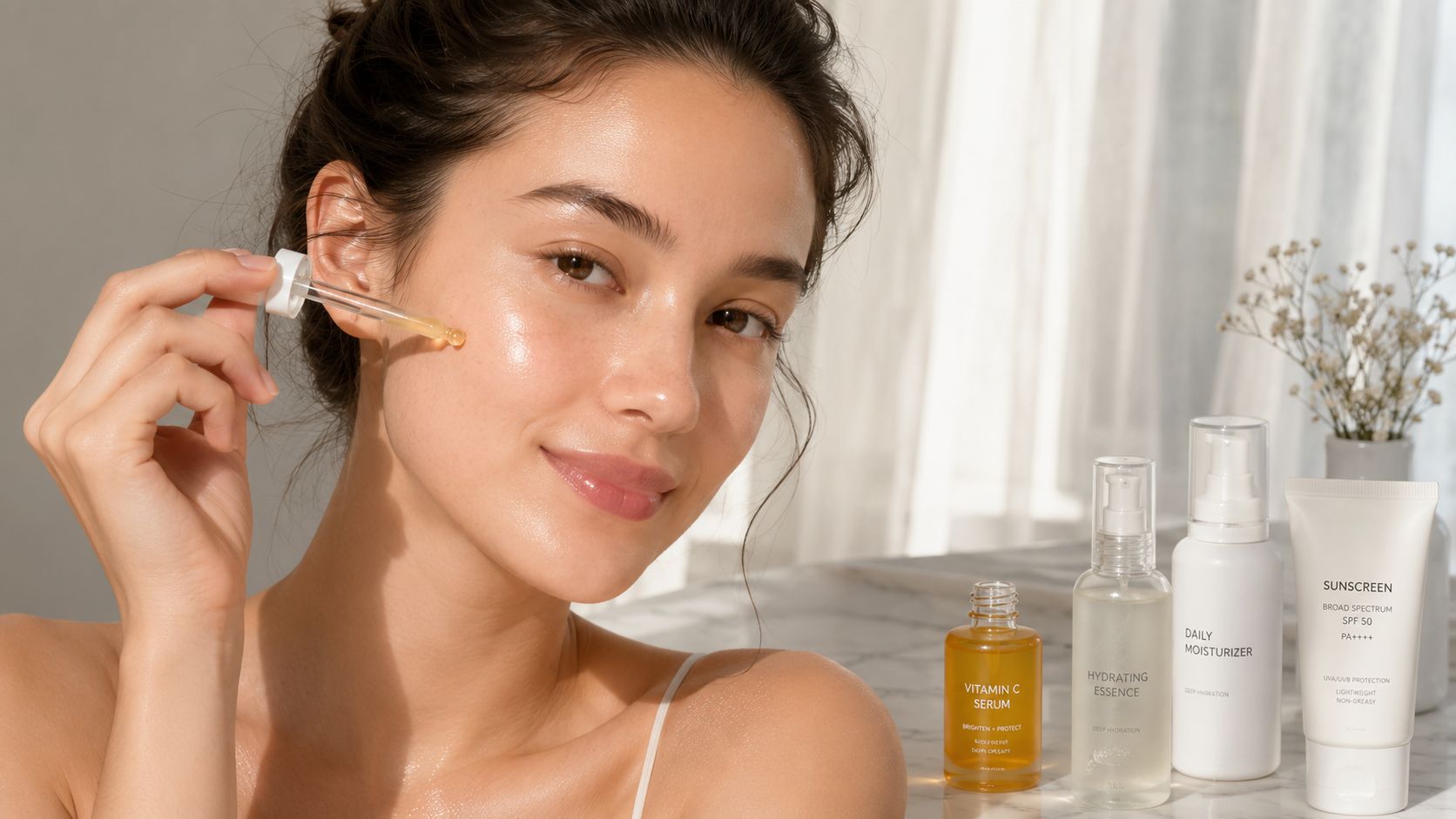
Among antioxidant serums, a vitamin C serum earns its place. It helps support skin exposed to daily environmental stress and is one of the smartest treatment steps for a bare-face routine focused on brightness and tone. A medical-grade formula such as SkinCeuticals C E Ferulic is a reasonable choice when your skin tolerates vitamin C well. -
Moisturize with intent
A moisturizer isn't just there to make skin feel comfortable. It helps reduce water loss and supports the barrier so the skin is less reactive through the day. The texture matters. Gel creams tend to suit oilier skin, while cream-based formulas often serve dry or mature skin better. -
Finish with broad-spectrum SPF
This step is essential. If you're trying to improve tone, texture, or fine lines, sunscreen is the product that protects every other step in your routine.
What a shield routine looks like in practice
A strong morning lineup often looks like this:
- Cleanser for a fresh, balanced surface
- Vitamin C serum for antioxidant support
- Moisturizer matched to your barrier needs
- SPF 50 as the final protective layer
Practical rule: If you're investing in treatment products but skipping sunscreen, you're making your routine work against itself.
Some clients want sunscreen that layers well and doesn't leave a chalky finish. In that case, Wellness Apothecary's brightening sunscreen is worth looking at for texture and wearability, especially if white cast is one reason you've been inconsistent.
For a step-by-step daily structure, Barb N.P.’s article on a morning skincare routine maps out the order clearly.
The Evening Routine Repair and Regenerate While You Sleep
Night is when your routine should become more corrective. The goal isn't to throw every active at your face. The goal is to remove the day thoroughly, use treatment ingredients with discipline, and give the barrier enough support to stay calm while your skin adjusts.
A lot of irritation starts with poor pacing, not bad products.

Start with a complete cleanse
If you wear sunscreen, makeup, or spend time in polluted environments, a single quick wash may not be enough. An oil-based first cleanse or cleansing balm helps break down SPF and residue. Your second cleanse should be a gentle water-based cleanser that leaves skin clean, not stripped.
That prep matters because actives absorb more predictably on properly cleansed skin.
Introduce retinoids slowly
Retinoids remain one of the most useful nighttime options for texture, tone, and visible signs of aging. They're also one of the easiest ways to irritate your skin if you rush them.
A conservative ramp-up is to use a new active 3 days per week on alternating days for 2 weeks, then increase by one day if the skin stays balanced. The same guidance notes that visible change can take up to 12 weeks, with larger improvements often taking around 6 months, and common early issues include dryness, sensitivity, irritation, increased breakouts, and redness, according to this retinoid introduction guidance.
That timeline is where many people quit too early. They assume a product is failing when the skin is still adjusting.
Keep the rest of the night routine boring
Restraint is beneficial.
- Use one main active on treatment nights, not three
- Apply moisturizer after treatment to support comfort and barrier recovery
- Skip extra exfoliation when your skin is already adjusting to a retinoid
- Watch your skin, not the label because tolerance is individual
A nighttime routine doesn't need to feel aggressive to be effective. In many cases, calmer routines get better long-term outcomes because the skin stays intact enough to keep going.
Good evening skincare is consistent, not dramatic.
Sleep quality also affects how skin looks and feels day to day. If you're noticing dullness, puffiness, or a generally tired complexion, REM-Fit's skin health insights offer a useful reminder that your routine works better when recovery habits are in place too.
For a practical order of operations, see Barb N.P.’s guide to a night skincare routine.
Elevate Your Results With Weekly Treatments
Daily basics build the foundation. Weekly treatments are where many people start to see their routine look more polished and intentional.
This is especially true when skin feels congested, dull, rough, or slow to recover. You don't need a packed schedule of masks and peels. You need one or two well-chosen additions that target what your daily products can't do alone.
Exfoliate with restraint
Chemical exfoliation can help remove the buildup that makes skin look flat and uneven. AHAs are often useful when your focus is surface roughness and radiance. BHAs are more helpful when oil, congestion, and breakouts are part of the picture.
The mistake isn't exfoliating. The mistake is exfoliating too often, combining it with too many other actives, or treating every patch of texture as something to scrub away.
A better weekly rhythm looks like this:
- Choose one lane with either an AHA or a BHA instead of layering multiple exfoliants at once
- Keep frequency modest so the skin stays smooth without tipping into sensitivity
- Follow with barrier support using a plain moisturizer and avoiding extra treatment products that night
Add LED when you want support without friction
LED therapy fits bare face skincare well because it supports the skin without relying on another acid, scrub, or strong topical active. For clients who want a clinic-inspired option at home, the Barb N.P. Facial Mask is one device that makes sense within a structured routine.
Its appeal is practical:
- Wireless design makes it easier to use consistently instead of feeling tethered to a mirror or outlet
- Comfortable fit matters because a mask you don't mind wearing is one you'll keep using
- Three light settings allow different use cases, including red light for collagen support, blue light for acne-focused care, and amber light for healing support and visible redness
That kind of tool works best as a supplement, not a substitute. If your daily routine is chaotic, LED won't rescue it. If your routine is solid, LED can become a helpful weekly layer.
Weekly treatments should make the skin calmer, clearer, or smoother. If they make your face feel raw, your plan is too aggressive.
How to Customize Your Routine For Your Skin Type
Many already do the basics. The larger skincare market reflects that mainstream habit. The global skincare products market was valued at USD 131.2 billion in 2022 and is projected to reach USD 212.96 billion by 2032, while the same dataset reports that 85% of women and 67% of men include cleansing and moisturizing in daily routines, according to Market.us skincare statistics. The problem isn't usually whether someone owns cleanser and moisturizer. It's whether the routine matches the skin in front of them.

A simple comparison that changes everything
| Skin type | What usually helps | What often backfires |
|---|---|---|
| Oily or acne-prone | Lightweight cleanser, non-comedogenic moisturizer, selective BHA use, oil-free SPF textures | Heavy occlusive layering, harsh scrubs, over-cleansing |
| Dry or dehydrated | Cream cleanser, richer moisturizer, hydrating support, careful use of actives | Foaming cleansers that strip, frequent exfoliation, skipping moisturizer |
| Combination | Zone-based product use, lighter textures on the T-zone, richer support on drier areas | Using one strong product across the entire face without adjustment |
| Sensitive or redness-prone | Fragrance-free products, slow introduction of actives, soothing formulas, patch testing | Rapid product changes, frequent acids, strong retinoid starts |
What to change for your skin
For oily or acne-prone skin, think balance, not punishment. A salicylic-based cleanser or leave-on BHA can help, but your moisturizer still matters. When oily skin gets dehydrated, it often becomes shinier and more reactive, not clearer.
For dry or dehydrated skin, bare face skincare should feel cushiony and protective. Cream cleansers, hydrating layers, and richer barrier creams usually perform better than matte-finish products. If your skin stings easily, reduce active frequency before adding another hydrating serum.
For sensitive or rosacea-prone skin, keep the routine shorter and calmer. Patch test every active. Choose lower-irritation textures, avoid fragrance when possible, and don't confuse tingling with effectiveness.
Combination skin needs zone thinking
Combination skin often gets poor results from all-or-nothing advice. You may need a lighter product on the forehead and nose, then a more supportive cream on the cheeks. That isn't overcomplicating the routine. It's responding to reality.
A personalized routine should feel logical on your face, not symmetrical on your shelf.
Troubleshooting Common Concerns and Supporting Professional Treatments
Some skin concerns respond well to home care. Others improve faster and more predictably when a solid home routine supports professional treatment. That partnership matters more than people realize.
If you're wearing less makeup, your skin's underlying patterns become more visible. Redness, rough texture, enlarged-looking pores, dark marks, and fine lines won't all respond to the same ingredient. They need different tools and, sometimes, a higher level of intervention.

What to adjust at home
-
For persistent redness
Keep your routine gentle and consistent. Strip out unnecessary acids and fragranced products first. Barrier support often matters more than adding another treatment serum. -
For uneven texture
Look at your retinoid tolerance, cleansing habits, and exfoliation frequency. Texture often improves when cell turnover is supported steadily rather than aggressively. -
For hyperpigmentation or post-breakout marks
Patience is part of the treatment. Brightening support can help, but dark spots tend to linger if daily UV protection slips.
If your skin keeps cycling between “better” and “angry,” the routine is usually too busy, too strong, or too inconsistent.
When clinical treatments make sense
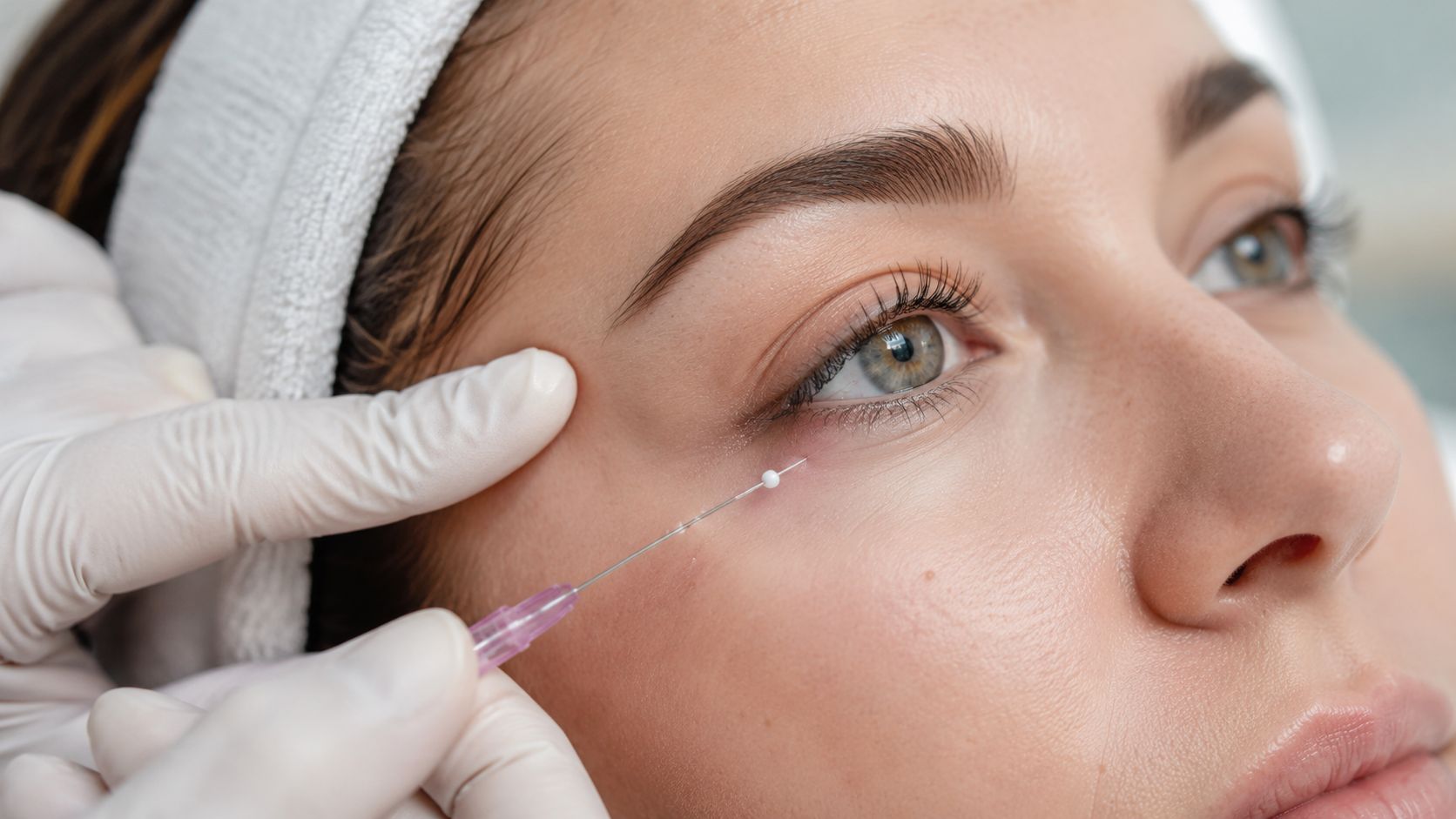
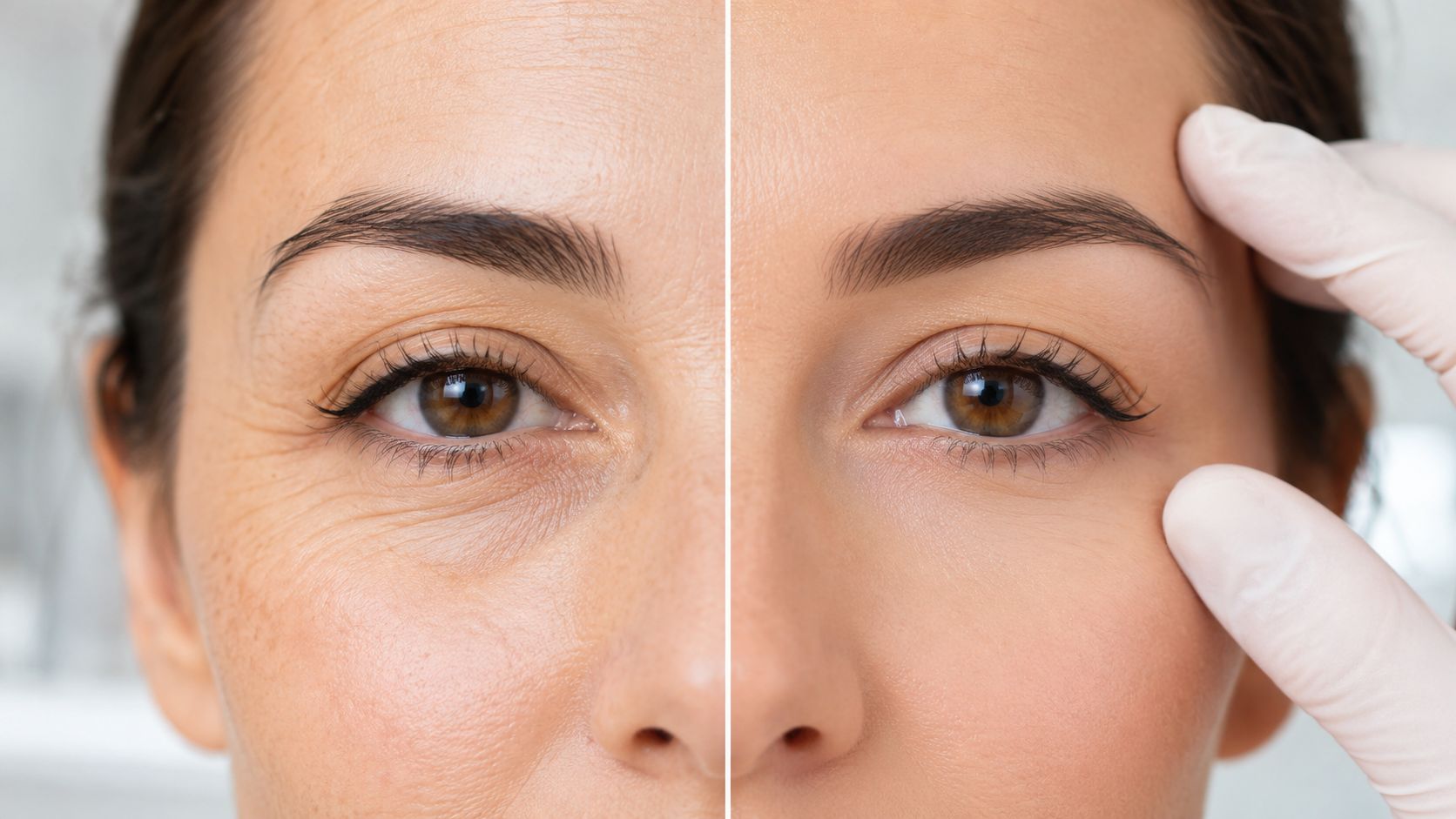
A healthy bare face doesn't mean refusing aesthetic treatments. In many cases, professional care helps you rely less on makeup because it addresses concerns your topical routine can only partially improve.
Examples include:
- Botox or Dysport when expression lines are your main cosmetic frustration
- Fillers when facial support or contour loss changes how rested you look
- PRP treatments when skin quality and regeneration are the larger focus
- Microneedling or LED therapy when texture and overall skin refinement need more than topicals alone
In my view, the smartest approach is layered care. Your home routine keeps the barrier steady and preserves results. Professional treatments handle concerns that need precision, depth, or a stronger stimulus.
The sunscreen trap in the bare-face trend
There's one trade-off that deserves more attention. When people feel more confident without makeup, some become less disciplined about sunscreen. That's exactly the wrong trade.
Expert guidance still treats broad-spectrum SPF as the final, essential step in a minimal routine because it helps prevent visible photoaging and longer-term damage, as discussed in this bare-face sunscreen guidance.
A bare face should reveal healthier skin, not more UV exposure.
If you want a routine that does more than sit on your bathroom counter, explore BotoxBarb for medical-grade skincare, LED light therapy options, and in-clinic treatments that work alongside a disciplined bare face skincare plan. Barb N.P. approaches skin the way good practitioners should: protect the barrier, use actives with purpose, and match treatment intensity to the person, not the trend.