Botox for Fine Lines Under Eyes: A Practitioner's Guide
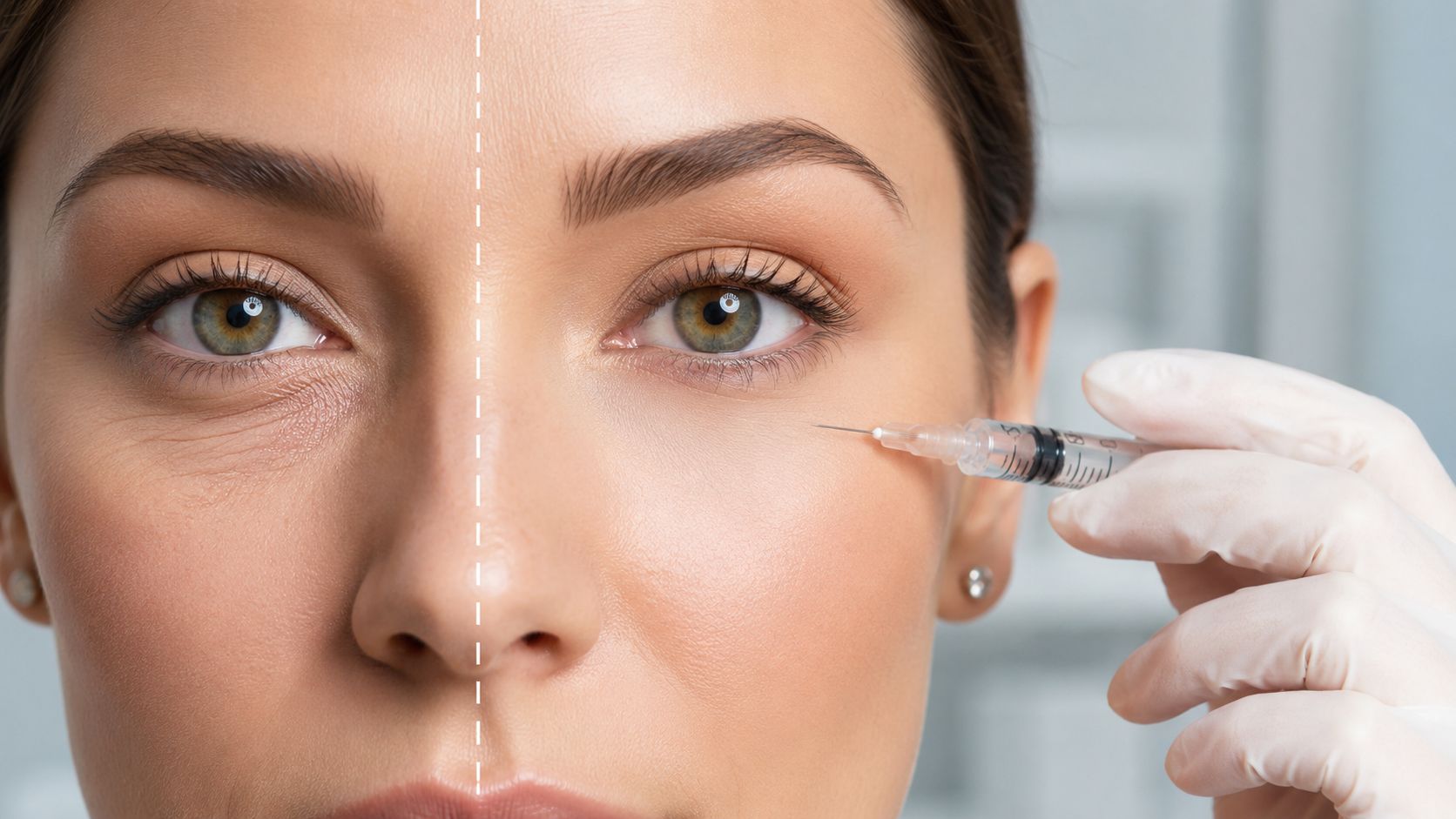
Many seek Botox because they want the fine lines under the eyes to disappear. In chairside reality, that's the wrong first question. The better question is whether those lines are dynamic, meaning they show up when you smile or squint, or static, meaning they sit there at rest. That distinction decides whether Botox for fine lines under eyes is a smart choice, a partial fix, or the wrong tool altogether.
Botulinum toxin type A can soften movement-driven creasing around the eye by reducing muscle contraction. It does that by blocking acetylcholine release at the neuromuscular junction, so the skin folds less when the orbicularis oculi fires. The catch is simple, but important, under-eye skin is delicate, and the lower lid is not where you want to overdo it. Conservative dosing is the whole game.

If you're trying to understand whether the issue is puffiness, hollowing, pigment, or movement lines, start with the anatomy instead of the trend. The wrong diagnosis leads to the wrong syringe. This guide to what causes under-eye bags is useful because the lower eye area often has more than one problem happening at once.
Why Botox Is Not Always the Answer for Under-Eye Lines
Under-eye Botox gets oversold because it's easy to say “wrinkles” and much harder to sort out what kind. The lower eyelid region can crease from expression, but it can also look tired because of skin thinning, pigment, laxity, or volume loss. Only one of those problems is a good match for toxin.
Dynamic lines respond, static texture usually doesn't
A useful mental model is a clutch-and-cable system. The nerve is the cable, the muscle is the clutch, and when the signal reaches the muscle, the overlying skin folds. Botox interrupts that signal, so the lower part of the orbicularis oculi contracts less and the skin creases less during expression.
That's why the best-supported use in the eye area is movement-related wrinkling, not fixed hollows or bags. In a Cochrane review of facial-wrinkle trials, physician-assessed treatment success at 4 weeks was 53 per 100 with abobotulinumtoxinA 50 U versus 3 per 100 with placebo, with a risk ratio of 15.78 across 1,060 participants in 7 randomized controlled trials. Participant-assessed success was 16 per 100 versus 3 per 100 at 4 weeks, with RR 5.33 in 300 participants (Cochrane review).
Practical rule: if the line only shows when the muscle moves, toxin may help. If it's visible all the time, the answer is often elsewhere.
The lower eyelid is a precision zone
The U.S. FDA label supports Botox Cosmetic for lateral canthal lines, not true infraorbital lines, and the labeled pattern is 4 Units per site at 3 sites per side for a total of 12 Units per side (FDA label). That matters because the evidence is much stronger for crow's-feet type lines than for direct lower-lid injection. Cosmetic injection under the eye remains off-label in the U.S. (Medical News Today overview).
The under-eye area also behaves differently from the outer eye. Small changes in tone can alter both creasing and lid support, which is why experts use tiny doses and careful placement. The goal isn't to immobilize the region. It's to soften the little bursts of movement that etch fine lines into thin skin.
Why over-treating causes trouble
When injectors push too much toxin too low, they can weaken the lid rather than just the wrinkle. That's why practitioners focus on superficial placement and conservative dosing, especially for patients whose concern is a subtle scrunch line, not a deep fold. In this area, less really can be more.
A strong clinic habit is to screen for wrinkle type before touching the syringe. That's not being cautious for the sake of it. It's how you avoid treating the wrong anatomy with the right product.
Who Makes a Good Candidate for Under-Eye Botox
The clearest candidate is the patient who says, “I only see these lines when I smile or squint.” That usually means the wrinkle is dynamic, the skin still has decent tone, and the lower lid is not already carrying a major structural problem. In that setting, Botox can be a tidy, subtle refinement.
The patient profile that tends to do well
A typical good-fit patient is in their late 30s or 40s, expressive, and bothered by faint creasing that shows up in photos or with laughter. The skin usually still rebounds fairly well, and the goal is a softer edge, not a blank slate. If the person wants a natural result and understands that the effect is temporary, the conversation is usually straightforward.
The injector is looking at four things: whether the line moves, whether the lid has decent support, whether there's significant puffiness or fat herniation, and whether the patient can tolerate a small amount of bruising. If the main complaint is only when the face is animated, tiny doses may be enough to take the edge off without changing the personality of the face.
Who should think about another treatment first
If the line is visible at rest, Botox usually isn't the answer by itself. The same is true when the issue is crepey surface texture, pronounced hollows, or bagginess. Those concerns usually live in the skin or volume compartment, not the muscle compartment.
Good candidacy starts with the wrinkle type, not the product name.
Patients with active skin irritation, recent ocular surgery, or a strong preference for a single “fix everything” visit are often better served by a different plan. Under-eye Botox is a touch-up tool. It's not a universal eye-area solution, and it's not supposed to be.
If you're comparing options, a useful follow-up read is tear trough filler risks, because volume loss and dynamic creasing often get mixed together in the mirror. A skilled injector separates those problems before recommending anything.
What the Procedure Actually Feels Like
A normal appointment is much shorter than people expect. Most of the time is spent looking at the face in motion, not doing the injections themselves. I want to see the patient smile, squint, and relax so the tiny target points are obvious before any treatment starts.
What happens at the visit
The skin is cleaned, the lower lid is assessed in expression, and the injector marks where the movement is strongest. For under-eye work, precision matters more than volume, so a 30 to 32G needle is commonly used, with superficial placement roughly 1 cm below the orbital rim. The doses are tiny, usually about 1 to 2 units per injection site and around 4 to 8 units per eye in common practice (clinical explainer).
Patients usually describe the sensation as a few quick pinches with mild pressure. Some injectors prefer not to lay the patient completely flat, because working in a slightly upright position can make landmarking and placement easier in this delicate area. The whole visit often feels more like a focused precision session than a facial overhaul.
What patients usually do right away
Ice before or after can help with comfort, and many clinics ask patients to skip makeup for the rest of the day. Pressure on the area is avoided, not because the face is fragile in a dramatic sense, but because the toxin should stay where it was placed. A calm first hour matters more than people think.
A few tiny injections done well beat a larger, broader treatment done carelessly.
The practical vibe is simple. Come in with clean skin, expect a short appointment, and leave without treating the area like it needs babying all day. The lower lid wants restraint, not fussing.
Realistic Results and How Long They Actually Last
Results don't appear all at once. The first thing patients usually notice is a small softening in expression, then the line settles more fully over the next week or so. That's why I tell people to judge the result by their two-week mirror, not by the first couple of days.
The usual timeline
In a published lower-eyelid study, patients treated with 4 U of botulinum toxin in the lower eyelid alone had an interpalpebral aperture (IPA) of 1.8 mm at rest and a 2.6 mm increase at full smile, while 8 U yielded 2.2 mm at rest and 2.9 mm at full smile (lower-eyelid study). A modern periorbital trial also found wrinkle reduction beginning by the second week and persisting through 12 weeks, with a VISIA facial percentile of 48.83 ± 14.38 at week 12 and p < 0.0001 versus baseline (same published study).
For most patients, that translates into a realistic window of about 3 months, sometimes stretching to 4 to 6 months in slower metabolizers or lower-activity faces (clinical explainer). The fade is gradual. Movement starts returning little by little, which is why follow-up is usually scheduled by calendar, not by panic in the mirror.

If you're comparing your experience with the typical maintenance window, how long Botox lasts is a practical resource to keep on hand. The important point is that the treatment fades, it doesn't crash.
What success looks like
Success under the eye is subtle. The line doesn't vanish into a filtered blur, the face still smiles, and the lower lid folds less aggressively when the muscle kicks in. That's the win.
Botox vs Fillers vs Lasers vs Topicals for Under-Eye Lines
Matching the treatment to the wrinkle type saves a lot of disappointment. Botox is a muscle-relaxing tool, fillers address volume, lasers and microneedling target surface quality, and topicals work best as maintenance for texture and pigment. Under-eye problems often overlap, but one product rarely solves all of them.
The right tool for the right problem
If the line deepens with expression, Botox is the first place many injectors look. If the concern is a shadow from hollowing, hyaluronic acid filler is usually the more logical category. If the skin looks crepey, sun-damaged, or uneven in texture, fractional lasers or microneedling make more sense than toxin.
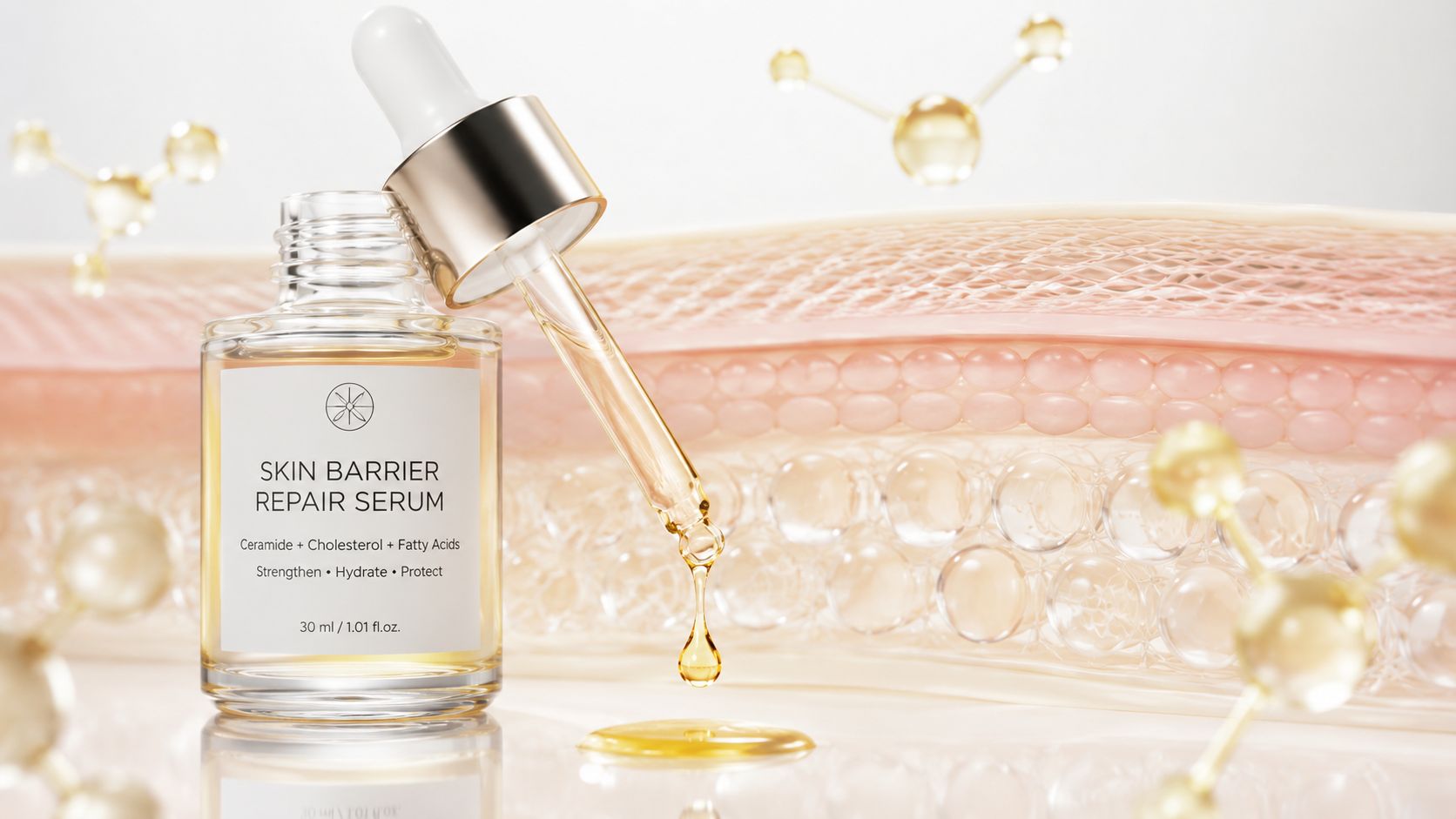
For surface support, peels and pigment-focused skincare can help the skin look clearer and smoother over time. A good example of a noninvasive maintenance category is the peptide-serum lane, including formulas positioned for expression-line softening. For readers looking at that broader skin-care angle, proven ingredients for fine lines is a useful ingredient-focused reference.
A practical comparison
| Treatment | Best For | Typical Duration | Downtime |
|---|---|---|---|
| Botox | Dynamic under-eye creasing | About 3 to 4 months, sometimes longer | Minimal |
| Hyaluronic acid filler | Hollows and tear-trough shadowing | Longer than toxin, varies by product and patient | Mild swelling possible |
| Fractional lasers or microneedling | Crepey texture and photoaging | Depends on the plan and maintenance | Recovery varies |
| Topicals, including retinoids and peptides | Surface texture and ongoing support | Ongoing with regular use | None to mild |
The decision rule is straightforward. If the line moves with expression, start with Botox or a peptide serum. If it sits still at rest, volume and skin-quality tools usually deserve priority.
One thing I say often in consults is that the under-eye area punishes bad sequencing. A filler-heavy plan for a movement problem, or toxin for a hollow problem, can make people feel like nothing works. The product wasn't the issue, the diagnosis was.
Risks, Side Effects, and Why Dosing Must Be Conservative
Under-eye Botox is one of those treatments where technique matters more than optimism. The area is small, thin-skinned, and functionally important, so the safety margin is narrower than it is in the forehead or even the outer eye. That's why a careful injector uses the least amount needed to change the wrinkle, not the most amount the patient can tolerate.
Common reactions and the ones that matter more
The usual short-term side effects are mild bruising, slight swelling, and brief tenderness. Those are annoying, but they're expected in a delicate injection zone. The bigger concern is what happens if toxin diffuses too low or too much.
When that happens, patients can see lower-lid weakness, smile asymmetry, dry eye symptoms, or, more rarely, problems like ectropion or diplopia. That risk profile is exactly why under-eye treatment is kept small and superficial, and why placement is typically a little below the orbital rim instead of drifting into the lid itself. The FDA benchmark for crow's feet, 4 Units per site at 3 sites per side for 12 Units per side, is a useful reference point because true infraorbital work is usually much more conservative than that (FDA label).
The lower eyelid is not the place for trial-and-error dosing.
Why experience matters more here
The biggest safety advantage is not magic product choice, it's an injector who treats the lower lid routinely. A clinician who knows where the orbicularis starts and stops, how far toxin can spread, and which faces are more prone to weakness will be far less likely to create an awkward result. That's especially true for patients with naturally delicate lids or a history of eye-area sensitivity.
This is also where the off-label reality matters. The treatment can be useful, but it should never be framed like a routine on-label quick fix. In this area, conservative dosing isn't a style choice, it's the safety protocol.

Pre- and Post-Care and Supporting Results Between Visits
The few days around treatment matter more than many realize. Good pre-care lowers the odds of bruising, and good aftercare protects the result while the toxin settles into place. The basics are boring, but they work.
The appointment-day checklist
Before the visit, many patients are advised to avoid alcohol and blood-thinning supplements for 24 to 48 hours, then arrive with clean skin. After treatment, the lower lid should not be rubbed, pressed, or massaged. It also helps to skip intense workouts that day and avoid lying flat for a few hours so the product stays where it was placed.
The area can be a little tender, so a cool compress is fine if the provider approves it. Makeup is usually best left off until the skin has calmed down, especially if you're bruise-prone. These steps aren't complicated, but they protect a very small target zone.
What helps between visits
Daily sunscreen matters because UV exposure keeps wearing down thin under-eye skin. A tolerated retinol or peptide routine can also support texture over time, as long as it doesn't irritate the area. People who want a noninvasive support device often like LED light therapy as a complement to injectables, especially when the goal is to keep the skin looking calmer between appointments.
BotoxBarb offers the BARB N.P. Facial Mask, a wireless LED mask with a contoured, comfortable fit and 3 lighting settings for different treatment goals. Used consistently, it fits well into an at-home plan aimed at supporting skin quality between in-office visits. It's not a replacement for injector judgment, but it can be part of the maintenance conversation for patients who want more than just a syringe-based routine.
Maintenance is part of the plan
The people who get the most from periocular Botox usually treat it like a cycle, not a one-off. They protect the skin, avoid rubbing the area, and come back before the line fully reasserts itself. That keeps the result looking intentional instead of reactive.
Cost Factors and Quick Answers to Common Questions
Under-eye Botox pricing is driven more by the injector than by the units. That's because the area is so precise, and precision takes training, time, and judgment. Geographic market, provider credentials, whether crow's feet are treated at the same time, the number of units used, and any touch-up policy can all affect the final price.
What usually affects the bill
A smaller area doesn't always mean a cheap visit. Some practices still price for consultation time, mapping, and expertise, even when the unit count is tiny. If the provider is careful about the lower lid, that caution is part of what you're paying for.
A good budget mindset is to ask what's included, not just what the per-unit rate is. The cheapest option is not a bargain if it's delivered by someone who doesn't regularly work around the eye.
Fast answers to common questions
How soon before an event should I book?
Book early enough to let the result settle. A two-week cushion is sensible because the visible effect develops over days and firms up by about week two.
Does it hurt more than other facial areas?
Many people find it tolerable because the doses are tiny, though the skin is sensitive and the area can feel more noticeable than the forehead.
Will it look obvious?
It shouldn't. The aim is softer movement, not a frozen lower eyelid.
What if one side looks slightly off before two weeks?
Wait. Early asymmetry often settles as the toxin finishes taking effect.
If you want a lower-maintenance routine between visits, a gentle peptide serum and consistent sunscreen are the first things I'd keep in place.
For patients who want an at-home support tool, the BARB N.P. Facial Mask is one option to consider alongside skincare. It gives you a way to keep the routine active between appointments without adding more needles to the plan.
If you're thinking about this treatment and want a careful, honest eye-area consult, BotoxBarb can help you sort dynamic lines from static texture and choose the right path instead of the popular one. Visit BotoxBarb to book a consultation and look at the product and service options that fit under-eye care, skincare support, and maintenance between visits.