Can You Wear Makeup After Botox Aftercare Guide
Mainstream guidance ranges from waiting until the injection sites close, which can be about 15 minutes, to waiting a more conservative 24 hours. The deciding factor isn't the makeup itself. It's whether you can avoid rubbing the area for 12 hours and keep fresh puncture sites clean while your skin settles.
You've just left your Botox appointment, your skin looks mostly fine, and then real life shows up. Maybe you're headed back to work, maybe you've got dinner plans, or maybe you don't love the idea of walking around with a little redness on your forehead. This is the moment when most first-time clients ask the same thing. Can you wear makeup after Botox, or are you going to ruin your results?
The honest answer is that clinics disagree because they're weighing two different issues. One is skin closure. The other is friction and contamination. If tiny injection points have sealed and there's no active bleeding, some practitioners are comfortable with very gentle makeup later that day. Others prefer a full day makeup-free because it's the simplest way to lower irritation and infection risk.
That's why I don't give this advice as a blanket yes or no. I treat it as a risk-stratified aftercare decision. If your skin is calm and you can apply product with a clean sponge using a patting motion, your answer may be different from someone with visible bumps, rosacea, acne, or a habit of buffing in full-coverage foundation.
Bottom line: small choices in the first hours matter more than the brand in your makeup bag.
Introduction to Makeup and Botox Aftercare
You leave your appointment, catch your reflection in the car mirror, and notice a little redness or a few tiny marks. Then the practical question hits. Do you need to stay completely makeup-free, or can you cover things and get on with your day?
The reason advice varies is simple. Botox aftercare is not really about the makeup itself. It is about what your skin looks like right after treatment, how much contact the area can tolerate, and how clean your application will be.
As an injector, I do not treat this as a one-rule situation. A client with calm skin who can pat on a small amount of product with a freshly cleaned sponge has a different risk profile from someone with raised bumps, sensitive skin, active acne, or a habit of rubbing in full-coverage foundation.
That is why guidance ranges from permissive to conservative. Some clinicians allow careful makeup once the skin surface appears settled. Others prefer a longer buffer because it lowers the chance of irritation and keeps clients from absentmindedly pressing on treated areas. The American Society of Plastic Surgeons takes the conservative side and advises avoiding makeup for the rest of the day after treatment (ASPS aftercare guidance).
The trade-off is straightforward. Earlier makeup may be reasonable for some people, but only if application is clean and very light. A makeup-free window is simpler and lower risk, especially for first-time clients who are still learning how gentle "gentle" really needs to be.
What matters most in the first hours:
- Skin condition at the injection sites
- Tool hygiene, especially sponges and brushes
- Application pressure, because patting is very different from buffing
- Your own habits, including touching your face without noticing
My practical advice for first-timers is to make the decision based on your skin, not your plans. If you need makeup, use the least amount possible and apply it like you are trying not to disturb the skin at all. If you can skip it, that is the easier path.
How Long to Wait Before Applying Makeup
You get home, look in the mirror, and the question becomes practical fast. Do you need a little concealer for dinner, or is today the day to leave your skin alone?
The answer is less about a single clock time and more about where you fall on the risk scale. I advise first-time clients to use three checkpoints before they decide.
A simple decision framework
| Milestone | What to check | What it means for makeup |
|---|---|---|
| Surface closure | No fresh pinpoint opening, oozing, or visible blood | Product is less likely to sit in a fresh injection site |
| Skin calmness | Redness, swelling, stinging, or heat has settled | Makeup is less likely to irritate the area or go on unevenly |
| Low-pressure handling | You can apply product with a very light patting motion | You are less likely to press on treated areas without realizing it |
This is why aftercare advice can sound inconsistent. One clinician may be comfortable with makeup once the skin looks closed and quiet. Another may prefer a full-day buffer because it is simpler, especially for clients who wear fuller coverage or tend to blend automatically. Cleveland Clinic describes that range in patient aftercare guidance, from early application once the skin surface has sealed to a more conservative waiting window, with friction kept to a minimum (Cleveland Clinic Botox aftercare).
That range is not a contradiction. It reflects different risk tolerances.
How to choose your place on the timeline
Choose the earlier end only if all three milestones are clearly met and your plan is light makeup with clean tools. Powder placed gently is a different situation from a full base, cream bronzer, and buffing brush.
Choose the conservative end if your skin is reactive, you have visible bumps, you break out around the treatment area, or you know you touch your face without noticing. I also push first-time Botox clients toward the cautious side because technique is usually the weak point, not the makeup itself.
What I tell clients in real life
If you need to be presentable the same day, ask a stricter question. Can you get the result you want without rubbing, layering, correcting, or going back over the same spot twice?
If yes, light makeup may be reasonable later that day.
If no, waiting is the better call. A makeup-free day is often the lower-risk option, and for many first-time clients, it is the easier one too.
Safe Makeup Application Tips After Botox
Technique matters more than product category. The most common mistake I see isn't wearing makeup too early. It's applying it the normal way, which is too much pressure, too much friction, and too little attention to tool hygiene.
A minimal-touch routine that works
If you need to look polished the same day, keep your routine stripped down:
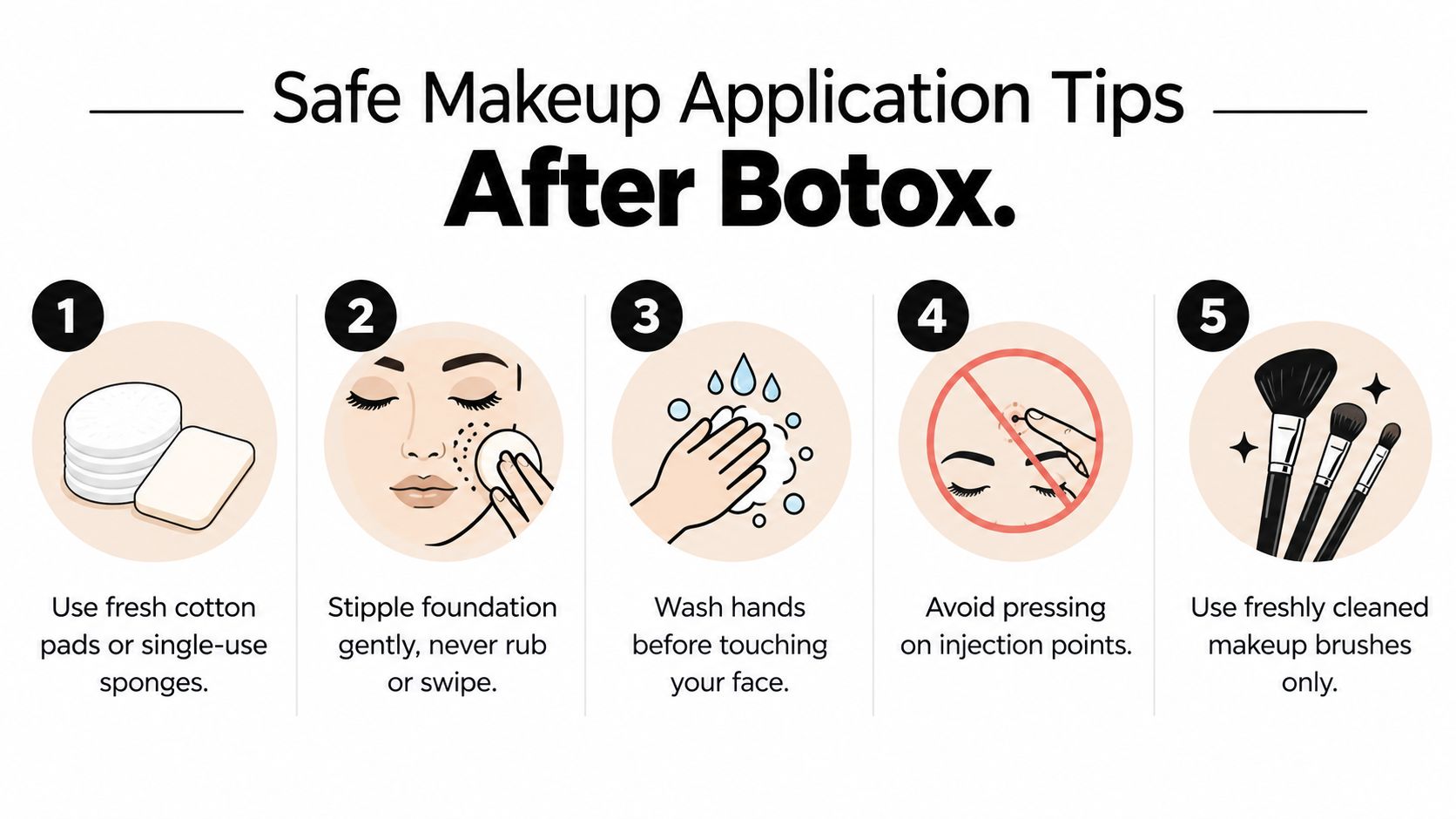
- Wash your hands first. Don't start with sunscreen, foundation, and your phone all in the same hand.
- Use a fresh applicator. A disposable sponge, clean brush, or fresh cotton pad is safer than last week's beauty blender.
- Apply in thin layers. One sheer layer is easier to pat in than one thick layer that needs correcting.
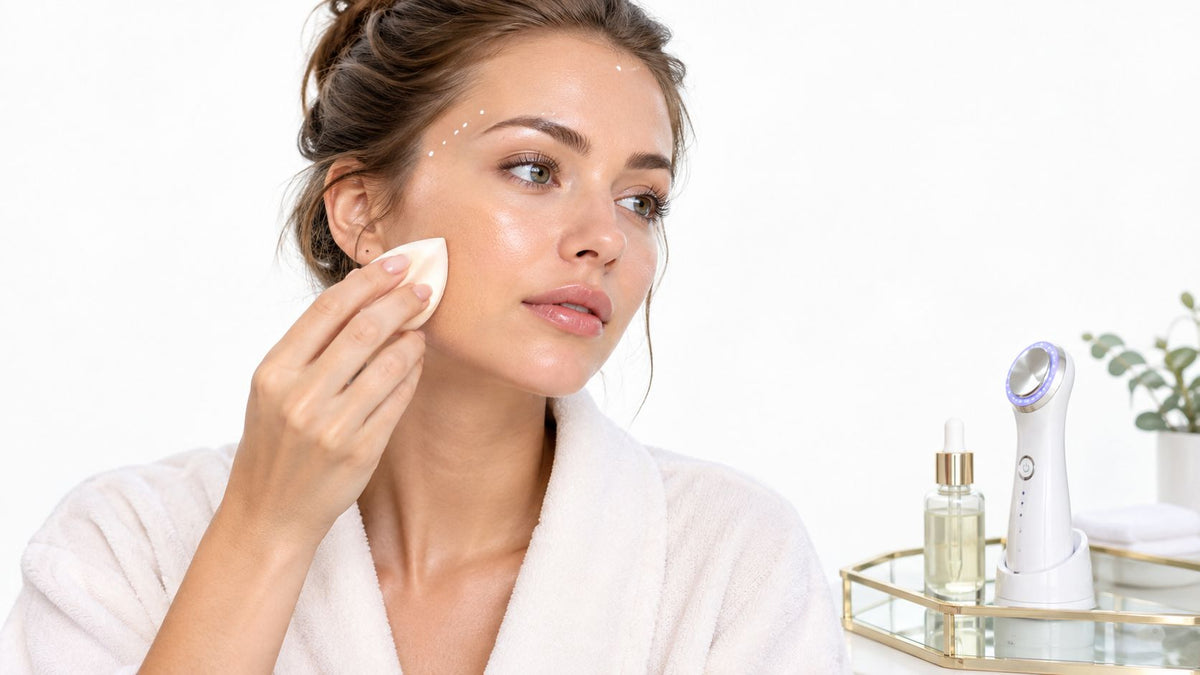
- Stipple, don't swipe. Press lightly and lift. Don't drag product across the skin.
- Leave puncture points alone if they're still visible or tender.
Products that are easier to work with
Not every formula behaves well on freshly treated skin. A few practical swaps help.
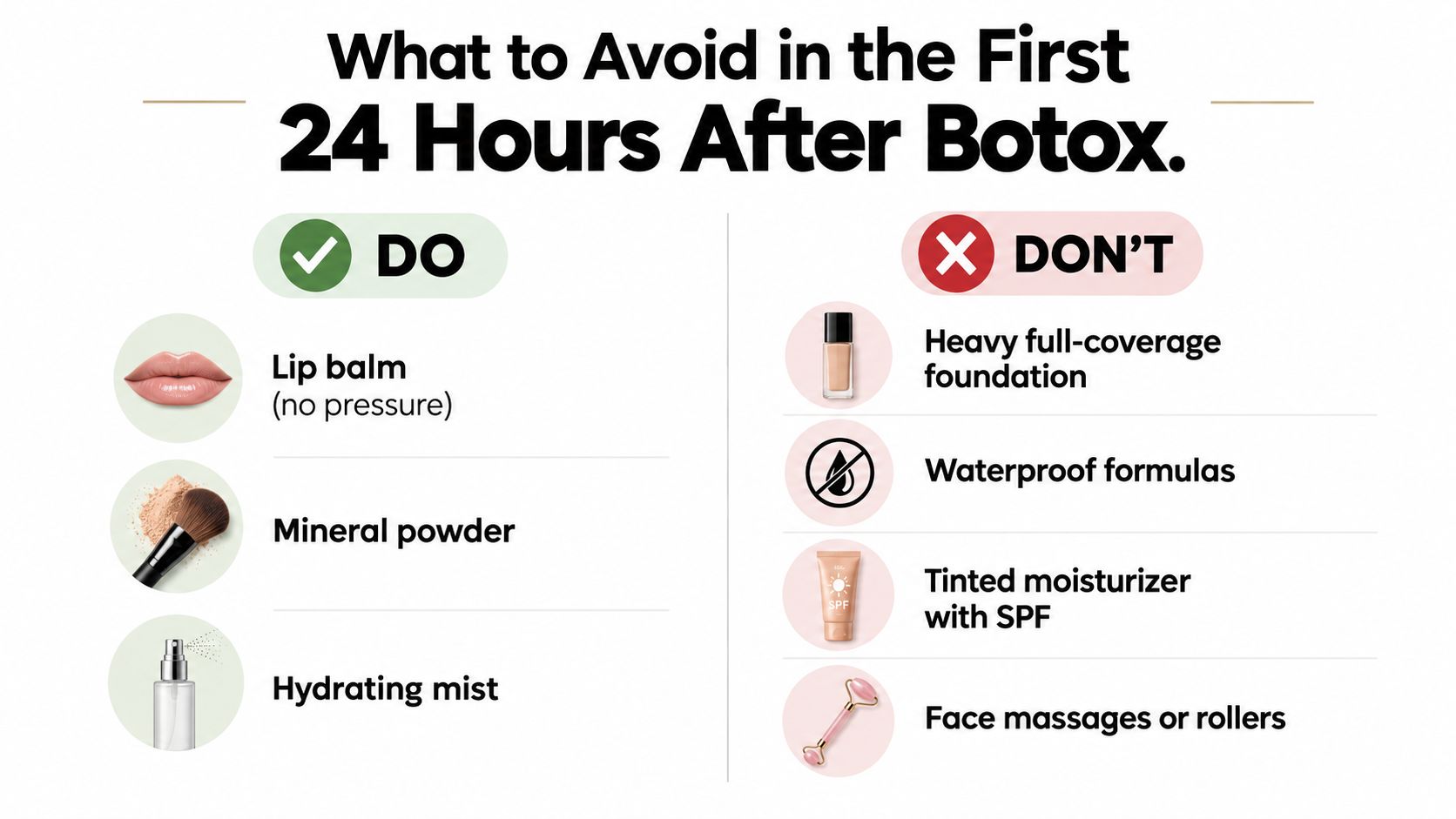
- Loose or pressed mineral powder often works better than dense cream foundation because you can place less product with less manipulation.
- Hydrating mist can freshen the face without the pressure of reapplying base makeup.
- Lip balm and eye makeup are usually the easiest same-day choices if your injections were in the upper face.
What I'd skip for that first pass:
- Full-coverage liquid foundation that requires buffing
- Heavy concealer packed directly over tiny punctures
- Waterproof formulas that need vigorous removal later
- Contour sticks and thick cream bronzers over treated zones
If you have an event or camera day
You don't need a 12-step face. You need a calm one.
A same-day event routine should be simple: groom brows gently if the brow area wasn't treated, add mascara, use lip color, and only add complexion product where you can tap lightly without crossing injection points. If your forehead or crow's feet were treated, don't insist on making the skin look “perfect” with layers. In person, a little residual redness usually reads better than irritated, overworked makeup.
Fresh tools and light pressure beat expensive makeup every time after Botox.
What to Avoid in the First 24 Hours
The first day is less about what to buy and more about what to pause. Most problems come from pressure, contamination, or irritation.
What helps and what gets in the way
A large systematic review of cosmetic botulinum toxin safety across 30 studies and 17,352 injection sessions found an overall complication rate of 16% with a 95% confidence interval of 8% to 25%. In U.S. adverse-event reports for cosmetic botulinum toxin type A, the most common nonserious events were lack of effect at 63%, injection-site reactions at 19%, and ptosis at 11% among 995 cosmetic cases with nonserious events (systematic review and adverse-event analysis on PubMed). That's why sensible aftercare focuses on avoiding localized issues, not panicking about makeup itself.
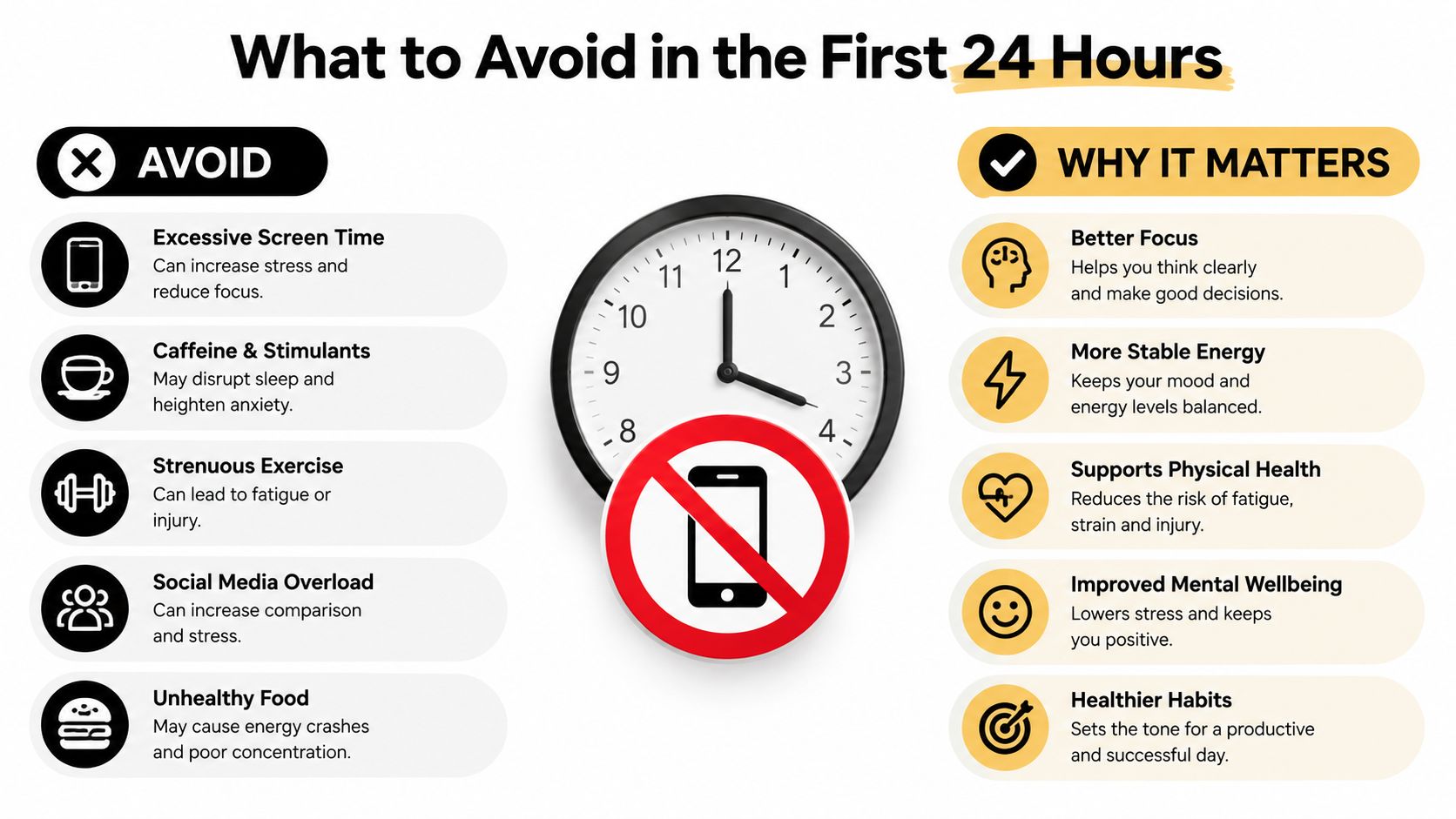
Skip these for the day
- Retinoids and exfoliating acids if the treated skin feels warm, prickly, or reactive
- Benzoyl peroxide spot treatments directly over irritated puncture areas
- Face rollers, gua sha, and massage tools
- Heavy waterproof makeup that's hard to remove
- Anything that makes you rub to apply or cleanse
If you're someone who wants alternatives with less emphasis on neuromodulators, this overview of non-neurotoxic skin treatments gives useful context on other ways people approach texture and aging concerns.
Be extra cautious if your skin is already inflamed
Rosacea, active acne, and chronic picking all make me more conservative. In those cases, skin-barrier disruption matters more, and there's less benefit in trying to force a full makeup routine the same day.
Sun and heat exposure can also make post-treatment redness more noticeable, which is why I often pair makeup guidance with broader aftercare like sun exposure after Botox precautions. If your skin feels hotter, puffier, or more reactive as the day goes on, that's your cue to leave it alone.
Supporting Recovery With Skincare and LED Therapy
The most helpful post-Botox routine is boring in the best way. Gentle cleanser, bland hydration, sunscreen, and no unnecessary friction. Once the skin has settled, supportive skincare and light-based therapy can fit in well.
Skincare that makes sense after injections
Medical-grade basics are useful here because they're usually easier to keep consistent. I like lightweight hydration, antioxidant support once skin is calm, and daily broad-spectrum sun protection. SkinCeuticals serums and SPF 50 products fit this category well when you're trying to keep the routine simple and non-irritating.
If you like adding facial oils later in your routine, this guide to safe natural oils for healthy glow is a sensible read. Just don't rush rich, fragranced, or highly active products onto freshly injected skin.
Where LED therapy fits
LED therapy is one of the few add-ons that can support skin without mechanical pressure when used correctly. FDA-cleared home-use LED devices may use red light around 630 nm for full-face wrinkles, blue light for mild to moderate facial acne, and near-infrared light for topical heating, temporary relief of minor muscle and joint pain, stiffness, and increased blood circulation (FDA-cleared home-use LED device listing).
Independent clinical literature reports that LED and infrared phototherapies at 630 nm and 850 nm are effective, safe, well-tolerated, and painless for skin rejuvenation, and at-home mask studies commonly use sessions of 10 to 20 minutes, 3 to 5 times per week for at least 8 to 12 weeks before visible changes appear (clinical review of LED and infrared phototherapy).
A practical device option
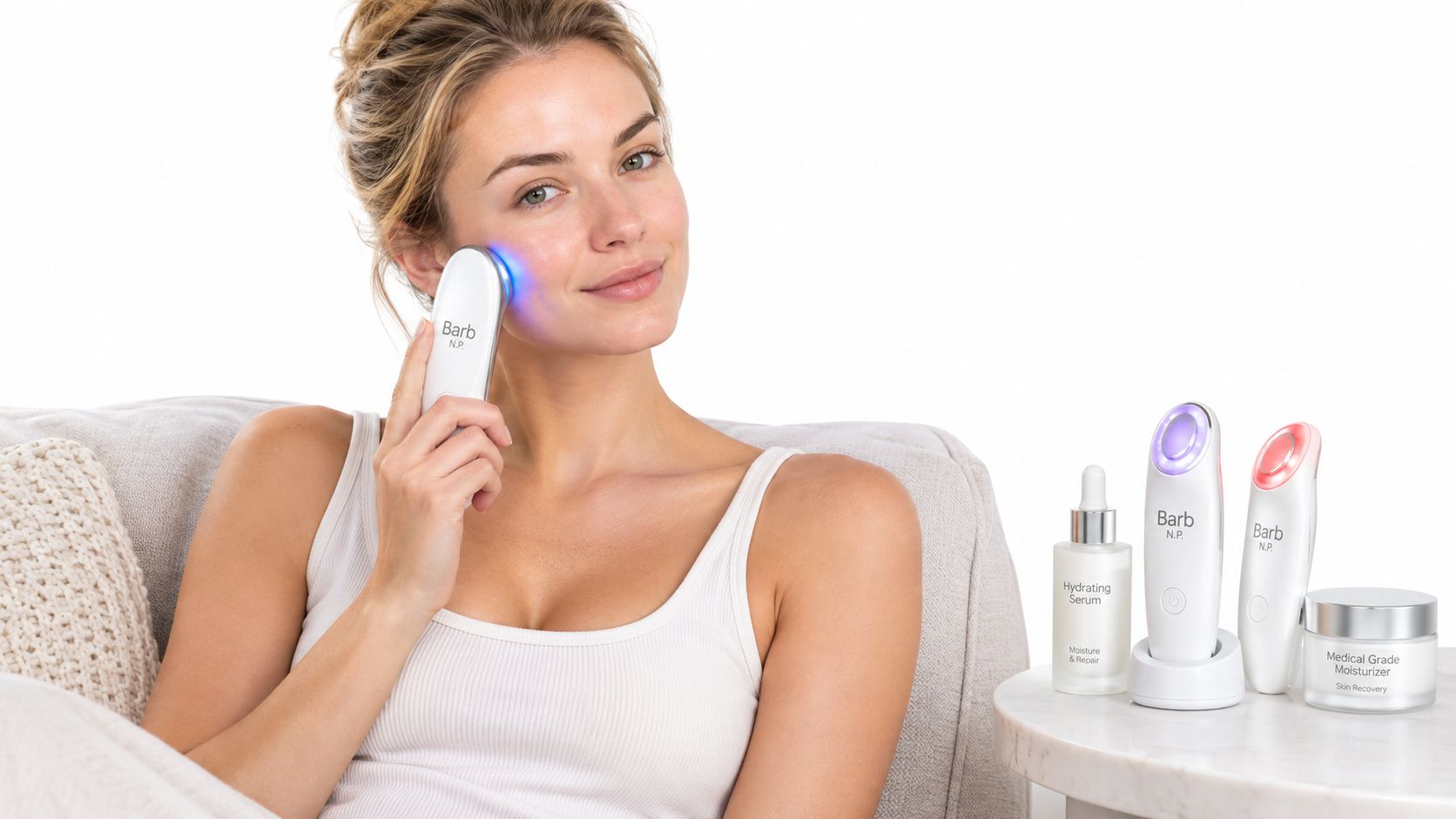
One option in this category is the Barb N.P. Facial Mask. It's a wireless LED mask designed to sit comfortably on the face and uses three lighting settings for different treatments: red for wrinkle-focused support, blue for acne-focused use, and near-infrared for a soothing recovery-oriented setting. If you're comparing home devices, the key benefit is convenience. You can use it consistently without pressing or massaging the skin, and that consistency matters more than chasing an overnight effect. There's also a helpful overview of LED light therapy benefits if you want the skincare side of the conversation.
Your Confident Aftercare Plan Moving Forward
If you remember only one thing, remember this. The safest answer to can you wear makeup after Botox isn't one universal number. It's a decision based on whether your skin has sealed, whether it looks calm, and whether you can keep your hands light.
A simple plan you can repeat
Use this checklist after every appointment:
- Wait longer if your skin looks irritated. If you see active pinpoints, swelling, or tenderness, choose the conservative route.
- Keep tools clean. Freshly cleaned brushes or disposable applicators only.
- Pat on product. No rubbing, buffing, or pressing over injection points.
- Pause strong actives. Save retinoids, benzoyl peroxide, and exfoliating acids for later.
- Watch for anything unusual. Spreading redness, marked swelling, or eyelid droop deserve a call to your injector.
For longer-term habits, this resource on Botox injection longevity tips is worth reading alongside your standard Botox after care instructions. The day-of routine protects placement. The long game protects your investment.
When I want you to call
Most post-Botox issues are localized and manageable with common-sense aftercare. Still, call your provider if redness is spreading instead of fading, swelling looks disproportionate, or you notice signs like ptosis rather than just mild tenderness.
That's the calm, practical approach I want first-time clients to have. Not fear. Just a repeatable routine that protects the treatment and keeps your skin comfortable.
If you want help building that routine, BotoxBarb offers Botox and other in-clinic aesthetic services, plus medical-grade skincare and LED options that fit real aftercare needs. Visit BotoxBarb to book care, compare post-treatment essentials, or choose tools that make your makeup and recovery routine easier to manage.