What Is PRP Treatment for Face: What Is PRP Facial
PRP treatment for the face is a cosmetic procedure that uses your own concentrated platelets to stimulate collagen, and the full appointment usually takes about 45 to 60 minutes. Most patients need 3 or more sessions, and visible improvement tends to build gradually over weeks to months rather than overnight.
If you're looking in the mirror and noticing fine lines that weren't there before, skin that looks a little less firm, or a dullness that skincare alone isn't fixing, you're not alone. Many patients want fresher, healthier-looking skin but aren't ready for surgery, aggressive resurfacing, or anything that makes them look obviously "done."
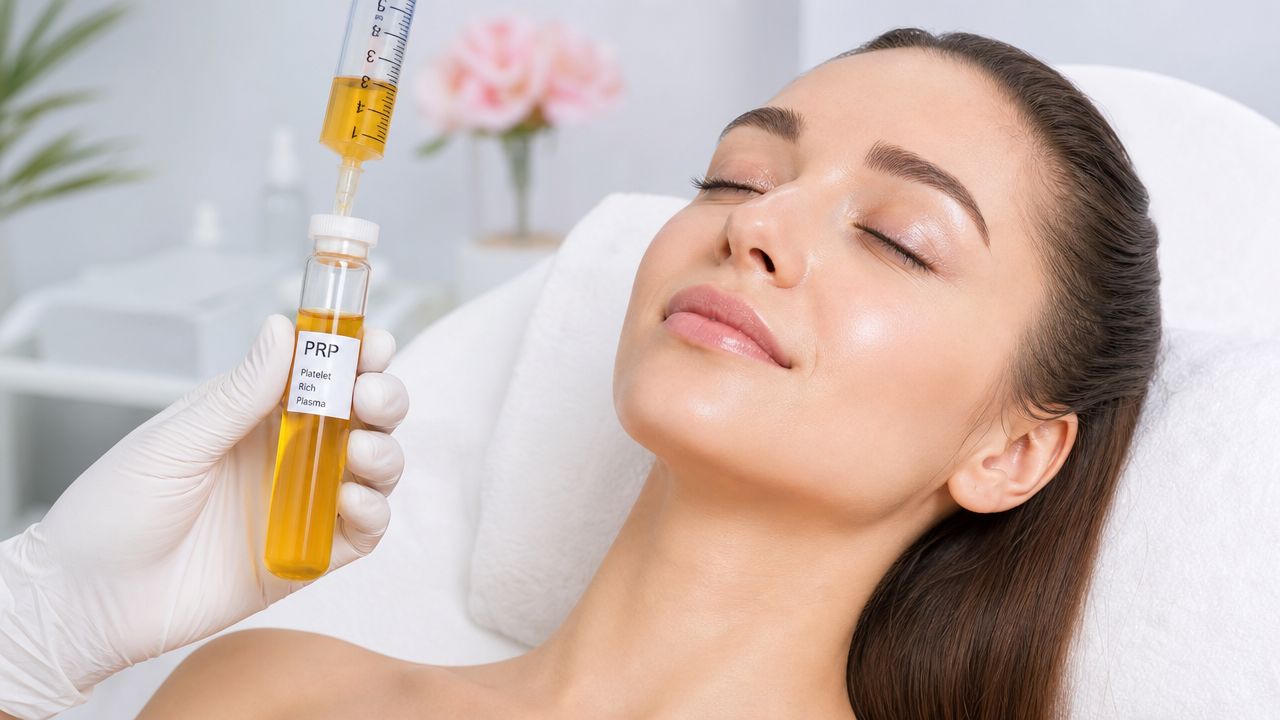
That's where PRP facial rejuvenation fits. In simple terms, PRP stands for platelet-rich plasma. We draw a small sample of your blood, concentrate the platelets, and place that platelet-rich portion back into the skin through injection or microneedling. Because those platelets contain healing signals your body already uses, PRP works by encouraging your skin to repair itself more efficiently and produce more collagen over time.
As Barb N.P., I explain PRP to new patients as a regenerative treatment, not a shortcut. It's useful when the goal is better texture, softer lines, improved glow, and stronger skin quality without changing your facial identity.
An Introduction to PRP Facial Rejuvenation
You may have reached the point where your skin does not look dramatically older, but it no longer looks as rested or even as it used to. Makeup sits differently. The surface looks a little rougher. The glow is harder to get back, even with good products and regular facials. That is often the point when patients ask me about PRP.
PRP facial rejuvenation uses a concentrated portion of your own blood, rich in platelets, to support healthier skin function. In practice, I use it for patients who want stronger skin quality, not a different face. It can be delivered with microneedling, with targeted injections, or as part of a broader treatment plan based on texture, thinning skin, acne scarring, early laxity, and recovery goals.
PRP has become a well-known option in aesthetics as interest in regenerative treatments has grown across dermatology and cosmetic medicine. Patients are paying more attention to treatments that work with the body's own repair signals, especially when they want gradual, believable improvement instead of a dramatic change after one visit.
Why patients consider PRP
PRP appeals to patients who want non-surgical facial rejuvenation with little downtime and a natural endpoint. It is also useful for patients who are not ready for laser resurfacing, want to be conservative with filler, or need a plan that supports long-term skin health rather than a single event treatment.
At BotoxBarb, PRP is rarely presented as a stand-alone fix for every concern. I usually place it within a larger skin strategy that may also include medical-grade skincare, sun protection, collagen-supporting treatments, and a realistic maintenance schedule. Patients do better when the treatment matches the condition of their skin and when aftercare is taken seriously.
Patients who are still sorting through their options often benefit from seeing where PRP fits within the wider category of facial rejuvenation treatments.
PRP works best for skin quality concerns such as dullness, fine lines, crepey texture, and early signs of aging. Volume loss, deep folds, and significant laxity often need a different or combined approach.
What PRP does well
In the right candidate, PRP can help with:
- Texture refinement: skin often feels smoother and looks more polished
- Fine line improvement: mild lines can soften as collagen remodeling develops
- Tone and brightness: many patients notice skin looks fresher, less dull, and more even
- Support for fragile or crepey skin: PRP can improve resilience, especially around delicate areas
The trade-off is patience. Results build over time, and the best outcomes usually come from a series, smart aftercare, and pairing PRP with the right complementary treatments. That is why I frame PRP as part of skin maintenance and repair, not a one-time shortcut.
The Science Behind Your Skin's Renewal
PRP makes more sense once you understand what platelets do. Most patients think of them only in terms of clotting, but platelets also act like a built-in repair team. When tissue is injured, they release signals that tell the body where to rebuild.

Think of platelets as a construction crew
A simple analogy helps. Platelets are the construction crew, and growth factors are the tools and instructions they bring to the job site. When we concentrate platelets and place them back into facial skin, we're increasing the local signals that encourage repair.
PRP contains concentrated growth factors such as PDGF, TGF-β, VEGF, and IGF-1, and these signals directly stimulate collagen and elastin synthesis, accelerate tissue repair, and help inhibit UV-B-induced damage that contributes to photoaging and wrinkles (Spandidos Publications).
That matters because aging skin usually doesn't fail in one dramatic way. It changes in several smaller ways at once. Collagen becomes less organized. Elasticity drops. Recovery slows. Surface texture becomes uneven. PRP aims at that underlying biology.
What happens in the skin
When PRP is applied through microneedling or delivered by injection, the skin receives a stronger regenerative signal. Over time, that can support:
- Collagen production: The skin gradually becomes denser and more resilient.
- Elastin support: Skin can look less slack and move more smoothly.
- Tissue repair: Recovery after controlled skin injury improves.
- Photoaging reduction: Wrinkles and sun-related texture changes may soften.
Some patients also ask how PRP compares with ingredient-driven skincare. That's a useful question. Topicals and procedures work at different levels. If you're curious about one category that often comes up in repair-focused routines, this summary of advanced copper peptide skin research is worth reading alongside PRP science.
The biggest misconception is that PRP is "just blood on the skin." It's actually a way of concentrating and delivering the part of your blood involved in repair.
Why the results look natural
PRP doesn't push the face into a new shape. It supports the skin's own rebuilding process. That's why the change is usually described as healthier, smoother, brighter, and firmer rather than dramatic. For patients who want subtle improvement and are willing to wait for biology to do the work, that's often the right trade-off.
Your PRP Facial Treatment Journey at BotoxBarb
Most first-time patients feel better once they know exactly how the visit goes. The process is straightforward, and the structure is very similar from one appointment to the next.

According to the American Academy of Dermatology, the procedure follows a standardized 3-step protocol. A small blood draw is taken, the sample is centrifuged to concentrate platelets to 3 to 5 times baseline, and the PRP is reapplied to the face through microneedling or injection. The full visit takes approximately 45 to 60 minutes (American Academy of Dermatology).
Step one and step two
The appointment usually begins with a blood draw from your arm, much like routine lab work. It's quick. After that, the vial goes into a centrifuge, which separates the platelet-rich portion from the rest of the blood.
This is the part patients don't see much of, but it matters. Clean handling, proper processing, and good technique make a real difference in consistency and safety.
Step three on the skin
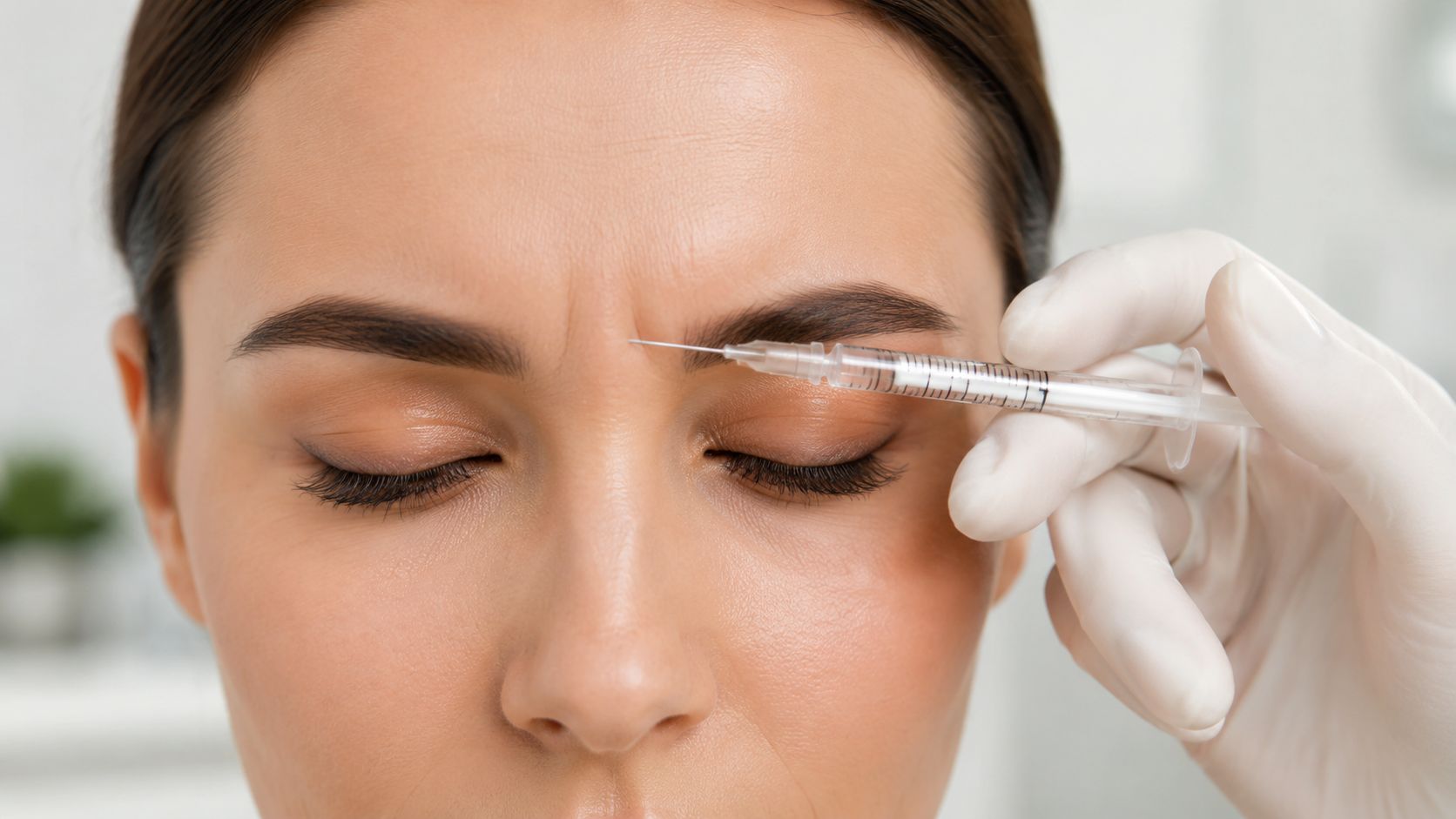
Once the PRP is prepared, the skin is treated with either microneedling, targeted injections, or a combination approach. In my practice style, microneedling is often the most intuitive option for patients focused on texture, pores, and diffuse early aging because it creates controlled micro-channels and gives the PRP access where it can be most useful.
If you want a deeper look at that treatment style, this guide on microneedling with PRP covers what patients usually want to know before booking.
Many patients compare PRP with collagen induction therapy in general. For a broader outside perspective on that category, ProMD Health Bel Air's guide to collagen induction therapy is a solid companion read.
Most people expect the process to feel more intimidating than it actually does. Once they've done one session, the uncertainty usually disappears.
What the appointment feels like
A typical visit includes:
- Consultation and prep: We review goals, skin condition, and whether PRP is the right fit.
- Blood collection: A small sample is taken from your arm.
- Processing: The sample is spun to isolate the platelet-rich portion.
- Application: PRP is applied through microneedling or delivered with injections.
- Post-care review: You leave with specific aftercare instructions, not guesswork.
That step-by-step structure is why PRP feels manageable even for patients who are new to cosmetic procedures.
Determining If You Are a Candidate for PRP
PRP is a good treatment for the right patient. It isn't the right treatment for everyone, and that's not a downside. Good aesthetic care means matching the procedure to the problem.

Who usually does well with PRP
In clinic, the best PRP candidates tend to be people who want their skin to look better, not different. Common reasons to choose it include:
- Fine lines and early crepiness: Especially when the skin looks thinner or less springy.
- Uneven texture: Roughness, mild acne scarring, or enlarged pores can respond well.
- Dull tone: PRP can fit when skin lacks freshness and vitality.
- Mild laxity: It won't create a surgical lift, but it can support better skin quality.
- Periorbital aging: The under-eye and outer-eye area often comes up in PRP consultations.
Who should pause or avoid it
Safety matters more than enthusiasm. PRP is widely considered safe, but it's not recommended for those with Hepatitis C, HIV or AIDS, any type of blood cancer, or cardiovascular disease that requires blood thinners (PMC).
I also become more cautious when someone has an active skin infection, uncontrolled inflammation, or expectations that don't match what PRP can realistically do.
If your main concern is major sagging or a need for immediate volume, PRP alone usually won't be enough.
What PRP does not do well
Expectation-setting is most important.
PRP does not reliably replace filler when the issue is structural volume loss. It does not perform like a facelift when the issue is heavy laxity. And it does not erase years of sun damage in one dramatic jump. It helps skin regenerate. That's valuable, but it has limits.
A consultation should answer three questions clearly:
- Is your concern really a skin-quality issue?
- Are you medically appropriate for blood-based treatment?
- Are you comfortable with gradual results instead of an instant correction?
If the answer is yes to all three, PRP can be a very sensible option.
The Timeline for Visible Results and Benefits
A common PRP follow-up goes like this: a patient checks in at one week and worries that she only sees a little glow and some residual dryness. Then she comes back at six to twelve weeks and says her skin looks less creased, makeup sits better, and she looks more rested without being able to point to one dramatic change. That pattern is typical.
PRP improves skin gradually because the treatment is working through repair and collagen signaling, not instant volume. Right after treatment, the face can look brighter or slightly fuller from temporary swelling, increased circulation, and, if microneedling was part of the session, the controlled inflammation that starts the healing response. That early change is real, but it is not the result patients are paying for.
The more meaningful shift develops over the next several weeks. Skin often starts to feel smoother before it looks very different in photos. Fine crepiness can soften. Tone can look more even. The face may look less fatigued.
Here is the timeline I use in practice:
- First few days: redness, sensitivity, dryness, and a post-treatment glow are common
- Weeks 2 to 6: texture changes usually show up first, with smoother skin and better light reflection
- Around 2 to 3 months: improvements in fine lines, overall radiance, and skin quality become easier to appreciate
- By 3 to 6 months: collagen remodeling is more established, and patients often feel they have reached the point where PRP was worth doing
Published evidence supports that measured view. A systematic review on PRP for facial rejuvenation examined 24 studies, including 8 randomized controlled trials, and found modest but meaningful improvement in facial skin appearance, texture, and fine lines, with the strongest support for texture improvement. The same review also pointed out something I discuss often in consults. The visible change is usually moderate, not a 50 percent transformation.
That matters because satisfaction and magnitude of change are not always the same thing. A modest improvement in texture, reflectivity, and fine lines can make a face look healthier as a whole. Patients who want fresher skin often value that shift. Patients who want lifting, contour change, or immediate correction usually need a different plan.
Results also depend on how PRP is used. A single treatment may give a nice refresh, but a curated series often produces a more reliable change, especially in patients with early crepiness, under-eye thinning, or dull post-sun skin. In my practice, I position PRP as one part of a longer skin-health strategy, not a stand-alone event. Timing maintenance sessions appropriately and pairing PRP with the right home care usually does more for long-term skin quality than chasing one dramatic appointment.
If your treatment included microneedling, recovery habits can also affect how quickly the skin settles and how comfortably you get through the first week. This guide on what to use and avoid after microneedling gives patients a practical reference during that early healing window.
The best way to judge PRP is by asking a simple question at the right time: does your skin look healthier, calmer, smoother, and less tired than it did before? For the right patient, that is where PRP delivers real value.
Enhancing and Extending Your Results with Aftercare
What you do after PRP affects how smoothly you heal and how well you maintain the improvement. This is one reason I don't treat PRP as a one-visit event. It works best as part of a broader skin-health plan.
The basics that matter most
For the first part of recovery, the rules are simple:
- Protect the barrier: Use gentle cleansing and avoid harsh exfoliants until the skin has settled.
- Stay hydrated: Hydration supports recovery from any collagen-induction procedure.
- Use daily sun protection: UV exposure works directly against the repair process you just invested in.
- Leave the skin alone: Don't pile on active ingredients too quickly.
If you've had microneedling-based PRP, detailed post-procedure guidance becomes even more important. This overview of skin care after microneedling helps patients avoid the common mistakes that lead to irritation.
Here's the visual many patients associate with a clean, treatment-supportive routine:

Where LED light therapy fits
One complementary option I discuss with patients is LED light therapy, especially when the goal is to calm inflammation and support a consistent at-home routine. Used appropriately, LED can pair well with regenerative treatment plans because it adds a low-irritation way to support skin recovery.
A practical device option is the Barb N.P. Facial Mask. It's a wireless LED mask designed for hands-free use, the fit is comfortable enough to sit securely on the face without feeling rigid, and it includes 3 lighting settings for different treatment goals:
- Red light: Often chosen when the focus is anti-aging support and collagen-focused care.
- Blue light: Useful for patients who also struggle with acne-prone skin.
- Amber light: A common choice for overall rejuvenation and post-treatment support.
I don't position LED as a substitute for PRP. It's an adjunct. PRP handles the regenerative procedure side. LED helps patients stay engaged with recovery and maintenance at home.
Practical rule: The best PRP results usually come from patients who treat their skin well between appointments, not from patients who chase one dramatic procedure.
The maintenance mindset
PRP rewards consistency. Patients who protect their skin barrier, use sunscreen daily, and avoid the cycle of over-treating and under-recovering usually hold onto their results better. Good aftercare doesn't make PRP do something it can't do. It helps you keep more of what you gained.
PRP Cost and Comparison to Other Facial Treatments
Cost is part of treatment planning, and it should be discussed plainly. In the United States, each PRP treatment session typically ranges from $250 to $1,500, it is not covered by insurance, and most patients need 3 or more sessions followed by maintenance treatments every 6 to 12 months (WebMD on PRP facials).
That means PRP is rarely a one-time budget decision. It's usually a course of treatment, then a maintenance strategy. Some patients are comfortable with that because they prefer gradual, natural-looking skin improvement. Others would rather choose a treatment with a different timeline or a different type of result.
PRP vs. Other Aesthetic Treatments
| Treatment | Mechanism | Best For | Downtime | Avg. Cost Per Session |
|---|---|---|---|---|
| PRP | Uses your own concentrated platelets to support collagen renewal and tissue repair | Texture, fine lines, dullness, mild laxity, acne scars | Usually brief, with redness and mild swelling possible | $250 to $1,500 |
| Microneedling alone | Creates controlled micro-injury to stimulate repair without added PRP | Texture, pores, superficial scars | Usually mild to moderate short-term redness | Varies by practice |
| Dermal fillers | Add volume beneath the skin | Volume loss, contour deficits, deeper folds | Often limited, depending on area treated | Varies by product and area |
| Laser resurfacing | Uses light energy to target pigment, texture, or surface damage | Sun damage, uneven tone, texture concerns | Can range from light to significant, depending on intensity | Varies by device and treatment depth |
How I frame the trade-offs
If someone wants immediate volume, filler is usually the more direct answer. If someone wants rebuilding of skin quality, PRP is more aligned with that goal. If sun damage and pigment are the main concern, laser may be a better fit.
PRP sits in a middle ground. It's less about instant correction and more about biologic improvement. That's appealing, but it also means patience and repeat sessions.
A few practical comparisons help:
- PRP vs filler: Filler changes shape faster. PRP changes skin quality more gradually.
- PRP vs microneedling alone: PRP adds concentrated growth factors to the collagen-induction process.
- PRP vs laser: Laser can be stronger for certain pigment and resurfacing concerns, but it may come with more downtime depending on the treatment.
What works and what doesn't
PRP works well when the treatment goal is realistic. It can improve the look of tired, textured, mildly aging skin. It usually does not make sense as the only answer for heavy jowling, deep volume loss, or patients who want dramatic correction before a near-term event.
That's why I treat PRP as part of a skin strategy, not just a service on a menu. The right procedure matters. The right sequence matters too.
If you're deciding whether PRP belongs in your routine, explore options through BotoxBarb for treatment planning, post-procedure skincare, and practical tools that support long-term skin health between visits.